

BLOG
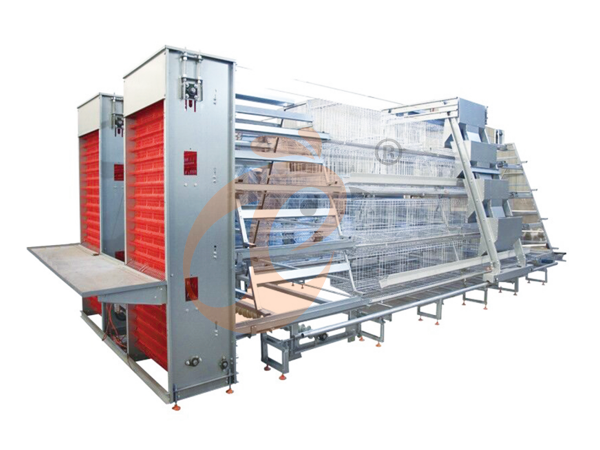
An A type poultry cage system supports efficient layer farming through compact layout, controlled feeding, and stable egg output.
Daily management decides whether production stays consistent, disease pressure stays low, and bird comfort remains acceptable.
Three practical search terms guide market readers toward this topic: A type poultry cage system, layer cage system, and automatic poultry equipment.
Routine work in cage housing connects ventilation, water supply, manure control, and egg collection into one production chain.
Clear management discipline also reduces waste, protects shell quality, and helps farms turn operating data into measurable performance.
Get professional poultry farm construction guidance, equipment selection solutions, and the latest price lists, whatsApp to +8618830120193, click to learn more:
Overview Of The A Type Poultry Cage System
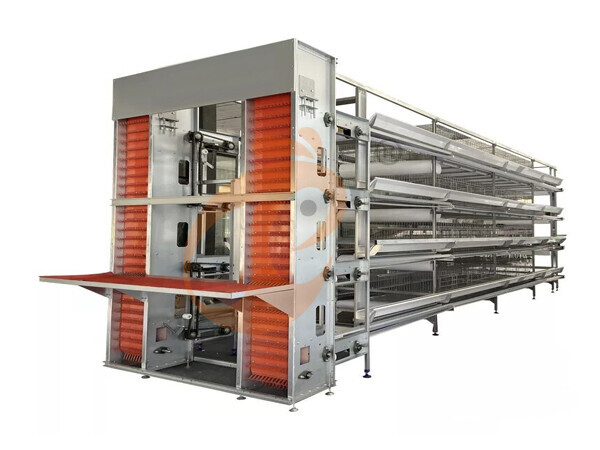
A type housing uses a sloped frame structure, so rows of cages can sit on both sides of the aisle.
That design saves floor space while keeping operators close to feed lines, drinkers, egg belts, and manure equipment.
Data is for reference only. Swipe horizontally to view full table.
Real farm layouts differ by breed, climate, and automation level.
When design and management match, the system supports higher uniformity across the flock.
Importance Of Daily Management In Cage Systems
Daily management matters because caged birds depend on machines for many basic needs.
A short water interruption, a blocked feed line, or a ventilation fault can quickly affect the full house.
Stable routines also help workers notice weak birds, broken parts, and unusual egg patterns before losses spread.
In commercial layer production, consistency is usually more valuable than occasional high peaks.
Daily operating budgets may be calculated in USD 0.03 to 0.06 per bird per day, European union standard reference only.
That kind of cost awareness pushes managers to measure feed, power, labor, and repair expenses together.
Step One: Daily Inspection Of Equipment And Birds
A daily walk-through should begin before feeding and before peak heat.
Workers should look at birds, cage doors, belt lines, motors, and controller alarms in one inspection route.
Data is for reference only. Swipe horizontally to view full table.
Small abnormalities often show up in behavior before they become visible equipment failures.
A trained team can save birds and production time by responding early.
Step Two: Feeding System Management
Feeding management starts with clean troughs, correct timer settings, and even feed distribution.
Feed must reach every tier because upper and lower cages can receive slightly different quantities if calibration is poor.
Data is for reference only. Swipe horizontally to view full table.
Uneven feeding often creates egg size variation and weakens flock uniformity.
Good feed flow also reduces aggressive pecking and lowers stress inside the cage row.
Step Three: Water System Monitoring
Water supply is even more sensitive than feed because birds react quickly to shortages.
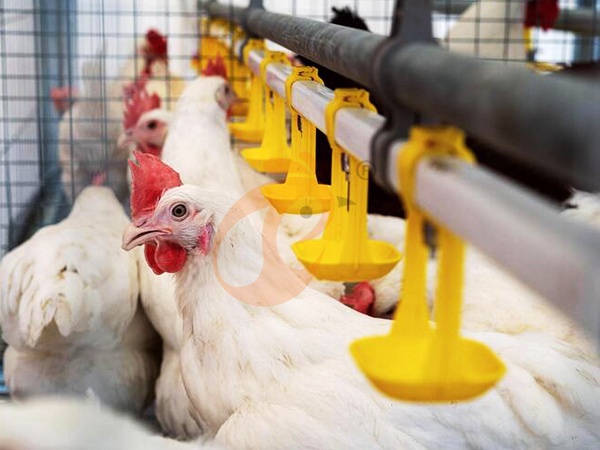
Nipple lines, pressure settings, filters, and flushing schedules all need daily review.
Data is for reference only. Swipe horizontally to view full table.
Water problems can hide in small leaks, slow flow, or blocked nipples.
A stable water system supports digestion, shell formation, and overall flock vitality.
Step Four: Ventilation And Climate Control
Ventilation protects the flock from heat stress, excess humidity, and harmful gas buildup.
A type cage systems need more attention because cage density makes air movement especially important.
Data is for reference only. Swipe horizontally to view full table.
Heat stress usually shows first in panting, reduced feed intake, and lower egg yield.
Climate control should be adjusted gradually rather than sharply.
Step Five: Egg Collection And Handling
Egg collection needs clean conveyors, careful timing, and gentle handling at every transfer point.
Daily inspection should check belt speed, egg tray alignment, and breakage rate.
Data is for reference only. Swipe horizontally to view full table.
Egg quality depends on both bird nutrition and mechanical handling.
A stable collection routine also reduces contamination and keeps labor organized.
Step Six: Manure Removal System Management
Manure removal is not only a cleaning task, because it directly affects odor, ammonia, and disease pressure.
Belt timing, belt tension, and storage area hygiene all require fixed daily attention.
Data is for reference only. Swipe horizontally to view full table.
Dirty manure areas often attract insects and increase pathogen pressure.
Regular removal also improves inspection access and biosecurity conditions.
Step Seven: Health Monitoring And Disease Prevention
Health monitoring should combine visual checks, mortality records, and production trends.
Early detection matters because birds often hide illness until problems expand.
Data is for reference only. Swipe horizontally to view full table.
Vaccination, sanitation, and monitoring must work together continuously.
Early reaction reduces flock-wide losses significantly.
Frequently Asked Questions
Q1: How often should an A type cage house be inspected?
A full inspection is recommended once every morning with an additional afternoon check during hot seasons.
Most farms also include a brief evening review of feed and water systems.
Q2: What is the most critical daily risk in cage systems?
Water interruption is usually the fastest risk factor affecting bird health and production output.
Feed blockage and ventilation failure are also high-impact system risks.
Q3: What temperature range is most stable for layer production?
Most commercial flocks perform best between 18 to 26°C with controlled humidity.
Sudden temperature shifts create more stress than steady mild variation.
Taiyu (HK) Group - One Of China Largest Poultry Equipment Manufacturer
A type poultry cage project for 20,000 layers requires coordinated layout, ventilation design, and feeding calibration across multiple tiers, ensuring stable production efficiency and uniform flock management conditions.
Global factory direct supply enables standardized poultry equipment production including cages, drinking systems, egg collection lines, and manure removal systems with controlled engineering specifications.
Poultry equipment integration supports automated layer housing projects covering environmental control systems, feeding automation, and structural steel cage fabrication for commercial farms.
Turn-key engineering service includes design planning, equipment manufacturing, installation guidance, and commissioning support for complete poultry farm projects.
International export packaging and technical documentation ensure stable delivery, spare parts allocation, and installation consistency across different regional farming standards.
Contact Us To Received Your Customized Poultry Farm Plan
Headquarters And Branchs

Hong Kong Headquarter Management Team
Hong Kong Headquarter Taiyu Industrial Group CO., LTD
China Hebei Best Machinery And Equipment CO., LTD
Nigeria Vanke Machinery And Equipment CO., LTD
Tanzania Best Machinery And Equipment CO., LTD
Ethiopia Best Hebei Machinery Manufacturing PLC




Reception /24 WhatsApp NO. : +8618830120193
PRODUCTS RECOMMENDED
 China Branch Manufacture Poultry Farm EquipmentRead More
 Ethiopia Branch Manufacture Poultry Farm EquipmentRead More
 Nigeria Branch Manufacture Poultry Farm EquipmentRead More
 Tanzania Branch Manufacture Poultry Farm EquipmentRead More
 IoT Smart Poultry FarmRead More
 >30,000 Layers Automatic H Type Battery CageRead More
 10,000 - 30,000 Layers Automatic A Type Battery CageRead More
MESSAGE