

BLOG
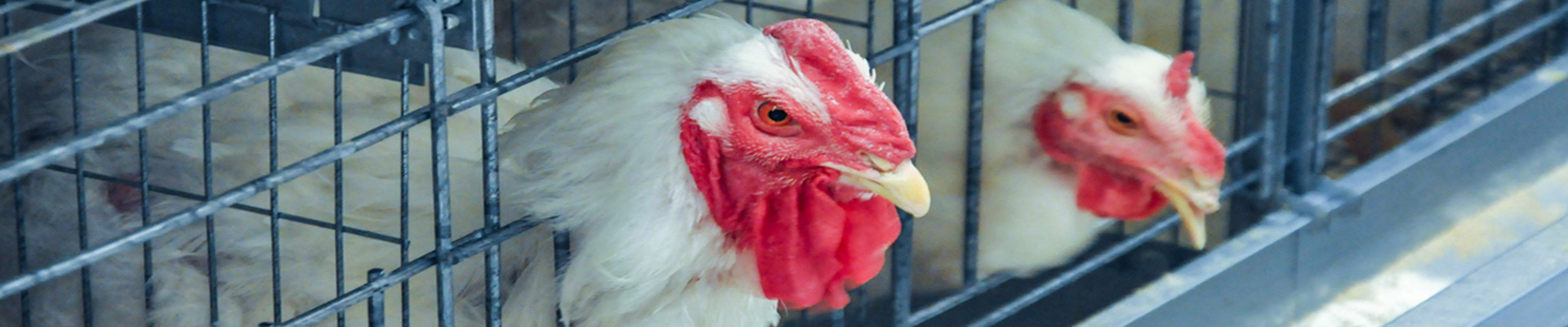
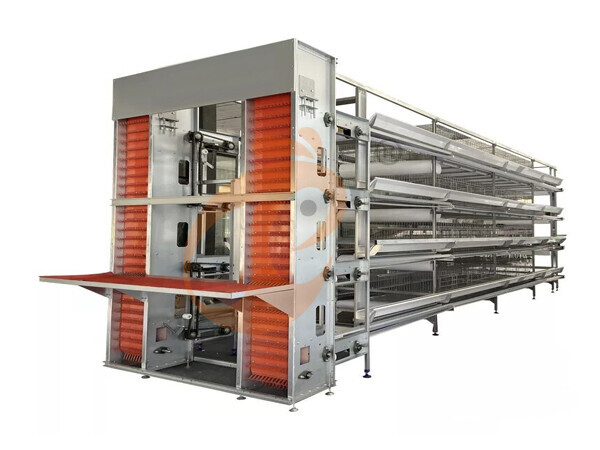
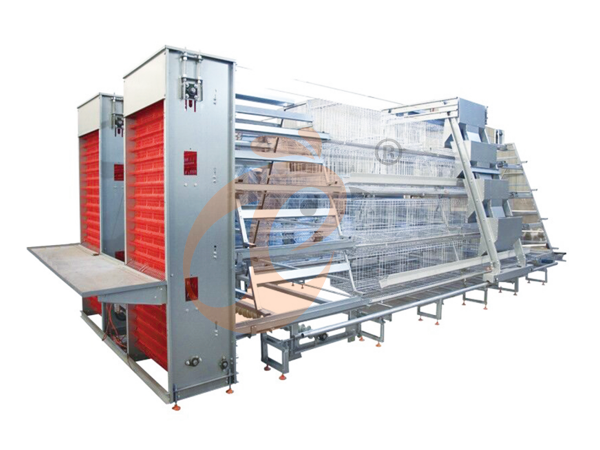
H type chicken battery cages are widely deployed in intensive poultry farming systems supporting high-density layer production.
Layer chicken cage system structures enable space utilization efficiency exceeding 80 birds per square meter in optimized commercial houses.
Automatic poultry cage equipment reduces manual labor dependency by more than 60% compared with traditional floor rearing systems.
Modern farms operating under controlled environments typically achieve laying rates above 90% peak performance under stable management conditions.
Daily maintenance ensures long-term mechanical stability, reduces downtime probability, and improves biosecurity control across production cycles.
Get professional poultry farm construction guidance, equipment selection solutions, and the latest price lists, whatsApp to +8618830120193, click to learn more:
Understand The Structure Of H Type Chicken Battery Cages
Before discussing maintenance, it is important to understand the major components of an H type chicken battery cage system.
Main Components
Data is for reference only.Swipe horizontally to view full table.
Because these systems operate continuously, daily inspections are essential for preventing unexpected failures.
Science Corner
H type chicken battery cages use vertical stacking engineering to increase stocking density without compromising airflow stratification.
Proper maintenance stabilizes microclimate uniformity and reduces heat stress incidence by up to 30% in tropical poultry environments.
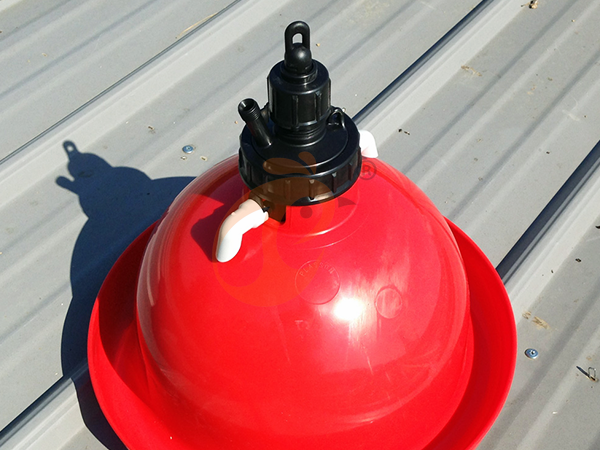
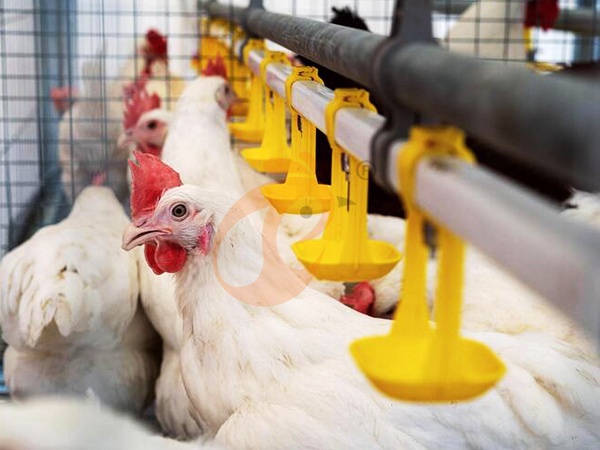
Tip #1: Inspect And Clean The Drinking System Daily
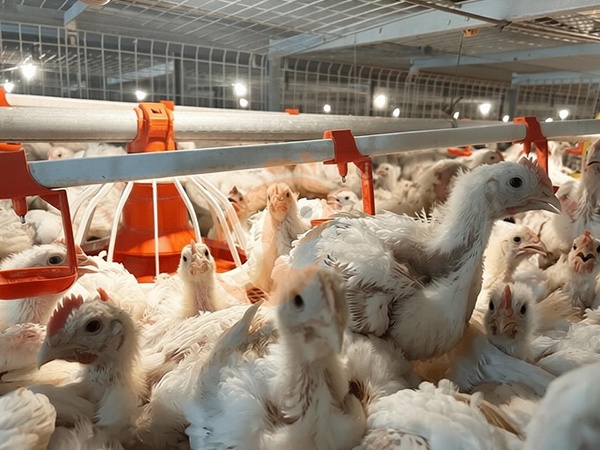
Water is one of the most important factors affecting poultry health and egg production.
Why It Matters
Dirty drinking lines may contain:
- Mineral deposits
- Bacteria colonies exceeding 10⁶ CFU/ml under poor sanitation conditions
- Biofilm layers reducing flow efficiency by up to 40%
- Sediment accumulation from untreated water sources
These contaminants can reduce water flow and increase disease risks.
Daily Inspection Checklist
Data is for reference only.Swipe horizontally to view full table.
Maintenance Procedure
- Inspect every drinking line for micro-leakage patterns.
- Remove visible deposits using low-pressure flushing techniques.
- Flush pipes with clean water ensuring full pipeline turnover.
- Check pressure regulators for fluctuations exceeding 10% deviation.
- Repair leaking nipples immediately to prevent localized humidity spikes.
Regular cleaning helps ensure that hens receive adequate water intake, which directly supports metabolic stability and egg mass consistency.
Tip #2: Maintain Proper Ventilation Performance
Ventilation is critical in high-density poultry housing systems.
Why Ventilation Matters
Poor airflow may cause:
- Heat stress exceeding 35°C effective body temperature threshold
- Excess humidity leading to litter moisture above 70%
- Ammonia accumulation impacting respiratory efficiency
- Increased disease transmission probability in confined air zones
- Reduced egg production efficiency under thermal stress conditions
Layer chicken cage system installations are typically used in environmentally controlled poultry houses where ventilation performance directly impacts flock health.
Ventilation Monitoring Table
Data is for reference only.Swipe horizontally to view full table.
Daily Tasks
Inspect exhaust fan rotation stability and motor vibration amplitude below 2 mm/s.
- Remove dust accumulation reducing blade efficiency by up to 15%.
- Check cooling pad saturation uniformity across full surface area.
- Verify airflow consistency across upper and lower tiers.
- Monitor environmental control systems with calibration deviation below 5%.
Even small reductions in airflow can create temperature gradients exceeding 3°C between cage levels, negatively affecting bird comfort and productivity.
Tip #3: Check The Feeding System Every Day
Feed accounts for the largest portion of poultry production costs.
Common Feeding Problems
Data is for reference only.Swipe horizontally to view full table.
Daily Inspection Points
✓ Observe feed movement uniformity across all tiers
✓ Check feed trough cleanliness ensuring residual feed below 3% volume
✓ Listen for abnormal motor acoustic variation exceeding baseline 5 dB
✓ Inspect feed augers and chains for elongation or deformation
✓ Remove leftover feed to prevent microbial growth exceeding safe thresholds
Practical Advice
Uneven feed distribution can result in poor flock uniformity.
Birds receiving insufficient feed often experience reduced growth and laying performance with weight variation exceeding 12% in poorly managed flocks.
Tip #4: Monitor The Manure Belt System
The manure belt is one of the most heavily used components in an H type chicken battery cage system.
Daily Maintenance Table
Data is for reference only.Swipe horizontally to view full table.
Warning Signs
Belt drifting to one side exceeding alignment tolerance
- Excess manure accumulation increasing bacterial load
- Motor overheating beyond rated capacity
- Unusual vibration indicating roller imbalance
- Belt tearing under tensile stress
If manure remains on the belt too long, ammonia concentration can increase significantly and create an unhealthy environment for birds.
Tip #5: Inspect Cage Structures And Hardware
Although H type chicken battery cages are often manufactured using hot-dip galvanized steel with long service lives, routine structural inspections remain necessary.
Areas To Inspect
Data is for reference only.Swipe horizontally to view full table.
Daily Structural Checklist
Check for sharp edges increasing injury risk probability.
- Repair broken wires exceeding structural safety margin.
- Tighten loose bolts maintaining torque specification consistency.
- Replace damaged components before fatigue failure occurs.
- Verify cage stability under full stocking load conditions.
Proper structural maintenance improves animal safety and extends equipment lifespan.
Develop A Daily Maintenance Schedule
Many equipment failures occur because inspections are inconsistent.
Suggested Daily Schedule
Data is for reference only.Swipe horizontally to view full table.
Creating a routine schedule reduces the likelihood of missing critical maintenance tasks.
Record Maintenance Data
Successful poultry farms rely on data-driven management.
Benefits Of Record Keeping
Identify recurring failure patterns across mechanical subsystems
- Predict equipment fatigue lifecycle before breakdown events
- Improve maintenance resource allocation efficiency
- Reduce unplanned repair cost frequency over production cycles
Example Maintenance Log
Data is for reference only.Swipe horizontally to view full table.
Detailed records help managers identify trends before they become major problems.
Train Employees Regularly
Even advanced automatic poultry cage equipment systems require skilled operators.
Employee Training Topics
Equipment operation and calibration procedures
- Safety protocols under mechanical and electrical systems
- Emergency response under system failure conditions
- Cleaning protocols ensuring microbial control compliance
- Disease prevention linked to environmental control management
Training Frequency
Data is for reference only.Swipe horizontally to view full table.
Well-trained staff can detect equipment problems earlier and respond more effectively.
Common Maintenance Mistakes To Avoid
Many poultry farmers unknowingly shorten equipment life through poor maintenance habits.
Common Errors
Ignoring micro-leakage in early stage development
- Delaying belt repairs beyond safe tolerance window
- Allowing dust accumulation exceeding ventilation efficiency limits
- Skipping routine inspections of mechanical joints
- Failing to clean ventilation components affecting airflow efficiency
- Neglecting lubrication leading to friction increase above standard range
- Inadequate employee training reducing response accuracy
Impact Table
Data is for reference only.Swipe horizontally to view full table.
Preventing these mistakes can significantly improve farm profitability.
Operating budgets for maintenance and spare parts commonly range from $0.05 to $0.15 per bird annually depending on farm scale and automation level.
European union standard reference only.
Frequently Asked Questions
Q1: How often should water lines be cleaned?
Daily flushing is recommended for commercial layer houses.
Full chemical sanitation cycles are typically performed every 10–14 days depending on water source quality and biofilm formation rate.
Q2: What is the recommended ammonia level inside a poultry house?
Ammonia concentration should generally remain below 20 ppm.
Exposure above 25 ppm over prolonged periods may reduce feed intake efficiency and increase respiratory stress indicators.
Q3: How long can a hot-dip galvanized cage system last?
Under controlled environmental conditions, service life commonly reaches 25+ years.
Corrosion resistance depends heavily on humidity stability and ventilation consistency.
Taiyu (HK) Group - One Of China Largest H Type Chicken Battery Cage Manufacturer
H type chicken battery cage systems are engineered for intensive poultry production environments requiring high automation and stable output consistency.
Factory direct supply model ensures standardized manufacturing processes and controlled quality inspection procedures.
Poultry equipment integration covers feeding, watering, egg collection, manure removal, and climate control subsystems.
Turn-key project execution includes design planning, installation supervision, commissioning support, and operator training.
Global export capability supports diversified climatic conditions and large-scale commercial poultry farming requirements.
Contact Us To Received Your Customized Poultry Farm Plan
Headquarters And Branchs
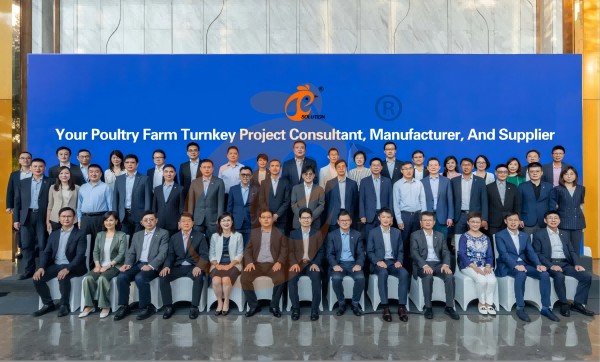
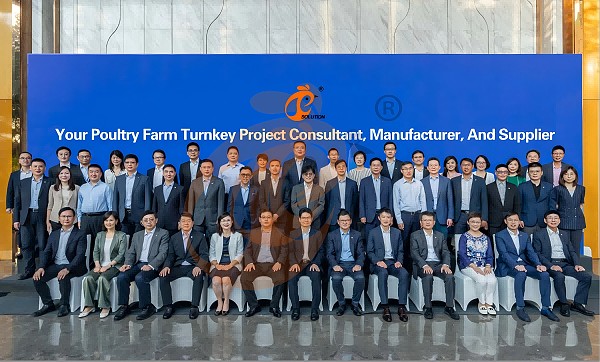
Hong Kong Headquarter Management Team
Hong Kong Headquarter Taiyu Industrial Group CO., LTD
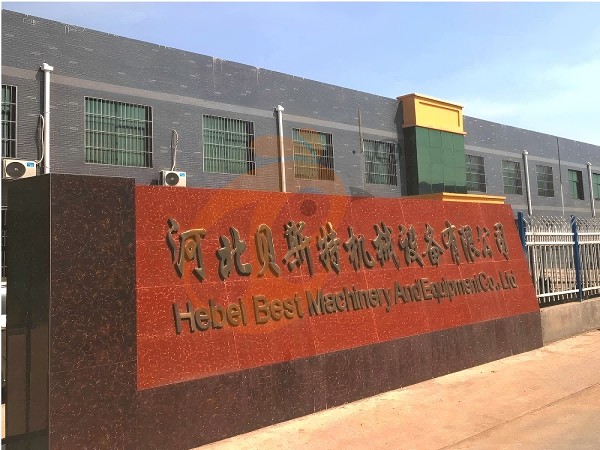
China Hebei Best Machinery And Equipment CO., LTD
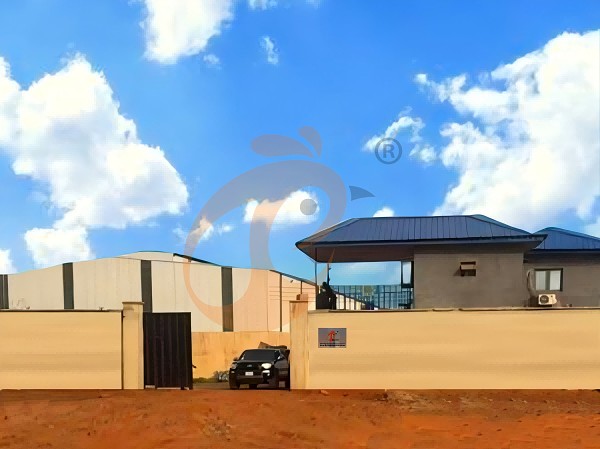
Nigeria Vanke Machinery And Equipment CO., LTD
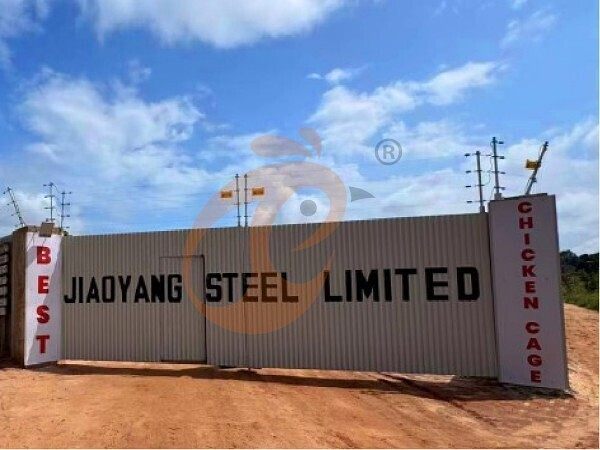
Tanzania Best Machinery And Equipment CO., LTD
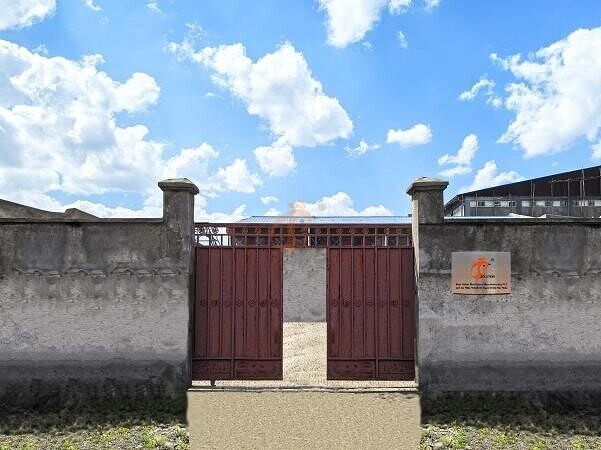
Ethiopia Best Hebei Machinery Manufacturing PLC
Reception /24 WhatsApp NO. : +8618830120193
PRODUCTS RECOMMENDED
 China Branch Manufacture Poultry Farm EquipmentRead More
 Ethiopia Branch Manufacture Poultry Farm EquipmentRead More
 Nigeria Branch Manufacture Poultry Farm EquipmentRead More
 Tanzania Branch Manufacture Poultry Farm EquipmentRead More
 IoT Smart Poultry FarmRead More
 >30,000 Layers Automatic H Type Battery CageRead More
 10,000 - 30,000 Layers Automatic A Type Battery CageRead More
MESSAGE