

BLOG
Pralson feeders are widely used in industrial dosing and material transport systems requiring stable and measurable output control across continuous production environments.
Feed volume adjustment ensures precise synchronization between raw material delivery and downstream processing demand in automated manufacturing lines.
System tuning supports consistent discharge behavior while adapting to variations in particle dynamics and mechanical load conditions.
Accurate calibration improves long-term operational stability by aligning theoretical throughput with real measured output.
Explains structured adjustment steps, system control methods, and optimization practices for Pralson Feeders in industrial applications.
Get professional poultry farm construction guidance, equipment selection solutions, and the latest price lists, whatsApp to +8618830120193, click to learn more:
Understanding Feed Volume In Pralson Feeders
Feed volume represents controlled discharge quantity generated through screw rotation and mechanical displacement in Pralson Feeders systems.
Accurate regulation ensures stable mass transfer and consistent process output across production cycles.
Data is for reference only. Swipe horizontally to view full table.
Evaluate Current Feeding Performance
Performance evaluation ensures system output matches expected production targets in pralson feeders volumetric dosing system.
Data comparison identifies deviation sources and supports corrective adjustment strategies.
Data is for reference only. Swipe horizontally to view full table.
Adjust Screw Speed Carefully
Screw speed directly controls throughput behavior in industrial screw feeding machine equipment systems.
Controlled adjustment ensures smooth material flow without disrupting downstream stability.
Data is for reference only. Swipe horizontally to view full table.
Analyze Material Characteristics
Material behavior significantly influences feeding consistency in pralson feeders systems.
Changes in physical structure require recalibration of system parameters for stable output.
Data is for reference only. Swipe horizontally to view full table.
Maintain Stable Material Supply
Step 1: Maintain hopper level within 65%–85% to ensure continuous gravitational feeding into the screw section.
Step 2: Control inlet flow variation within 2%–5% to prevent irregular loading and output pulsation.
Step 3: Monitor inlet pressure and keep it below 0.15 Bar to avoid surging and air interference in material flow.
Step 4: Set refill cycle between 35–60 minutes depending on production rate from 450 to 800 Kg/Hr.
Step 5: Verify auger intake consistency by checking torque stability variation within ±3% during operation.
System Effect: Improves continuous feeding stability and reduces long-term calibration drift in pralson feeders systems.
Verify Hopper Conditions
Hopper configuration directly affects continuity and stability of pralson feeders volumetric dosing system output.
Stable gravity flow ensures uninterrupted feeding performance.
Data is for reference only. Swipe horizontally to view full table.
Calibrate The Feeder Regularly
Calibration ensures alignment between system output signals and real material discharge in industrial screw feeding machine equipment.
Routine calibration minimizes cumulative deviation in long-term operation.
Data is for reference only. Swipe horizontally to view full table.
Five Practical Optimization Tips
Apply Gradual Adjustment Strategy
Small parameter changes improve stability in pralson feeders volumetric dosing system.
Avoid sudden configuration shifts to prevent output fluctuation.
Data is for reference only. Swipe horizontally to view full table.
Monitor Mechanical Wear Components
Mechanical stability strongly influences long-term accuracy in industrial screw feeding machine equipment.
Data is for reference only. Swipe horizontally to view full table.
Cost Optimization Benefits
Accurate feed volume control reduces production deviation and improves system efficiency.
Annual operational savings may range from $5,500 to $19,200 depending on production scale.
European union standard reference only.
Data is for reference only. Swipe horizontally to view full table.
Frequently Asked Questions
Q1: What causes feed output instability in pralson feeders?
Feed instability is commonly caused by screw wear, inconsistent inlet pressure, or changes in particle compressibility.
Typical variation ranges between 1.8% and 4.5% depending on system configuration and material type.
Regular inspection every 30 operating days ensures stable volumetric output and prevents long-term deviation.
Q2: How does motor frequency affect feeding accuracy?
Motor frequency directly influences screw rotation speed and material displacement rate.
A 5 Hz change can result in approximately 6% output variation in medium-density materials.
Proper frequency calibration ensures stable discharge within ±2% accuracy range.
Q3: Is hopper design important for stable feeding?
Hopper geometry significantly impacts gravity flow efficiency and material uniformity.
Improper angle selection may reduce flow rate efficiency by up to 18% in fine particle materials.
Optimized design ensures continuous feeding without interruption or bridging issues.
Taiyu (HK) Group - One Of China Largest Pralson Feeders Exporter
Pralson feeders engineered for precise volumetric control and stable industrial material handling performance.
Global factory direct manufacturing system providing cost-effective production solutions worldwide.
Advanced poultry equipment integration supporting automated feeding and processing system development.
Turn-key engineering services covering system design, installation, commissioning, and technical support.
- International export capability delivering customized feeder systems with strict quality assurance standards.
Contact Us To Received Your Customized Poultry Farm Plan
Headquarters And Branchs
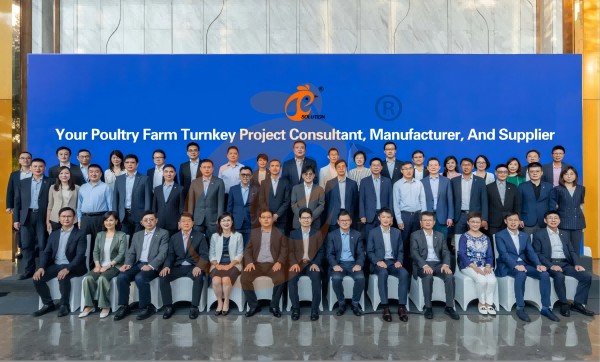
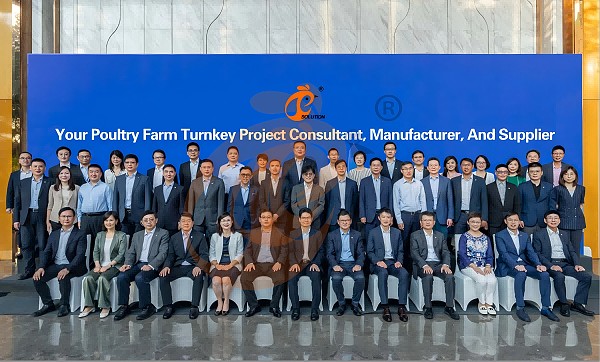
Hong Kong Headquarter Management Team
Hong Kong Headquarter Taiyu Industrial Group CO., LTD
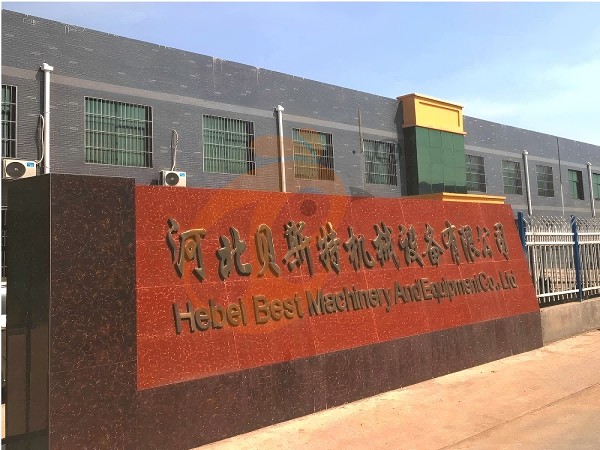
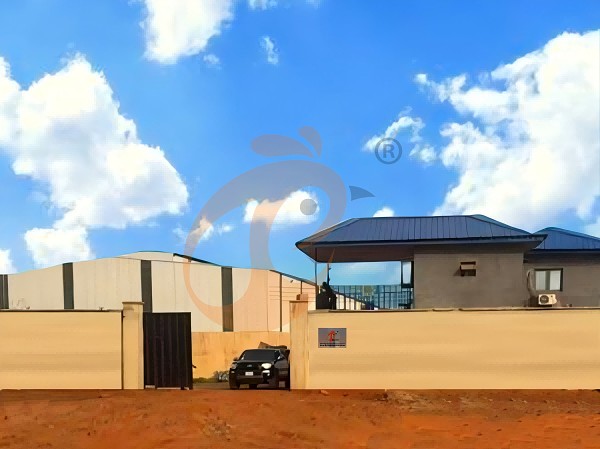
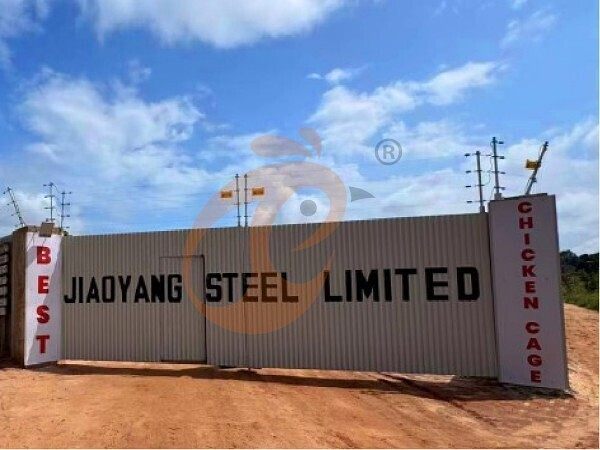
China Hebei Best Machinery And Equipment CO., LTD
Nigeria Vanke Machinery And Equipment CO., LTD
Tanzania Best Machinery And Equipment CO., LTD
Ethiopia Best Hebei Machinery Manufacturing PLC

Reception /24 WhatsApp NO. : +8618830120193
PRODUCTS RECOMMENDED
 China Branch Manufacture Poultry Farm EquipmentRead More
 Ethiopia Branch Manufacture Poultry Farm EquipmentRead More
 Nigeria Branch Manufacture Poultry Farm EquipmentRead More
 Tanzania Branch Manufacture Poultry Farm EquipmentRead More
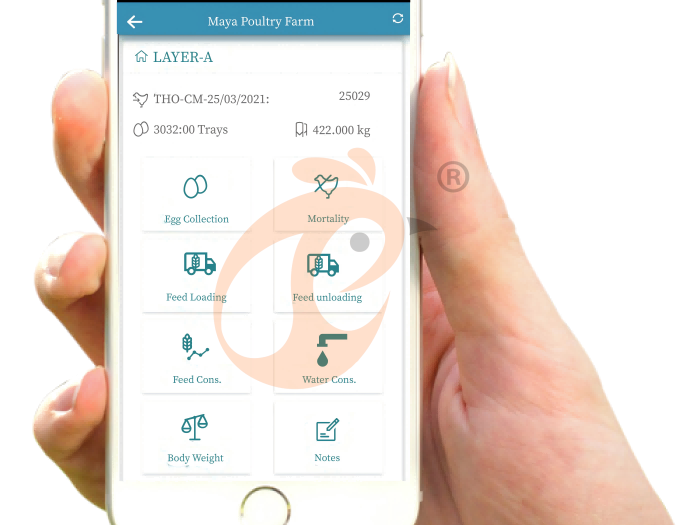
 IoT Smart Poultry FarmRead More
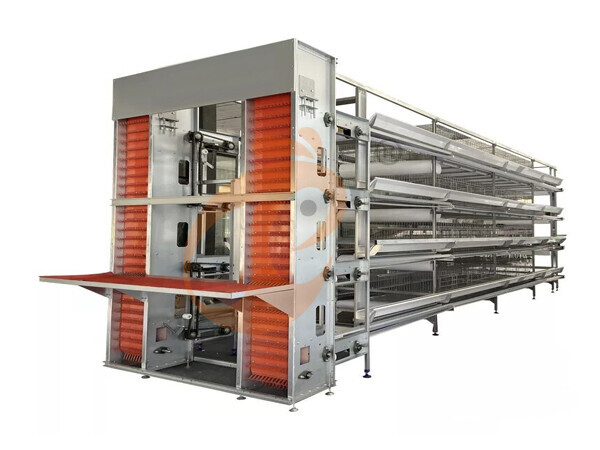
 >30,000 Layers Automatic H Type Battery CageRead More
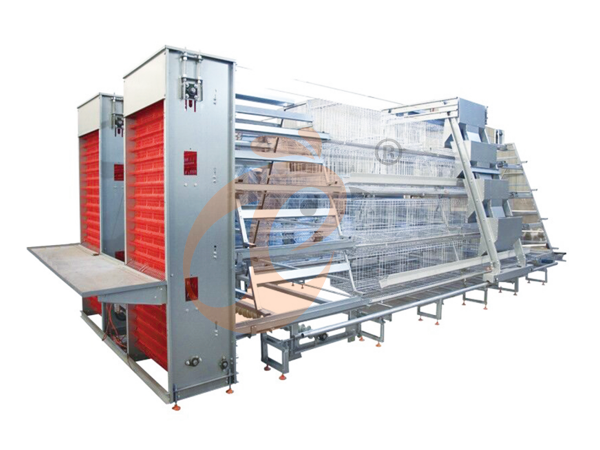
 10,000 - 30,000 Layers Automatic A Type Battery CageRead More

MESSAGE