

BLOG
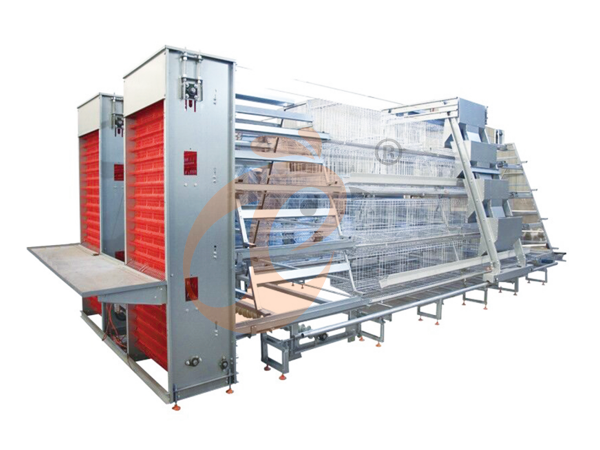
Manure system installation tutorial focuses on automatic manure removal system for poultry farms, improving efficiency, hygiene, and operational consistency in high-density housing environments.
Automated belt manure systems ensure stable manure transport capacity ranging from 800 to 1200 kg per day per 10000 birds.
Precision-engineered components such as belts, rollers, and drive units deliver controlled operation with minimal deviation and consistent manure discharge performance.
Installation procedures integrate mechanical alignment, electrical configuration, and operational calibration to ensure long service life and reduced maintenance frequency.
- Modern poultry manure equipment supports environmental compliance by reducing ammonia emissions to 10–15 ppm under standard ventilation conditions.
Get professional poultry farm construction guidance, equipment selection solutions, and the latest price lists, whatsApp to +8618830120193, click to learn more:
Introduction To Manure System Installation
A manure removal system is a core operational module in modern poultry farming, especially in cage-based layer and broiler houses.
Its installation quality directly influences manure drying rate, ammonia emission, labor input, and disease control efficiency.
This tutorial expands on practical installation procedures, integrates quantitative farm parameters, and focuses on the core product—automatic manure belt systems—used in high-density poultry houses.
Each section is logically connected to ensure that readers can move from theory to execution without gaps.
System Configuration And Product Structure Overview
A standard manure system consists of coordinated mechanical and electrical subsystems designed for continuous operation.
The system must match poultry house dimensions, bird density, and manure output per day.
Data is for reference only.Swipe horizontally to view full table.
The configuration must be selected based on manure volume per 10000 birds, typically ranging from 800–1200 kg per day.
Poultry House Data Matching Before Installation
Before installation begins, system parameters must be aligned with farm production data.
This ensures that the manure removal capacity matches actual output.
Data is for reference only.Swipe horizontally to view full table.
Incorrect parameter matching often results in insufficient transport capacity or excessive system load.
Support Frame Installation And Structural Accuracy
The support frame defines the installation baseline for all moving components.
Deviation in frame geometry directly affects belt tracking and load distribution.
Data is for reference only.Swipe horizontally to view full table.
Frames should be fixed using expansion bolts with stable torque to ensure long-term structural stability.
Manure Belt Installation And Tension Control
The manure belt is the primary transport medium and must be installed with uniform tension.
Improper tension leads to deviation, wear, or tearing during operation.
Data is for reference only.Swipe horizontally to view full table.
After installation, the belt should be manually rotated for at least 10 full cycles to confirm smooth tracking.
Drive Motor And Gearbox Integration
The drive unit provides continuous power and determines system efficiency.
Alignment and load matching are critical to avoid mechanical losses.
Data is for reference only.Swipe horizontally to view full table.
A mismatch between motor power and manure load can increase energy consumption by 15%–25%.
Roller And Guiding System Installation
Rollers maintain belt stability and prevent lateral movement during operation.
Their spacing and alignment must be consistent throughout the system.
Data is for reference only.Swipe horizontally to view full table.
Galvanized rollers with anti-corrosion coating are recommended for high-humidity poultry environments.
Scraper System Setup And Calibration
Scrapers remove residual manure from the belt surface to maintain hygiene and efficiency.
Proper calibration ensures effective cleaning without damaging the belt.
Data is for reference only.Swipe horizontally to view full table.
Scraper blades should be inspected after the first 72 hours of operation for wear patterns.
Electrical Control System Installation
The electrical system controls operation cycles and ensures safe performance.
Automation improves consistency and reduces labor dependency.
Data is for reference only.Swipe horizontally to view full table.
Timers are typically set to run the system 2–4 times per day depending on manure accumulation rate.
System Testing And Operational Validation
Testing ensures that all components function as an integrated system.
Both no-load and load conditions must be evaluated.
Data is for reference only.Swipe horizontally to view full table.
Any abnormal vibration or noise indicates alignment or installation issues that must be corrected immediately.
Common Installation Problems And Solutions
Installation errors often occur due to misalignment, incorrect parameter settings, or material defects.
Belt deviation exceeding 2 mm caused by uneven frame alignment or roller offset requires re-leveling and roller repositioning.
Motor temperature exceeding 75°C caused by overload or insufficient ventilation requires load adjustment and airflow improvement.
Residual manure thickness above 3 mm on belt caused by incorrect scraper angle requires recalibration to 30–45 degrees.
Noise above 70 dB caused by shaft misalignment requires tightening bolts to 45–60 Nm and realignment.
Operational Optimization For Poultry Farms
Fine adjustments after installation can significantly improve system performance.
Data is for reference only.Swipe horizontally to view full table.
Increasing cleaning frequency from 2 to 4 times per day can reduce ammonia concentration by approximately 20–30%.
Scientific Perspective: Manure Removal And Poultry Health
Manure accumulation is a primary source of ammonia in poultry houses.
When concentration exceeds 25 ppm, feed intake reduction can reach 5%–10% and growth rate decreases accordingly.
Efficient manure systems reduce ammonia levels to 10–15 ppm, improving feed conversion ratio by approximately 0.05–0.1.
This improvement translates into measurable economic gains in large-scale poultry production systems.
Maintenance Plan After Installation
Regular maintenance ensures stable long-term operation and reduces unexpected downtime.
Data is for reference only.Swipe horizontally to view full table.
Routine checks should include belt tension, roller rotation, and electrical connections.
Cost Structure And Investment Analysis
Understanding cost distribution helps optimize investment and improve return.
For a poultry house with 20000 birds, total system cost ranges from 6000–12000 USD depending on configuration and automation level (European union standard reference only).
Data is for reference only.Swipe horizontally to view full table.
Frequently Asked Questions
Q: What is the standard installation time for a poultry manure system?
A: Installation for a 20000 bird house typically requires 2–4 days with a team of 4 workers, depending on structure complexity and system length.
Q: How to prevent belt deviation after installation?
A: Maintain frame level within ±5 mm, ensure roller alignment within 2 mm tolerance, and set belt tension between 180–260 N to stabilize operation.
Q: What is the recommended cleaning frequency per day?
A: Cleaning frequency of 2–4 times per day is recommended, supporting manure removal capacity of 800–1200 kg and maintaining ammonia levels below 15 ppm.
Taiyu (HK) Group - One Of China Largest Manure Belt System Manufacturer
Automatic manure belt system designed for poultry farms with precise transport capacity and stable operation performance.
Global factory direct supply ensures controlled cost structure and consistent product quality standards.
Full range poultry equipment integration including feeding, drinking, and ventilation systems available.
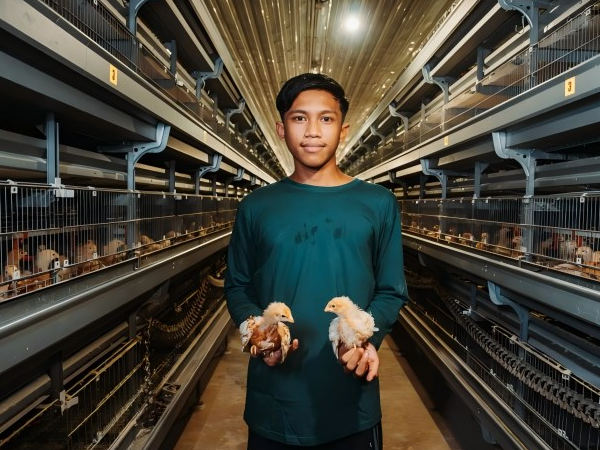
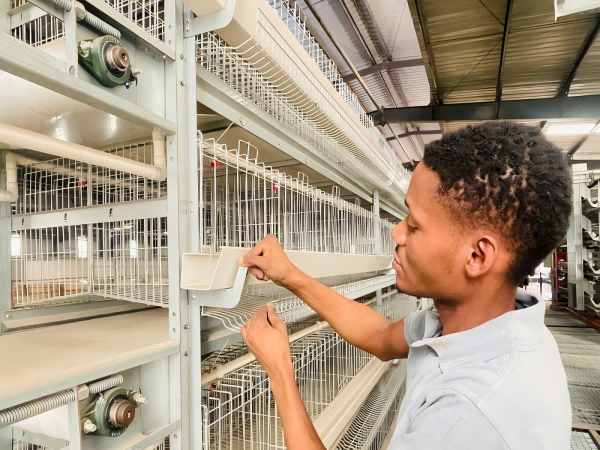
Advanced poultry cage systems compatible with multi-tier manure removal configurations.
Turn-key poultry farm engineering solutions covering design, installation, and operational training.
Contact Us To Received Your Customized Poultry Farm Plan
Headquarters And Branchs
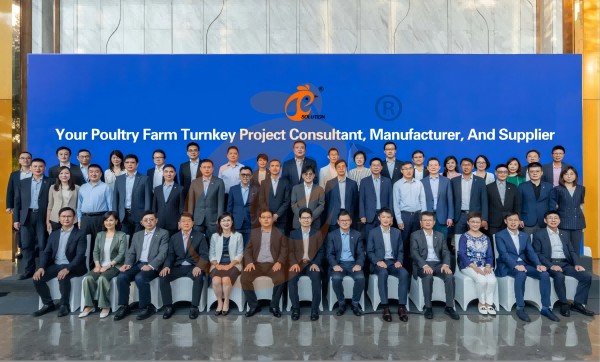
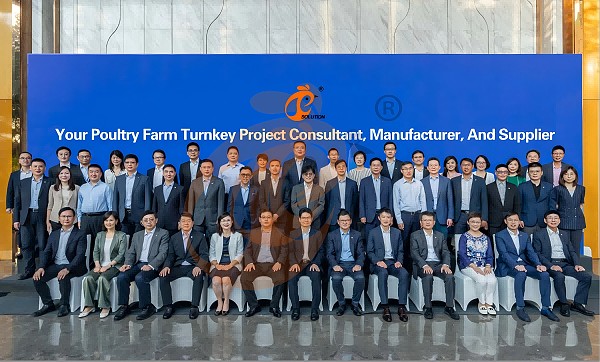
Hong Kong Headquarter Management Team
Hong Kong Headquarter Taiyu Industrial Group CO., LTD
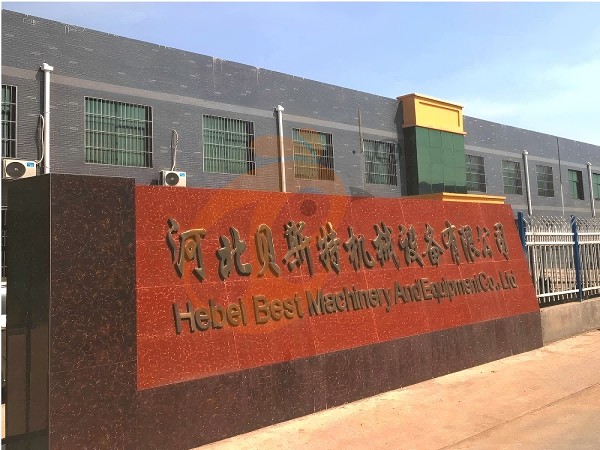
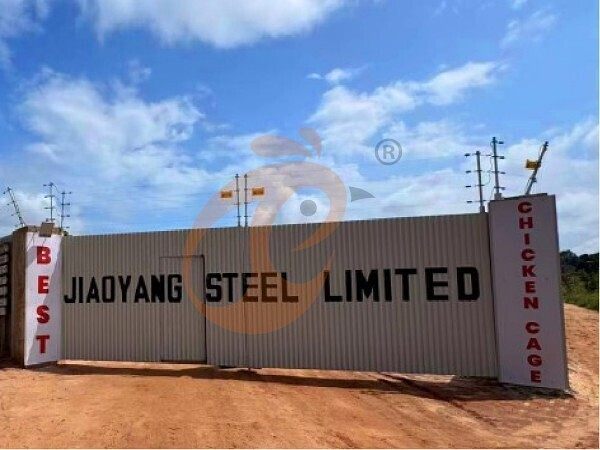
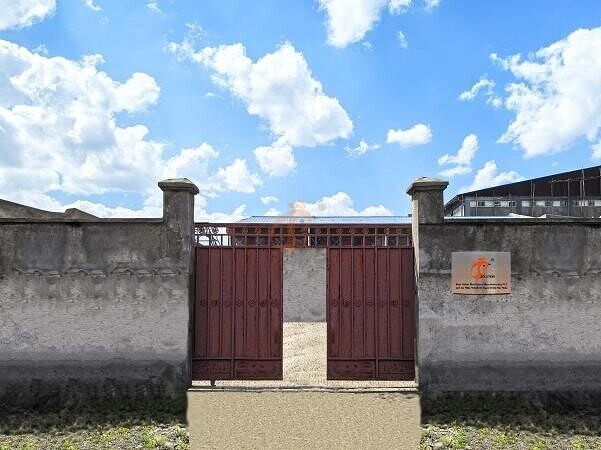
China Hebei Best Machinery And Equipment CO., LTD
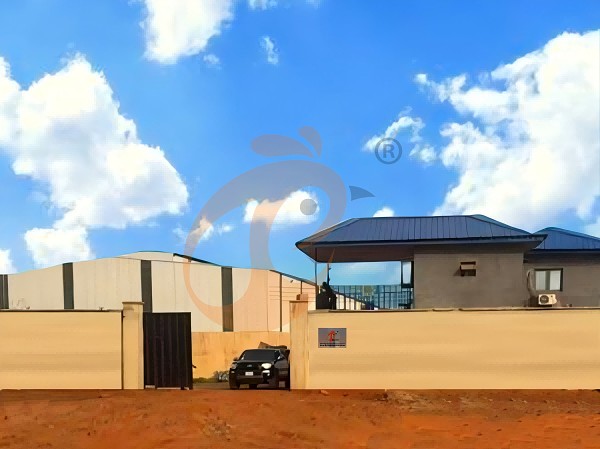
Nigeria Vanke Machinery And Equipment CO., LTD
Tanzania Best Machinery And Equipment CO., LTD
Ethiopia Best Hebei Machinery Manufacturing PLC
Reception /24 WhatsApp NO. : +8618830120193
PRODUCTS RECOMMENDED
 China Branch Manufacture Poultry Farm EquipmentRead More
 Ethiopia Branch Manufacture Poultry Farm EquipmentRead More
 Nigeria Branch Manufacture Poultry Farm EquipmentRead More
 Tanzania Branch Manufacture Poultry Farm EquipmentRead More
 IoT Smart Poultry FarmRead More
 >30,000 Layers Automatic H Type Battery CageRead More
 10,000 - 30,000 Layers Automatic A Type Battery CageRead More
MESSAGE