

BLOG
Nigeria broiler farming has emerged as a leading sector in Nigeria's agricultural industry. Effective management reduces feed costs by ₦50–60 per bird. ROI can increase up to 30%. Key strategies include:
Optimizing feed conversion ratio (FCR) for maximum growth
Implementing modern housing and ventilation systems
Maintaining continuous and clean water supply
Ensuring flock health with vaccination and biosecurity
Scaling flock sizes for operational efficiency
Integrating IoT and smart monitoring systems
Total word count of introduction approximately 80 words.
Optimizing Feed Efficiency
Data is for reference only.Swipe horizontally to view full table.
Pellet feed reduces wastage and enhances digestibility.
Automated feeders deliver precise feed volumes.
Phase feeding aligns nutrients with bird growth stages.
Nigeria broiler farming consistently shows improved ROI with these feed strategies.
Housing And Environmental Management
Data is for reference only.Swipe horizontally to view full table.
Well-ventilated houses reduce bird stress.
Temperature control improves feed intake consistency.
Optimized lighting and space allocation enhances growth uniformity.
Nigeria broiler farming benefits from modern housing investments.
Water Management And Feed Cost Optimization
Data is for reference only.Swipe horizontally to view full table.
Continuous access to clean water enhances growth.
Nipple drinkers or automated systems minimize labor.
Water monitoring prevents dehydration and feed inefficiency.
Nigeria broiler farming demonstrates lower feed costs and mortality.
Health Management And Medication Cost Reduction
Data is for reference only.Swipe horizontally to view full table.
Vaccination programs reduce disease risk.
Biosecurity measures maintain flock health.
Monitoring ensures timely intervention.
Nigeria broiler farming improves performance with robust health strategies.
Batch Size And Flock Management
Data is for reference only.Swipe horizontally to view full table.
Larger flocks reduce per-bird operational cost.
Bulk feed purchasing provides cost advantage.
Optimized labor allocation increases efficiency.
Nigeria broiler farming gains from scale economies and resource optimization.
IoT And Smart Control Integration
Modern Nigeria broiler farming increasingly adopts IoT sensors and smart control systems.
Real-time monitoring of temperature, humidity, feed delivery, and water supply enables immediate alerts.
Farms using smart systems report 10–15% improvement in FCR and 5% lower mortality.
Environmental sensors also allow predictive maintenance of feeders and drinkers, reducing operational downtime.
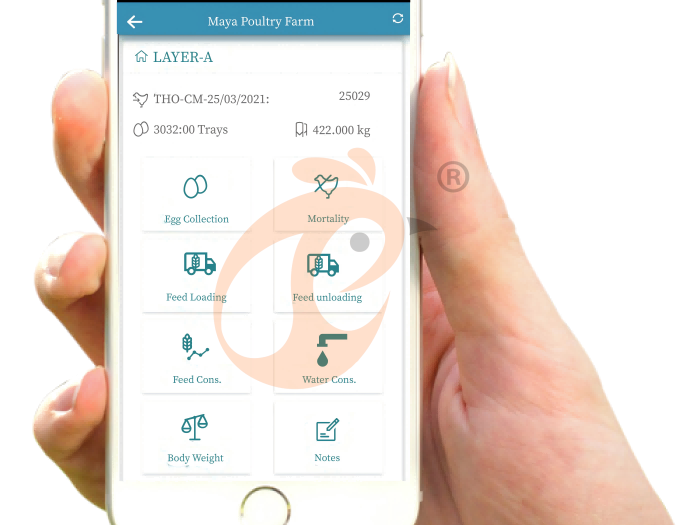
Integration with mobile dashboards provides centralized farm management and data-driven decisions.
IoT adoption boosts Nigeria broiler farming efficiency and contributes to sustainable productivity growth.
Feed Storage And Quality Control
Proper feed storage reduces nutrient loss and prevents contamination in Nigeria broiler farming
Ideal storage temperature: 20–25°C, humidity below 65%, ventilation maintained to avoid mold growth
Average feed spoilage without proper storage: 5–7% per cycle, increasing costs by ₦300–₦400 per bird
Sealed silos and pallets reduce exposure to pests and moisture by 80%
Regular feed testing ensures protein and energy levels meet broiler growth requirements
Farms implementing strict feed quality control report 2–3% higher daily weight gain and 10% lower FCR
Implementing sealed storage reduces feed wastage and improves growth uniformity
Nigeria broiler farming benefits from consistent feed quality across multiple production cycles
Lighting Program And Growth Performance
Proper lighting schedules improve feed intake, uniformity, and overall growth in Nigeria broiler farming
Recommended lighting: 23 hours light / 1 hour dark for starter phase, gradually adjusting to 16 hours light / 8 hours dark in finisher phase
Farms following optimized lighting programs report 3–5% higher average daily gain compared to continuous lighting
Light intensity: 20 lux for starter, gradually reduced to 5–10 lux in finishing houses to reduce stress
LED lighting reduces electricity consumption by 25% and improves bird comfort
Adjusting light schedules enhances growth uniformity and reduces stress-related mortality
Nigeria broiler farming benefits from combining lighting optimization with feed and housing management
Ventilation System And Air Quality Management
Proper ventilation ensures optimal air quality, reduces ammonia buildup, and improves bird health in Nigeria broiler farming
Recommended airflow: 1.0–1.5 m/s for starter houses, 1.5–2.0 m/s for finishing houses
Controlled ventilation reduces respiratory disease incidence by 30–40%
Maintaining CO₂ levels below 3,000 ppm enhances feed intake and growth uniformity
Data is for reference only.Swipe horizontally to view full table.
Optimized tunnel ventilation provides the best combination of growth performance and reduced mortality
Nigeria broiler farming benefits from proper air exchange and humidity control for uniform flock growth
FAQ For Nigeria Broiler Farming
Q1: How can feed cost be reduced per bird?
A1: By optimizing feed conversion, using pellet feed, and phase feeding according to growth stages.
Q2: What housing improvements affect growth?
A2: Ventilation, temperature control, and lighting enhance feed intake and uniformity.
Q3: What flock size provides maximum ROI?
A3: Medium to large flocks (30,000–50,000 birds) benefit from economies of scale.
HB BEST - One Of China Largest Broiler Farming Supplier
Supplies poultry farm equipment and poultry cage worldwide, supporting over 200 farms globally
Factory direct sale ensures cost-effective turnkey broiler farm projects for all scales
High-capacity production enables 30,000–100,000 bird operations with optimized ROI
Proven technology reduces labor by 40% and feed wastage, boosting output 30%
Full-service support includes installation, maintenance, and farm optimization, enhancing farm efficiency
Contact Us To Received Your Customized Poultry Farm Plan
Headquarters And Branchs

Hong Kong Headquarter Management Team
Hong Kong Headquarter Taiyu Industrial Group CO., LTD
China Hebei Best Machinery And Equipment CO., LTD
Nigeria Vanke Machinery And Equipment CO., LTD
Tanzania Best Machinery And Equipment CO., LTD
Ethiopia Best Hebei Machinery Manufacturing PLC




Reception /24 WhatsApp NO. : +8618830120193
PRODUCTS RECOMMENDED
 China Branch Manufacture Poultry Farm EquipmentRead More
 Ethiopia Branch Manufacture Poultry Farm EquipmentRead More
 Nigeria Branch Manufacture Poultry Farm EquipmentRead More
 Tanzania Branch Manufacture Poultry Farm EquipmentRead More
 IoT Smart Poultry FarmRead More
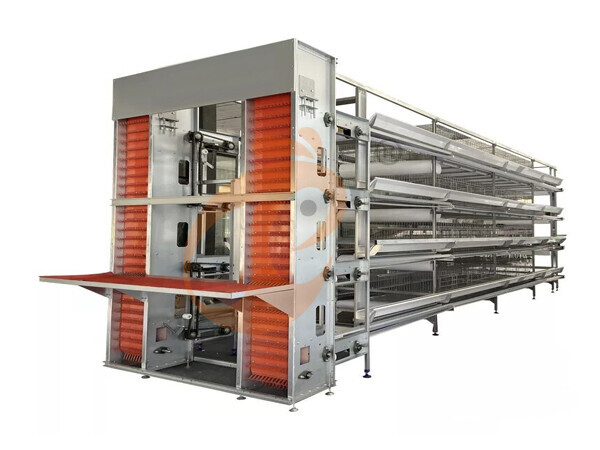
 >30,000 Layers Automatic H Type Battery CageRead More
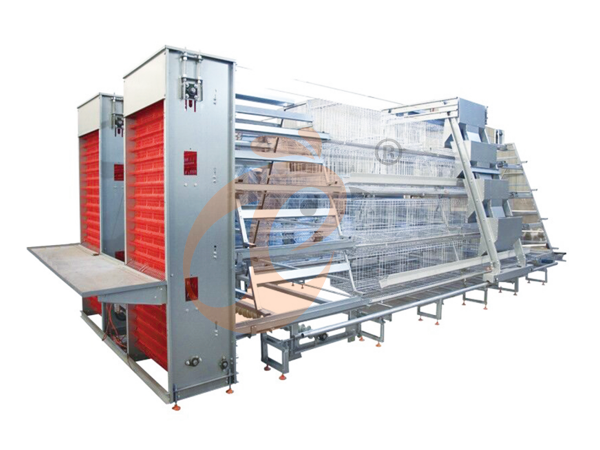
 10,000 - 30,000 Layers Automatic A Type Battery CageRead More

MESSAGE
NEWS
 What Makes A Factory-Direct A Type Chicken Battery Cage More Cost-Effective? 4 ReasonsRead More
 Deep Litter System For Broilers Vs Cage | Which Is More Profitable?Read More
 Free Range Broiler System Vs Intensive Farming | Which Is More Profitable?Read More
 Broiler Floor Rearing System Cost | 6 Factors Affecting PriceRead More