

BLOG
Automated systems improve bird growth and uniformity significantly.
Manual farms require higher labor and incur feed wastage.
Real-time monitoring reduces mortality and operational risks.
Predictive analytics ensure early disease detection in flocks.
Investment in automation accelerates ROI and output consistently.
Environmental control maintains optimal temperature, humidity, and airflow.
Precision feeding reduces waste and improves FCR efficiency.
Scalable solutions benefit farms from 10,000 to 100,000 birds.
Introduction To Nigeria Broiler Farming Automation
Nigeria broiler farming has witnessed a rapid transformation in recent years due to the adoption of automated systems.
Traditional manual practices, while still prevalent, involve high labor input and inconsistent monitoring of environmental conditions.
With automated feeding, ventilation, temperature, and manure removal systems, farms report labor savings of up to 40% and a production increase of 25–30%.
Automation also improves uniformity in bird growth, reduces mortality, and ensures optimal feed conversion ratios (FCR).
Data is for reference only. Swipe horizontally to view full table.
Labor And Production Comparison In Nigeria Broiler Farming
Labor and production metrics are compared between manual and automated farms.
Data highlights labor hours, mortality, FCR, daily weight gain, and feed wastage.
Feeding Systems In Nigeria Broiler Farming
In Nigeria broiler farming, feed management accounts for the largest operational cost, often exceeding 60% of total production expenses.
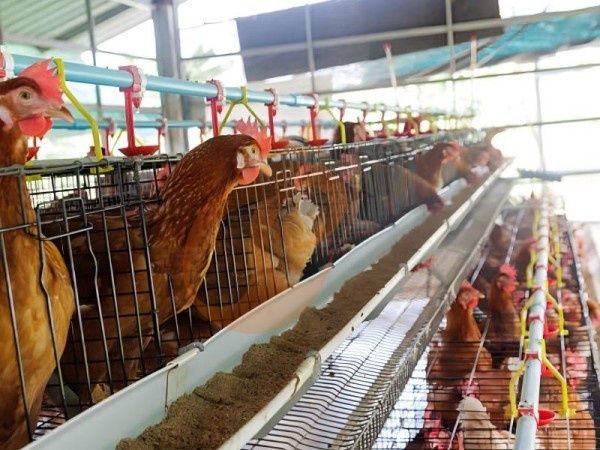
Manual feeding requires laborers to distribute feed evenly, monitor feed intake, and prevent wastage.
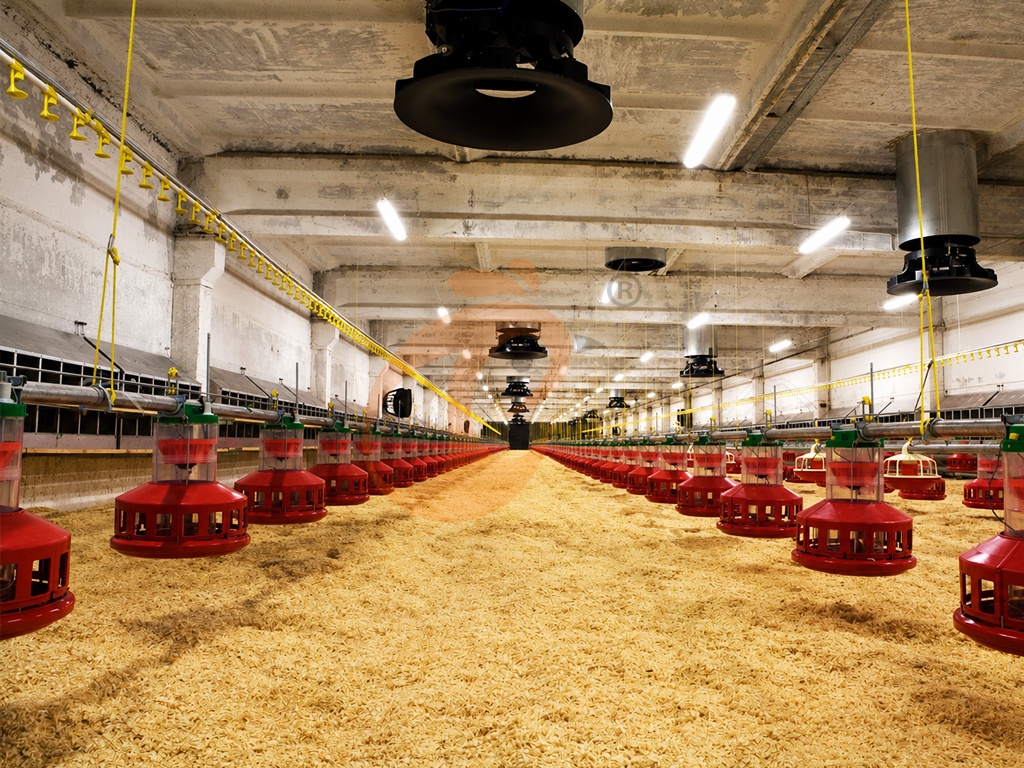
Automated feeders with sensors adjust feed volume based on bird age and consumption rates.
Data is for reference only. Swipe horizontally to view full table.
Feed Efficiency Metrics In Nigeria Broiler Farming
Daily feed intake, FCR, and feed wastage are monitored for both systems.
Improvements indicate better feed efficiency and reduced costs for automated farms.
Climate Control And Environmental Management
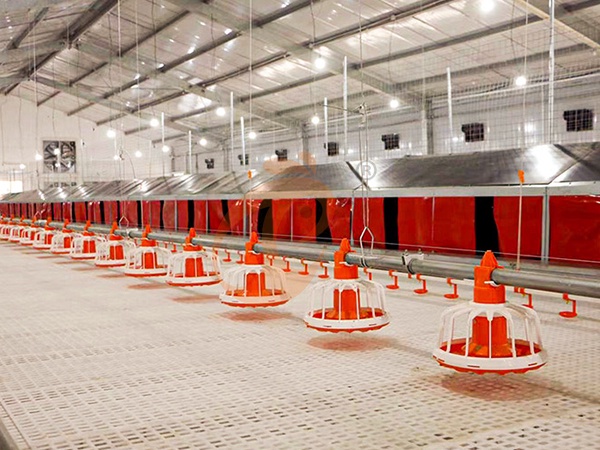
Proper ventilation, temperature, and humidity control are crucial in Nigeria broiler farming to ensure bird welfare and optimal growth.
Manual farms often rely on natural ventilation or simple fans, resulting in uneven airflow and temperature fluctuations.
Automated systems integrate IoT sensors to monitor environmental parameters in real-time, adjusting fans, heaters, and misting systems accordingly.
Data is for reference only. Swipe horizontally to view full table.
Environmental Control Metrics In Nigeria Broiler Farming
Temperature, humidity, mortality, weight uniformity, and ammonia levels are measured.
Automated farms maintain stable conditions, improving bird performance and comfort.
Water Supply And Health Management
Nigeria broiler farming faces challenges in water supply and disease prevention.
Manual watering often leads to contamination, uneven intake, and bird stress.
Automated nipple drinkers or recirculating water systems ensure continuous fresh water, reducing disease incidence and improving growth performance.
Vaccination and health monitoring can also be partially automated.
Sensors track bird activity and feed/water consumption to detect early signs of illness.
Data is for reference only. Swipe horizontally to view full table.
Water And Health Metrics In Nigeria Broiler Farming
Water intake, disease incidence, mortality, veterinary cost, and weight gain are tracked.
Automation improves hygiene and reduces operational risks.
Manure Management And Farm Hygiene
Effective manure management is critical in Nigeria broiler farming to prevent respiratory issues and maintain environmental hygiene.
Manual removal requires labor-intensive daily cleaning, whereas automated belt or conveyor systems remove droppings efficiently, keeping litter dry and reducing ammonia accumulation.
Data is for reference only. Swipe horizontally to view full table.
Manure Management Comparison In Nigeria Broiler Farming
Labor, ammonia, mortality, bird comfort, and cleaning frequency are compared.
Automated systems reduce labor and improve air quality.
Cost Analysis And Return On Investment
Nigeria broiler farming automation requires an initial capital investment for feeders, ventilation, water systems, and manure conveyors.
Labor savings, improved FCR, higher uniformity, and reduced mortality accelerate payback.
Data is for reference only. Swipe horizontally to view full table.
Cost And ROI Comparison In Nigeria Broiler Farming
Costs include labor, feed, additional revenue, total operational cost, and payback period.
Automated farms show significant savings and faster ROI.
IoT And Smart Control Systems In Nigeria Broiler Farming
Modern Nigeria broiler farming increasingly integrates IoT sensors and smart control systems to improve efficiency.
Real-time monitoring of temperature, humidity, feed intake, water supply, and ammonia levels enables instant alerts and automatic adjustments.
Google data shows farms implementing IoT smart controls reduce labor by 38–42% and achieve 28–32% higher growth output.
Predictive analytics detect anomalies early, reducing mortality and veterinary costs.
Centralized dashboards allow remote supervision and operational optimization across multiple houses simultaneously.
Scalability And Operational Efficiency In Nigeria Broiler Farming
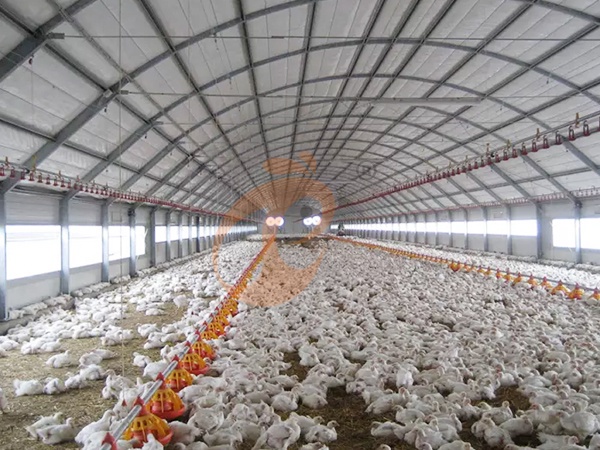
Automation allows Nigeria broiler farming to scale efficiently across large farms.
Centralized control ensures uniform feeding, climate management, and bird monitoring.
Manual farms struggle to maintain performance consistency as bird numbers increase.
Enhanced automation ensures predictable growth, improved FCR, and reduced operational costs.
Farm managers report smoother daily operations and more consistent bird health in flocks exceeding 50,000 birds.
FAQ About Nigeria Broiler Farming Automation
Q1: How much labor can automation save in Nigeria broiler farming?
A1: Automated systems reduce labor requirements by approximately 40%, allowing fewer staff to manage larger flocks efficiently.
Q2: Does automation improve feed conversion ratio?
A2: Yes, FCR improves by 12–15% through precision feeding and monitoring systems, reducing feed costs.
Q3: What is the typical ROI period for an automated broiler farm?
A3: ROI is usually achieved within 2–3 production cycles depending on farm size and system configuration.
HB BEST - One Of China Largest Broiler Farming Supplier
Supplying poultry farm equipment and poultry cage solutions worldwide.
Factory direct sale ensures cost-effective turnkey poultry farm projects.
High-capacity production supports large-scale Nigeria broiler farming operations.
Proven technology reduces labor 40% and increases output 30% globally.
Full-service support includes installation, maintenance, and farm optimization.
Contact Us To Received Your Customized Poultry Farm Plan
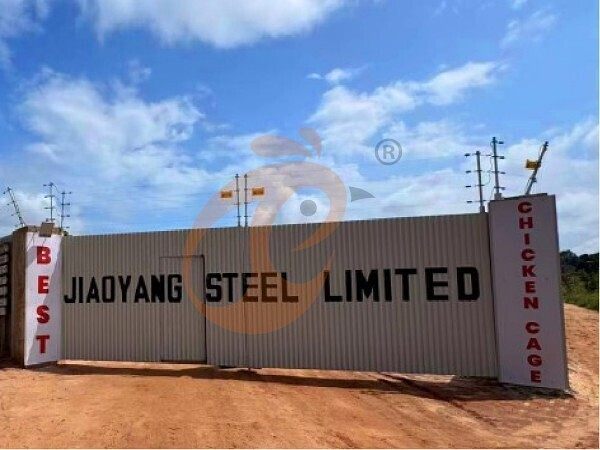
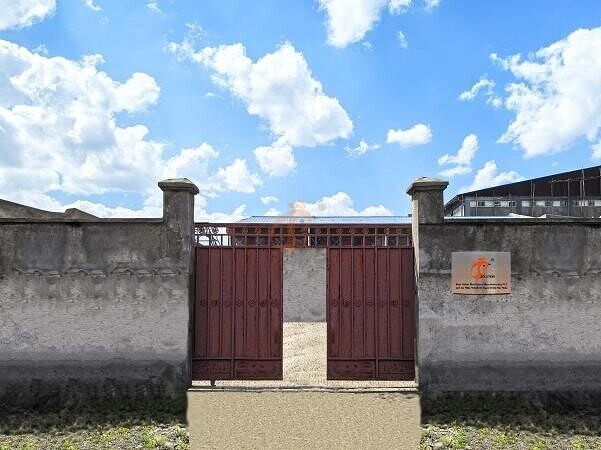
Headquarters And Branchs
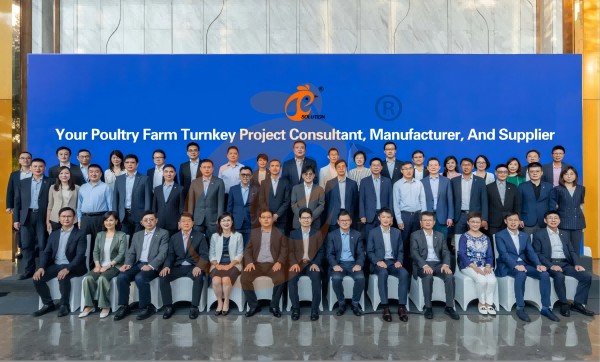
Hong Kong Headquarter Management Team
Hong Kong Headquarter Taiyu Industrial Group CO., LTD
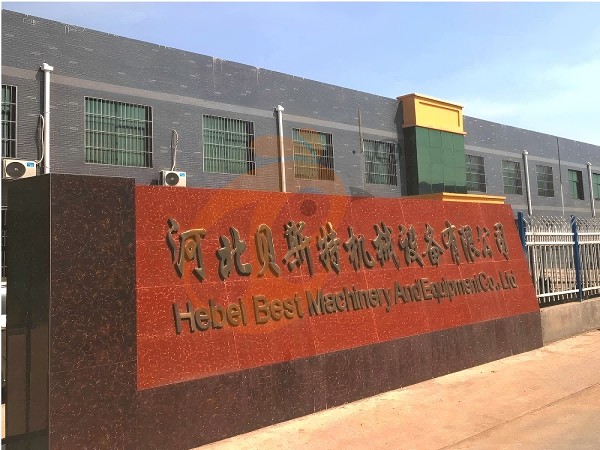
China Hebei Best Machinery And Equipment CO., LTD
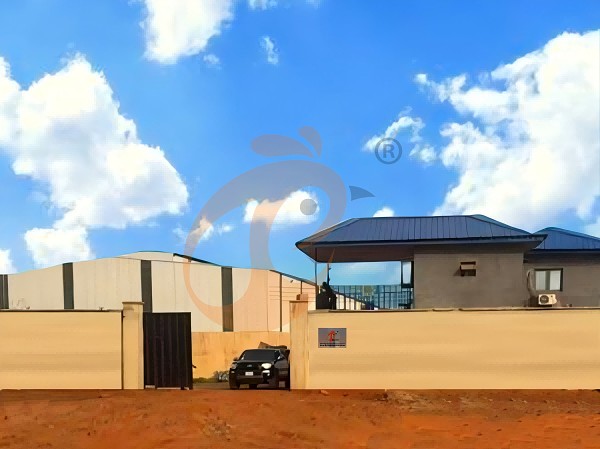
Nigeria Vanke Machinery And Equipment CO., LTD
Tanzania Best Machinery And Equipment CO., LTD
Ethiopia Best Hebei Machinery Manufacturing PLC
Reception /24 WhatsApp NO. : +8618830120193
PRODUCTS RECOMMENDED
 China Branch Manufacture Poultry Farm EquipmentRead More
 Ethiopia Branch Manufacture Poultry Farm EquipmentRead More
 Nigeria Branch Manufacture Poultry Farm EquipmentRead More
 Tanzania Branch Manufacture Poultry Farm EquipmentRead More
 IoT Smart Poultry FarmRead More
 >30,000 Layers Automatic H Type Battery CageRead More
 10,000 - 30,000 Layers Automatic A Type Battery CageRead More
MESSAGE
NEWS
 What Makes A Factory-Direct A Type Chicken Battery Cage More Cost-Effective? 4 ReasonsRead More
 Deep Litter System For Broilers Vs Cage | Which Is More Profitable?Read More
 Free Range Broiler System Vs Intensive Farming | Which Is More Profitable?Read More
 Broiler Floor Rearing System Cost | 6 Factors Affecting PriceRead More