

BLOG
Nigeria broiler farming operation benefits from rising domestic demand for affordable poultry.
Efficient feed management, proper housing, and smart environmental control minimize mortality and maximize growth.
Use of automated equipment and well‑planned cycles supports stable output per cycle.
Economic viability improves when feed conversion ratio and flock uniformity are maintained.
Housing And Stocking Density For Optimal Growth
For a 5,000–6,000 bird setup, appropriate housing and stocking density are essential to ensure healthy bird development and consistent weight gain.
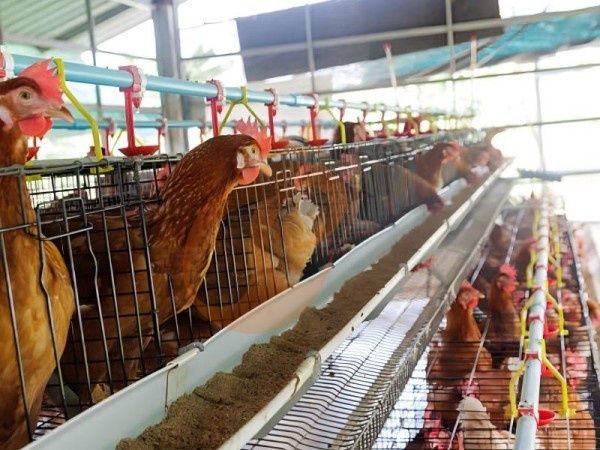
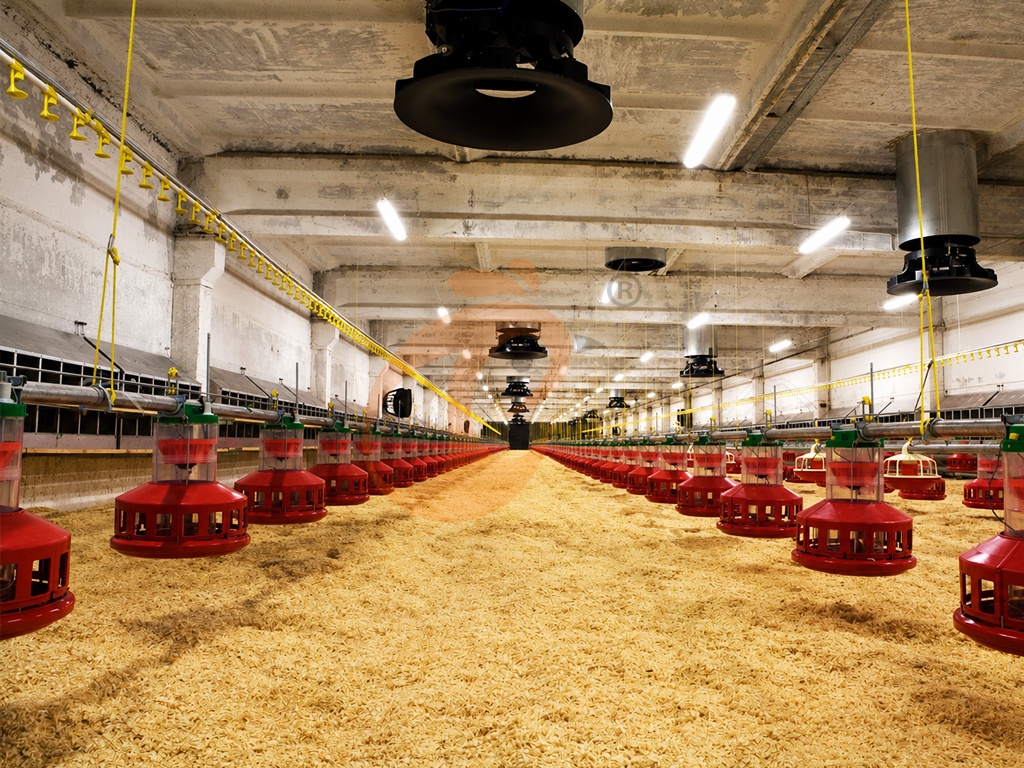
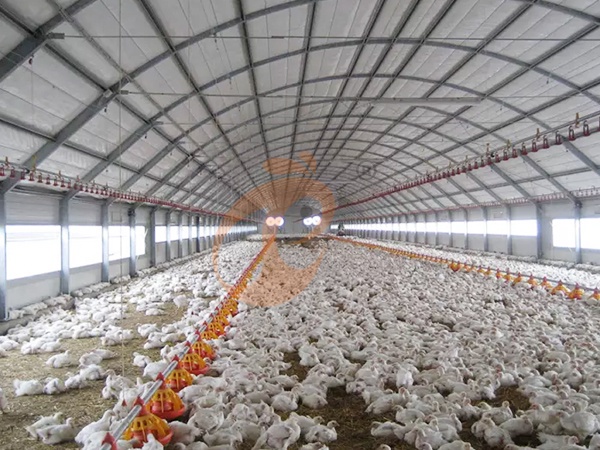
Nigeria broiler farming at this scale works well with either multi‑tier battery cages or well‑ventilated deep litter houses.
Data is for reference only. Swipe horizontally to view full table.
Feed Intake And Nutrition Schedule
Feed accounts for the majority of production cost in Nigeria broiler farming, so precision in nutrition scheduling and feed formulation is critical.
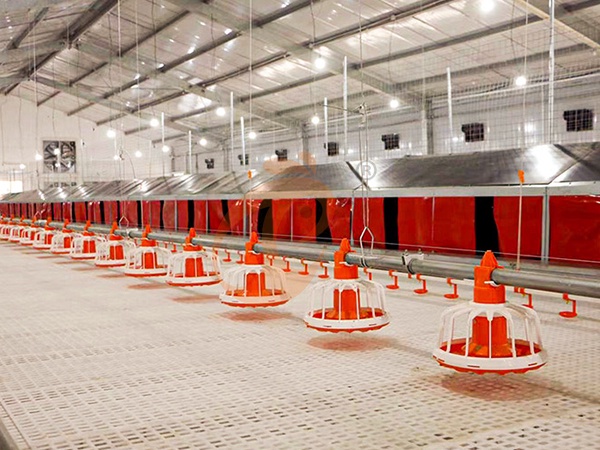
Pelletized feed helps reduce wastage and improve feed conversion ratios when managed properly.
Data is for reference only. Swipe horizontally to view full table.
Water Supply And Environmental Controls
Clean water supply and controlled environment are key for good health and performance.
Proper water-to-feed ratio, temperature, humidity, and ventilation must be monitored throughout the 6‑week cycle in Nigeria broiler farming to avoid stress, disease, and high mortality.
Data is for reference only. Swipe horizontally to view full table.
Health Management And Biosecurity Practices
Maintaining flock health is fundamental in Nigeria broiler farming.
Vaccination, strict biosecurity measures, and regular equipment sanitation significantly reduce disease risks.
Data is for reference only. Swipe horizontally to view full table.
Growth Performance Metrics And Feed Conversion Efficiency
Performance tracking is crucial.
In a well‑managed cycle of Nigeria broiler farming with 5,000–6,000 birds: keeping feed conversion ratio in target range and controlling mortality ensures operation success.
Data is for reference only. Swipe horizontally to view full table.
Lighting Programs And Activity Management For Optimal Growth
Proper lighting schedules and activity management enhance feed efficiency, growth uniformity, and welfare in Nigeria broiler farming.
Light intensity, duration, and schedule affect feeding behavior, rest, and overall weight gain.
Early phase (week 1–2): 23 hours light, 1 hour dark to encourage feeding and reduce stress.
Mid phase (week 3–4): 20 hours light, 4 hours dark to balance growth and activity.
Late phase (week 5–6): 18 hours light, 6 hours dark to improve feed efficiency and rest.
Light intensity adjusted from 30 lux (week 1) gradually to 10 lux (week 6) for uniform growth.
Data is for reference only. Swipe horizontally to view full table.
Implementing structured lighting programs improves uniformity of weight by ~8–10%.
Proper activity management reduces leg disorders and supports overall flock health in Nigeria broiler farming.
IoT And Smart Control System Integration For Enhanced Farming
Modern Nigeria broiler farming increasingly embraces IoT and smart control technologies to boost efficiency and reduce labor needs.
Studies show that IoT‑based smart poultry monitoring systems collect real‑time data on temperature, humidity, air quality, and flock behavior.
Sensor‑driven environmental monitoring enables automatic adjustment of ventilation, lighting, feeding and watering systems.
Use of smart feeders and waterers reduces wastage and ensures uniform supply based on demand, optimizing feed conversion and reducing mortality.
Farms reporting IoT integration often see efficiency gains — lower feed cost per kg produced and improved flock welfare.
Adopting IoT and smart farm equipment transforms traditional Nigeria broiler farming into a data‑driven, efficient operation.
Economic Outlook And Profitability For Medium Scale Broiler Farming
Given current feed costs, labor, and sale prices in Nigeria, a 5,000–6,000 bird cycle can remain profitable if efficiency and mortality are controlled.
Feed remains the largest cost driver.
Rising feed costs — due to imports and raw‑material inflation — challenge profitability for many.
Proper management, including efficient feed usage and minimizing losses, is essential for sustainable returns.
Frequently Asked Questions (FAQ)
Q: What is the typical mortality rate in Nigeria broiler farming?
A: With proper management, mortality is often kept between 3% and 5% per 6‑week cycle.
Q: How much feed does each bird consume over one cycle?
A: On average each bird consumes about 4.5–4.8 kg of feed during a 6‑week cycle.
Q: Does using IoT and smart systems really improve farm efficiency?
A: Yes. Smart monitoring and automated feeders/waterers help ensure stable environmental conditions and precise resource use — reducing waste and improving uniformity and health.
HB BEST – One Of China Biggest Broiler Farming Manufacturer
Worldwide poultry farm equipment supplier with direct factory sales.
Provides turnkey poultry cage systems and full poultry farm equipment.
Offers complete broiler farming solutions for medium and large scale operations worldwide.
Supplies equipment for deep litter houses, battery cages, automated feeders, drinkers, and environmental control systems.
Supports full turnkey projects including installation, training, and after‑sales maintenance for poultry operations globally.
Contact Us To Received Your Customized Poultry Farm Plan
Headquarters And Branchs

Hong Kong Headquarter Management Team
Hong Kong Headquarter Taiyu Industrial Group CO., LTD
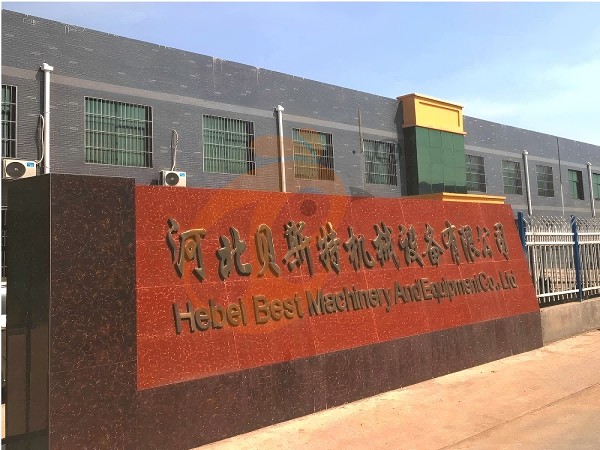
China Hebei Best Machinery And Equipment CO., LTD
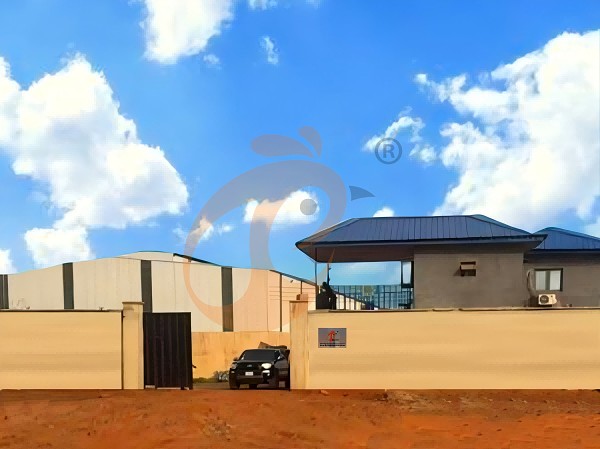
Nigeria Vanke Machinery And Equipment CO., LTD
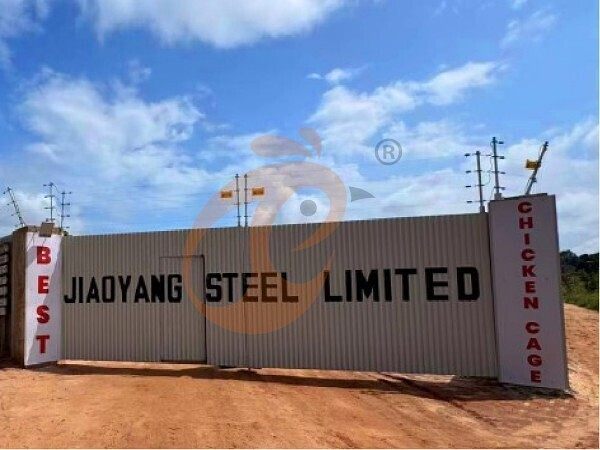
Tanzania Best Machinery And Equipment CO., LTD
Ethiopia Best Hebei Machinery Manufacturing PLC
Reception /24 WhatsApp NO. : +8618830120193
PRODUCTS RECOMMENDED
 China Branch Manufacture Poultry Farm EquipmentRead More
 Ethiopia Branch Manufacture Poultry Farm EquipmentRead More
 Nigeria Branch Manufacture Poultry Farm EquipmentRead More
 Tanzania Branch Manufacture Poultry Farm EquipmentRead More
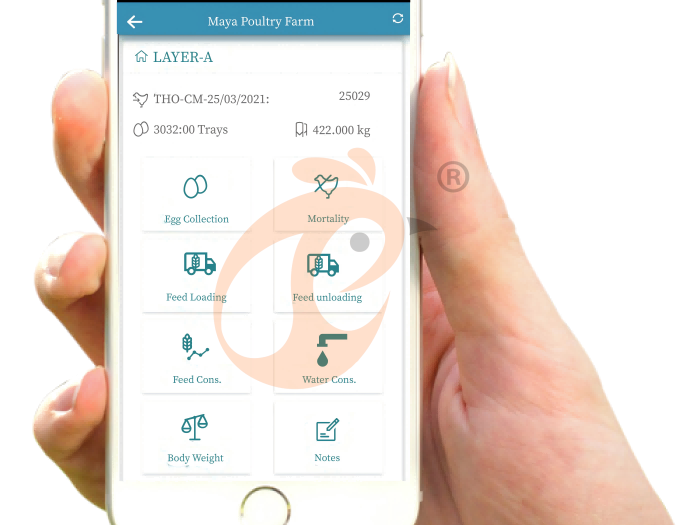
 IoT Smart Poultry FarmRead More
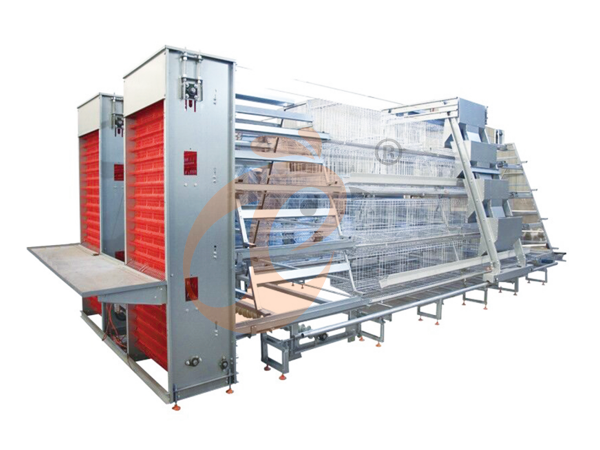
 >30,000 Layers Automatic H Type Battery CageRead More
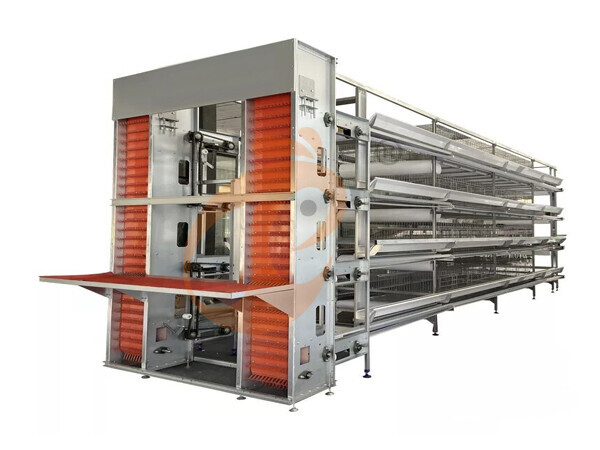
 10,000 - 30,000 Layers Automatic A Type Battery CageRead More
MESSAGE
NEWS
 What Makes A Factory-Direct A Type Chicken Battery Cage More Cost-Effective? 4 ReasonsRead More
 Deep Litter System For Broilers Vs Cage | Which Is More Profitable?Read More
 Free Range Broiler System Vs Intensive Farming | Which Is More Profitable?Read More
 Broiler Floor Rearing System Cost | 6 Factors Affecting PriceRead More