

BLOG
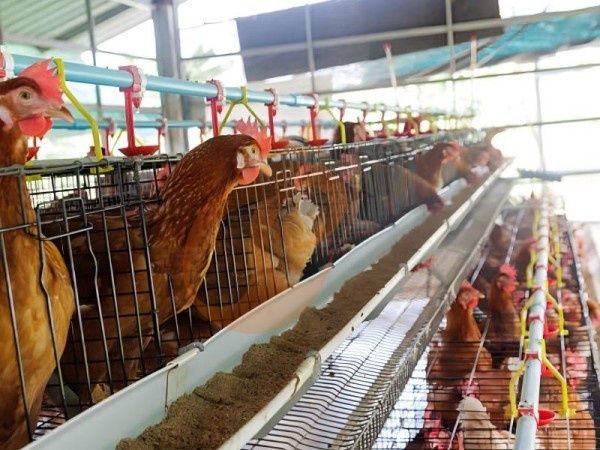
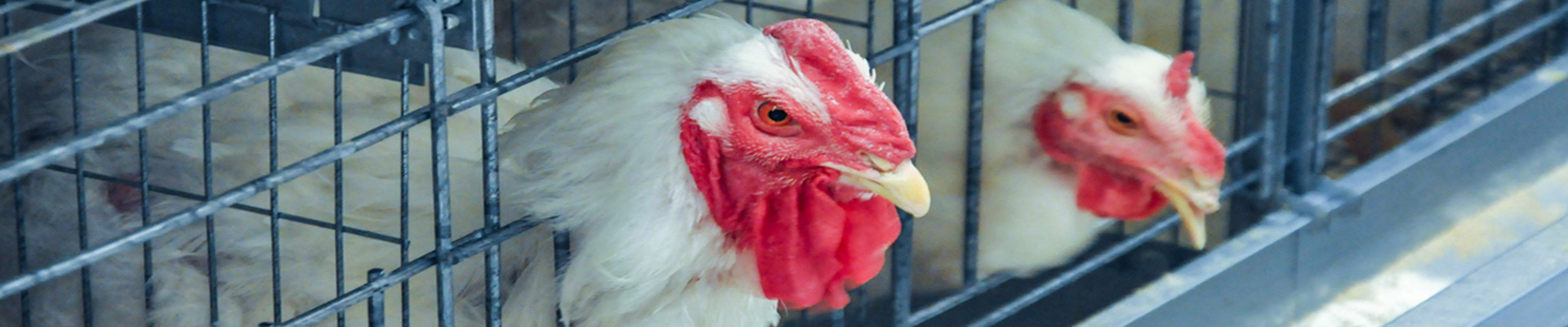
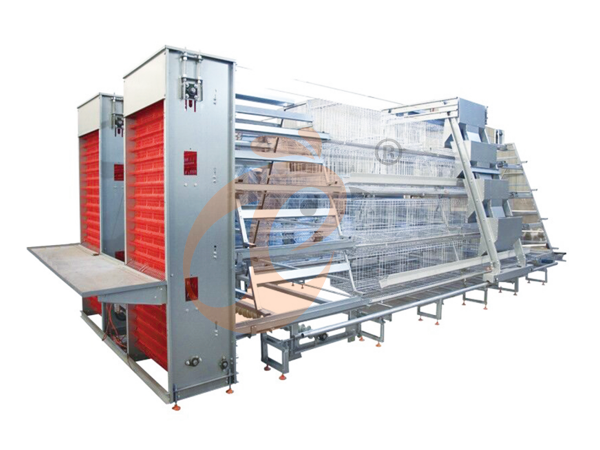
A-type chicken cage for layers improves housing efficiency, feeding access, and egg collection management in modern Ethiopian poultry farms.
Ethiopian egg demand continues increasing in cities such as Addis Ababa and Adama due to population growth and nutrition awareness.
Many farms shift from traditional systems toward organized poultry housing to improve egg output stability.
Combining structured cages, balanced nutrition, water management, and disease prevention creates measurable production improvement.
Get professional poultry farm construction guidance, equipment selection solutions, and the latest price lists, whatsApp to +8618830120193, click to learn more:

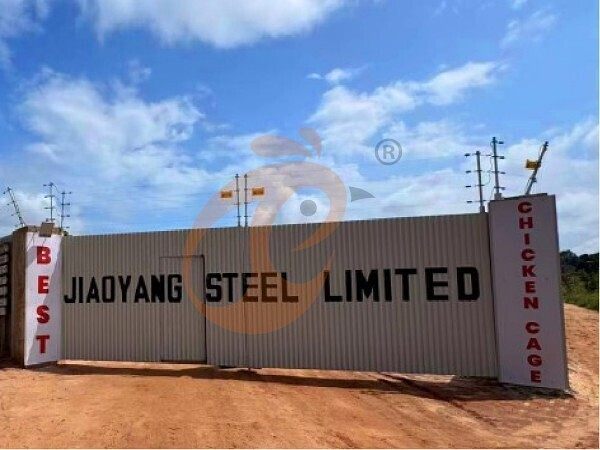
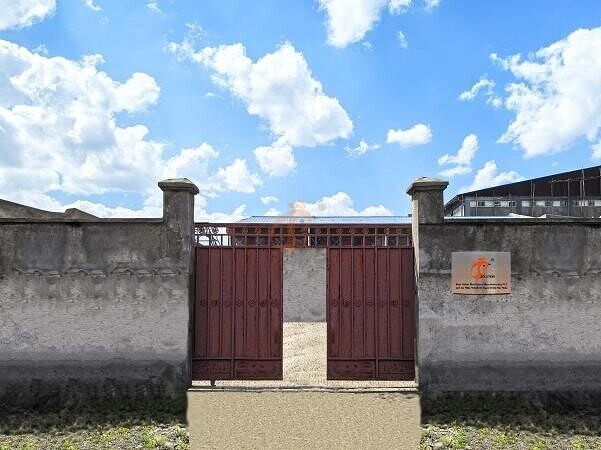
Ethiopia Branch Office And Factory Of Poultry Farm Equipment
Optimize Cage Structure And Stocking Density For Ethiopian Layer Farms
The layer chicken cage system plays a critical role in stabilizing egg production in commercial poultry houses across Ethiopia.
Many farms in regions such as Oromia and Amhara still face productivity limitations caused by overcrowded housing and poorly designed structures.
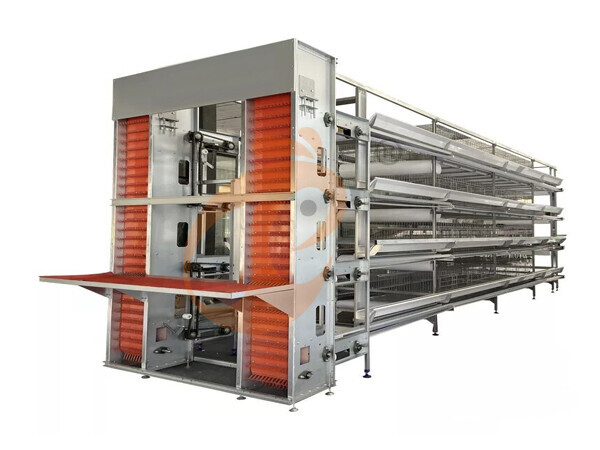
Installing an A-type chicken cage system allows better airflow, organized feeding space, and smooth egg collection.
Proper cage design also reduces bird stress and supports consistent laying cycles across different climatic zones of Ethiopia.
Data is for reference only.Swipe horizontally to view full table.
Correct stocking density improves productivity stability and allows better monitoring of bird health conditions.
Improve Feed Formulation Using Local Ethiopian Feed Resources
Feed accounts for the largest portion of operational cost in Ethiopian layer farming.
Many farms rely on maize-based diets, but balanced nutrient formulation using local agricultural resources is essential for stable egg production.
Ingredients such as soybean meal, sunflower cake, wheat bran, and limestone are widely available in Ethiopia and can support efficient egg production when properly combined.
Using optimized nutrition inside an A-type housing system ensures hens receive consistent feed intake throughout the production cycle.
Data is for reference only.Swipe horizontally to view full table.
Balanced feeding programs support egg weight stability and shell quality during peak production weeks.
Implement Efficient Watering Systems Inside A-Type Cages
Reliable water supply is essential for maintaining egg production stability in Ethiopian layer farms.
Even minor water shortage can affect egg formation because hens require continuous hydration for metabolic processes.
Automated nipple drinker systems installed along cage rows provide uniform water distribution and reduce contamination risks.
This technology is increasingly used in poultry farms located near Addis Ababa and Bishoftu.
Data is for reference only.Swipe horizontally to view full table.
Proper water management inside cage housing contributes directly to stable egg production.
Strengthen Disease Prevention And Biosecurity Programs
Disease outbreaks remain one of the main challenges affecting Ethiopian poultry farms.
Newcastle disease, coccidiosis, and infectious bronchitis can reduce egg production and increase mortality rates if preventive measures are not implemented.
Structured cage housing simplifies vaccination, monitoring, and sanitation procedures.
Biosecurity protocols including visitor control, equipment disinfection, and vaccination scheduling help protect flocks.
Data is for reference only.Swipe horizontally to view full table.
Consistent disease management programs protect egg production performance in large-scale farms.
Monitor Production Data And Farm Performance Indicators
Modern Ethiopian poultry farms increasingly rely on performance monitoring to evaluate production efficiency.
Tracking key indicators such as laying rate, feed intake, and mortality allows farmers to adjust management strategies in time.
These indicators help farms compare operational performance with industry benchmarks.
Data is for reference only.Swipe horizontally to view full table.
Data monitoring enables farm managers to optimize resource allocation and production planning.
Economic Impact Of A-Type Layer Cage Adoption
Adopting cage systems significantly improves operational efficiency and farm profitability in Ethiopia.
Large poultry farms supplying eggs to Addis Ababa markets often operate with organized cage systems to manage thousands of birds.
Feed cost remains the primary production expense.
However, efficient housing reduces labor and management costs.
Data is for reference only.Swipe horizontally to view full table.
European union standard reference only.
Economic planning helps Ethiopian farms maintain sustainable egg production operations.
Productivity Comparison Between Traditional And Cage Systems
Traditional poultry systems dominate rural Ethiopian villages, where indigenous chickens roam freely and produce limited egg quantities.
Commercial farms adopting organized poultry cage system for layers achieve significantly higher production due to controlled feeding,
health monitoring, and egg collection efficiency.
Data is for reference only.Swipe horizontally to view full table.
This comparison illustrates the strong productivity improvement achieved through structured cage housing systems.
Frequently Asked Questions
Q1: How does an A-type chicken cage improve egg production in Ethiopia?
A1: The system provides organized feeding access, controlled stocking density, and efficient egg collection which helps stabilize laying performance.
Q2: What stocking density is recommended for layer cages in Ethiopian farms?
A2: Most farms operate with three to five hens per cage to maintain proper space and stable laying behavior.
Q3: Can local Ethiopian feed ingredients support commercial egg production?
A3: Yes, ingredients such as maize, soybean meal, sunflower cake, wheat bran, and limestone can provide balanced nutrition when properly formulated.
Ethiopia Best Hebei Machinery Manufacturing Plc - One Of Ethiopia Largest Chicken Cage Manufacturer
HB BEST operates global factory direct sales providing poultry farm equipment for international poultry producers.
The company supplies advanced poultry cage systems including A-type chicken cage structures designed for layer farming efficiency.
Professional engineering teams deliver poultry farm equipment installation and technical guidance for modern poultry production.
Turn-key poultry farm engineering solutions include poultry cage systems, feeding systems, and climate control equipment.
HB BEST provides reliable production capacity and international logistics service for poultry farm development projects.
Contact Us To Received Your Customized Poultry Farm Plan
Headquarters And Branchs
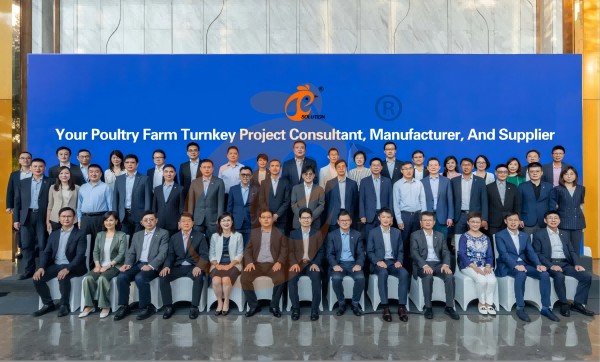
Hong Kong Headquarter Management Team
Hong Kong Headquarter Taiyu Industrial Group CO., LTD
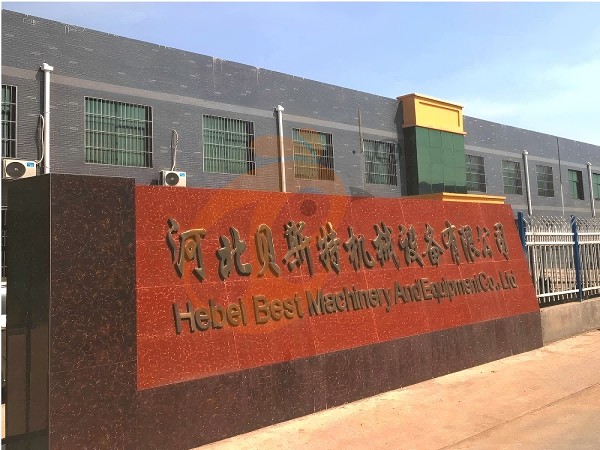
China Hebei Best Machinery And Equipment CO., LTD
Nigeria Vanke Machinery And Equipment CO., LTD
Tanzania Best Machinery And Equipment CO., LTD
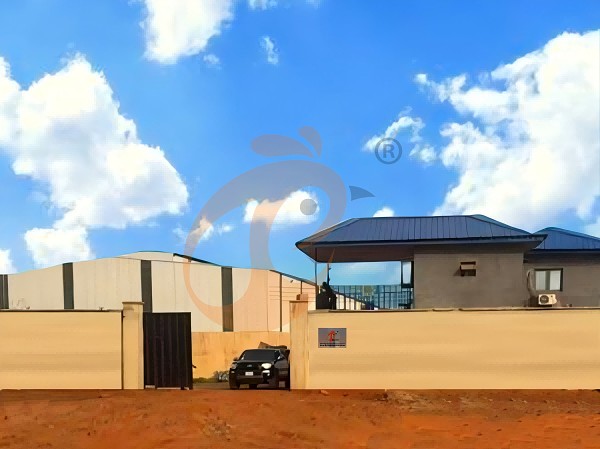
Ethiopia Best Hebei Machinery Manufacturing PLC
Reception /24 WhatsApp NO. : +8618830120193
PRODUCTS RECOMMENDED
 China Branch Manufacture Poultry Farm EquipmentRead More
 Ethiopia Branch Manufacture Poultry Farm EquipmentRead More
 Nigeria Branch Manufacture Poultry Farm EquipmentRead More
 Tanzania Branch Manufacture Poultry Farm EquipmentRead More
 IoT Smart Poultry FarmRead More
 >30,000 Layers Automatic H Type Battery CageRead More
 10,000 - 30,000 Layers Automatic A Type Battery CageRead More
MESSAGE
NEWS
 What Makes A Factory-Direct A Type Chicken Battery Cage More Cost-Effective? 4 ReasonsRead More
 Deep Litter System For Broilers Vs Cage | Which Is More Profitable?Read More
 Free Range Broiler System Vs Intensive Farming | Which Is More Profitable?Read More
 Broiler Floor Rearing System Cost | 6 Factors Affecting PriceRead More