

BLOG
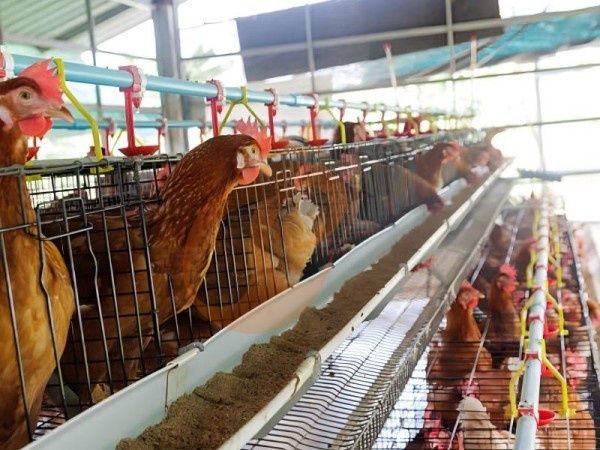
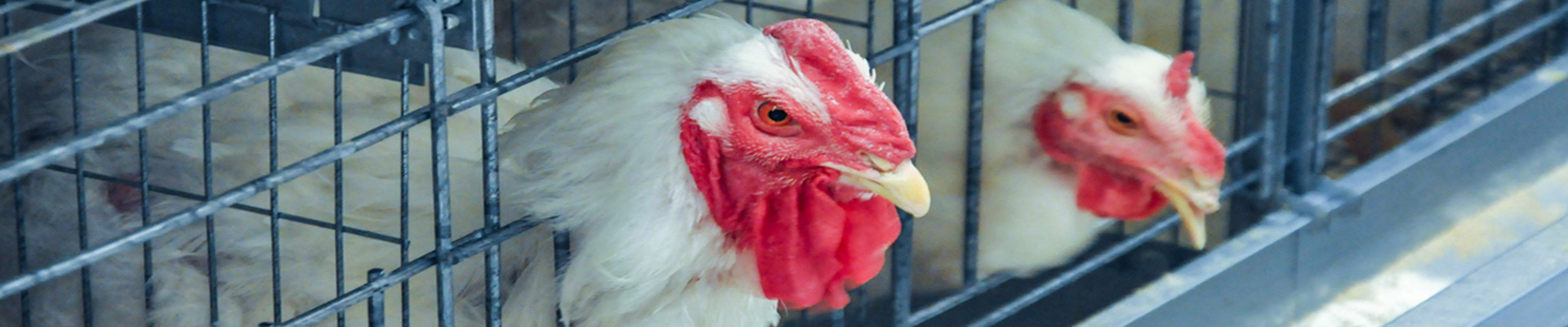
Ethiopian layer chicken cages provide an innovative solution for modern poultry farms in Ethiopia.
Feed represents the largest operating expense in Ethiopian layer farms.
Automated chicken cage systems Ethiopia reduce labor and improve efficiency significantly.
Poultry feed efficiency Ethiopia helps farmers maximize egg production and profitability.
High-density chicken cages save land space and improve farm scalability.
Get professional poultry farm construction guidance, equipment selection solutions, and the latest price lists, whatsApp to +8618830120193, click to learn more:

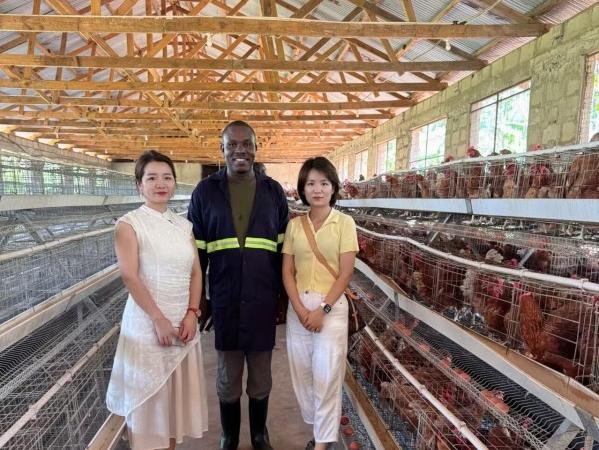
Ethiopia Branch Office And Factory Of Poultry Farm Equipment
Overview Of Ethiopian Layer Farming Economics
Understanding the economic structure of Ethiopian egg production is the first step toward evaluating the value of modern cage systems.
Feed represents the largest operating cost, followed by labor, utilities, and veterinary expenses.
Poultry feed efficiency Ethiopia is critical for farm sustainability.
Data is for reference only.Swipe horizontally to view full table.
Feed and labor together represent approximately 80% of farm expenditure.
Consequently, technologies that reduce these two inputs have the strongest economic impact on Ethiopian egg farms.
Ethiopian layer chicken cages address both factors simultaneously through automated feeding and improved feed utilization.
Structural Characteristics Of Heavy-Duty H Type Layer Cages
The H-frame cage system differs significantly from conventional A-type cages or floor systems commonly used in small Ethiopian farms.
Data is for reference only.Swipe horizontally to view full table.
The robust structure is particularly important in Ethiopia, where poultry houses may operate in regions with seasonal humidity variations such as the Oromia region and Amhara region.
Feed Consumption Patterns In Ethiopian Layer Farms
Feed efficiency is the primary determinant of egg production profitability.
Data is for reference only.Swipe horizontally to view full table.
These figures demonstrate why feed management is the most critical performance variable for Ethiopian egg farmers.
Feed wastage caused by manual trough feeding or floor scattering can significantly increase production costs.
How H Type Cages Improve Feed Efficiency
Heavy-duty H-frame cage systems significantly reduce feed wastage through precision feeding.
Data is for reference only.Swipe horizontally to view full table.
Even a 5–8% reduction in feed wastage can save Ethiopian farms hundreds of thousands of birr annually.
Ethiopian layer chicken cages make feed efficiency improvements more consistent.
Labor Challenges In Ethiopian Poultry Production
Labor availability and skill levels vary across Ethiopia's poultry regions.
Many farms near Hawassa or Dire Dawa rely on manual operations including:
Labor cost per bird averages about 115 Ethiopian Birr annually in medium-scale farms.
Data is for reference only.Swipe horizontally to view full table.
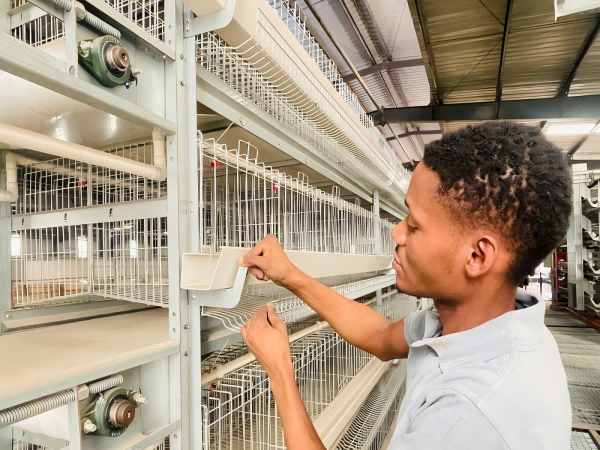
Automation in H-frame cage systems reduces repetitive manual tasks, significantly lowering labor requirements.
Automated chicken cage systems Ethiopia are designed to optimize workforce utilization.
Automation Features That Reduce Labor
Several integrated technologies contribute to labor efficiency in H-frame cage systems.
Data is for reference only.Swipe horizontally to view full table.
Studies show that automation in poultry housing can reduce labor demand by up to 60–65% while improving management precision.
Space Efficiency And Land Cost Considerations
Land availability is another constraint for poultry farms near Ethiopia's growing cities.
Lease prices around Addis Ababa and nearby industrial zones have increased due to urban expansion.
As a result, vertical housing systems provide significant economic advantages.
Data is for reference only.Swipe horizontally to view full table.
High-density vertical housing allows Ethiopian poultry farmers to increase egg production without expanding land area.
Economic Impact On Ethiopian Egg Farms
The combined effects of feed savings, labor reduction, and higher stocking density create significant economic advantages.
Data is for reference only.Swipe horizontally to view full table.
These financial improvements significantly increase return on investment for Ethiopian poultry farms.
Ethiopian layer chicken cages provide measurable economic benefits.
Practical Implementation Strategy For Ethiopian Farmers
To successfully adopt heavy-duty H-frame cage systems, Ethiopian poultry farmers should consider several practical steps:
Select cage systems designed for tropical climates
Ensure proper ventilation in poultry houses
Integrate feed storage facilities to stabilize feed supply
Train workers in automated system operation
Establish strong biosecurity practices
Regions with strong poultry development potential, such as the Tigray region and Southern Nations Nationalities and Peoples' Region, are increasingly adopting modern poultry housing technologies.
Frequently Asked Questions
Q1: How do heavy-duty Ethiopian H-frame chicken cages reduce feed costs?
A1: By controlling feed distribution and minimizing wastage, feed efficiency increases significantly.
Q2: How does H-frame chicken cage automation reduce labor requirements?
A2: Automatic feeding, egg collection, and manure removal lower manual labor substantially.
Q3: What economic benefits do Ethiopian layer farms gain from H-frame cages?
A3: Feed savings, labor reduction, higher egg production, and improved land efficiency.
Ethiopia Best Hebei Machinery Manufacturing Plc - One Of Ethiopia Toppest Chicken Cage Manufacturer
Hb Best provides global factory direct sales for poultry farm equipment including H-frame chicken cages.
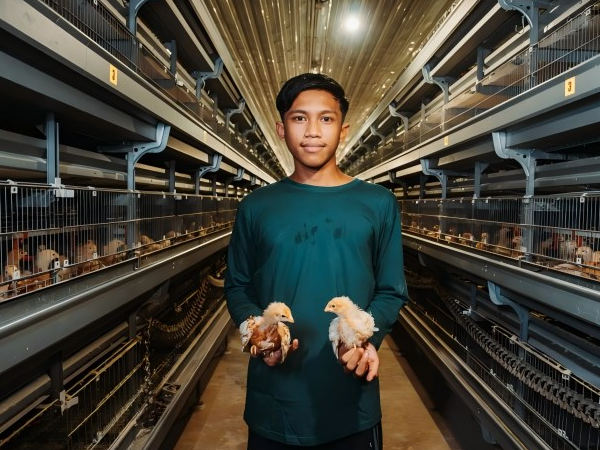
The company offers turn-key engineering solutions for commercial layer chicken farms across Ethiopia.
Poultry cage products are designed to improve feed efficiency and reduce labor cost.
Hb Best integrates automated chicken cage systems Ethiopia with environmental monitoring sensors.
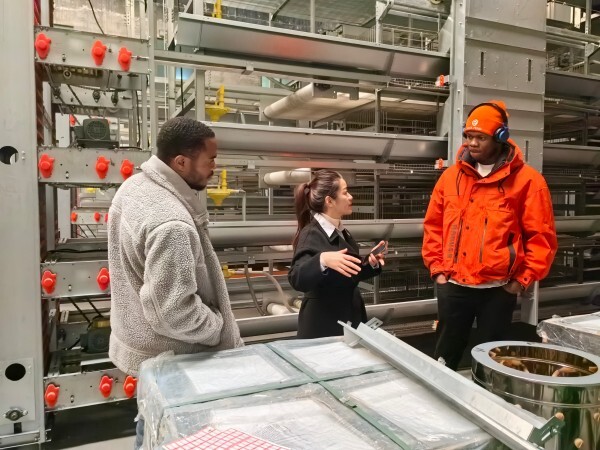
Turn-key projects include full installation, training, and long-term technical support for poultry farms.
Contact Us To Received Your Customized Poultry Farm Plan
Headquarters And Branchs

Hong Kong Headquarter Management Team
Hong Kong Headquarter Taiyu Industrial Group CO., LTD
China Hebei Best Machinery And Equipment CO., LTD
Nigeria Vanke Machinery And Equipment CO., LTD
Tanzania Best Machinery And Equipment CO., LTD
Ethiopia Best Hebei Machinery Manufacturing PLC




Reception /24 WhatsApp NO. : +8618830120193
PRODUCTS RECOMMENDED
 China Branch Manufacture Poultry Farm EquipmentRead More
 Ethiopia Branch Manufacture Poultry Farm EquipmentRead More
 Nigeria Branch Manufacture Poultry Farm EquipmentRead More
 Tanzania Branch Manufacture Poultry Farm EquipmentRead More
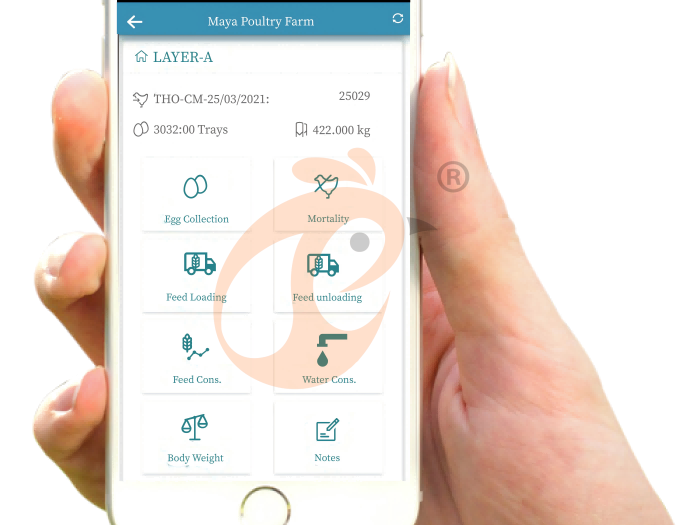
 IoT Smart Poultry FarmRead More
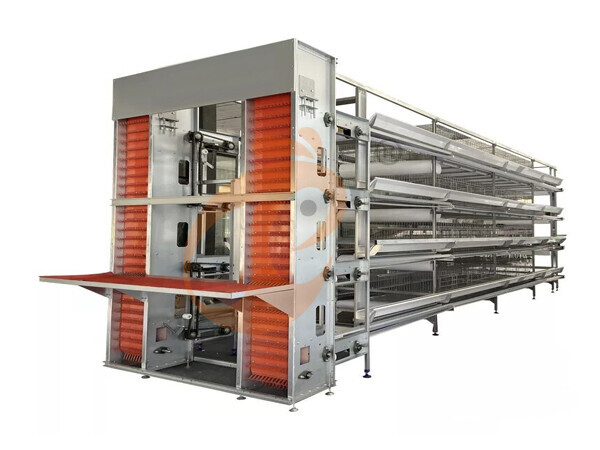
 >30,000 Layers Automatic H Type Battery CageRead More
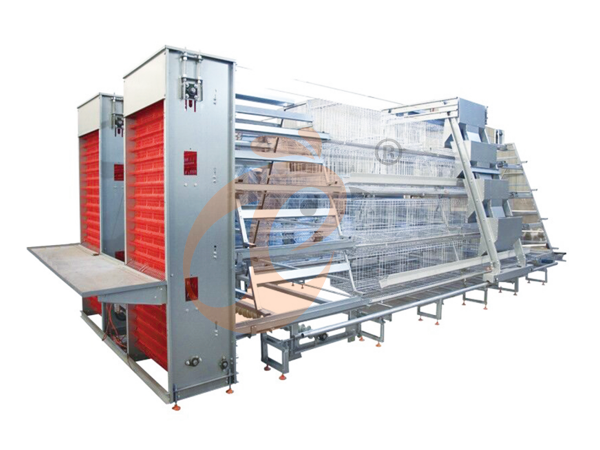
 10,000 - 30,000 Layers Automatic A Type Battery CageRead More
MESSAGE
NEWS
 What Makes A Factory-Direct A Type Chicken Battery Cage More Cost-Effective? 4 ReasonsRead More
 Deep Litter System For Broilers Vs Cage | Which Is More Profitable?Read More
 Free Range Broiler System Vs Intensive Farming | Which Is More Profitable?Read More
 Broiler Floor Rearing System Cost | 6 Factors Affecting PriceRead More