

BLOG
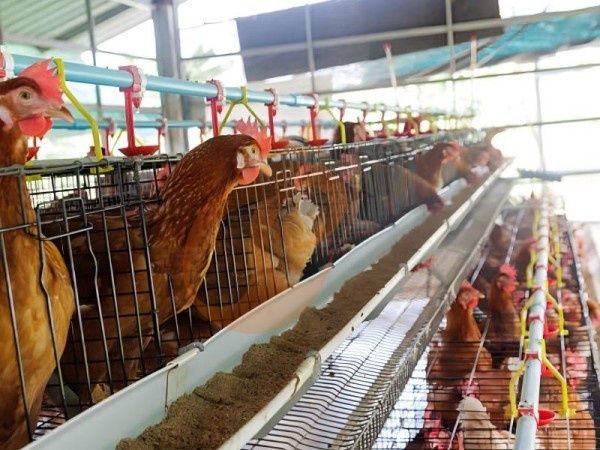
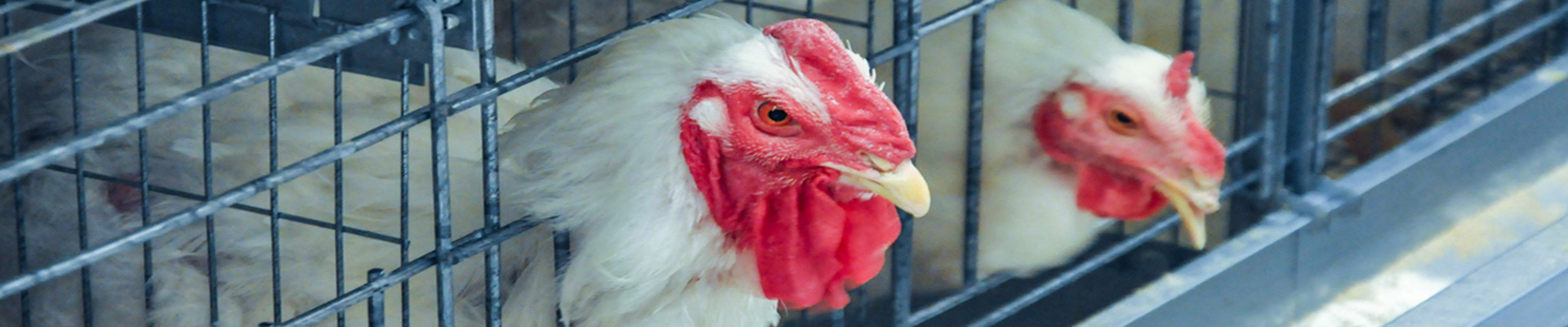
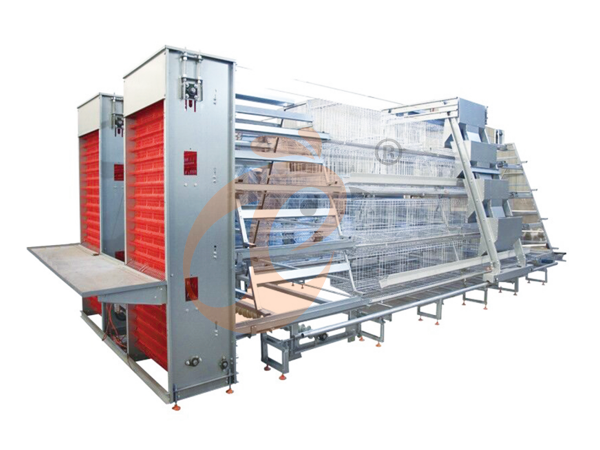
A type poultry cage system management requires structured daily routines to maintain stable egg production and flock welfare in Ethiopian layer farms.
Rapid egg consumption growth in cities such as Addis Ababa and Adama increases pressure on farms to improve operational efficiency.
Climate variation between Ethiopian highlands and Rift Valley regions influences ventilation, water use, and feeding schedules.
Well-organized farm routines help reduce disease risk, control costs, and improve egg collection efficiency.
Get professional poultry farm construction guidance, equipment selection solutions, and the latest price lists, whatsApp to +8618830120193, click to learn more:

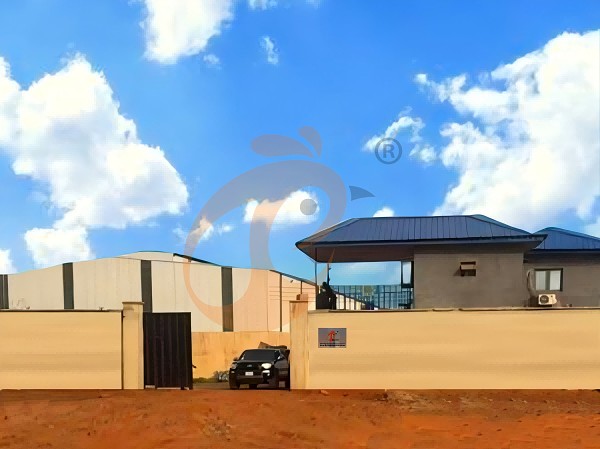
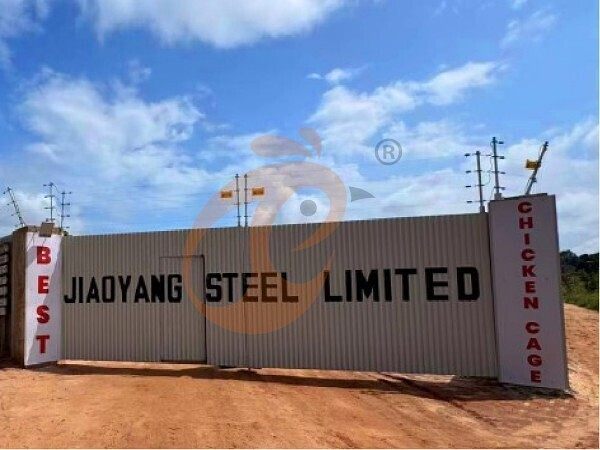
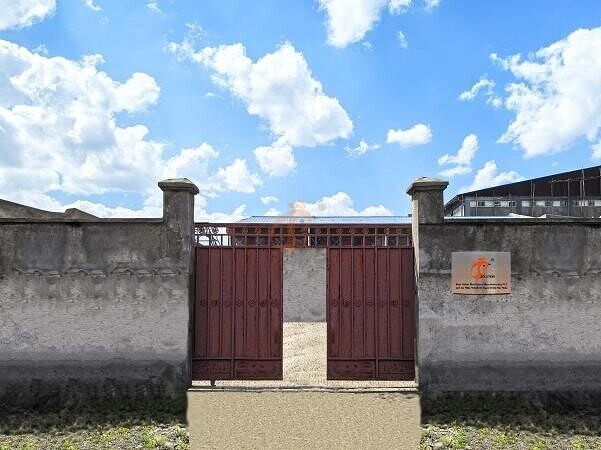
Ethiopia Branch Office And Factory Of Poultry Farm Equipment
Early Morning House Inspection And Environmental Control
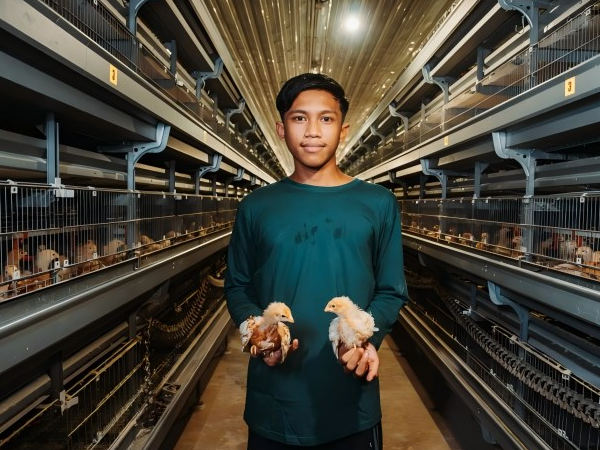
Daily management of an A-type poultry cage system begins early in the morning when workers inspect the poultry house environment and bird condition.
Environmental monitoring helps maintain stable egg production.
Data is for reference only.Swipe horizontally to view full table.
Consistent monitoring ensures birds remain comfortable within the production environment.
Environmental control also improves feed efficiency and egg output stability.
Accurate Feed Distribution And Feed Intake Monitoring
Feed management represents the largest operational cost for Ethiopian layer farms.
Balanced rations support eggshell strength and laying performance.
Data is for reference only.Swipe horizontally to view full table.
Feed levels should remain consistent along the cage line.
Regular feed monitoring allows farms to detect abnormal intake patterns.
Clean Water Supply Management
Reliable drinking water supports egg formation and bird metabolism.
Many Ethiopian farms rely on wells or municipal water systems.
Data is for reference only.Swipe horizontally to view full table.
Clean drinker lines help reduce bacterial contamination risks.
Stable water supply prevents sudden production decline.
Egg Collection And Handling Procedures
Frequent egg collection improves hygiene and reduces shell damage.
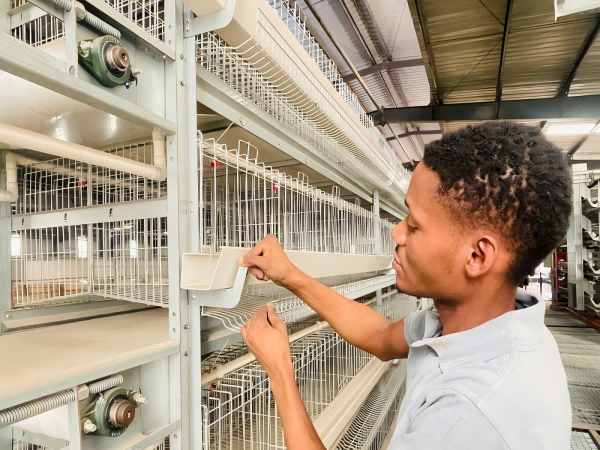
A-type cage design allows convenient egg gathering.
Data is for reference only.Swipe horizontally to view full table.
Collected eggs are sorted by weight and shell condition.
Proper handling increases market value during distribution.
Manure Removal And Farm Hygiene
Manure removal improves air quality and reduces disease risk.Collected manure is commonly sold as fertilizer.
Typical manure sales may reach around 3–5 Ethiopian Birr per kilogram (European union standard reference only) depending on regional agricultural demand.
Data is for reference only.Swipe horizontally to view full table.
Regular cleaning also helps reduce fly populations.
Maintaining sanitation improves bird welfare.
Daily Health Monitoring And Disease Prevention
Daily bird observation helps farmers identify health problems early.
Vaccination programs protect layer flocks from major diseases.
Data is for reference only.Swipe horizontally to view full table.
Routine vaccination reduces disease spread within poultry houses.
Health monitoring ensures consistent egg production.
Record Keeping And Production Analysis
Production data allows farm managers to evaluate operational efficiency.
Accurate records support better decision making.
Data is for reference only.Swipe horizontally to view full table.
Data tracking helps farmers detect production trends.
Performance analysis improves farm profitability.
Frequently Asked Questions
Q1: What is the daily management focus for an A-type poultry cage system in Ethiopia?
A1: Daily routines focus on environmental control, feeding accuracy, water supply stability, egg collection efficiency, manure removal, and health observation.
Q2: How often should eggs be collected in a layer cage farm?
A2: Eggs are usually collected three to four times per day to reduce shell damage and maintain cleanliness during storage and transportation.
Q3: Why is record keeping important for Ethiopian layer farms?
A3: Production records allow farmers to track egg output, monitor feed costs, detect disease problems early, and improve overall farm profitability.
Ethiopia Best Hebei Machinery Manufacturing Plc - One Of Ethiopia Largest Poultry Cage Supplier
HB BEST provides global factory direct poultry farm equipment solutions for modern poultry production projects.
The company manufactures durable poultry cage systems with hot dip galvanized structure lifespan reaching 25+ years, suitable for intensive layer production.
HB BEST offers professional Turn-key poultry farm engineering services including design, installation, and technical training support for farms recommended at 10000–30000 layers.
The product range includes poultry cage systems with 3–5 tiers, cell size 600 mm width, 400 mm depth, 400 mm height, and cage dimension 2.2 m × 2.4 m × 1.65–2.6 m.
Automatic A-type poultry cage systems help farms reduce labor requirements by 50–70% while improving management efficiency.
Contact Us To Received Your Customized Poultry Farm Plan
Headquarters And Branchs
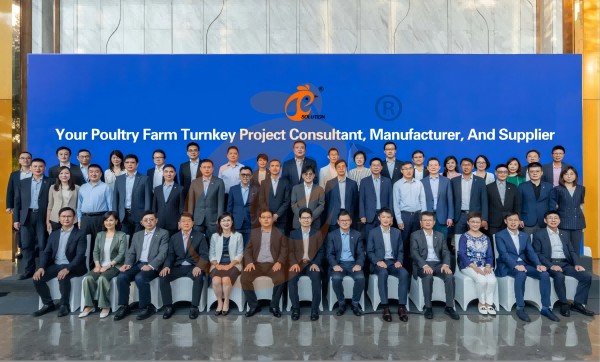
Hong Kong Headquarter Management Team
Hong Kong Headquarter Taiyu Industrial Group CO., LTD
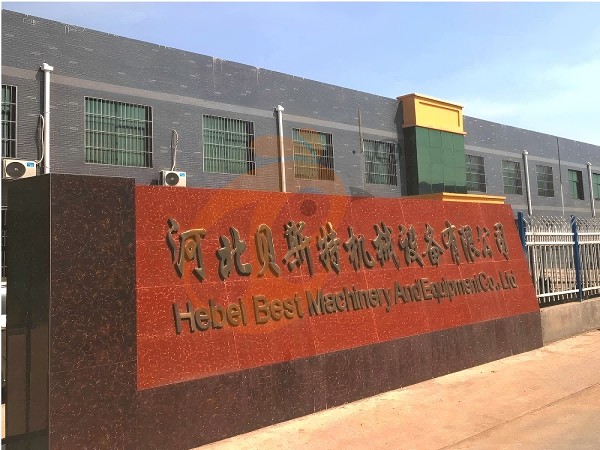
China Hebei Best Machinery And Equipment CO., LTD
Nigeria Vanke Machinery And Equipment CO., LTD
Tanzania Best Machinery And Equipment CO., LTD
Ethiopia Best Hebei Machinery Manufacturing PLC
Reception /24 WhatsApp NO. : +8618830120193
PRODUCTS RECOMMENDED
 China Branch Manufacture Poultry Farm EquipmentRead More
 Ethiopia Branch Manufacture Poultry Farm EquipmentRead More
 Nigeria Branch Manufacture Poultry Farm EquipmentRead More
 Tanzania Branch Manufacture Poultry Farm EquipmentRead More
 IoT Smart Poultry FarmRead More
 >30,000 Layers Automatic H Type Battery CageRead More
 10,000 - 30,000 Layers Automatic A Type Battery CageRead More
MESSAGE
NEWS
 What Makes A Factory-Direct A Type Chicken Battery Cage More Cost-Effective? 4 ReasonsRead More
 Deep Litter System For Broilers Vs Cage | Which Is More Profitable?Read More
 Free Range Broiler System Vs Intensive Farming | Which Is More Profitable?Read More
 Broiler Floor Rearing System Cost | 6 Factors Affecting PriceRead More