

BLOG
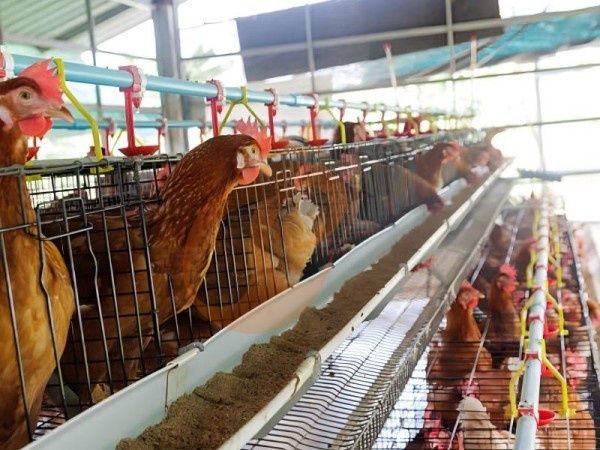
Ethiopian poultry chicken cage system cost depends on materials, design, automation, logistics, and farm management decisions.
Rapid egg consumption growth across Addis Ababa, Bishoftu, and Debre Zeit is accelerating investment in intensive layer farming infrastructure.
Government food security programs encourage commercial poultry development and modernization of traditional floor production systems.
Farmers evaluating poultry farming cage system price must balance durability, land efficiency, and long-term operating performance.
Understanding poultry layer cage system investment helps investors manage risk, improve productivity, and plan sustainable poultry farm expansion.
Get professional poultry farm construction guidance, equipment selection solutions, and the latest price lists, whatsApp to +8618830120193, click to learn more:

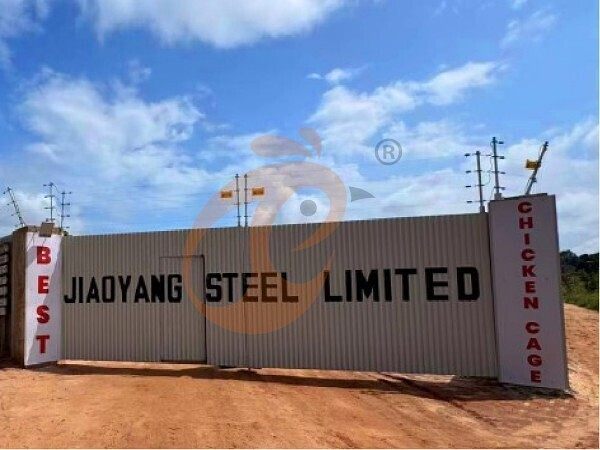
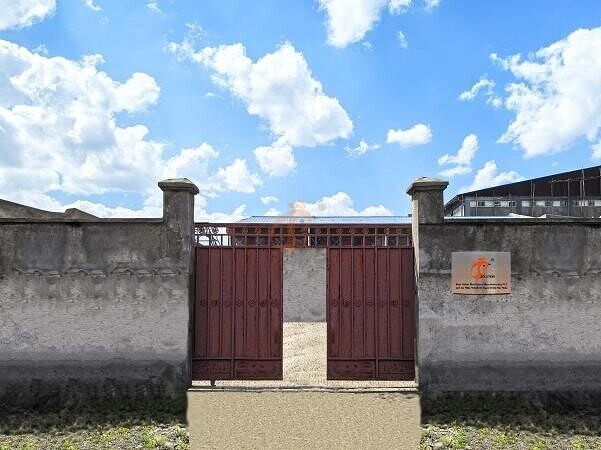
Ethiopia Branch Office And Factory Of Poultry Farm Equipment
Material Specification And Galvanization Standards
Environmental conditions across Ethiopia range from humid southern regions to dry Rift Valley zones.
The lifespan of a chicken cage system depends mainly on steel quality and corrosion protection treatment.
Higher-grade galvanization increases poultry farming cage system price but protects long-term investment measured in Ethiopian Birr (ETB).
(European union standard reference only)
Data is for reference only.Swipe horizontally to view full table.
Structural Design: A-Type Vs. H-Type Systems
Structural configuration strongly affects both farm construction cost and poultry house capacity.
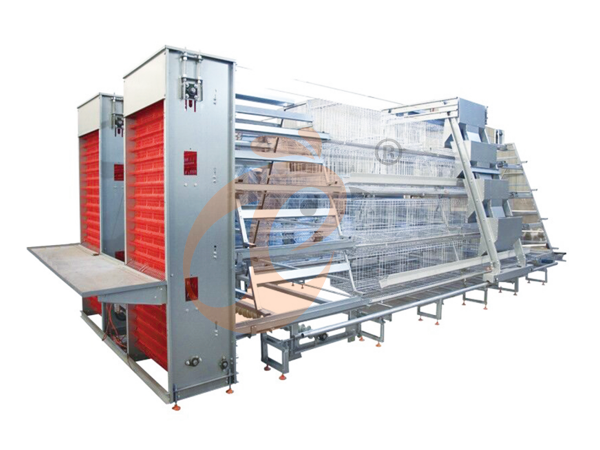
The two most widely used systems are A-type chicken cage systems and H-type stacked systems.
Different structures influence poultry layer cage system investment and land utilization efficiency.
Data is for reference only.Swipe horizontally to view full table.
For many Ethiopian poultry startups, the A-type chicken cage system offers manageable construction complexity and reasonable investment cost.
Automation Levels And The Labor-Energy Trade-Off
Automation significantly influences poultry chicken cage system cost and daily farm management efficiency.
Feeding, watering, manure handling, and egg collection systems determine labor demand and energy consumption.
Many Ethiopian farms select partial automation to balance investment cost and operational efficiency.
Data is for reference only.Swipe horizontally to view full table.
Automation decisions directly affect poultry farming cage system price and long-term operational labor requirements measured in Ethiopian Birr annual labor costs.
(European union standard reference only)
Feed And Water Management Components
Feed accounts for approximately 70 percent of egg production expenses in Ethiopian poultry farms.
Efficient feed and water systems reduce waste and improve bird health performance.
These components influence poultry farming cage system price but reduce daily feed losses measured in Ethiopian Birr.
(European union standard reference only)
Data is for reference only.Swipe horizontally to view full table.
High altitude solar radiation in Ethiopia may deform low-grade plastic materials, which increases feed waste and cleaning requirements
Logistics, Forex, And The Djibouti Factor
Imported poultry equipment prices are strongly influenced by transportation and currency availability.
Most equipment shipments arrive through the Djibouti–Addis Ababa transport corridor.
Transport, customs, and inland delivery contribute to the final equipment price in Ethiopian Birr.
(European union standard reference only)
Data is for reference only.Swipe horizontally to view full table.
A container-friendly knock-down cage design helps reduce freight cost per bird capacity.
Egg Collection And Grading Precision
Egg quality strongly affects market value in Ethiopian retail supply chains.
Manual collection suits medium farms, while automated systems support large commercial egg production.
Automation improves egg cleanliness and reduces breakage during collection.
Data is for reference only.Swipe horizontally to view full table.
Large egg suppliers serving supermarkets often select automated systems to achieve higher egg grading consistency.
Frequently Asked Questions
Q1: What mainly determines poultry chicken cage system cost in Ethiopia?
A1: Material durability, cage structure design, automation level, feed management components, logistics transportation, and egg collection systems all influence the final investment cost.
Q2: Which cage structure is most common for Ethiopian poultry farms?
A2: Many farms prefer A-type chicken cage systems because they operate efficiently with natural ventilation and require fewer electrical components compared with H-type stacked systems.
Q3: Does automation always reduce poultry farm operating costs?
A3: Automation can reduce labor demand and feed waste, but farms must balance energy consumption, equipment maintenance ability, and local labor availability before choosing a fully automated solution.
Ethiopia Best Hebei Machinery Manufacturing Plc - One Of Ethiopia Largest Poultry Chicken Cage System Supplier
Global factory direct supply delivering reliable poultry farm equipment for modern farms worldwide.
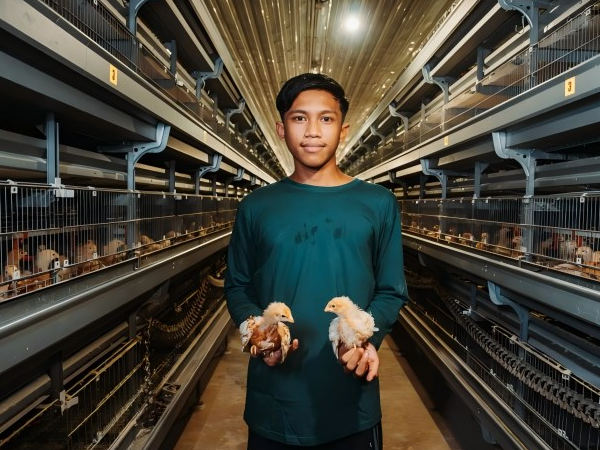
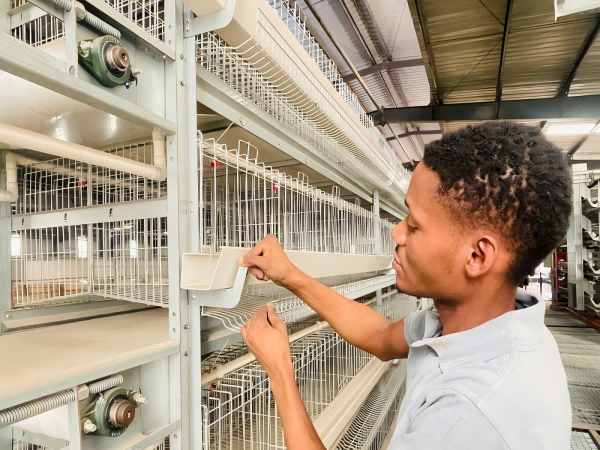
Advanced manufacturing of poultry cage systems using durable steel materials and strict production quality standards.
Professional engineering teams providing poultry farm equipment planning, design, installation, and farm layout optimization services.
Complete poultry farm equipment packages including feeding systems, drinking systems, ventilation equipment, and egg collection lines.
Turn-key poultry farming project services supporting poultry cage system construction from planning to farm operation.
Contact Us To Received Your Customized Poultry Farm Plan
Headquarters And Branchs
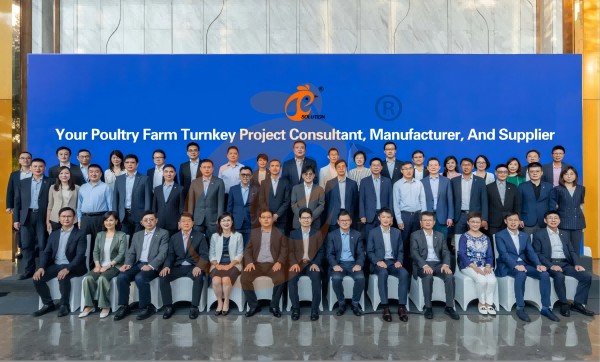
Hong Kong Headquarter Management Team
Hong Kong Headquarter Taiyu Industrial Group CO., LTD
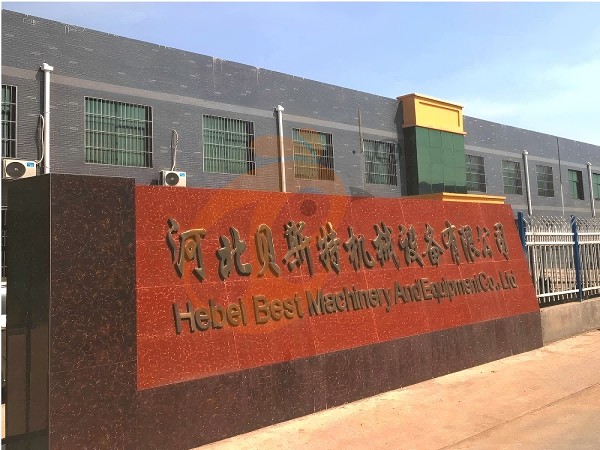
China Hebei Best Machinery And Equipment CO., LTD
Nigeria Vanke Machinery And Equipment CO., LTD
Tanzania Best Machinery And Equipment CO., LTD
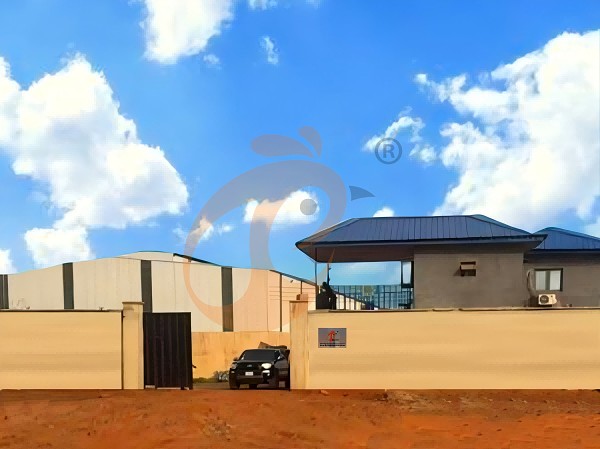
Ethiopia Best Hebei Machinery Manufacturing PLC
Reception /24 WhatsApp NO. : +8618830120193
PRODUCTS RECOMMENDED
 China Branch Manufacture Poultry Farm EquipmentRead More
 Ethiopia Branch Manufacture Poultry Farm EquipmentRead More
 Nigeria Branch Manufacture Poultry Farm EquipmentRead More
 Tanzania Branch Manufacture Poultry Farm EquipmentRead More
 IoT Smart Poultry FarmRead More
 >30,000 Layers Automatic H Type Battery CageRead More
 10,000 - 30,000 Layers Automatic A Type Battery CageRead More
MESSAGE
NEWS
 What Makes A Factory-Direct A Type Chicken Battery Cage More Cost-Effective? 4 ReasonsRead More
 Deep Litter System For Broilers Vs Cage | Which Is More Profitable?Read More
 Free Range Broiler System Vs Intensive Farming | Which Is More Profitable?Read More
 Broiler Floor Rearing System Cost | 6 Factors Affecting PriceRead More