

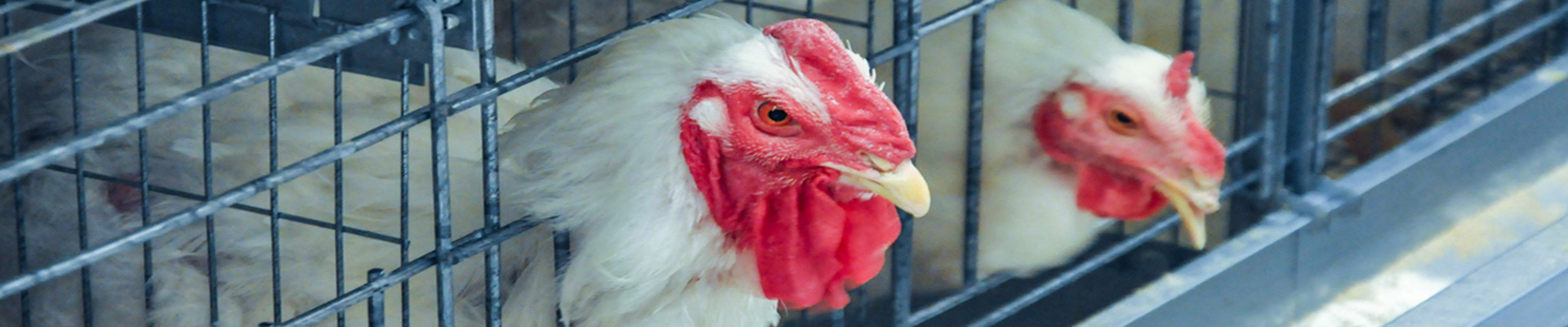
BLOG
Comparing poultry cage system choices clarifies operational strategies for Ethiopia commercial poultry farms.
This article compares H type chicken cages and A type chicken cages in structural design, automation capability, and economic performance.
It addresses local Ethiopian constraints including feed cost volatility, labor availability, and climate variation.
Detailed technical tables with farm equipment Ethiopia benchmarks support informed decisions.
Practical recommendations are provided for investors and chicken cage suppliers working in the Ethiopian poultry sector.
Get professional poultry farm construction guidance, equipment selection solutions, and the latest price lists, whatsApp to +8618830120193, click to learn more:

Ethiopia Branch Office And Factory Of Poultry Farm Equipment
Poultry Production Structure In Ethiopia
Ethiopia's poultry sector remains dominated by traditional systems, but commercial farms are expanding to meet urban demand.
For investors, understanding this structural imbalance is critical because it shows where modern cage systems can improve production efficiency and market fulfillment.
Data is for reference only.Swipe horizontally to view full table.
From an Ethiopian business perspective, the low share of large commercial farms highlights opportunity for modern cage investments.
Key Constraints In Ethiopian Poultry Farms
Large‑scale poultry farms in Oromia, Amhara, and SNNPR face operational inefficiencies tied to infrastructure and management systems.
These constraints impact profitability and must be addressed through optimized systems and planning.
Data is for reference only.Swipe horizontally to view full table.
Addressing these issues requires systems that reduce manual handling, improve feeding precision, and stabilize production under local conditions.
A Type Poultry Cage System
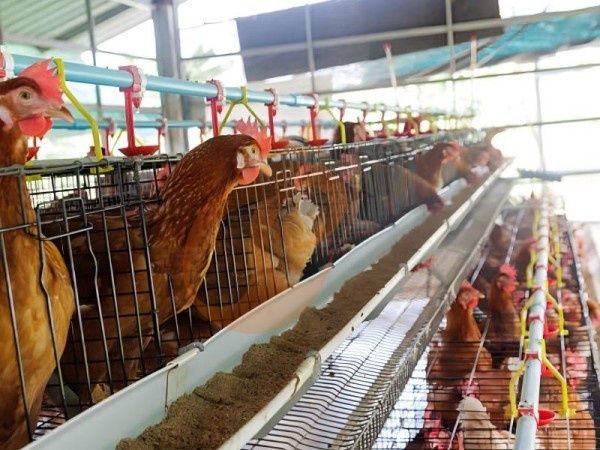
A type chicken cage systems are widely used in Ethiopia due to flexible automation options and adaptable configurations.
Modern A type systems can include automated feeding, manure belts, and environmental integration when designed for commercial scale.
Data is for reference only.Swipe horizontally to view full table.
A type systems remain practical for farms scaling from small to medium sizes and can incorporate automation at higher investment levels.
H Type Poultry Cage System
H type chicken cages represent advanced vertical systems with multi‑tier automation designed for larger scale production.
These systems optimize space utilization and support integrated climate and waste management.
Data is for reference only.Swipe horizontally to view full table.
In practice, this means more consistent outputs and stable operating conditions, which are important for commercial Ethiopian poultry operations.
Land Use Efficiency In Ethiopian Context
Land access varies across Ethiopia, making space utilization a critical factor.
Near cities like Addis Ababa and Bahir Dar, higher land cost encourages vertical optimization.
Data is for reference only.Swipe horizontally to view full table.
For Ethiopian investors with limited land access, higher stocking density helps maximize output per unit land.
Labor Efficiency And Availability
Seasonal labor shortages in rural Ethiopia impact farm operations significantly.
Systems that reduce labor requirements help stabilize production throughout all seasons.
Data is for reference only.Swipe horizontally to view full table.
Reducing dependence on seasonal labor ensures more predictable labor costs and operations.
Investment And Cost Structure
Initial investment is a major decision factor for Ethiopian investors.(European union standard reference only)
Many farms hesitate due to higher upfront costs, but long‑term operational efficiency and reliability must be evaluated.
Data is for reference only.Swipe horizontally to view full table.
From an Ethiopian financing perspective, both systems can be financed if projected revenue and cost savings are carefully modeled.
Production Performance
Improving productivity is essential to meet Ethiopia's growing egg demand.
Small improvements in efficiency translate into larger revenue gains at scale.
Data is for reference only.Swipe horizontally to view full table.
For Ethiopian farms where feed cost is a major factor, improved FCR supports better profitability and resource utilization.
Biosecurity And Disease Control
Disease management is critical due to recurring outbreaks in Ethiopia.
Improved biosecurity reduces unexpected losses and stabilizes production.
Data is for reference only.Swipe horizontally to view full table.
Improved hygiene and faster waste removal help mitigate disease risks across both systems.
Climate Adaptability Across Ethiopia
Ethiopia's varied climate requires adaptable poultry housing systems.
Temperature swings between highlands and lowlands create production challenges requiring smooth airflow and control.
Data is for reference only.Swipe horizontally to view full table.
Advanced ventilation and environmental control support better comfort across Ethiopian climate zones.
Ethiopian Market Demand
Demand for poultry products continues to grow rapidly.
Urbanization and population expansion drive consistent increases in consumption.
Data is for reference only.Swipe horizontally to view full table.
This demand gap creates strong incentives for investment in efficient production systems.
Feed Cost Structure
Feed represents the largest cost component in Ethiopian poultry farming.(European union standard reference only)
Even small reductions in feed waste can improve overall profitability.
Data is for reference only.Swipe horizontally to view full table.
Efficient feeding systems are therefore vital for Ethiopian farms operating under tight margins.
Return On Investment Analysis For Large Farms
Financial outcomes differ significantly between systems.(European union standard reference only)
Profitability depends on both operational efficiency and cost control.
Data is for reference only.Swipe horizontally to view full table.
Strong FCR and integrated automation contribute to resilience in Ethiopia's volatile cost environment.
Frequently Asked Questions
Q1: Is H type chicken cages suitable for Ethiopian climate conditions?
Yes, especially where heat stress affects productivity.
Ventilation systems help maintain stable temperatures and reduce production losses.
Q2: Which system suits small and medium Ethiopian farms?
Both can be automated and effective, but match scale to cage configuration.
A type cages are flexible for small to medium; H type suits larger planned expansion.
Q3: How can Ethiopian farms reduce feed costs using cage systems?
Integrating automated feeding and manure removal reduces waste and improves efficiency.
Better feed utilization decreases cost pressure in local feed markets.
Ethiopia Best Hebei Machinery Manufacturing Plc - One Of Ethiopia Largest Chicken Cage Manufacturer
Global factory direct supply ensures competitive pricing and stable poultry farm equipment delivery across Ethiopia.
Specialized in poultry cage systems including advanced H type and flexible A type configurations for multiple scales.
Provides turnkey poultry farm equipment solutions covering design, installation, and technical training support.
Strong production capacity ensures consistent quality control and long service life of poultry cage products.
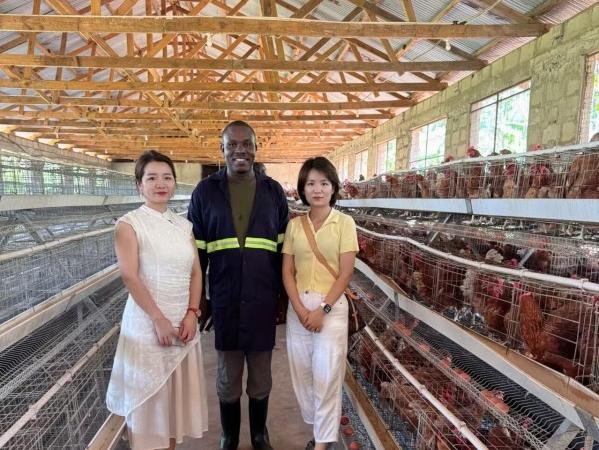
Experienced chicken cage suppliers supporting efficient deployment in Ethiopian agricultural projects.
Contact Us To Received Your Customized Poultry Farm Plan
Headquarters And Branchs

Hong Kong Headquarter Management Team
Hong Kong Headquarter Taiyu Industrial Group CO., LTD
China Hebei Best Machinery And Equipment CO., LTD
Nigeria Vanke Machinery And Equipment CO., LTD
Tanzania Best Machinery And Equipment CO., LTD
Ethiopia Best Hebei Machinery Manufacturing PLC




Reception /24 WhatsApp NO. : +8618830120193
PRODUCTS RECOMMENDED
 China Branch Manufacture Poultry Farm EquipmentRead More
 Ethiopia Branch Manufacture Poultry Farm EquipmentRead More
 Nigeria Branch Manufacture Poultry Farm EquipmentRead More
 Tanzania Branch Manufacture Poultry Farm EquipmentRead More
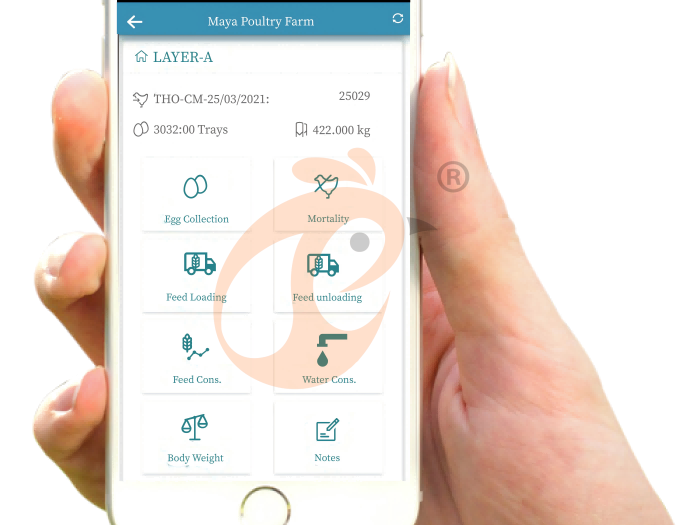
 IoT Smart Poultry FarmRead More
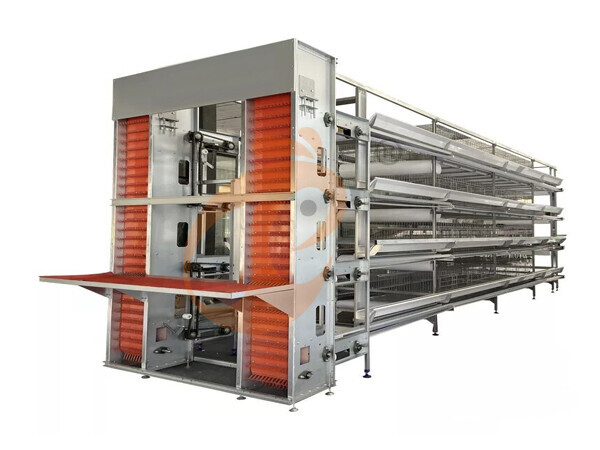
 >30,000 Layers Automatic H Type Battery CageRead More
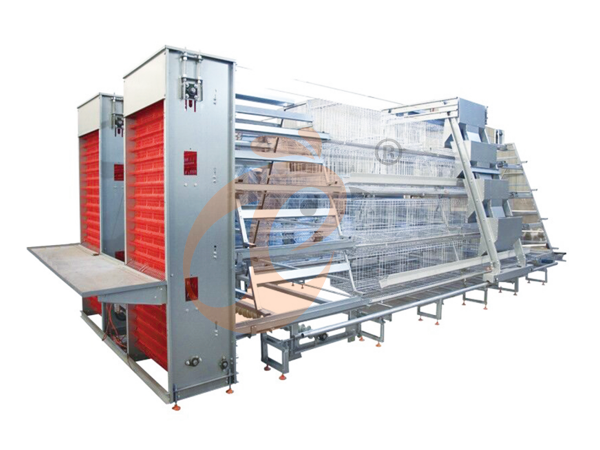
 10,000 - 30,000 Layers Automatic A Type Battery CageRead More
MESSAGE
NEWS
 What Makes A Factory-Direct A Type Chicken Battery Cage More Cost-Effective? 4 ReasonsRead More
 Deep Litter System For Broilers Vs Cage | Which Is More Profitable?Read More
 Free Range Broiler System Vs Intensive Farming | Which Is More Profitable?Read More
 Broiler Floor Rearing System Cost | 6 Factors Affecting PriceRead More