

BLOG
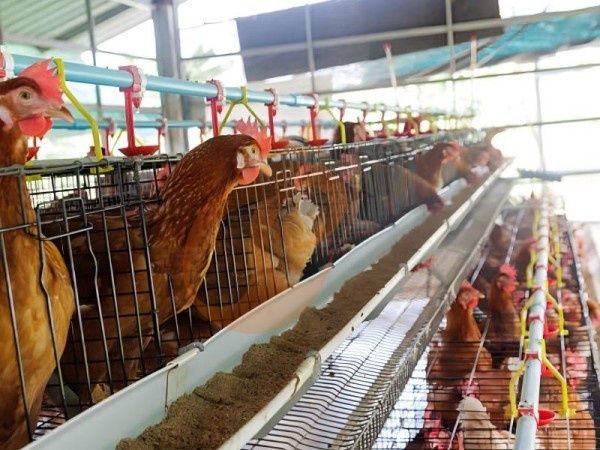
A-type chicken cage systems are increasingly used in Ethiopia poultry farms for higher efficiency and sustainable operations.
This article evaluates layer cages versus broiler cages in Ethiopia with practical operational insights.
We analyze structural durability, feed efficiency, water management, and labor requirements.
Land scarcity and urban population density directly affect cage choice.
Biosecurity measures are critical for preventing disease outbreaks in Ethiopian poultry.
Egg quality, collection efficiency, and manure utilization contribute to farm profitability.
Power supply stability and natural ventilation determine bird welfare during outages.
This guide provides actionable strategies for optimizing poultry farms in Ethiopia.
Get professional poultry farm construction guidance, equipment selection solutions, and the latest price lists, whatsApp to +8618830120193, click to learn more:

Ethiopia Branch Office And Factory Of Poultry Farm Equipment
The Strategic Shift In Ethiopia's Poultry Landscape
Ethiopia's poultry sector is shifting from traditional backyard setups to intensive modern systems.
Under the ''Homegrown Economic Reform Agenda,'' livestock value chains are prioritized to reduce protein malnutrition and urban food inflation.
The A-type chicken cage addresses land fragmentation in highland regions.
Its tiered structure utilizes natural cross-ventilation, effective across humid lowlands and cool plateaus in Amhara and Oromia.
Structural Engineering And Material Durability In Tropical Highlands
Investors often face foreign currency constraints for initial capital.
Equipment durability is crucial for minimizing long-term operational costs.
The A-type cage uses Q235 steel, hot-dip galvanized to resist oxidation during Kiremt (rainy season).
Cage strength supports hybrid layers like Lohmann Brown and broilers like Cobb 500.
Data is for reference only.Swipe horizontally to view full table.
Land Scarcity And Population Density In Urban Fringes
Urban expansion around Sheger City and Dukem industrial zones has increased agricultural land prices.
A-type cages enable 3-4 tier vertical arrangements, optimizing capacity on small plots (<0.5 hectares).
Smallholder farms benefit from higher house density and improved bird management efficiency.
Data is for reference only.Swipe horizontally to view full table.
Feed Efficiency Amidst Rising Grain Prices In Ethiopia
Soy meal and maize price fluctuations make feed conversion ratio (FCR) critical.
A-type cages' deep-V feed troughs reduce spillage and ensure consistent intake.
Broilers expend less energy moving, improving feed-to-muscle conversion.
Data is for reference only.Swipe horizontally to view full table.
Water Management And Nipple Drinking Technology
Water scarcity in Afar and southern Rift Valley requires efficient systems.
Traditional troughs increase evaporation and contamination risk.
A-type cages feature 360-degree nipple drinkers with pressure regulation, maintaining water quality.
Data is for reference only.Swipe horizontally to view full table.
Mitigating Disease Outbreaks And Biosecurity Risks
Gumboro (IBD) and Newcastle disease challenge Ethiopian farms.
A-type cages separate birds from droppings, reducing coccidiosis and ammonia exposure.
Biosecurity improves mortality and overall flock health.
Data is for reference only.Swipe horizontally to view full table.
Egg Quality And Collection Efficiency In Layer Systems
Layer cages are angled 7-9 degrees, allowing eggs to roll into collection trays.
This reduces dirty or cracked eggs, enhancing market value in Addis Ababa hotels.
Data is for reference only.Swipe horizontally to view full table.
Adapting To Ethiopia's Intermittent Power Supply
Unstable grid supply is a major challenge.
H-type chicken cages need continuous power for fans and manure belts.
A-type cages use natural air buoyancy, surviving 4-6 hours without electricity.
Data is for reference only.Swipe horizontally to view full table.
Labor Dynamics And Socio-Economic Impact
A-type cages require less technical skill for feeding, cleaning, and egg collection.
Projects employing local youth and women improve community income.
Data is for reference only.Swipe horizontally to view full table.
Manure Valorization For Coffee And Teff Farming
A-type cage manure is relatively dry, transportable, and nutrient-rich for Jimma and Sidama farms.
It reduces dependency on imported fertilizers, improving profitability during high feed prices.
Data is for reference only.Swipe horizontally to view full table.
Final Verdict: Which Is More Suitable For Ethiopia
A-type layer cage is better for economic stability due to consistent egg demand and lower energy reliance.
A-type broiler cage suits investors targeting rapid growth and biosecurity in hotels and fast-food sectors.
A-type configuration balances modern efficiency with Ethiopia-specific operational constraints.
Frequently Asked Questions
Q1: Is the A-type chicken cage suitable for Ethiopian smallholder farms?
A1: Yes, 3-4 tier vertical designs allow optimal use of plots below 0.5 hectares in urban and peri-urban Ethiopia.
Q2: How does the A-type system manage feed and water efficiently in Ethiopia?
A2: Deep-V feed troughs reduce spillage, and 360-degree nipple drinkers conserve water in regions like Afar and Rift Valley.
Q3: Can the A-type cage survive power outages in Ethiopia?
A3: Yes, natural air flow and passive ventilation allow survival 4-6 hours without electricity, suiting Ethiopia’s unstable grid.
Ethiopia Best Hebei Machinery Manufacturing Plc - One Of Ethiopia Largest Layer Cage Supplier
HB BEST offers global factory direct sales for poultry farm equipment, ensuring competitive pricing and reliable supply.
The company specializes in durable poultry cages suitable for Ethiopia's diverse climates and farming conditions.
Turn-key engineering services include design, installation, and operational support for complete poultry farms.
Training programs are provided to local staff to maximize productivity and reduce labor dependency.
Advanced manufacturing and local support deliver integrated poultry farm solutions with guaranteed operational efficiency.
Contact Us To Received Your Customized Poultry Farm Plan
Headquarters And Branchs

Hong Kong Headquarter Management Team
Hong Kong Headquarter Taiyu Industrial Group CO., LTD
China Hebei Best Machinery And Equipment CO., LTD
Nigeria Vanke Machinery And Equipment CO., LTD
Tanzania Best Machinery And Equipment CO., LTD
Ethiopia Best Hebei Machinery Manufacturing PLC
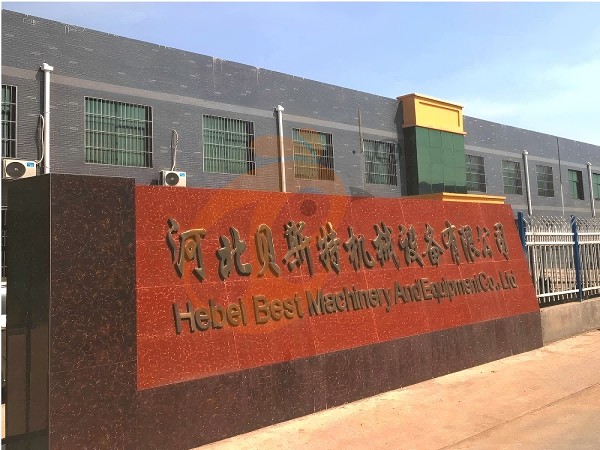
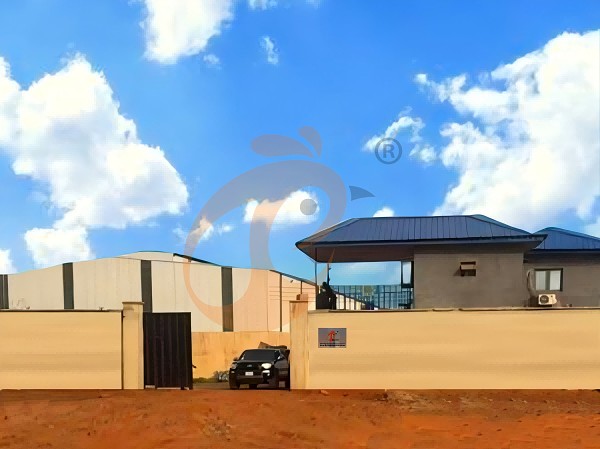
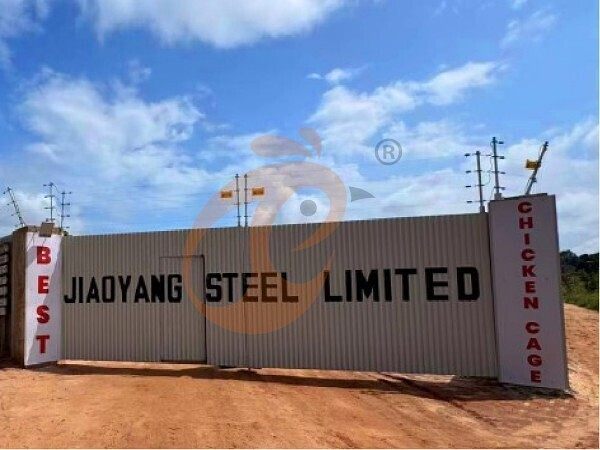
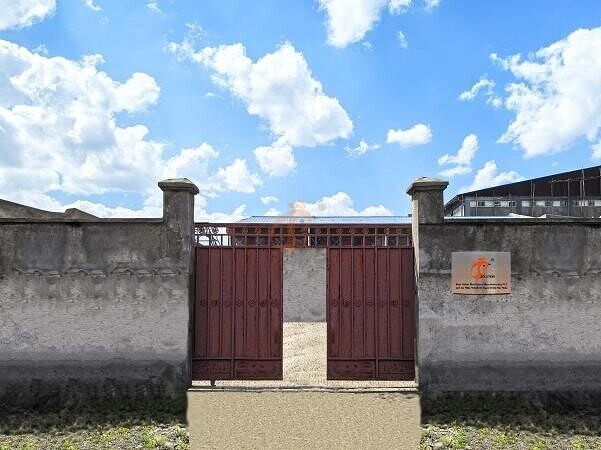
Reception /24 WhatsApp NO. : +8618830120193
PRODUCTS RECOMMENDED
 China Branch Manufacture Poultry Farm EquipmentRead More
 Ethiopia Branch Manufacture Poultry Farm EquipmentRead More
 Nigeria Branch Manufacture Poultry Farm EquipmentRead More
 Tanzania Branch Manufacture Poultry Farm EquipmentRead More
 IoT Smart Poultry FarmRead More
 >30,000 Layers Automatic H Type Battery CageRead More
 10,000 - 30,000 Layers Automatic A Type Battery CageRead More
MESSAGE
NEWS
 What Makes A Factory-Direct A Type Chicken Battery Cage More Cost-Effective? 4 ReasonsRead More
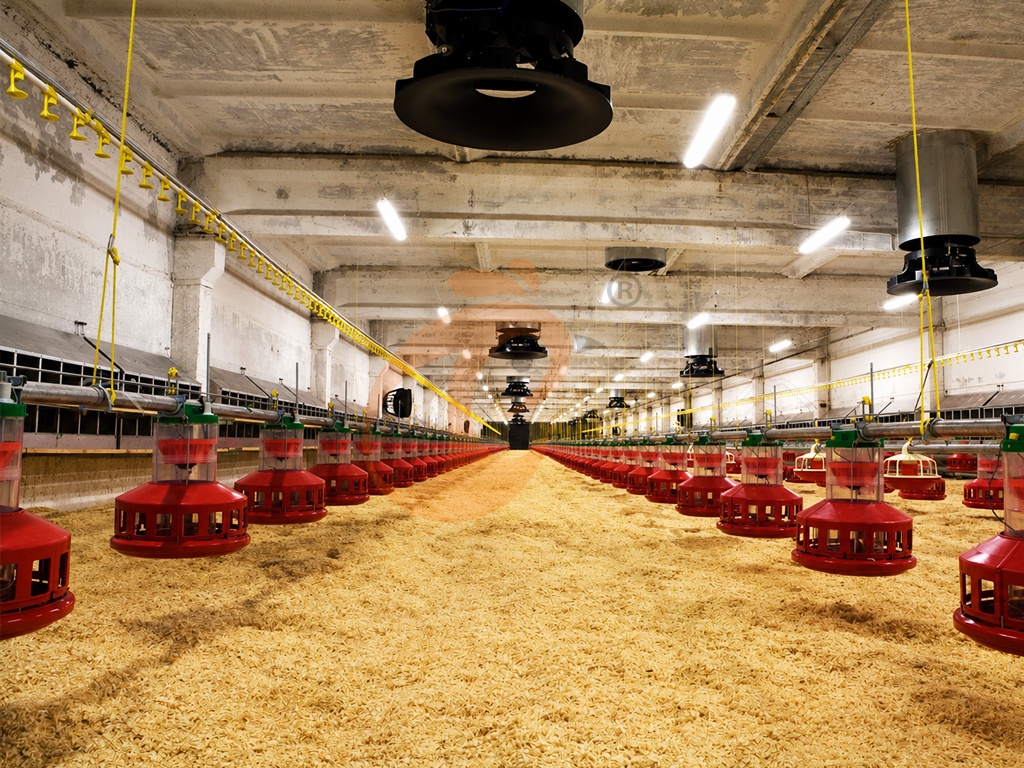
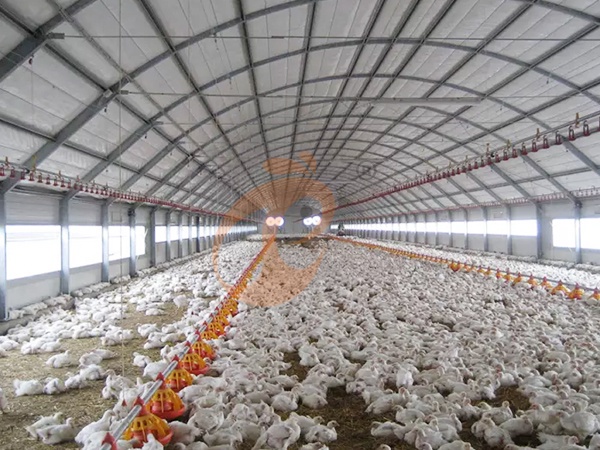
 Deep Litter System For Broilers Vs Cage | Which Is More Profitable?Read More
 Free Range Broiler System Vs Intensive Farming | Which Is More Profitable?Read More
 Broiler Floor Rearing System Cost | 6 Factors Affecting PriceRead More