

BLOG
Poultry farming Ethiopia continues evolving toward higher efficiency and structured production systems.
This article compares chicken cage and floor systems across productivity, cost, and adaptability.
Key performance indicators include feed efficiency, labor, land use, and disease control.
Ethiopian-specific challenges such as climate variability and feed scarcity are addressed.
Practical solutions are proposed to support scalable and sustainable poultry development.
Get professional poultry farm construction guidance, equipment selection solutions, and the latest price lists, whatsApp to +8618830120193, click to learn more:

Ethiopia Branch Office And Factory Of Poultry Farm Equipment
Production Context In Ethiopia
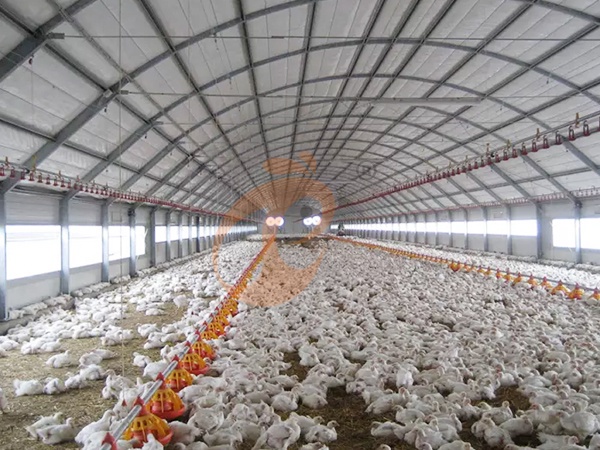
Ethiopia’s poultry sector is dominated by smallholder farmers using traditional floor systems.
These systems rely on scavenging and limited supplementation, resulting in constrained productivity.
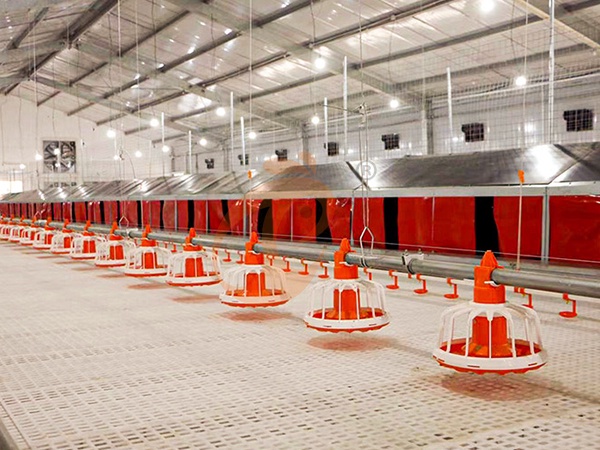
In contrast, commercial poultry systems adopting modern poultry farming systems are emerging near urban centers such as Addis Ababa and Adama.
Data is for reference only.Swipe horizontally to view full table.
This gap illustrates the structural inefficiency in traditional systems and highlights opportunities for modernization.
Feed Efficiency And Cost Control
Feed represents the dominant cost component in Ethiopian poultry operations, often exceeding 65 percent of total expenditure.
Inefficiencies in floor systems arise from spillage, contamination, and uneven bird access.
Data Is For Reference Only.Swipe Horizontally To View Full Table.
Reduced feed waste directly improves profitability under volatile maize and soybean markets in Ethiopia.
Land Use And Stocking Density
Urban expansion in Ethiopia limits available agricultural land, especially in peri-urban poultry clusters.
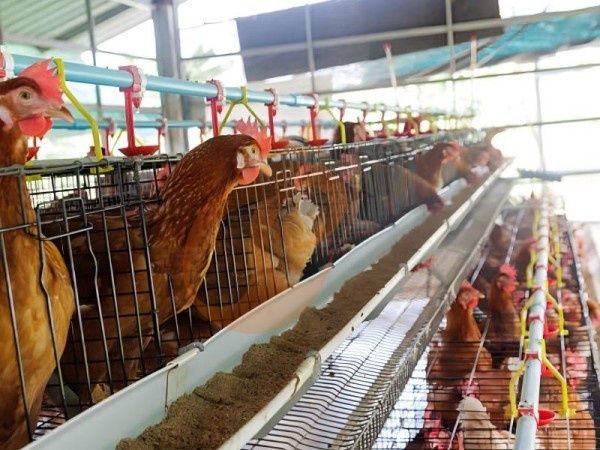
Chicken cage systems allow vertical stacking, maximizing output per square meter.
Data is for reference only.Swipe horizontally to view full table.
This density advantage supports scalable poultry farming Ethiopia in constrained land environments.
Labor Efficiency And Management
Labor availability in Ethiopia is shifting due to rural-urban migration trends.
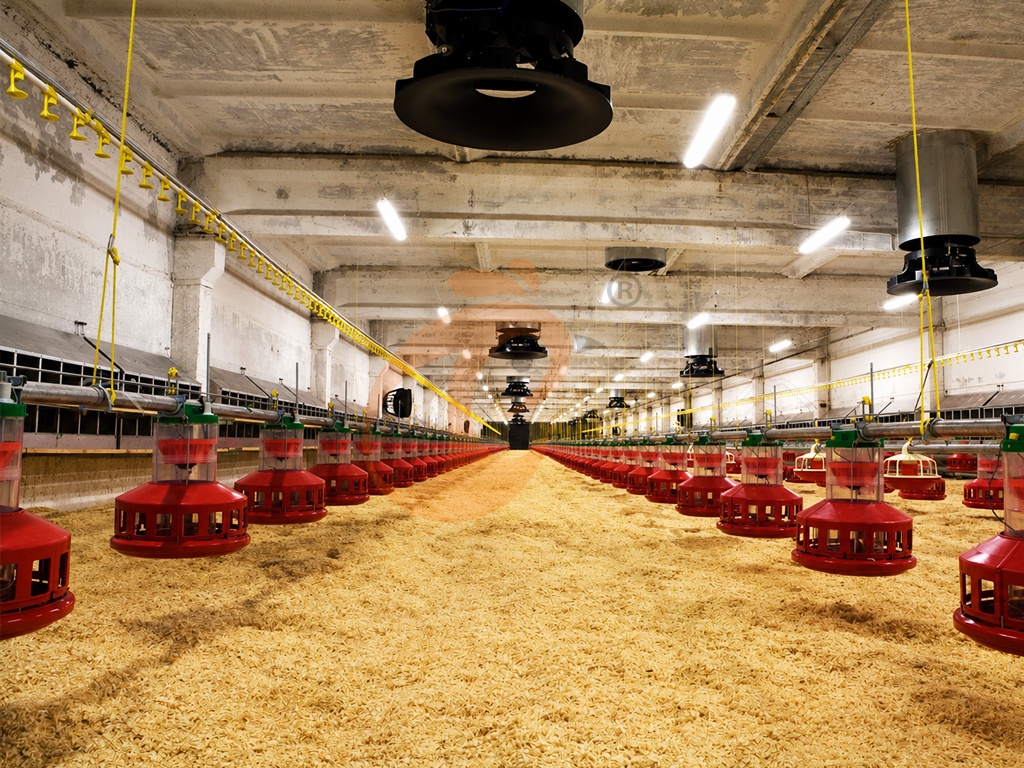
Floor systems require repetitive manual operations including feeding, egg collection, and cleaning.
Data is for reference only.Swipe horizontally to view full table.
Reduced labor dependency aligns with commercial farm expansion strategies.
Egg Quality And Market Value
Urban consumers in Ethiopia prefer clean and uniform eggs, influencing pricing structures.
Chicken cage systems separate eggs from manure, improving hygiene standards.
Data is for reference only.Swipe horizontally to view full table.
Higher egg quality enhances access to premium urban markets.
Disease Control And Biosecurity
Disease outbreaks such as Newcastle disease significantly impact Ethiopian poultry farms.
Floor systems expose birds to pathogens through litter and environmental contact.
Data is for reference only.Swipe horizontally to view full table.
Improved biosecurity stabilizes production cycles and reduces economic losses.
Climate Adaptability In Ethiopian Regions
Ethiopia's climate ranges from highland cool zones to lowland arid regions.
Floor systems are naturally ventilated but lack environmental control.
Data is for reference only.Swipe horizontally to view full table.
Controlled environments improve consistency across seasons.
Investment And Financial Returns
Transitioning to modern systems requires capital investment, which is a barrier for many Ethiopian farmers.
However, improved efficiency leads to stronger financial performance.
European union standard reference only.
Data is for reference only.Swipe horizontally to view full table.
Access to financing mechanisms is critical for adoption.
Manure Management And Environmental Impact
Poultry manure is widely used as fertilizer in Ethiopian agriculture.
Proper handling improves nutrient value and reduces environmental impact.
Data is for reference only.Swipe horizontally to view full table.
Improved manure handling creates additional revenue opportunities.
Social And Practical Considerations
Adoption of modern poultry farming systems must consider local socioeconomic realities.
Smallholder farmers often face limited access to training and financing.
Gradual integration of chicken cage systems through cooperatives can improve adoption rates.
Frequently Asked Questions
Q1: Is chicken cage suitable for Ethiopian climate conditions?
Yes, chicken cage systems can perform effectively across Ethiopian regions when proper ventilation and housing design are implemented.
In hotter lowland areas, farmers should integrate airflow systems and shading structures to maintain bird comfort.
Q2: What is the main challenge for Ethiopian farmers adopting cage systems?
The primary challenge is initial capital investment and limited access to credit facilities.
Cooperative financing and government-supported agricultural loans can reduce this barrier significantly.
Q3: How can small farmers transition from floor systems to cage systems?
Farmers can start with semi-intensive systems and gradually introduce small-scale cage units.
Training programs and extension services are essential to ensure proper system management and long-term success.
Ethiopia Best Hebei Machinery Manufacturing Plc - One Of Ethiopia Largest Chicken Cage Manufacturer
Global factory direct supply ensures cost control and consistent quality across all poultry farm equipment projects.
Comprehensive poultry cage systems designed for durability, efficient production, and long operational lifespan in diverse environments.
Turn-key engineering solutions covering design, manufacturing, installation, and technical training for poultry farms.
Advanced production facilities supporting large-scale orders with standardized manufacturing and strict quality control processes.
Professional service team providing after-sales support, maintenance guidance, and long-term cooperation for farm expansion.
Contact Us To Received Your Customized Poultry Farm Plan
Headquarters And Branchs

Hong Kong Headquarter Management Team
Hong Kong Headquarter Taiyu Industrial Group CO., LTD
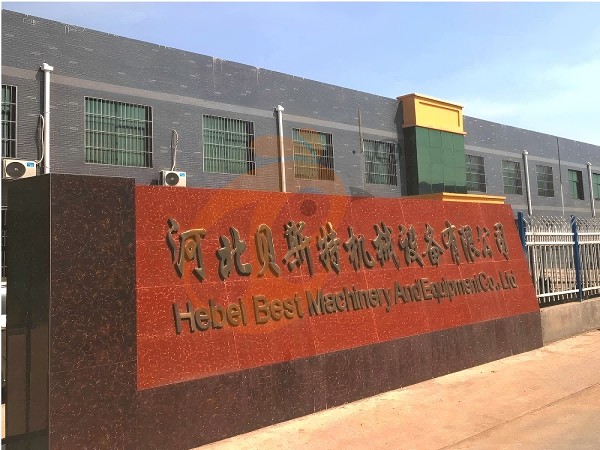
China Hebei Best Machinery And Equipment CO., LTD
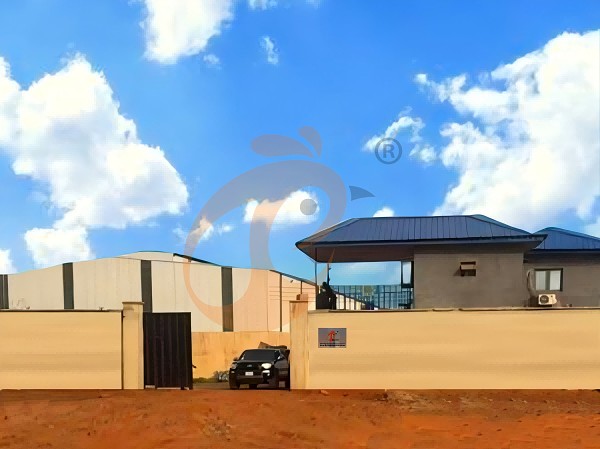
Nigeria Vanke Machinery And Equipment CO., LTD
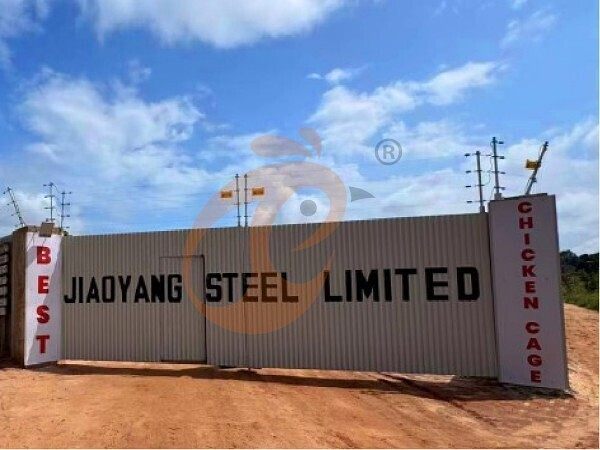
Tanzania Best Machinery And Equipment CO., LTD
Ethiopia Best Hebei Machinery Manufacturing PLC

Reception /24 WhatsApp NO. : +8618830120193
PRODUCTS RECOMMENDED
 China Branch Manufacture Poultry Farm EquipmentRead More
 Ethiopia Branch Manufacture Poultry Farm EquipmentRead More
 Nigeria Branch Manufacture Poultry Farm EquipmentRead More
 Tanzania Branch Manufacture Poultry Farm EquipmentRead More
 IoT Smart Poultry FarmRead More
 >30,000 Layers Automatic H Type Battery CageRead More
 10,000 - 30,000 Layers Automatic A Type Battery CageRead More

MESSAGE
NEWS
 What Makes A Factory-Direct A Type Chicken Battery Cage More Cost-Effective? 4 ReasonsRead More
 Deep Litter System For Broilers Vs Cage | Which Is More Profitable?Read More
 Free Range Broiler System Vs Intensive Farming | Which Is More Profitable?Read More
 Broiler Floor Rearing System Cost | 6 Factors Affecting PriceRead More