

BLOG
This article explores poultry housing profitability and layer farming systems in Ethiopia, including egg production Ethiopia insights to inform farm decisions.
It describes key elements of chicken cage and cage‑free systems, including costs, feed efficiency, labor demands, and market pricing.
The content highlights Ethiopian local challenges, practical solutions, and data tables to support investment and management decisions.
Comparative analysis between systems demonstrates profitability differences.
Environmental and sustainability considerations are also addressed.
Risk factors unique to Ethiopian poultry farms are discussed.
Recommendations include feed formulation, marketing, and technical support for local farmers.
Get professional poultry farm construction guidance, equipment selection solutions, and the latest price lists, whatsApp to +8618830120193, click to learn more:

Ethiopia Branch Office And Factory Of Poultry Farm Equipment
Overview Of Layer Production In Ethiopia
Ethiopia's poultry sector supports rural incomes and urban nutrition.
Layer farming systems are evolving due to rising egg demand in cities such as Addis Ababa and Hawassa.
Producers in peri‑urban areas invest in structured housing to improve efficiency and consistency.
Smallholders in rural Amhara and Oromia rely on diverse approaches, but scalability remains an issue.
Supply chain factors like feed cost exposure and disease control influence farming profitability.
Urban markets expect steady supply and quality assurance from commercial farms.
Data is for reference only. Swipe horizontally to view full table.
Defining The A Type Chicken Cage System
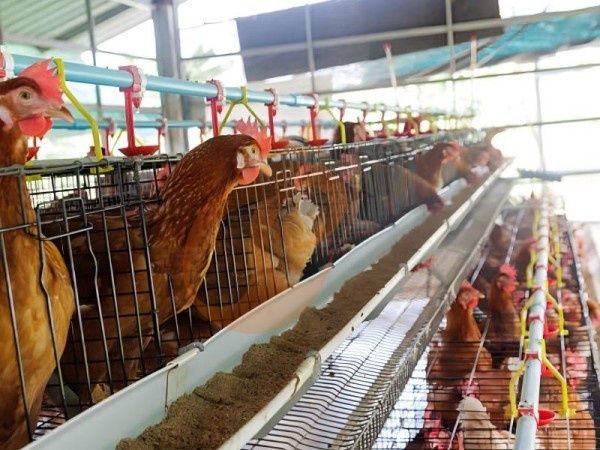
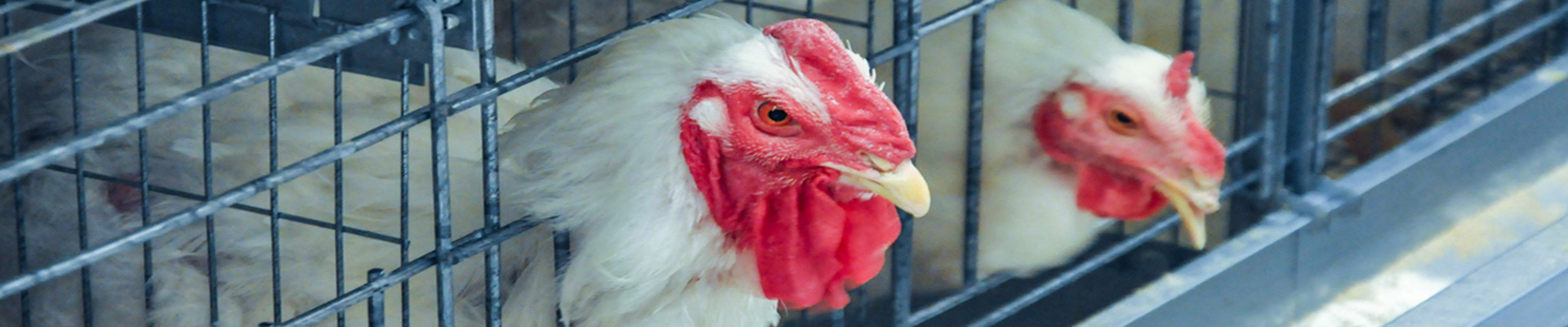
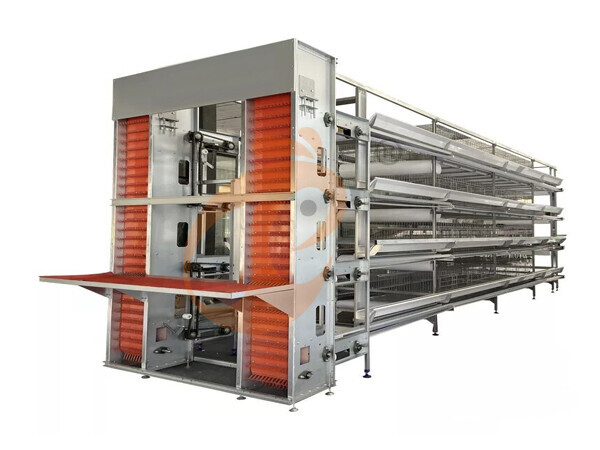
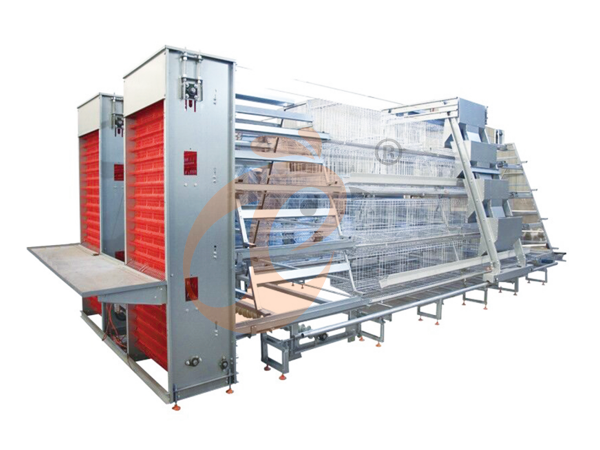
The A type chicken cage system uses raised metal frames to house layers in segregated units.
Eggs roll onto collection belts to reduce handling time and error.
Feeding and water functions are delivered through systematic troughs and nipple lines.
This approach supports tighter control of feed intake and barn hygiene.
Local fabricators in Ethiopia construct cage modules to match flock sizes.
Initial capital investment is often offset through improved feed efficiency and production consistency.
Data is for reference only. Swipe horizontally to view full table.
Defining The Cage‑Free System
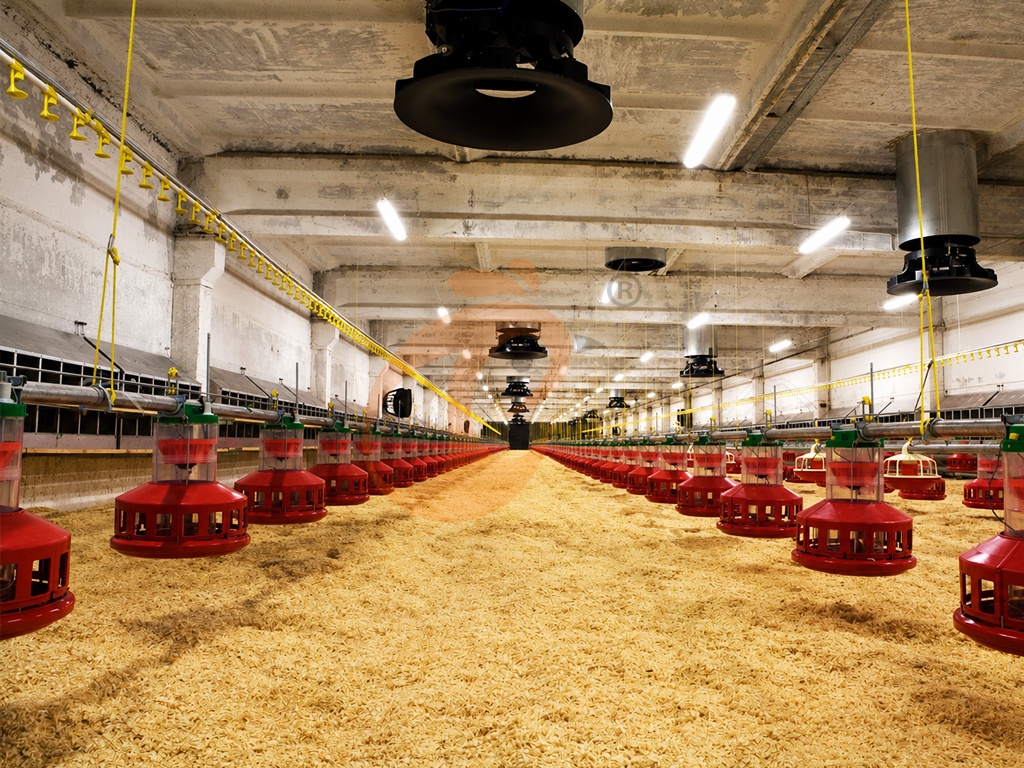
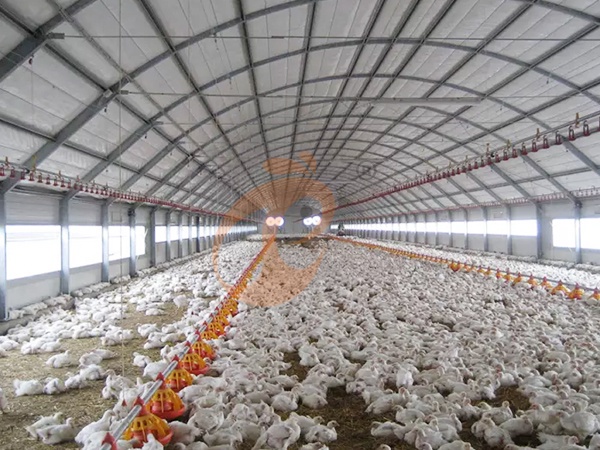
Cage‑free systems allow birds to move within a barn floor for perching and nesting access.
Barn designs include nest boxes, litter areas, and open feeding stations.
Bird movement is unrestricted horizontally, but biosecurity must be robust to prevent disease exposure.
Floor systems attract interest from producers targeting specific urban market segments.
Cage‑free systems require careful litter management to minimize ammonia and respiratory risks.
Consistent training and maintenance are key to achieving stable outputs.
Data is for reference only. Swipe horizontally to view full table.
Feed Efficiency And Production Outputs
Feed cost dominates operational expenses in Ethiopian layer farming.
Imports of soybean meal and maize introduce variability in pricing and supply.
Feed conversion differences significantly affect net returns and resource allocation.
Farms optimizing feed use gain competitive advantage in egg production and cost.
Nutrition programs incorporating local ingredients like noug cake are gaining uptake.
Understanding feed economics is essential for long‑term sustainability.
Data is for reference only. Swipe horizontally to view full table.
Labor Requirements And Management
Ethiopian farms exhibit wide variation in labor resources.
Commercial layer farms near cities can recruit trained workers.
Rural farms often depend on family labor and seasonal help.
Cage‑free systems require more time for litter handling and floor inspection.
Chicken cage systems need focused monitoring of equipment and feed lines.
Designs that simplify routines improve consistency and reduce unplanned labor costs.
Data is for reference only. Swipe horizontally to view full table.
Disease And Biosecurity Challenges
Disease pressure in Ethiopia includes Newcastle virus and other poultry pathogens.
Biosecurity protocols vary among farming communities and influence survival rates.
Chicken cage systems separate birds from litter, aiding sanitation regimes.
Cage‑free environments require strict litter changes and air quality management.
Training in vaccination schedules and disinfection workflows improves flock health.
Linking local veterinary services with producers strengthens disease surveillance.
Data is for reference only. Swipe horizontally to view full table.
Market Preferences And Price Premiums
Urban consumers in Ethiopia seek quality and flavor in eggs.
Some buyers pay additional amounts for eggs perceived as premium or traditional.
Cage‑free labeled eggs attract specific city segments willing to spend more.
Standard eggs maintain steady demand across urban and rural markets.
Price premiums vary among retail channels and local purchasing power.
Strategic labeling and supply reliability drive market positioning.
Data is for reference only. Swipe horizontally to view full table.
Profitability Model A Comparative Analysis
Profitability depends on feed expense, mortality management, labor costs and capital use.
Annual projections help farmers gauge expected net returns.
Variable conditions like feed price spikes affect both systems.
Chicken cage operations show tighter cost control with efficient feed use.
Cage‑free operations rely on market premiums to offset extra labor expense.
Selecting a system requires careful financial planning and local conditions.
Data is for reference only. Swipe horizontally to view full table.
Environmental Impact And Sustainability
Ethiopian water resources and waste handling shape sustainability priorities.
Chicken cage systems concentrate manure for easier collection and reuse.
Cage‑free systems distribute manure in litter requiring composting and storage.
Water use per bird influences operational cost and environmental footprint.
Adopting manure recycling improves soil fertility for crop integration.
Policy guidance on waste management enhances long‑term farm viability.
Data is for reference only. Swipe horizontally to view full table.
Risk Factors Unique To Ethiopia
Ethiopian producers face structural constraints affecting returns.
Feed import dependency makes cost forecasting difficult.
Electricity interruptions impact ventilation and production rhythms.
Access to credit for infrastructure is limited in many regions.
Investing in solar power reduces dependency on grid outages.
Cooperative marketing strengthens bargaining power for small producers.
Data is for reference only. Swipe horizontally to view full table.
Frequently Asked Questions
Q1: Is chicken cage system suitable for Ethiopian rural farms and conditions?
Chicken cage systems provide controlled feeding and sanitation benefits.
For rural farms with limited labor, structured design can reduce workload.
Investment support and training help rural adoption and improve outcomes.
Q2: Can cage‑free eggs command higher prices in Ethiopia?
Urban marketplaces show segments willing to pay premiums for cage‑free products.
Consistent quality and certification improve buyer confidence.
Marketing strategies help connect producers with premium demand.
Q3: How can Ethiopian farms reduce feed costs effectively?
Incorporating local feeds like noug cake and sorghum reduces import reliance.
Nutritionists design balanced rations to meet layer requirements.
Local sourcing supports rural economies while managing cost exposure.
Ethiopia Best Hebei Machinery Manufacturing Plc - One Of Ethiopia Largest Chicken Cage Manufacturer
Ethiopia Best Hebei Machinery Manufacturing Plc provides global factory direct sales to poultry farms.
The company offers comprehensive poultry farm equipment including poultry cage systems and feed lines.
Turn‑key engineering solutions are available for commercial layer and broiler facilities.
Service includes customized design, planning, training, and installation support in Ethiopia.
Clients benefit from reliable after‑sales parts, poultry technical support, and equipment warranties.
Contact Us To Received Your Customized Poultry Farm Plan
Headquarters And Branchs

Hong Kong Headquarter Management Team
Hong Kong Headquarter Taiyu Industrial Group CO., LTD
China Hebei Best Machinery And Equipment CO., LTD
Nigeria Vanke Machinery And Equipment CO., LTD
Tanzania Best Machinery And Equipment CO., LTD
Ethiopia Best Hebei Machinery Manufacturing PLC




Reception /24 WhatsApp NO. : +8618830120193
PRODUCTS RECOMMENDED
 China Branch Manufacture Poultry Farm EquipmentRead More
 Ethiopia Branch Manufacture Poultry Farm EquipmentRead More
 Nigeria Branch Manufacture Poultry Farm EquipmentRead More
 Tanzania Branch Manufacture Poultry Farm EquipmentRead More
 IoT Smart Poultry FarmRead More
 >30,000 Layers Automatic H Type Battery CageRead More
 10,000 - 30,000 Layers Automatic A Type Battery CageRead More
MESSAGE
NEWS
 What Makes A Factory-Direct A Type Chicken Battery Cage More Cost-Effective? 4 ReasonsRead More
 Deep Litter System For Broilers Vs Cage | Which Is More Profitable?Read More
 Free Range Broiler System Vs Intensive Farming | Which Is More Profitable?Read More
 Broiler Floor Rearing System Cost | 6 Factors Affecting PriceRead More