

BLOG
Large scale Ethiopian chicken cage return on investment calculation guides investors.
Covers CAPEX, OPEX, feed efficiency, and seasonal revenue impacts.
Explains climate control adaptation and labor reduction strategies for farms.
Highlights manure monetization and biosecurity management for profitability.
Includes seasonal fasting effects and price volatility considerations for eggs.
Provides 5-year return on investment projections under different management scenarios.
Discusses technical training requirements and local feed formulation solutions.
Shows how to align production cycles with Orthodox Church fasting calendars.
Get professional poultry farm construction guidance, equipment selection solutions, and the latest price lists, whatsApp to +8618830120193, click to learn more:

Ethiopia Branch Office And Factory Of Poultry Farm Equipment
The Ethiopian Poultry Context Beyond Backyard Scavenging
Ethiopia is undergoing a fundamental shift in protein demand.
Urban centers like Addis Ababa, Adama, and Bahir Dar are expanding rapidly.
Traditional backyard systems cannot meet the 2.9 million quintals of eggs required by commercial outlets.
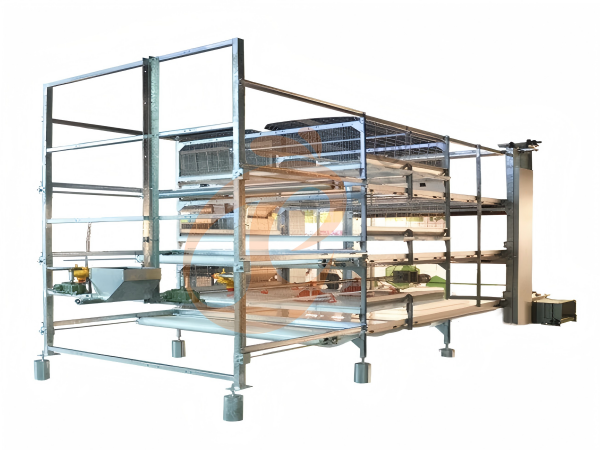
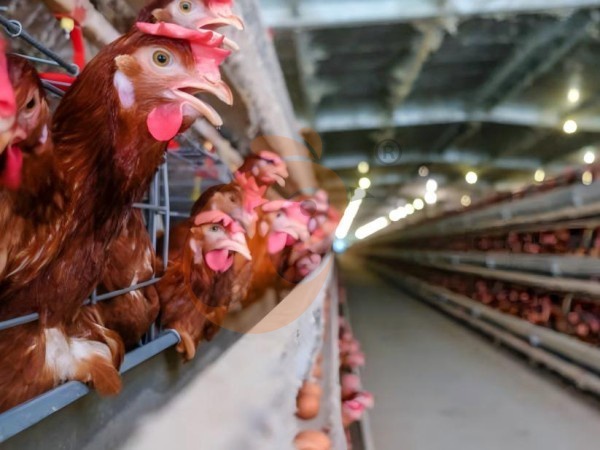
Large H type chicken cage farms (30,000–100,000 capacity) maximize space and efficiency.
Investors must consider Orthodox fasting periods, currency volatility, and local logistics to calculate return on investment accurately.
Capital Expenditure (CAPEX) In Birr
The first step in return on investment calculation is determining total initial investment.
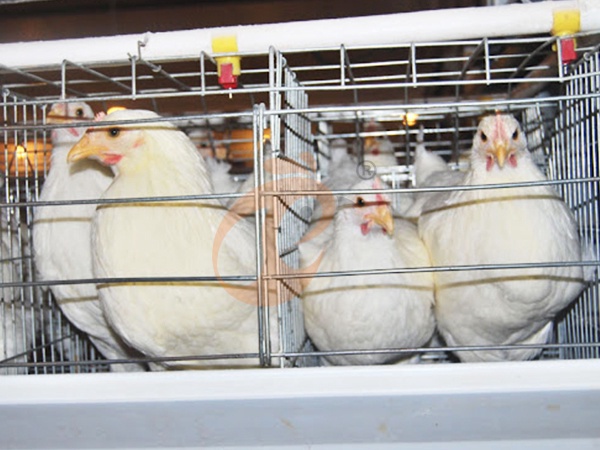
H-type chicken cages are preferred over deep litter or A-type systems.
They increase bird density and reduce land use near commercial zones like Debre Zeit and Bishoftu.
Government customs exemptions help reduce costs, but Birr depreciation increases landed equipment costs.
Data is for reference only.Swipe horizontally to view full table.
The Altitude Adjustment Climate Control Costs
Highland farms (1,800–2,500m) face high diurnal temperature variation.
Night temperatures are moderate but midday heat requires controlled ventilation.
Without proper ventilation, ammonia buildup in chicken cages reduces egg production.
Key Environmental Parameters For Return On Investment Modeling
Target Temperature Range: 18°C – 25°C
- Ventilation Rate: 3–4 m³ per bird per hour
- Electricity Availability: Average 12 hours grid supply requires solar CAPEX
Data is for reference only.Swipe horizontally to view full table.
Feed Optimization And Cost Management
Local ingredients like Noug cake reduce imported soybean dependency.
Feed price volatility between Meher and Belg seasons affects return on investment projections.
Data is for reference only.Swipe horizontally to view full table.
Revenue Dynamics And Fasting Seasons
Ethiopian Orthodox fasting reduces egg demand by 40–50% during Great Lent.
Prices increase significantly during Fasika and Genna.
Flock management and molting cycles align production with peak prices.
Data is for reference only.Swipe horizontally to view full table.
Labor Efficiency And Technical Training
H-type chicken cages reduce labor by 70% compared to deep litter farms.
Skilled technicians manage feeding, egg collection, and maintenance.
Technical training is essential to maintain performance and reduce turnover risks.
Data is for reference only.Swipe horizontally to view full table.
Manure Monetization And Additional Revenue
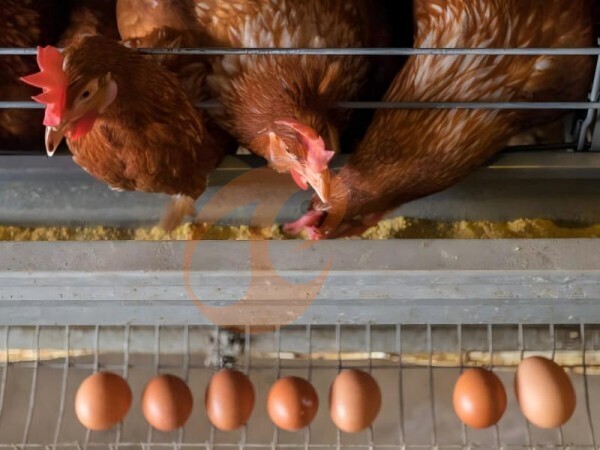
Chicken cages produce 5 metric tons of raw manure daily.
Belt drying reduces moisture, making manure sellable at 500–800 Ethiopian Birr per quintal.
Manure revenue offsets water and electricity costs.
Data is for reference only.Swipe horizontally to view full table.
Biosecurity And Mortality Contingency
Controlled chicken cages reduce mortality to 2–3% for layers.
Water quality and vaccination schedules are critical for return on investment stability.
Data is for reference only.Swipe horizontally to view full table.
Return On Investment Timeline And Sensitivity Analysis
Total CAPEX: 44,000,000 Ethiopian Birr
Total Annual OPEX (Feed + Labor + Vet + Elec): ~78,000,000 Ethiopian Birr
Total Annual Revenue (Eggs + Spent Hens + Manure): ~95,000,000 Ethiopian Birr
Data is for reference only.Swipe horizontally to view full table.
FAQ
Q1: Are H type chicken cages suitable for Ethiopian highlands?
A1: Yes, these cages adapt to highland temperature fluctuations.
Proper tunnel ventilation and cooling pads reduce heat stress and maintain egg production.
Q2: How can feed cost volatility in Ethiopia affect return on investment?
A2: Local feed ingredients like Noug cake or maize stabilize costs.
Proper feed formulation reduces dependency on imported soybean meal and mitigates Birr depreciation impact.
Q3: How should farmers handle mortality risks in Ethiopian conditions?
A3: Strict vaccination schedules and water quality management minimize mortality.
Using chicken cages reduces disease exposure compared to deep litter systems.
Ethiopia Best Hebei Machinery Manufacturing Plc - One Of Ethiopia Largest Chicken Cage Supplier
HB BEST offers global factory direct sales of high quality poultry farm equipment.
The company provides comprehensive poultry cage solutions and Turn-key farm engineering services.
All equipment is adapted for Ethiopian conditions and highland climate control requirements.
HB BEST supports installation, technical training, and maintenance for large H type farms.
Investors can access cost-effective and reliable chicken cages with global service assurance.
Contact Us To Received Your Customized Poultry Farm Plan
Headquarters And Branchs

Hong Kong Headquarter Management Team
Hong Kong Headquarter Taiyu Industrial Group CO., LTD
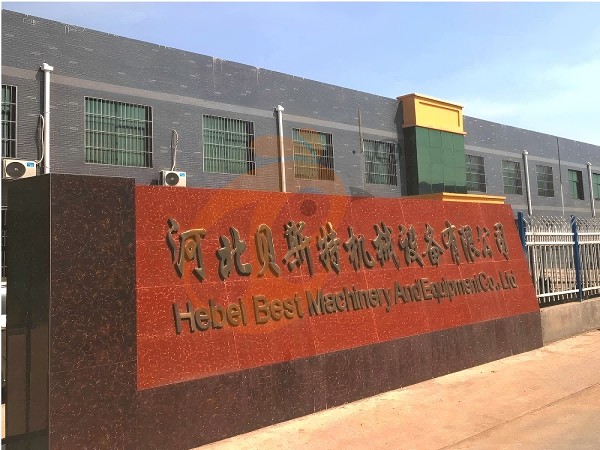
China Hebei Best Machinery And Equipment CO., LTD
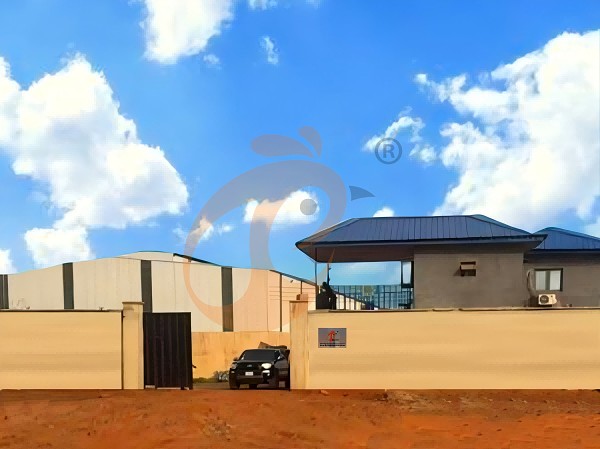
Nigeria Vanke Machinery And Equipment CO., LTD
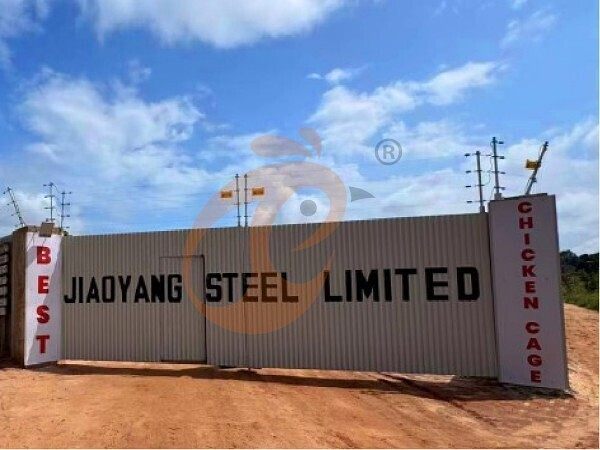
Tanzania Best Machinery And Equipment CO., LTD
Ethiopia Best Hebei Machinery Manufacturing PLC
Reception /24 WhatsApp NO. : +8618830120193
PRODUCTS RECOMMENDED
 China Branch Manufacture Poultry Farm EquipmentRead More
 Ethiopia Branch Manufacture Poultry Farm EquipmentRead More
 Nigeria Branch Manufacture Poultry Farm EquipmentRead More
 Tanzania Branch Manufacture Poultry Farm EquipmentRead More
 IoT Smart Poultry FarmRead More
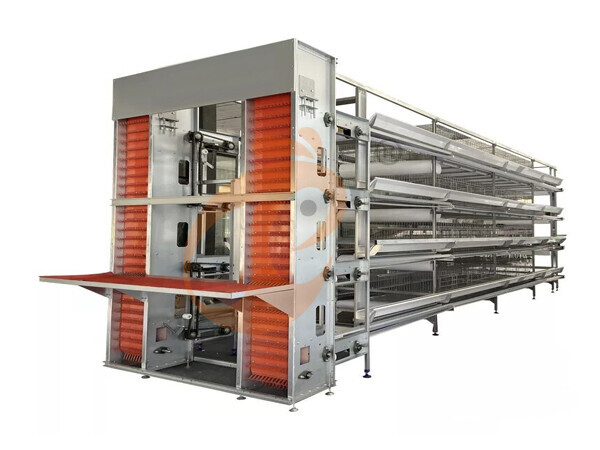
 >30,000 Layers Automatic H Type Battery CageRead More
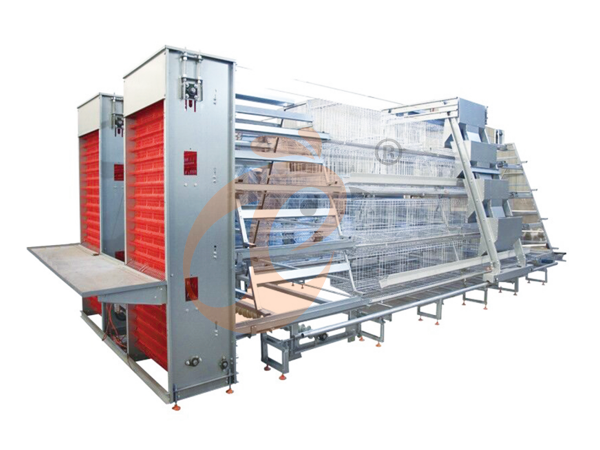
 10,000 - 30,000 Layers Automatic A Type Battery CageRead More
MESSAGE
NEWS
 How To Improve Broiler Welfare In Broiler Chicken Cages | 6 Practical StepsRead More
 What Is The Export Price Of Poultry Cage System? 5 International Cost FactorsRead More
 5 Easy Ways To Maximize H Type Chicken Cage Space UtilizationRead More
 What Is The Average Egg Production In An A Type Battery Cage For Layers? 5 IndicatorsRead More