

BLOG
Ethiopia poultry farming increasingly adopts commercial automated chicken cage systems to boost efficiency and reduce operational costs.
The article analyzes land utilization, feed efficiency, and vertical stacking advantages in H-type chicken cages.
Bio-security measures, manure management, and disease prevention are examined for healthier flocks.
Egg collection automation, labor savings, and egg quality improvements are highlighted.
Water conservation, nipple drinking systems, and ventilation strategies in Ethiopian climates are discussed.
Investment benefits, galvanized steel durability, and return on investment are compared to traditional floor systems.
Suggested flock sizes, cage dimensions, and layer numbers are included for practical guidance.
- Overall, the article provides actionable insights for Ethiopian entrepreneurs entering commercial poultry farming.
Get professional poultry farm construction guidance, equipment selection solutions, and the latest price lists, whatsApp to +8618830120193, click to learn more:

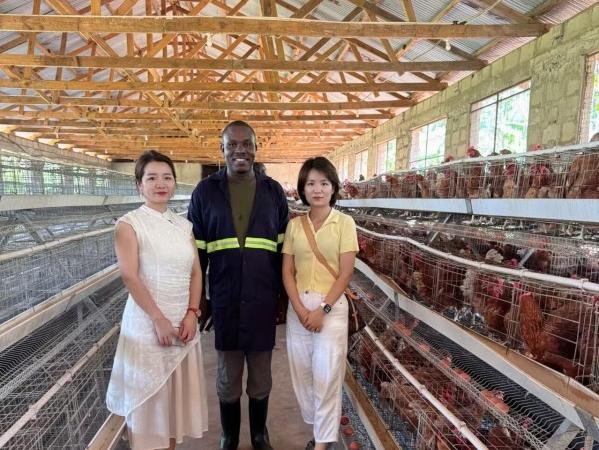
Ethiopia Branch Office And Factory Of Poultry Farm Equipment
Land Optimization
The primary driver for the adoption of H-type cages is the severe limitation of land in industrial zones surrounding Addis Ababa and Bishoftu.
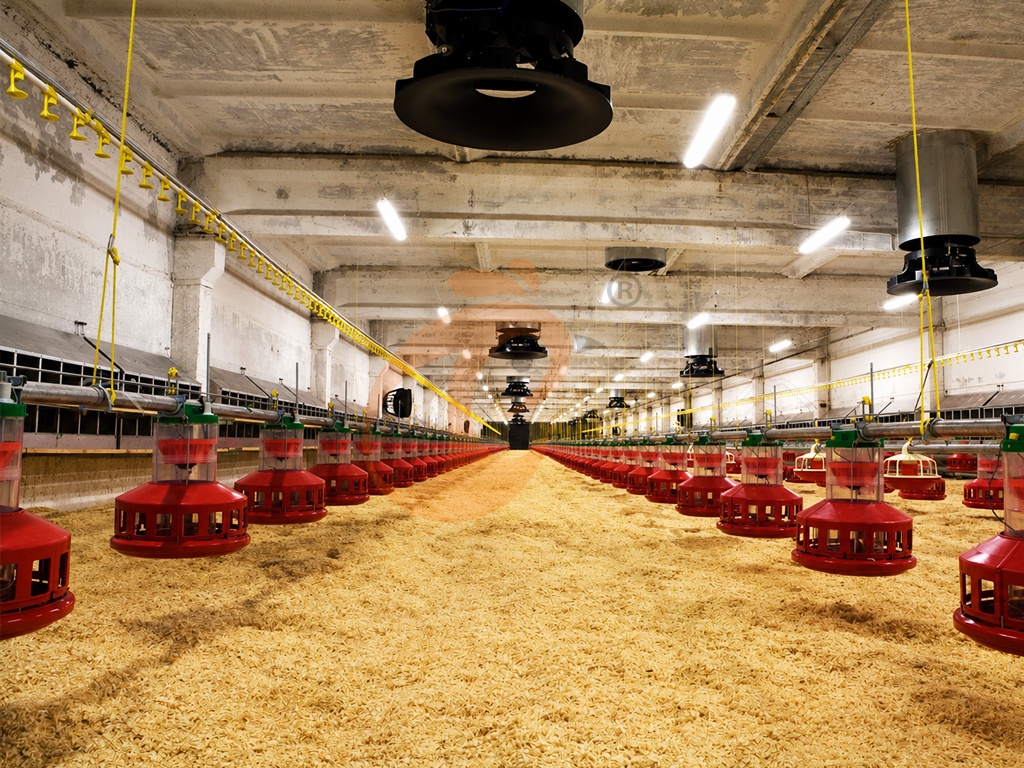
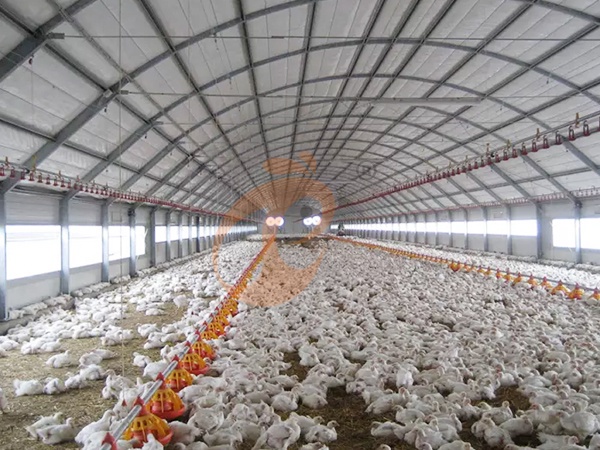
Traditional deep-litter systems require vast horizontal footprints, which are becoming prohibitively expensive.
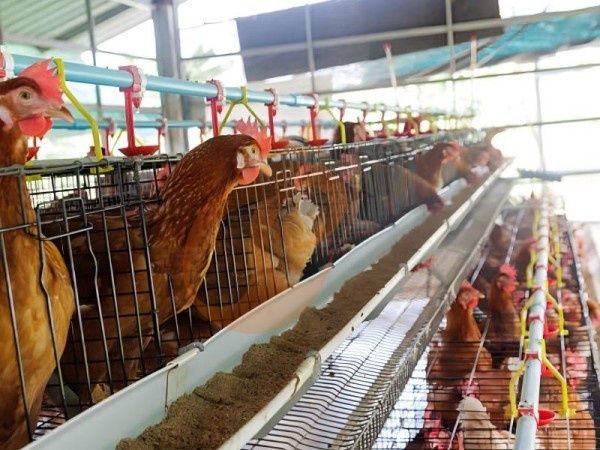
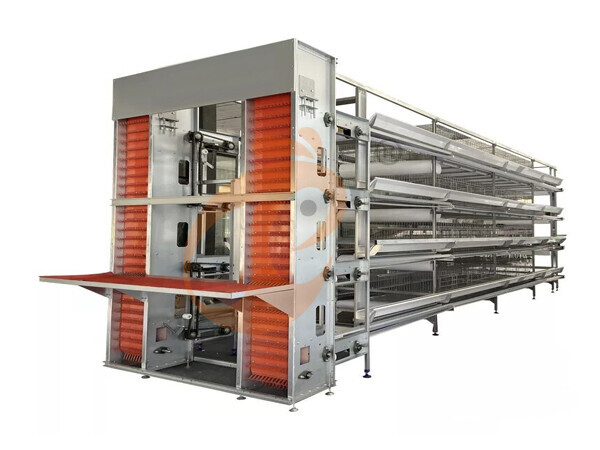
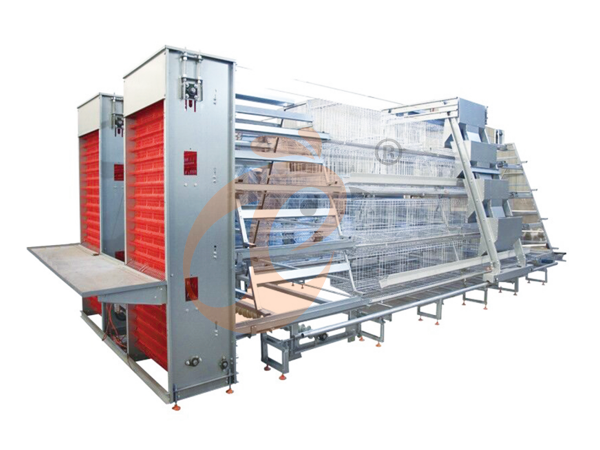
H-type chicken cages utilize vertical space, stacking tiers (usually 4 to 16 levels) to maximize the number of birds per square meter.
By stacking vertically, a farmer can house five times the population of a floor-based system within the same building footprint.
Vertical Integration: Utilizing the Z-axis allows for massive scale in limited geographic areas.
Reduced Construction Costs: Smaller building footprints lead to lower expenditures on roofing and foundation materials.
- Micro-Climate Control: Vertical structures facilitate better airflow management in high-altitude environments.
Data is for reference only.Swipe horizontally to view full table.
Feed Efficiency And Waste Management
In Ethiopia, feed costs account for approximately 70% to 80% of total production expenses.
With the price of maize and soy-meal fluctuating due to regional supply chain disruptions, minimizing waste is the most direct path to profitability.
In a floor system, birds frequently trample, contaminate, or scratch feed out of troughs.
H-type automated chicken cages feature precision-engineered feeding troughs and automated trolleys that deliver specific quantities of mash or pellets directly to the birds' reach.
Feed Conversion Ratio (FCR) Optimization: Controlled environments ensure that calories are converted to eggs rather than wasted on movement.
- Contamination Prevention: Feed is separated from the floor, preventing the mixing of feces and pathogens.
- Automated Delivery: Uniform distribution ensures that even the ''timid'' birds receive their required daily intake.
Data is for reference only.Swipe horizontally to view full table.
Bio Security And Health
Ethiopia's poultry industry faces persistent threats from diseases such as Newcastle Disease and Coccidiosis.
H-type chicken cages provide an inherent ''bio-security shield'' by separating the birds from their droppings.
In traditional systems, birds walk on their own excrement, leading to rapid bacterial spread.
H-type configurations use manure belts to remove waste daily.
- Manure Removal Belts: Polypropylene belts transport feces to external collection points.
- Aerosol Reduction: Regular removal of wet manure reduces ammonia levels, preventing respiratory issues.
- Direct Access: Farmers can inspect individual birds easily, allowing for the rapid isolation of sick individuals.
Data is for reference only.Swipe horizontally to view full table.
Egg Quality And Collection Efficiency
Manual collection in large-scale operations is prone to human error and high breakage rates.
H-type automated chicken cages incorporate automated egg collection belts that gently transport eggs from the nest to a central grading area.
- Soft-Touch Technology: Belts minimize vibration and collision.
- Cleanliness: Eggs do not touch the floor or manure, resulting in ''Grade A'' cleanliness without washing.
- Reduced Labor Intensity: Automated H-type chicken cages save 70–90% of labor compared to manual systems.
Data is for reference only.Swipe horizontally to view full table.
Water Consumption And System Specifications
Water scarcity is an emerging challenge in many parts of the Rift Valley and Northern Ethiopia.
Traditional bell drinkers often leak, creating damp litter that breeds bacteria and wastes water.
H-type chicken cages utilize nipple drinking systems with 360-degree activation, ensuring water is only released when a bird interacts with the valve.
- Pressure Regulators: Ensure consistent water flow regardless of the tier height.
- Filtered Lines: Prevent sediment buildup from Ethiopian borehole water.
- Leak Prevention: Drip cups catch excess water, keeping manure belts dry.
Data is for reference only.Swipe horizontally to view full table.
Environmental Control
The Ethiopian Highlands, characterized by warm days and cool nights, require housing systems that provide thermal stability.
H-type chicken cages, paired with automated ventilation, create a consistent micro-climate.
Unlike A-type cages, which can have ''dead zones'' of stagnant air, H-type cages allow uniform airflow across every tier.
- Uniformity Of Environment: Every bird, from top to bottom, experiences the same temperature.
- Enhanced Laying Cycle: Constant conditions prevent stress-induced molt.
- Ammonia Extraction: Side-wall fans and tunnel ventilation efficiently remove harmful gases.
Data is for reference only.Swipe horizontally to view full table.
Long Term Investment And Durability
Although initial investment is higher, H-type chicken cages offer faster return on investment due to scalability.
Galvanized steel construction ensures longevity (>25 years), even in humid or corrosive environments.
Data is for reference only.Swipe horizontally to view full table.
Frequently Asked Questions
Q1: Is H-type chicken cage suitable for small-scale Ethiopian farms?
Yes.
H-type cages can be scaled down for small farms, saving land and feed while maintaining bio-security and reducing labor.
Q2: How does this system help reduce costs in Ethiopian poultry operations?
Automated feed and water delivery reduce wastage.
Lower mortality and better FCR reduce medication and feed costs per bird.
Q3: Can H-type chicken cages withstand Ethiopian highland climate conditions?
Yes.
Controlled ventilation, uniform airflow, and thermal stability maintain laying performance even in wet and cold seasons.
Ethiopia Best Hebei Machinery Manufacturing Plc - One Of Ethiopia Largest Chicken Cage Manufacturer
Global factory direct sales ensure the best pricing for poultry farm equipment.
Full range of poultry cage solutions supports large commercial and small-scale farms.
Turn-key engineering projects provide complete setup from design to production.
Automated chicken cage systems reduce labor and improve efficiency significantly.
Technical support and long-term maintenance are available for all poultry farm equipment.
Contact Us To Received Your Customized Poultry Farm Plan
Headquarters And Branchs

Hong Kong Headquarter Management Team
Hong Kong Headquarter Taiyu Industrial Group CO., LTD
China Hebei Best Machinery And Equipment CO., LTD
Nigeria Vanke Machinery And Equipment CO., LTD
Tanzania Best Machinery And Equipment CO., LTD
Ethiopia Best Hebei Machinery Manufacturing PLC




Reception /24 WhatsApp NO. : +8618830120193
PRODUCTS RECOMMENDED
 China Branch Manufacture Poultry Farm EquipmentRead More
 Ethiopia Branch Manufacture Poultry Farm EquipmentRead More
 Nigeria Branch Manufacture Poultry Farm EquipmentRead More
 Tanzania Branch Manufacture Poultry Farm EquipmentRead More
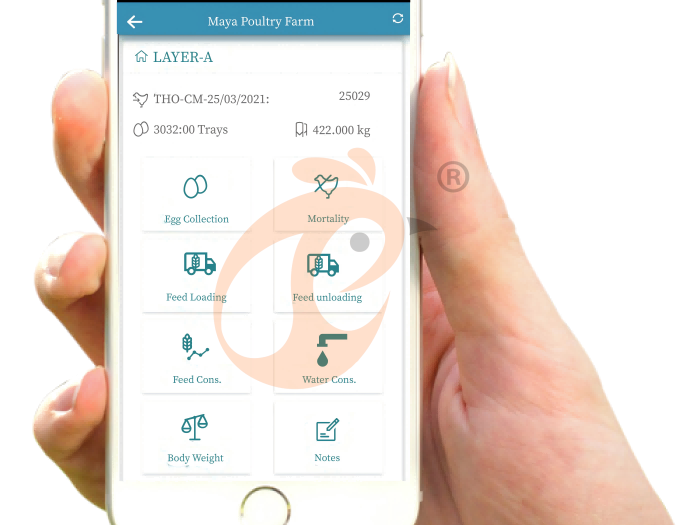
 IoT Smart Poultry FarmRead More
 >30,000 Layers Automatic H Type Battery CageRead More
 10,000 - 30,000 Layers Automatic A Type Battery CageRead More
MESSAGE
NEWS
 What Makes A Factory-Direct A Type Chicken Battery Cage More Cost-Effective? 4 ReasonsRead More
 Deep Litter System For Broilers Vs Cage | Which Is More Profitable?Read More
 Free Range Broiler System Vs Intensive Farming | Which Is More Profitable?Read More
 Broiler Floor Rearing System Cost | 6 Factors Affecting PriceRead More