

BLOG
Chicken cage system profitability drives commercial poultry expansion decisions in Ethiopia today.
This article compares investment cost, mortality, feed efficiency, and egg revenue.
Climatic adaptation across Ethiopian zones is analyzed for both housing systems.
Operational labor, disease control, and manure value are evaluated in detail.
A five-year profitability model highlights financial outcomes for investors.
Get professional poultry farm construction guidance, equipment selection solutions, and the latest price lists, whatsApp to +8618830120193, click to learn more:

Ethiopia Branch Office And Factory Of Poultry Farm Equipment
The Ethiopian Poultry Dilemma: Volume Vs. Welfare
In the highlands of Oromia and the peri-urban sprawl of Addis Ababa, poultry farmers face a critical financial decision.
For decades, the Ethiopian market has relied on traditional deep litter systems and backyard scavenging, where local breeds like the Horro or Fayoumi scratch for survival.
However, with the urban population demanding affordable protein, the pressure to intensify production is immense.
The central question for a farm owner in Bishoftu or Debre Zeit is not just about animal welfare, it is strictly about the bottom line.
While H-type chicken cages offer density, they require significant capital.
Conversely, cage-free systems promise lower entry costs but risk higher mortality and feed wastage.
To determine which system yields superior returns, one must scrutinize the operating conditions of Ethiopia, including power instability and feed cost volatility.
Climatic Adaptability And Mortality Rates In Ethiopian Agroeconomies
Ethiopia's diverse topography ranges from cool Dega zones at 2,500–3,500 meters above sea level to hot Kolla lowlands below 1,500 meters.
In the Afar lowlands, heat stress significantly reduces productivity and survival rates.
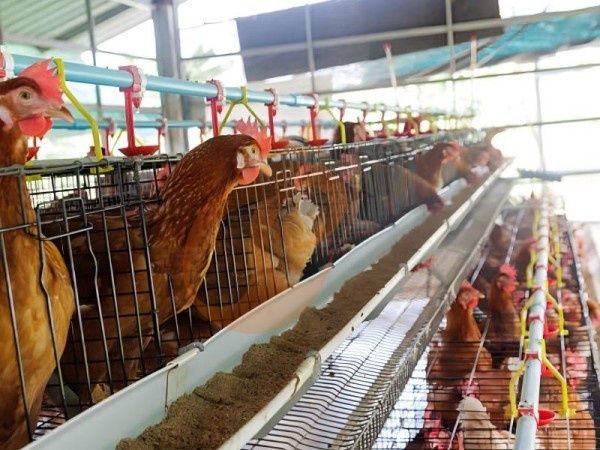
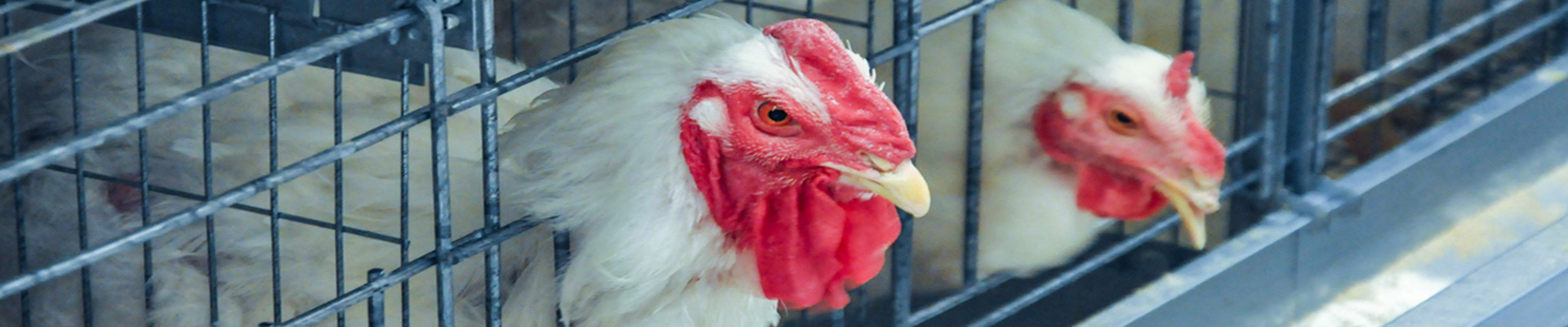
H-type chicken cages use vertical airflow to reduce internal temperature accumulation and improve bird comfort.
Cage-free systems often suffer from poor ventilation and bird clustering near water points.
In cooler regions, cage-free housing can perform adequately if wind protection is properly implemented.
Data is for reference only. Swipe horizontally to view full table.
Capital Expenditure (Capex): The Hurdle Of Initial Investment
Initial capital determines feasibility for most Ethiopian poultry investors.
Cage-free systems require simpler structures and lower upfront investment.
However, rising land costs favor vertical systems like H-type chicken cages.
A 10,000-layer farm using cages requires reinforced structures and backup power systems.
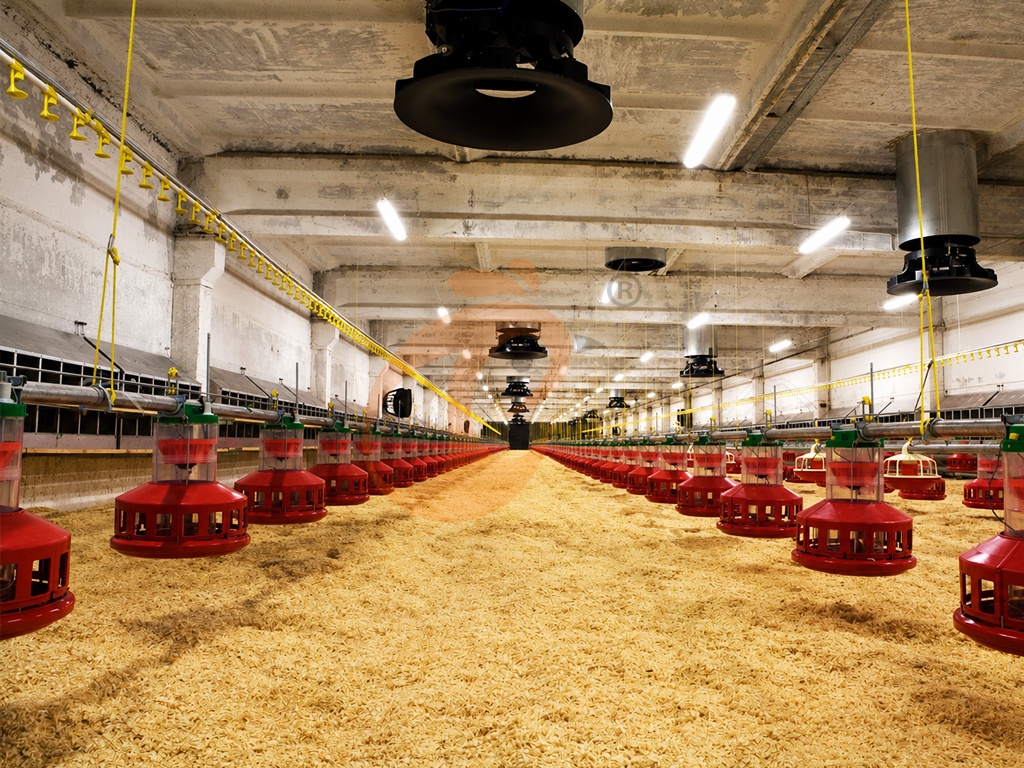
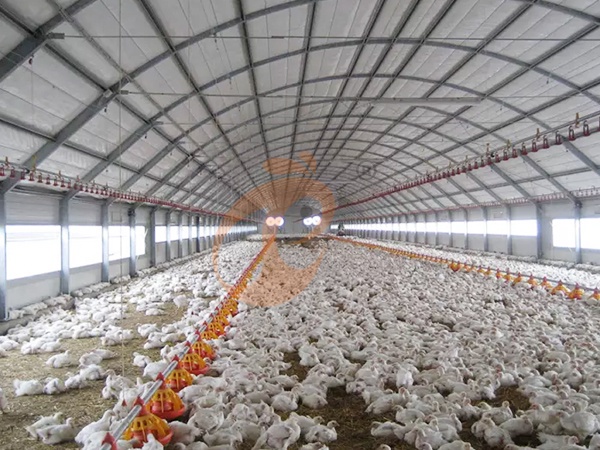
Cage-free systems rely on simpler housing but consume more land area.
Data is for reference only. Swipe horizontally to view full table.
European union standard reference only.
Operational Efficiency And Labor Costs In The Ethiopian Context
Labor costs in Ethiopia range between 18 and 25 Ethiopian Birr per hour.
Cage-free systems require more manual work in feeding, egg collection, and cleaning.
H-type chicken cages centralize operations and reduce labor dependency.
However, power interruptions may affect automated systems.
Data is for reference only. Swipe horizontally to view full table.
Feed Conversion Ratio (FCR): The Economics Of Digestion
Feed accounts for approximately 70% of poultry production costs.
Cage-free birds consume more feed due to higher activity levels.
H-type chicken cages improve feed efficiency by limiting movement.
This difference becomes critical under rising feed prices in Ethiopia.
Data is for reference only. Swipe horizontally to view full table.
Disease Management And Biosecurity In High Density Zones
Disease outbreaks such as Newcastle disease remain a major risk in Ethiopia.
H-type chicken cages reduce transmission through separation and manure control.
Cage-free systems expose birds to shared contaminated litter.
Veterinary access limitations increase risk in rural regions.
Data is for reference only. Swipe horizontally to view full table.
European union standard reference only.
Egg Quality Grading And Market Access In Addis Ababa
Egg cleanliness directly impacts market pricing in Ethiopia.
H-type chicken cages produce cleaner eggs through automated rolling systems.
Cage-free systems result in higher contamination and breakage rates.
Data is for reference only. Swipe horizontally to view full table.
The Manure Opportunity: A Secondary Income Stream
Poultry manure has increasing value due to fertilizer shortages.
H-type chicken cages produce dry manure with higher nutrient concentration.
Cage-free systems generate bulkier and lower-value waste.
Data is for reference only. Swipe horizontally to view full table.
Return On Investment (ROI) And The Verdict For Ethiopia
H-type chicken cages provide stronger financial performance over time.
Higher feed efficiency and egg quality increase profitability.
Cage-free systems lose advantage after initial capital savings.
Data is for reference only. Swipe horizontally to view full table.
European union standard reference only.
Strategic System Selection Based On Farm Scale And Market Position
For Ethiopian investors, the decision between H-type chicken cages and cage-free systems should be aligned with market positioning and operational scale.
If the target is institutional buyers such as hotels, supermarkets, and large distributors in Addis Ababa, consistency in egg quality and volume is critical, which favors chicken cage systems.
However, for rural or semi-urban markets where price sensitivity is higher and infrastructure is limited, cage-free systems can remain competitive due to lower capital exposure.
A hybrid approach is also emerging in Ethiopia, where farmers start with cage-free systems and gradually transition to H-type chicken cages as cash flow stabilizes.
This phased investment strategy reduces financial risk while allowing producers to adapt to feed price fluctuations and evolving market demand.
Frequently Asked Questions
Q1: Is H type chicken cage suitable for Ethiopian climate conditions?
Yes, it performs well in hot regions by improving ventilation and reducing heat stress, especially in lowland areas like Afar.
Q2: Which system is better for small scale farmers in Ethiopia?
Cage-free systems are more suitable due to lower initial investment and reduced reliance on electricity infrastructure.
Q3: How can Ethiopian farmers reduce risks when using chicken cage systems?
Farmers should install backup power systems, maintain proper vaccination programs, and optimize feed management to stabilize production.
Ethiopia Best Hebei Machinery Manufacturing Plc - One Of Ethiopia Largest Chicken Cage Manufacturer
Global factory direct supply ensures cost efficiency and stable poultry farm equipment sourcing.
Advanced poultry cage systems designed for durability under Ethiopian climate conditions and long-term operation.
Turn-key engineering solutions covering design, installation, and technical training for poultry farms.
Strong export experience supports large-scale poultry projects with consistent quality control standards.
Integrated services include automation systems, feeding equipment, and manure management solutions.
Contact Us To Received Your Customized Poultry Farm Plan
Headquarters And Branchs

Hong Kong Headquarter Management Team
Hong Kong Headquarter Taiyu Industrial Group CO., LTD
China Hebei Best Machinery And Equipment CO., LTD
Nigeria Vanke Machinery And Equipment CO., LTD
Tanzania Best Machinery And Equipment CO., LTD
Ethiopia Best Hebei Machinery Manufacturing PLC




Reception /24 WhatsApp NO. : +8618830120193
PRODUCTS RECOMMENDED
 China Branch Manufacture Poultry Farm EquipmentRead More
 Ethiopia Branch Manufacture Poultry Farm EquipmentRead More
 Nigeria Branch Manufacture Poultry Farm EquipmentRead More
 Tanzania Branch Manufacture Poultry Farm EquipmentRead More
 IoT Smart Poultry FarmRead More
 >30,000 Layers Automatic H Type Battery CageRead More
 10,000 - 30,000 Layers Automatic A Type Battery CageRead More
MESSAGE
NEWS
 What Makes A Factory-Direct A Type Chicken Battery Cage More Cost-Effective? 4 ReasonsRead More
 Deep Litter System For Broilers Vs Cage | Which Is More Profitable?Read More
 Free Range Broiler System Vs Intensive Farming | Which Is More Profitable?Read More
 Broiler Floor Rearing System Cost | 6 Factors Affecting PriceRead More