

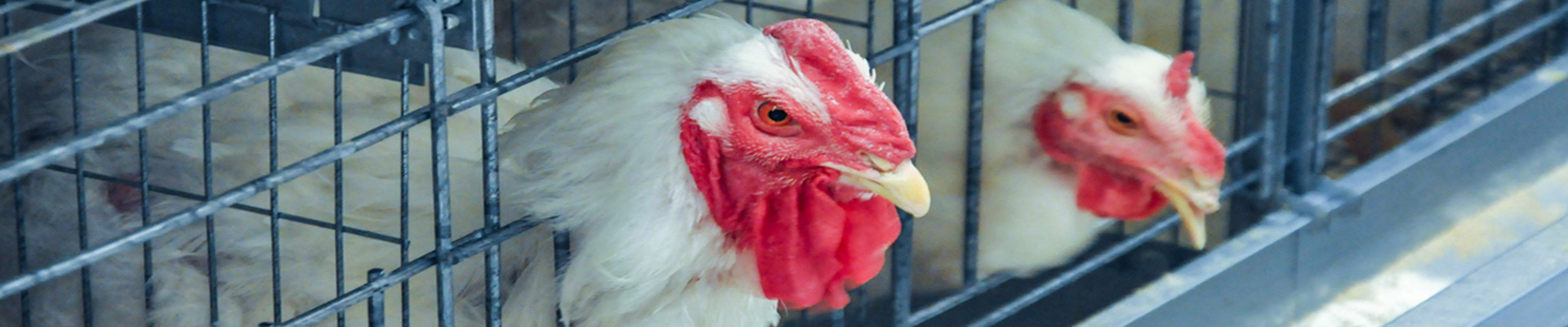
BLOG
Chicken cage systems in Ethiopia directly impact poultry farm profitability and operational efficiency.
This article compares economy chicken cages and automatic systems suitable for Ethiopian farms.
We analyze cost structures, labor requirements, feed efficiency, and long-term investments.
Tables provide Ethiopian-specific production data and investment estimates to support decision-making.
Recommendations focus on smallholder and commercial poultry operations in Ethiopia.
Considerations include electricity reliability, disease control, and local technical support.
Guidance aligns system choice with farm size, location, and capital availability.
Examples cover Addis Ababa, Oromia, Amhara, and other regional towns.
Get professional poultry farm construction guidance, equipment selection solutions, and the latest price lists, whatsApp to +8618830120193, click to learn more:

Ethiopia Branch Office And Factory Of Poultry Farm Equipment
Poultry Production Landscape In Ethiopia
Ethiopian poultry farming is primarily small to medium scale.
Urban population growth in Addis Ababa, Bahir Dar, Dire Dawa, and Mekelle drives higher demand for eggs and meat.
Farmers face investment decisions between economy chicken cages and automatic systems.
This article provides data-driven guidance to help farmers select systems matching operational budgets, production goals, and local conditions.
Data is for reference only. Swipe horizontally to view full table.
Overview Of Economy Chicken Cage Systems
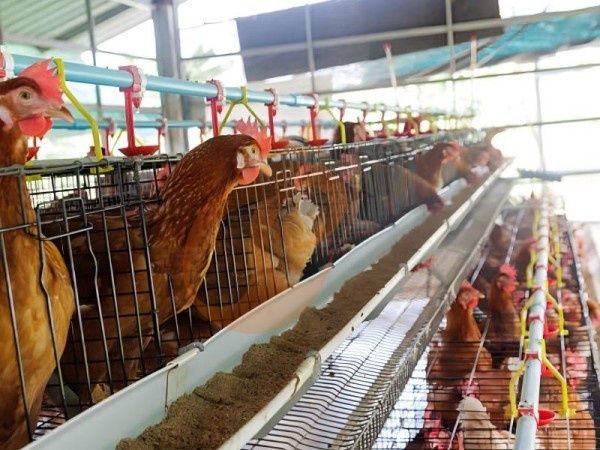
Economy chicken cage systems use simple wire cages arranged in tiers for cost-efficient poultry management.
Local workshops in Addis Ababa and regional towns provide fabrication and installation services.
Data is for reference only. Swipe horizontally to view full table.
Economy Cage Cost Breakdown In Ethiopia
Understanding cost components is crucial for Ethiopian smallholder farms.
For a 1,000-layer setup, costs include cage structure, manual feeders, waterers, installation, and transport.
Data is for reference only. Swipe horizontally to view full table.
Automatic Poultry System Overview
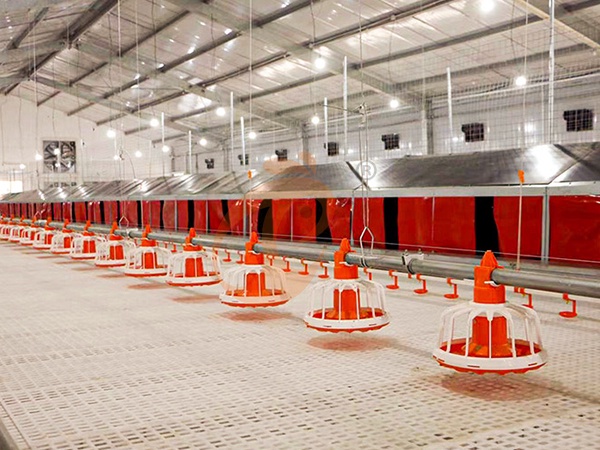
Automatic systems integrate mechanized feeding, watering, egg collection, ventilation, and environmental monitoring.
These systems are suitable for farms near cities with stable electricity and technical support.
Data is for reference only. Swipe horizontally to view full table.
Cost Structure Of Automatic Poultry Systems In Ethiopia
Automatic systems require higher capital but reduce labor and improve efficiency.
A 1,000-layer system includes cages, feeders, drinkers, egg belts, environmental control, installation, and training.
Data is for reference only. Swipe horizontally to view full table.
Labor Requirements And Operational Efficiency
Labor influences daily operational costs.
Economy cages require 4–8 hours of manual work per day, while automatic systems need 1–3 hours.
Data is for reference only. Swipe horizontally to view full table.
Feed Conversion And Productivity Impacts
Feed efficiency affects profitability.
Automatic feeding improves FCR, reduces mortality, and ensures more uniform eggs compared to manual feeding.
Data is for reference only. Swipe horizontally to view full table.
Power And Infrastructure Considerations
Reliable power is critical for automatic systems.
Farms should adopt backup generators or solar hybrid solutions to maintain operation during outages.
Data is for reference only. Swipe horizontally to view full table.
Total Cost Of Ownership Over 5 Years
Total cost over 5 years includes initial investment, labor, electricity, and maintenance.
Automatic systems show lower total operational costs despite higher upfront investment.
Data is for reference only. Swipe horizontally to view full table.
Risk And Resilience In Ethiopian Context
Ethiopian farms face disease, environmental stress, and feed wastage risks.
Automatic systems reduce these risks through controlled environment and reduced feed loss.
Data is for reference only. Swipe horizontally to view full table.
Which Fits Your Budget In Ethiopia
System choice depends on farm size, budget, labor, and power availability.
Data is for reference only. Swipe horizontally to view full table.
Practical Recommendations For Ethiopian Farmers
Evaluate cash flow and consider local microcredit schemes.
Implement solar or generator backup for automatic systems.
Join cooperatives to reduce costs and access technical support.
Train labor to operate and maintain automation effectively.
Monitor 3–5 year return on investment projections before large investments.
Frequently Asked Questions
Q1: Is economy chicken cage suitable for small farms in Ethiopia?
A1: Yes, for small farms (<500 birds), economy cages allow manual operation and immediate production using local materials.
Q2: Can automatic systems work in rural Ethiopian regions?
A2: Automatic systems work with stable electricity or solar setups.
Backup power and technical support ensure consistent operation.
Q3: Which system reduces disease risk in Ethiopia?
A3: Automatic systems lower disease through controlled environment and reduced feed waste.
Smallholder farms should combine system choice with hygiene practices.
Ethiopia Best Hebei Machinery Manufacturing Plc - One Of Ethiopia Largest Chicken Cage Manufacturer
HB BEST provides global factory direct sales for poultry farm equipment and chicken cage solutions.
The company delivers complete turn-key projects for egg and meat production.
Services include installation, technical support, and operator training for Ethiopian farms.
Durable and locally adapted chicken cages optimize farm efficiency and productivity.
Products suit smallholder and commercial farms with ongoing service support.
Contact Us To Received Your Customized Poultry Farm Plan
Headquarters And Branchs
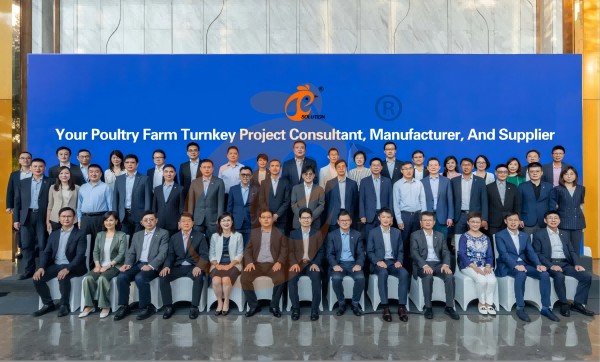
Hong Kong Headquarter Management Team
Hong Kong Headquarter Taiyu Industrial Group CO., LTD
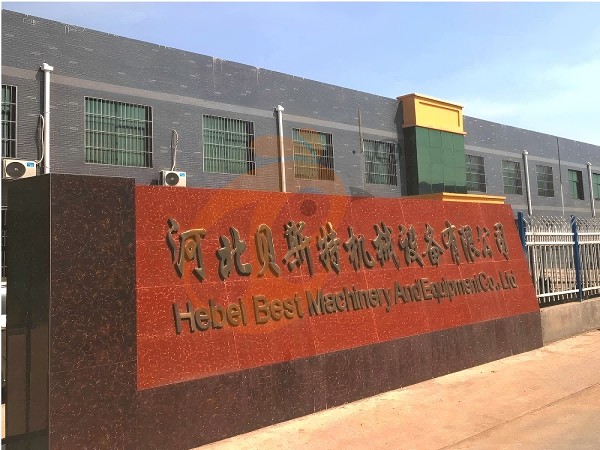
China Hebei Best Machinery And Equipment CO., LTD
Nigeria Vanke Machinery And Equipment CO., LTD
Tanzania Best Machinery And Equipment CO., LTD
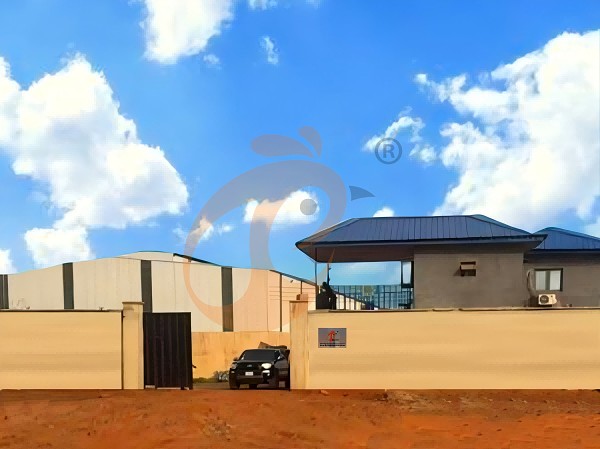
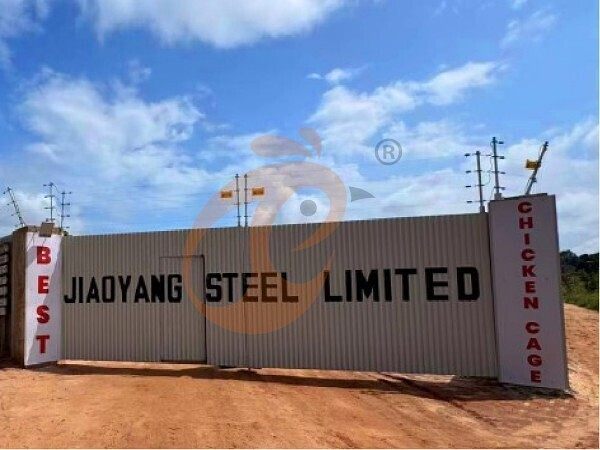
Ethiopia Best Hebei Machinery Manufacturing PLC

Reception /24 WhatsApp NO. : +8618830120193
PRODUCTS RECOMMENDED
 China Branch Manufacture Poultry Farm EquipmentRead More
 Ethiopia Branch Manufacture Poultry Farm EquipmentRead More
 Nigeria Branch Manufacture Poultry Farm EquipmentRead More
 Tanzania Branch Manufacture Poultry Farm EquipmentRead More
 IoT Smart Poultry FarmRead More
 >30,000 Layers Automatic H Type Battery CageRead More
 10,000 - 30,000 Layers Automatic A Type Battery CageRead More

MESSAGE
NEWS
 What Makes A Factory-Direct A Type Chicken Battery Cage More Cost-Effective? 4 ReasonsRead More
 Deep Litter System For Broilers Vs Cage | Which Is More Profitable?Read More
 Free Range Broiler System Vs Intensive Farming | Which Is More Profitable?Read More
 Broiler Floor Rearing System Cost | 6 Factors Affecting PriceRead More