

BLOG
Ethiopia poultry cage investment cost analysis supports better project planning using optimized production data.
This article explains Ethiopia's core cost drivers affecting chicken cage systems across commercial farms.
Each section outlines localized Ethiopian constraints linked to electricity, water, and feed markets.
Tables provide structured parameters to support planning accuracy for different scale poultry farms.
Readers receive a practical, Ethiopia-oriented financial and technical comparison for long-term poultry success.
Get professional poultry farm construction guidance, equipment selection solutions, and the latest price lists, whatsApp to +8618830120193, click to learn more:

Ethiopia Branch Office And Factory Of Poultry Farm Equipment
Cost Structure Overview In Ethiopia
Commercial poultry development in Ethiopia requires accurate cost mapping that reflects local conditions such as fluctuating Ethiopian Birr feed prices, Addis Ababa transport margins, and regional manufacturing access.
Farmers often underestimate how cage cost per bird interacts with land preparation, water infrastructure, and the growing need for IoT monitoring in modern farms.
This section gives a structured cost base to help farmers clarify where total project expenditures originate.
Farmers around Bishoftu, Adama, Shashemene, and Hawassa frequently report uncertainty in calculating per-bird cost against full farm development cost.
European union standard reference only.Data is for reference only.Swipe horizontally to view full table.
Cage Cost Per Bird Under Ethiopian Conditions
Cage cost per bird varies due to raw-steel pricing, import tax on specific components, and regional welding service rates.
Many Ethiopian farms in Oromia, SNNPR, and Amhara use different chicken cage systems depending on population density and electricity reliability.
When cage capacity increases, the per-bird cost often decreases due to distributed metal usage and shared installation workload.
Understanding this relationship prevents farmers from overestimating small-scale cage investments.
European union standard reference only.Data is for reference only.Swipe horizontally to view full table.
Comparison Between Manual And Automatic Systems In Ethiopia
Automatic systems reduce long-term labor cost in Ethiopian farms where workforce turnover affects consistency.
Manual systems remain common in rural zones with weak electric supply, while automatic systems are preferred in peri-urban areas with better grid stability.
Because Ethiopian electricity interruptions may create uneven feeding cycles, many farms include partial automation to balance investment and reliability.
This hybrid strategy lowers operational risk while keeping cage cost per bird manageable.
European union standard reference only.Data is for reference only.Swipe horizontally to view full table.
Impact Of Feed Prices On Project Cost
Feed constitutes the largest recurring expenditure for Ethiopian poultry farms.
Price fluctuations occur due to corn and soybean supply variation, seasonal diesel transport charges, and local mill capacity.
Chicken cages help reduce feed waste by maintaining controlled feeding lines and preventing ground contamination.
This improvement lowers FCR values, making cage cost per bird more attractive over the production cycle.
European union standard reference only.Data is for reference only.Swipe horizontally to view full table.
Land, Infrastructure, And Utility Cost Differences Across Regions
Location affects total project cost more significantly than cage cost per bird.
In Ethiopia, land lease pricing differs between Oromia, SNNPR, Tigray, and Addis Ababa outskirts.
Infrastructure development including borehole drilling, water tank placement, and waste-management trenching varies according to soil hardness and water table depth.
Regions with stable gravel soil reduce construction Ethiopian Birr, while black-cotton soil in some Ethiopian areas may increase foundation reinforcement needs.
This section summarizes common infrastructure components that influence total project expenditure.
European union standard reference only.Data is for reference only.Swipe horizontally to view full table.
Energy And Water Efficiency Improvements
Ethiopian poultry farms face significant electricity instability.
Chicken cage systems with energy-efficient motors and LED lighting minimize disruptions during load fluctuations.
Proper water regulation prevents wastage, especially in regions like Awash and Adama where water cost is rising due to agricultural competition.
Efficient system design helps farmers integrate solar backup lines that operate essential equipment without increasing per-bird cage investment excessively.
European union standard reference only.Data is for reference only.Swipe horizontally to view full table.
Scaling Up Capacity And Its Cost Effect In Ethiopia
Farmers expanding from 2,000 birds to 10,000 birds observe that certain costs spread across larger output volumes.
Transport service from local steel markets, maintenance tools, and IoT sensors become more cost efficient at higher scale.
Scaling must consider Ethiopian labor availability and training needs.
Untrained workers may reduce operational efficiency, affecting production and consequently increasing cost per bird indirectly.
European union standard reference only.Data is for reference only.Swipe horizontally to view full table.
Long-Term Financial Planning For Ethiopian Poultry Farms
Total project cost must account for multi-cycle production, feed supply contracts, and equipment depreciation.
Ethiopian farms often adopt three-year financial planning to match cage system lifespan, loan repayment schedules, and breeder supply agreements.
Maintaining precise records of Ethiopian Birr cashflow ensures farmers evaluate whether cage cost per bird continues to generate acceptable return under Ethiopian market volatility.
European union standard reference only.Data is for reference only.Swipe horizontally to view full table.
Integrated Risk Planning For Ethiopian Poultry Investors
Ethiopian poultry investors increasingly focus on long-term risk control as cage cost per bird links directly to operational resilience.
Effective planning requires farmers to evaluate both direct equipment expense and external risks shaped by Ethiopia's feed markets, energy reliability, and regional water scarcity.
Structured investment helps avoid production instability by aligning equipment selection with local constraints.
Farmers can improve project certainty by applying three practical actions
Conduct a 12-month Ethiopian Birr cashflow simulation based on realistic feed and utility fluctuations.
Adopt modular chicken cage designs that allow expansion without major reconstruction.
- Implement water-efficiency systems to stabilize production in low-supply areas such as Adama or Awash.
Through these steps, Ethiopian farms can secure predictable output while maintaining a sustainable total project cost trajectory.
Frequently Asked Questions
Q1: Are chicken cages suitable for Ethiopian climatic and electricity conditions?
A1: Yes.
Modern chicken cages integrate water-saving drinkers and feeders that remain stable during electricity fluctuations.
Farmers in Ethiopia often add solar backup lines to ensure continuity during power interruptions.
This adaptation makes chicken cages viable across both dry and humid regions of the country.
Q2: How does cage cost per bird help Ethiopian farmers plan total project cost?
A2: Cage cost per bird provides a measurable baseline that supports both small and large Ethiopian farms.
It helps identify the financial structure of equipment, land preparation, and water systems so farmers avoid unexpected Ethiopian Birr overruns.
This method is practical for Ethiopia's variable feed and transport markets.
Q3: Does cage investment improve feed efficiency under Ethiopian feed price volatility?
A3: Yes.
Cage systems reduce feed waste and stabilize FCR even when feed prices shift due to local supply constraints.
Ethiopian farmers using structured cage systems frequently experience smoother feed budgeting and more predictable production output.
Ethiopia Best Hebei Machinery Manufacturing Plc - One Of Ethiopia Largest Chicken Cage Supplier
The company provides global factory-direct poultry farm equipment with consistent engineering standards for Ethiopian farms.
Customers gain access to poultry cage solutions designed for energy efficiency, water control, and long-term operation stability.
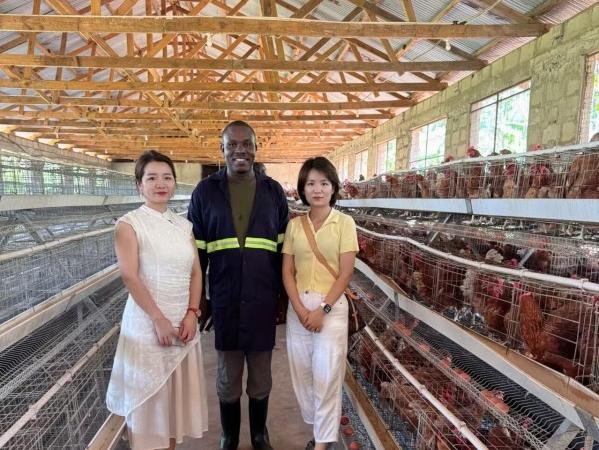
Technical teams supply turn-key engineering support from design to installation across different Ethiopian regions.
Production lines incorporate controlled fabrication processes to ensure structural durability and smooth operation.
Ethiopian clients benefit from integrated procurement, training, maintenance, and after-sales service optimized for local farm conditions.
Contact Us To Received Your Customized Poultry Farm Plan
Headquarters And Branchs

Hong Kong Headquarter Management Team
Hong Kong Headquarter Taiyu Industrial Group CO., LTD
China Hebei Best Machinery And Equipment CO., LTD
Nigeria Vanke Machinery And Equipment CO., LTD
Tanzania Best Machinery And Equipment CO., LTD
Ethiopia Best Hebei Machinery Manufacturing PLC




Reception /24 WhatsApp NO. : +8618830120193
PRODUCTS RECOMMENDED
 China Branch Manufacture Poultry Farm EquipmentRead More
 Ethiopia Branch Manufacture Poultry Farm EquipmentRead More
 Nigeria Branch Manufacture Poultry Farm EquipmentRead More
 Tanzania Branch Manufacture Poultry Farm EquipmentRead More
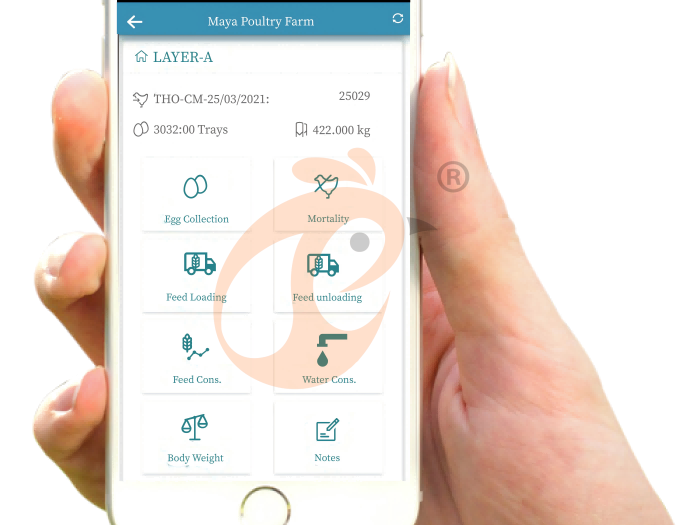
 IoT Smart Poultry FarmRead More
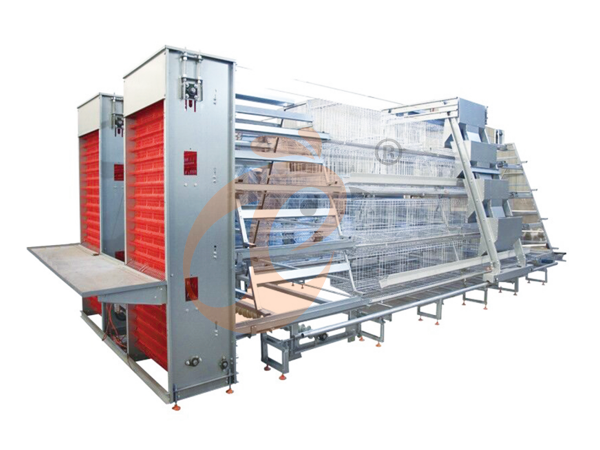
 >30,000 Layers Automatic H Type Battery CageRead More
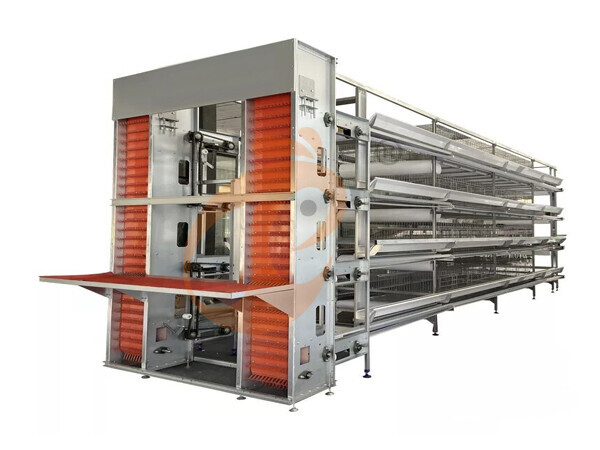
 10,000 - 30,000 Layers Automatic A Type Battery CageRead More
MESSAGE
NEWS
 What Makes A Factory-Direct A Type Chicken Battery Cage More Cost-Effective? 4 ReasonsRead More
 Deep Litter System For Broilers Vs Cage | Which Is More Profitable?Read More
 Free Range Broiler System Vs Intensive Farming | Which Is More Profitable?Read More
 Broiler Floor Rearing System Cost | 6 Factors Affecting PriceRead More