

BLOG
Chicken cage price trends are crucial for Ethiopia poultry farmers.
This article compares Ethiopia versus Asia poultry cage costs.
It highlights import cost, material quality, and lifecycle differences.
Provides insights for smallholder and commercial poultry farms.
Offers solutions tailored to Ethiopia's environmental and economic context.
Explains financing, cooperative procurement, and local fabrication challenges.
Suggests strategies to reduce overall poultry production costs.
Get professional poultry farm construction guidance, equipment selection solutions, and the latest price lists, whatsApp to +8618830120193, click to learn more:

Ethiopia Branch Office And Factory Of Poultry Farm Equipment
Overview: Poultry Farming In Ethiopia
Ethiopia's poultry sector is rapidly growing due to rising domestic protein demand and increasing smallholder participation.
However, structural challenges in infrastructure, capital, and supply chains make equipment costs especially chicken cage systems a central concern for poultry producers.
Compared with Asian markets, where industry supply networks are mature, Ethiopia faces high import costs, limited local fabrication capacity, and climate-related durability issues.
Strategic planning, cooperative purchasing, and targeted local manufacturing can help reduce costs and increase operational efficiency.
Production Scale And Cage Price Comparison
For Ethiopian farmers, small-scale chicken cage production raises unit costs.
Analyzing size, capacity, and regional production enables optimized procurement, balancing cost and flock density.
Data is for reference only.Swipe horizontally to view full table.
Optimizing procurement size and exploring local assembly partnerships can reduce initial investment while maintaining effective flock density.
Import Costs And Logistics
High import costs, including duties and shipping, create a significant burden for Ethiopian farmers.
Understanding cost components enables informed decisions about when to import or locally assemble cages.
Data is for reference only.Swipe horizontally to view full table.
Farmers can consider local steel or semi-finished assembly to reduce overall cost and shorten production start-up cycles.
Material Quality Standards
Durability affects long-term operational costs in Ethiopia's humid or highland environments.
Selecting proper wire gauge, zinc coating, and steel thickness extends cage life and reduces frequent maintenance.
Data is for reference only.Swipe horizontally to view full table.
Training welders and improving local fabrication standards can enhance durability while controlling costs.
Currency Exchange And Price Volatility
Ethiopian Birr/USD fluctuations directly affect imported cage costs.
Monitoring trends allows farmers to schedule purchases or lock prices through long-term agreements to reduce financial risk.
Data is for reference only.Swipe horizontally to view full table.
Farmers can allocate contingency funds to cover fluctuations, ensuring consistent flock management.
Infrastructure And After-Sale Support
Limited local technical support delays repairs, impacting production efficiency.
Assessing supplier support, warranty, and training availability helps mitigate downtime risk.
Data is for reference only.Swipe horizontally to view full table.
Developing local maintenance teams and structured training improves reliability and return on investment.
Customization For Local Climate
Ethiopian climates vary from highland cold to semi-arid hot; cages must resist corrosion and withstand temperature extremes.
Customized modifications improve flock health and reduce replacements.
Data is for reference only.Swipe horizontally to view full table.
Selecting environment-specific modifications lowers maintenance frequency and supports consistent productivity.
Financial Access And Investment Patterns
Financing limitations restrict access to quality cages.
Understanding bank, leasing, and supplier credit terms enables farmers to expand production without overextending capital.
Data is for reference only.Swipe horizontally to view full table.
Cooperative financing can improve access, allowing smallholders to afford durable imported cages.
Lifecycle Cost: Beyond Purchase Price
Purchase price alone does not reflect total cost; feed efficiency, mortality, and maintenance must be considered.
Evaluating lifecycle costs ensures economically sustainable operations.
Data is for reference only.Swipe horizontally to view full table.
Investing in imported cages with higher upfront cost may reduce total operational expense due to lower feed ratio and maintenance requirements.
Supply Chain Integration And Bulk Procurement
Pooling demand or long-term supplier agreements reduces unit costs and ensures reliable supply.
Strategic procurement is key for Ethiopian farmers facing import delays.
Data is for reference only.Swipe horizontally to view full table.
Farmers should consider forming cooperatives to leverage bulk purchasing and reduce exposure to supply chain disruptions.
Frequently Asked Questions
Q1: Is imported chicken cage suitable for Ethiopian farms?
A1: Imported cages are adaptable with minor customization for Ethiopian climate zones.
They provide longer service life and lower maintenance, making them viable despite higher initial Ethiopian Birr cost.
Q2: How can smallholder farmers reduce chicken cage cost?
A2: Farmers can join cooperative bulk procurement or leverage micro-leasing options.
Pooling demand reduces Ethiopian Birr cost per unit and increases access to quality cages.
Q3: Are local chicken cage fabricators reliable for commercial operations?
A3: Local fabricators provide flexible designs but require quality improvement and skilled labor.
Combining local fabrication with technical training improves performance and reduces maintenance issues.
Ethiopia Best Hebei Machinery Manufacturing Plc - One Of Ethiopia Largest Chicken Cage Supplier
HB BEST offers global factory direct sales for poultry farm equipment.
They provide turnkey projects including installation and full operational support.
Their chicken cage systems meet international standards for durability and efficiency.
- The company ensures spare parts availability and technical guidance for all clients.
HB BEST specializes in high-quality poultry cage solutions for Ethiopia commercial farms.
Contact Us To Received Your Customized Poultry Farm Plan
Headquarters And Branchs

Hong Kong Headquarter Management Team
Hong Kong Headquarter Taiyu Industrial Group CO., LTD
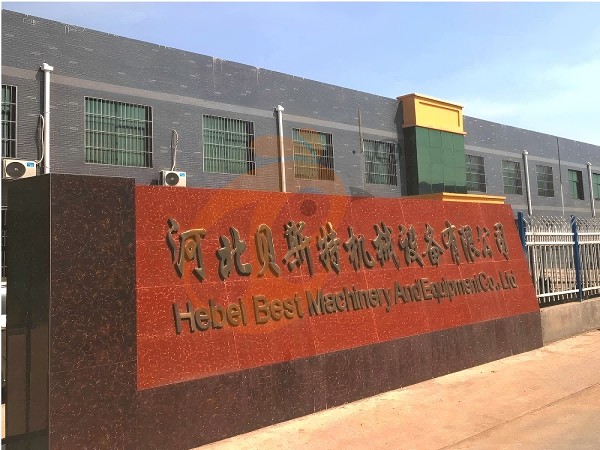
China Hebei Best Machinery And Equipment CO., LTD
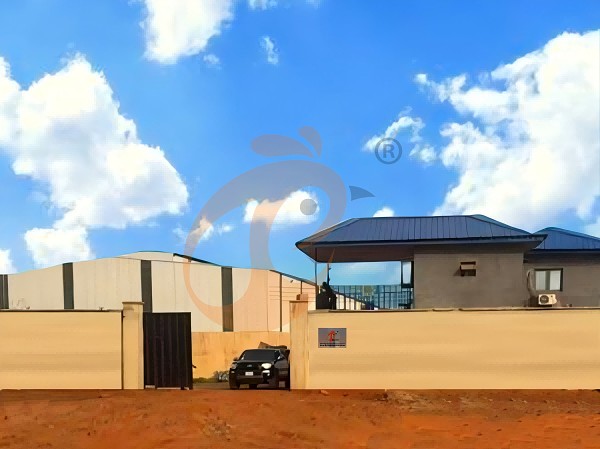
Nigeria Vanke Machinery And Equipment CO., LTD
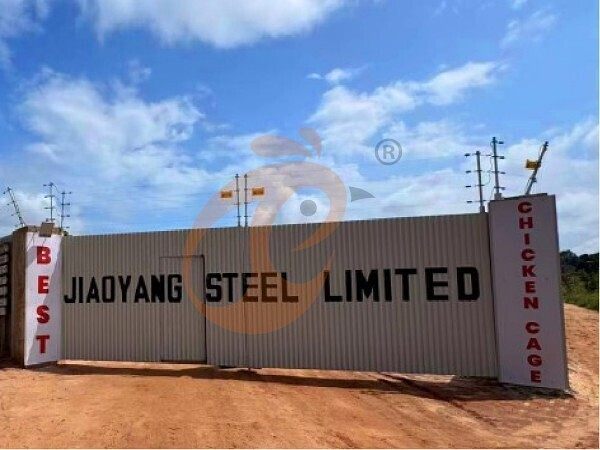
Tanzania Best Machinery And Equipment CO., LTD
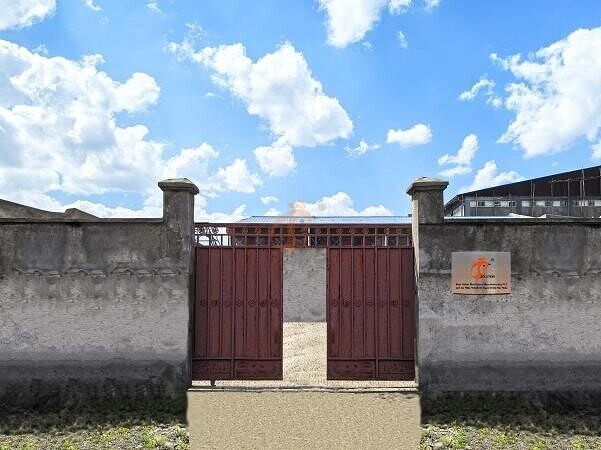
Ethiopia Best Hebei Machinery Manufacturing PLC
Reception /24 WhatsApp NO. : +8618830120193
PRODUCTS RECOMMENDED
 China Branch Manufacture Poultry Farm EquipmentRead More
 Ethiopia Branch Manufacture Poultry Farm EquipmentRead More
 Nigeria Branch Manufacture Poultry Farm EquipmentRead More
 Tanzania Branch Manufacture Poultry Farm EquipmentRead More
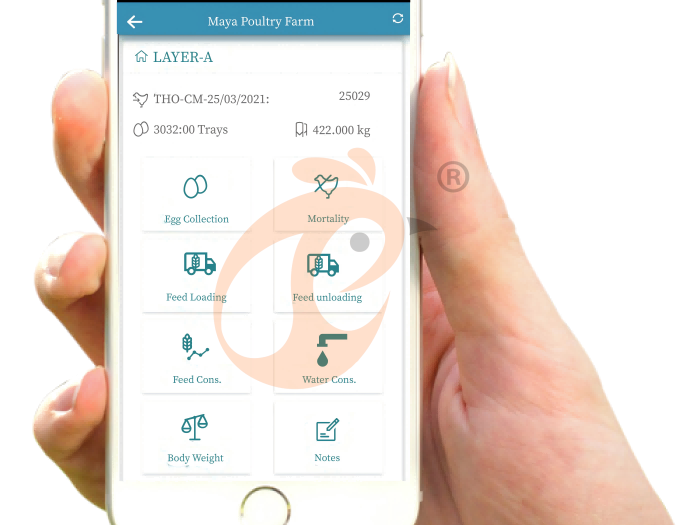
 IoT Smart Poultry FarmRead More
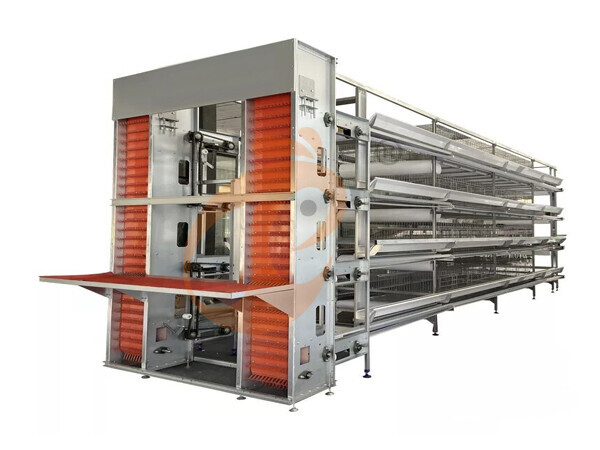
 >30,000 Layers Automatic H Type Battery CageRead More
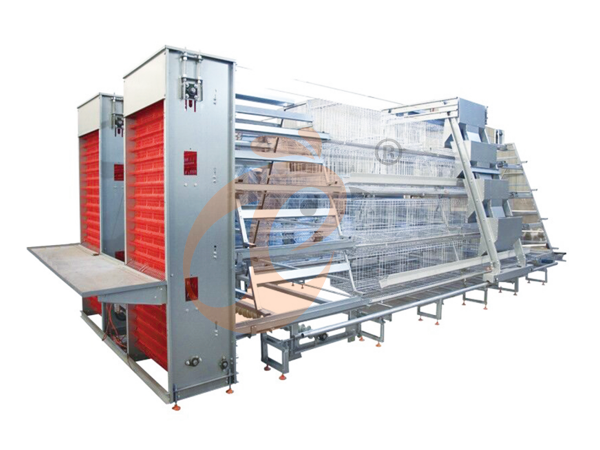
 10,000 - 30,000 Layers Automatic A Type Battery CageRead More
MESSAGE
NEWS
 What Makes A Factory-Direct A Type Chicken Battery Cage More Cost-Effective? 4 ReasonsRead More
 Deep Litter System For Broilers Vs Cage | Which Is More Profitable?Read More
 Free Range Broiler System Vs Intensive Farming | Which Is More Profitable?Read More
 Broiler Floor Rearing System Cost | 6 Factors Affecting PriceRead More