

BLOG
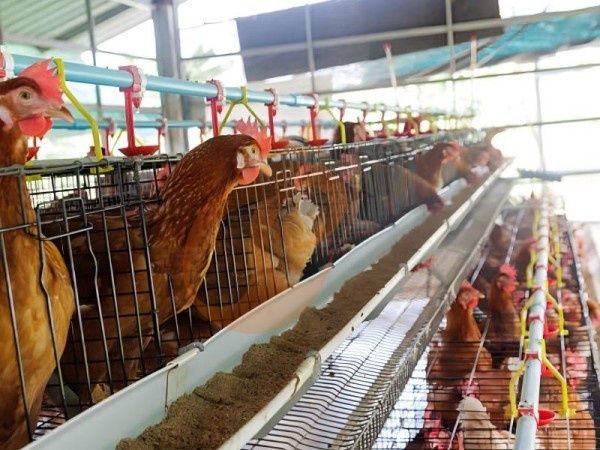
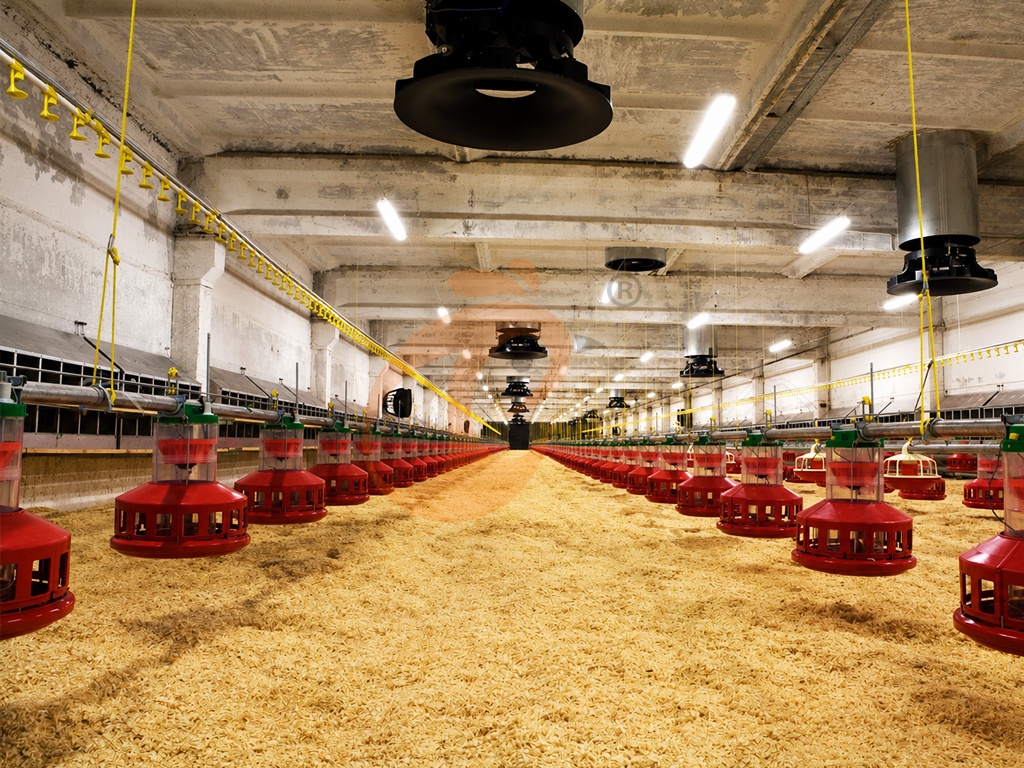
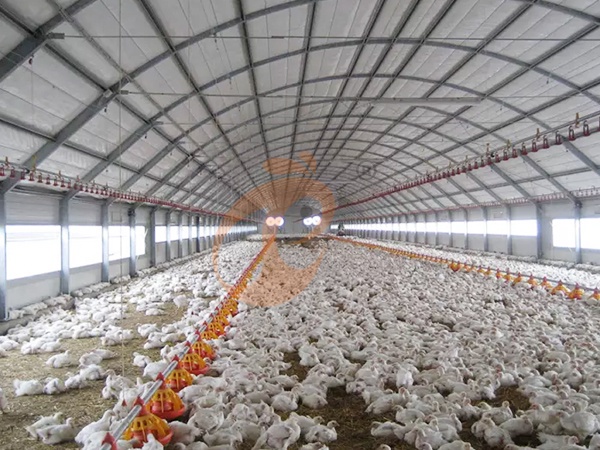
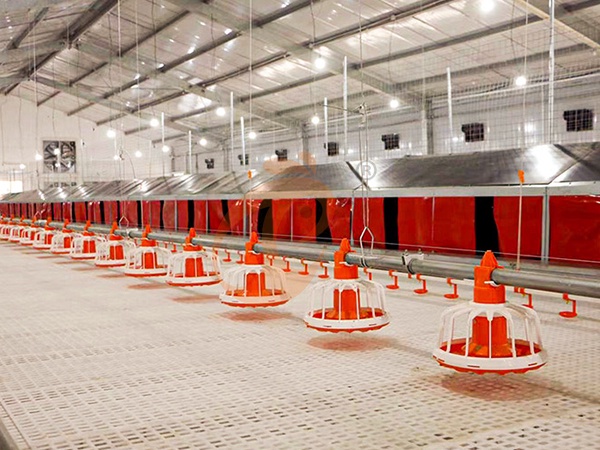
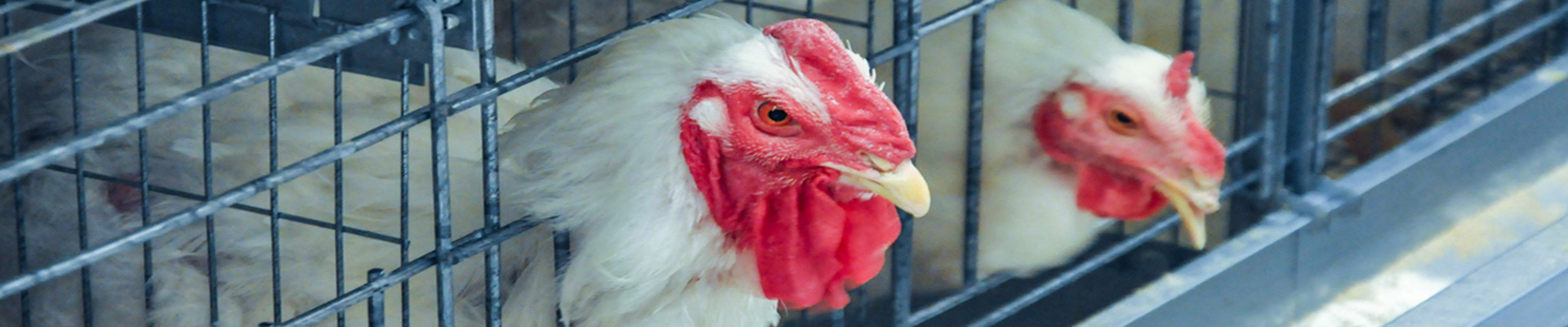
Poultry production system integrates automated feed delivery network, nipple water distribution pipeline, controlled airflow circulation structure, thermal stabilization module, and manure evacuation mechanism.
System architecture focuses on environmental equilibrium, biological efficiency, and structural coordination across housing zones.
Automation layers enable continuous regulation of feeding rhythm, hydration balance, and ventilation exchange cycles.
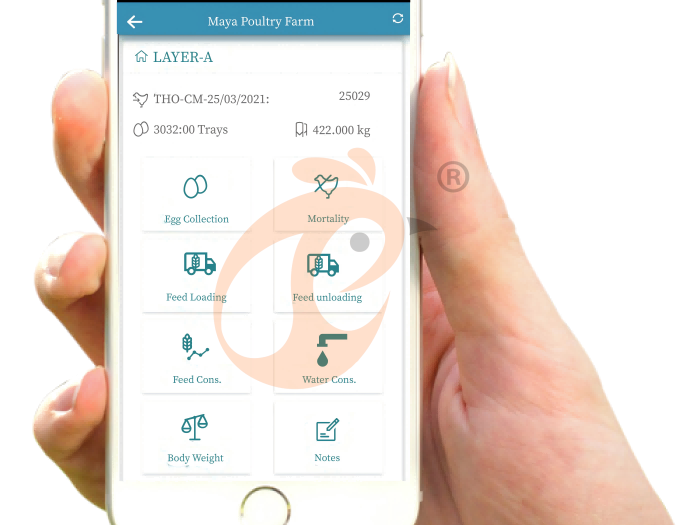
Sensor integration supports environmental feedback acquisition and adaptive control logic execution.
Engineering integration improves operational stability across large-scale poultry production frameworks.
Get professional poultry farm construction guidance, equipment selection solutions, and the latest price lists, whatsApp to +8618830120193, click to learn more:
Chicken Coop Auxiliary Equipment Definition And System Architecture
Chicken coop auxiliary equipment represents a multi-system engineering framework combining mechanical transmission units, hydraulic distribution lines, ventilation structures, thermal devices, illumination control modules, and monitoring sensors into a unified production environment system.
Data is for reference only.Swipe horizontally to view full table.
Poultry Production Demand Structure And Equipment Distribution
Industrial procurement patterns reflect system-level adoption of automated poultry infrastructure rather than single-unit equipment selection.
Data is for reference only.Swipe horizontally to view full table.
Poultry Environmental Regulation And Biological Response Mechanism
Environmental control systems influence metabolic efficiency, respiratory stability, and endocrine regulation pathways in poultry production environments.
Thermal deviation impacts feed conversion efficiency consistency across flock groups.
Gas accumulation affects respiratory load distribution within housing zones.
Lighting cycles regulate hormonal secretion rhythm influencing laying performance stability.
Humidity balance contributes to immune response stability and pathogen resistance levels.
Data is for reference only.Swipe horizontally to view full table.
Automatic Feeding System Capacity And Flow Engineering
Feed distribution systems operate through mechanical conveying mechanisms ensuring stable material transport across housing zones.
System capacity is determined by transmission structure and operational scale design.
Data is for reference only.Swipe horizontally to view full table.
Drinking System Hydraulic Balance And Consumption Stability
Water distribution systems maintain hydraulic balance through controlled pipeline pressure ensuring uniform hydration distribution across production zones.
Data is for reference only.Swipe horizontally to view full table.
Ventilation System Airflow Dynamics And Gas Exchange Efficiency
Ventilation systems regulate airflow exchange cycles to maintain oxygen balance and reduce gas accumulation inside poultry housing structures.
Air distribution stability depends on installation layout and airflow coordination design.
Data is for reference only.Swipe horizontally to view full table.
Heating System Thermal Regulation And Brooding Efficiency
Thermal control systems maintain environmental stability during early poultry development stages and low-temperature seasonal conditions.
Heat distribution consistency directly affects survival performance and growth efficiency stability.
Data is for reference only.Swipe horizontally to view full table.
Lighting System Photoperiod Control And Production Rhythm Regulation
Lighting systems regulate endocrine rhythm stability through controlled illumination cycles and adjustable intensity distribution.
Production stability depends on consistent photoperiod scheduling rather than illumination strength alone.
Data is for reference only.Swipe horizontally to view full table.
Manure Removal System Waste Flow And Biosecurity Control
Waste discharge systems stabilize ammonia levels and reduce pathogen accumulation through continuous removal operations.
System efficiency depends on mechanical transmission stability and cycle frequency control.
Data is for reference only.Swipe horizontally to view full table.
Smart Monitoring System Data Acquisition And Control Logic
Sensor networks enable continuous environmental monitoring and real-time system adjustment across poultry production environments.
Sampling frequency determines response precision and operational stability.
Data is for reference only.Swipe horizontally to view full table.
Equipment Investment And Farm Capacity Scaling Structure
Investment structure reflects automation level, system integration depth, and production scale expansion requirements.
Data is for reference only.Swipe horizontally to view full table.
Equipment Selection Engineering Standards
Equipment selection is determined through measurable engineering thresholds applied across poultry housing systems rather than descriptive judgment.
Feed distribution accuracy is evaluated within 5%–8% variance range under continuous operational load, ensuring uniform growth performance across flock segments.
Ventilation performance is validated through 6–10 air exchange cycles per hour, maintaining ammonia concentration below 20 ppm to stabilize respiratory conditions.
Water delivery consistency is controlled through 120–160 nipple points per 1000 birds with flow deviation maintained within ±5 ml/min.
System integration compatibility across feeding, drinking, ventilation, and control modules ensures synchronized operational response, reduces energy loss, and supports long-term structural efficiency in large-scale poultry production environments.
FAQ
What determines ventilation stability in poultry systems?
Ventilation stability depends on airflow cycle consistency, ammonia dilution efficiency, and fan distribution uniformity across housing zones.
How does feeding accuracy affect production efficiency?
Feed distribution deviation directly influences weight uniformity index and feed conversion efficiency across flock populations.
What is the operational lifespan of poultry equipment systems?
Mechanical systems operate several production cycles depending on load intensity, while sensor systems require periodic calibration replacement cycles.
Taiyu (HK) Group - One Of China Largest Poultry Ventilation Exhaust Fan System Manufacturer
Poultry ventilation exhaust fan system delivers high efficiency airflow regulation for commercial poultry houses.
Global factory direct supply chain ensures competitive pricing and stable quality production.
Integrated poultry equipment supports automated feeding drinking ventilation and environmental control systems.
Modern poultry cage systems improve stocking density and farm management efficiency worldwide.
Turn key engineering solutions provide complete poultry farm design installation and commissioning services.
Contact Us To Received Your Customized Poultry Farm Plan
Headquarters And Branchs
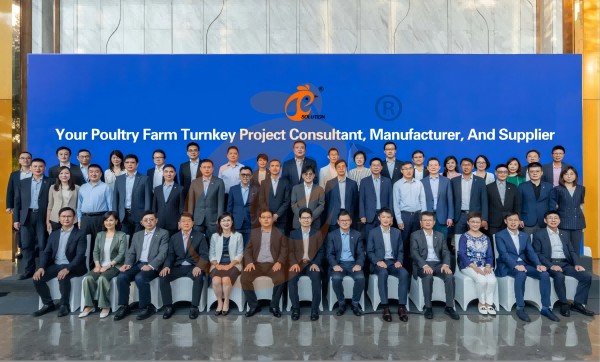
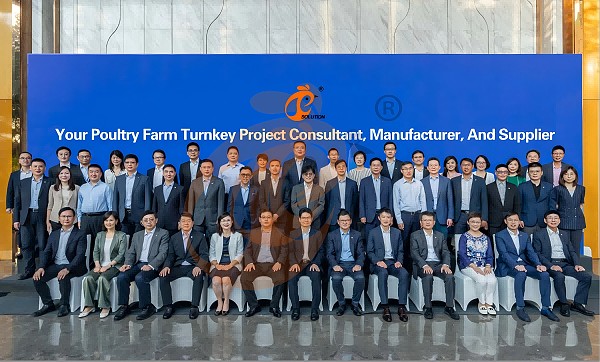
Hong Kong Headquarter Management Team
Hong Kong Headquarter Taiyu Industrial Group CO., LTD
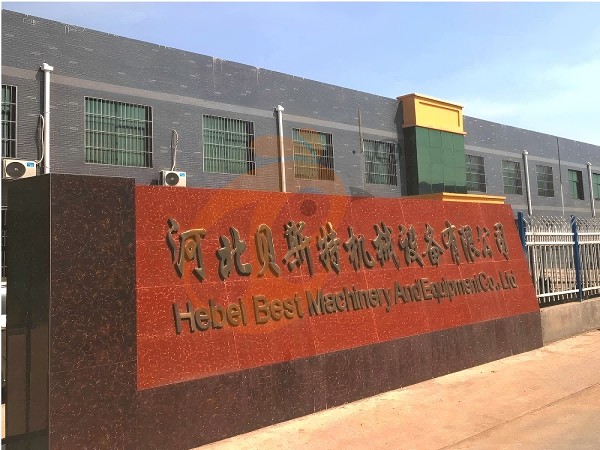
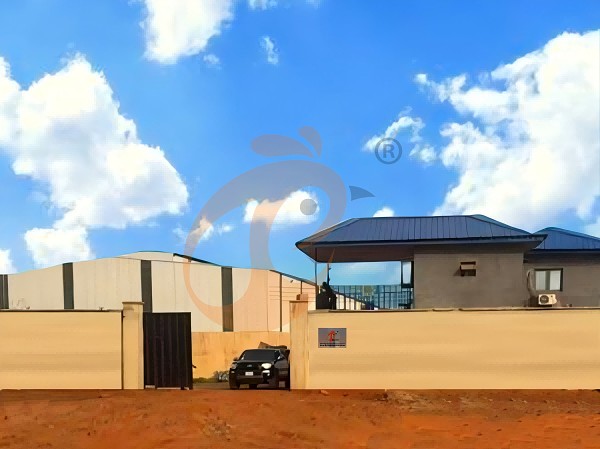
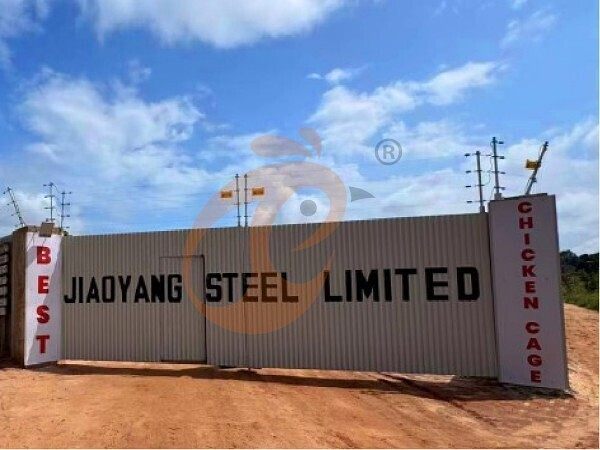
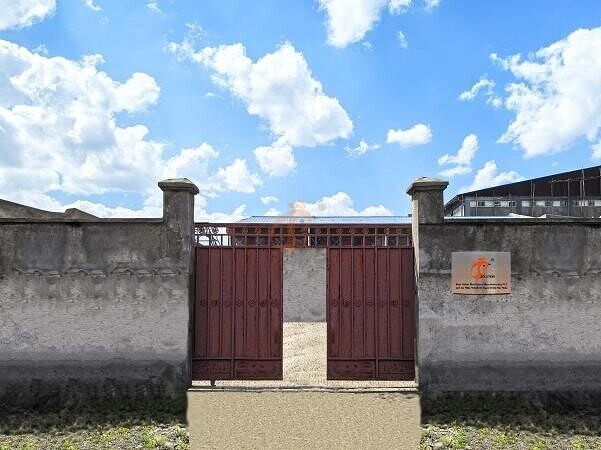
China Hebei Best Machinery And Equipment CO., LTD
Nigeria Vanke Machinery And Equipment CO., LTD
Tanzania Best Machinery And Equipment CO., LTD
Ethiopia Best Hebei Machinery Manufacturing PLC
Reception /24 WhatsApp NO. : +8618830120193
PRODUCTS RECOMMENDED
 China Branch Manufacture Poultry Farm EquipmentRead More
 Ethiopia Branch Manufacture Poultry Farm EquipmentRead More
 Nigeria Branch Manufacture Poultry Farm EquipmentRead More
 Tanzania Branch Manufacture Poultry Farm EquipmentRead More
 IoT Smart Poultry FarmRead More
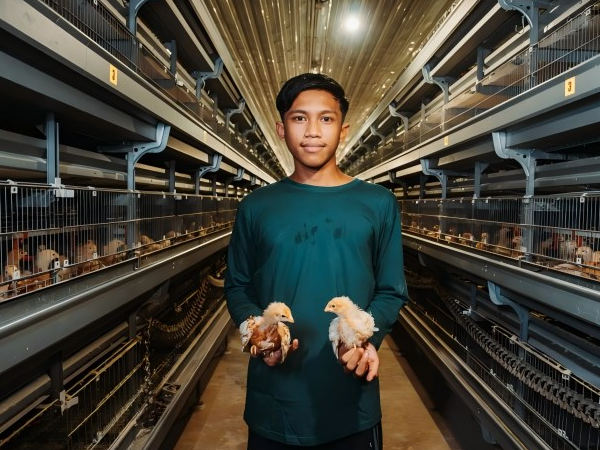
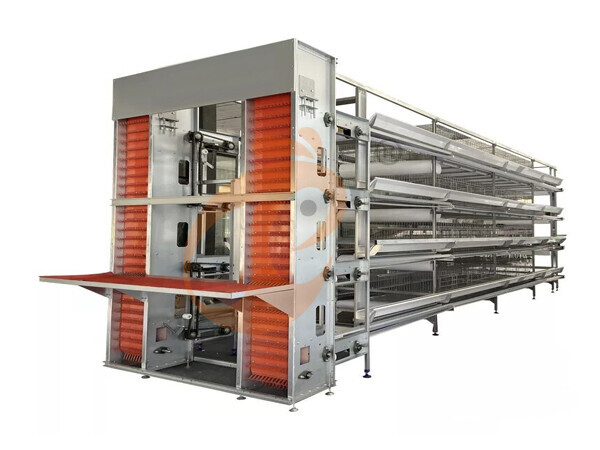
 >30,000 Layers Automatic H Type Battery CageRead More
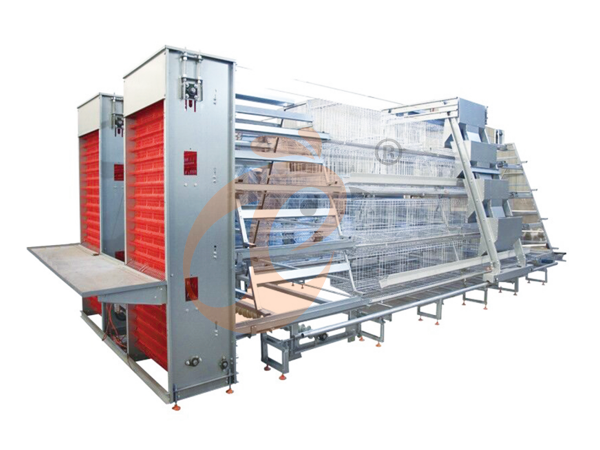
 10,000 - 30,000 Layers Automatic A Type Battery CageRead More
MESSAGE
NEWS
 What Makes A Factory-Direct A Type Chicken Battery Cage More Cost-Effective? 4 ReasonsRead More
 Deep Litter System For Broilers Vs Cage | Which Is More Profitable?Read More
 Free Range Broiler System Vs Intensive Farming | Which Is More Profitable?Read More
 Broiler Floor Rearing System Cost | 6 Factors Affecting PriceRead More