

BLOG
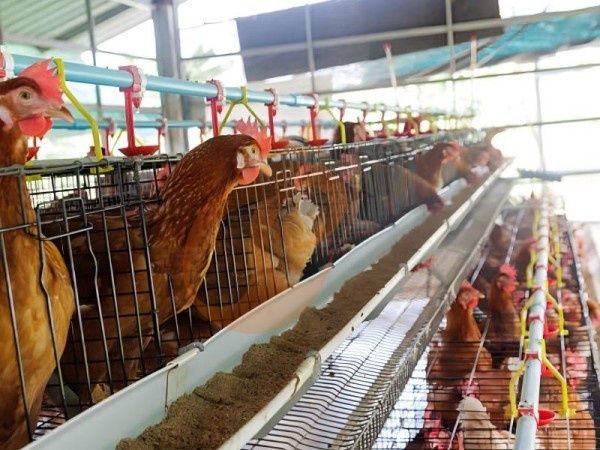
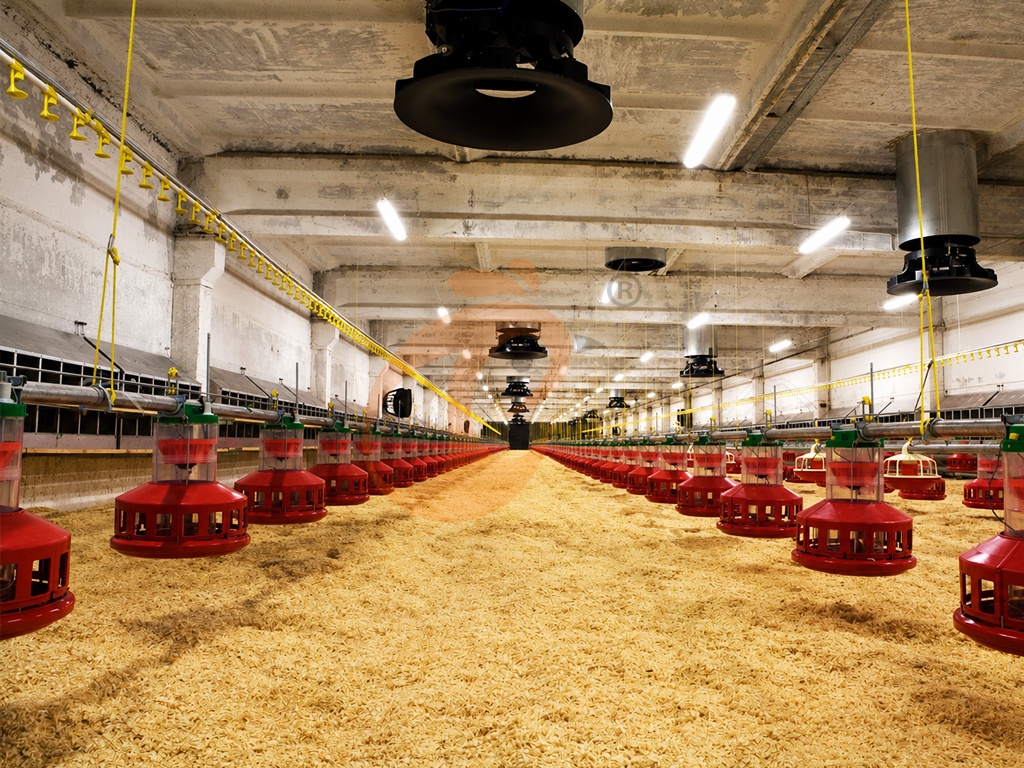
Automatic poultry feeding systems improve feed transport efficiency and production consistency.
Chicken farm feeding equipment supports accurate feed allocation under intensive farming conditions.
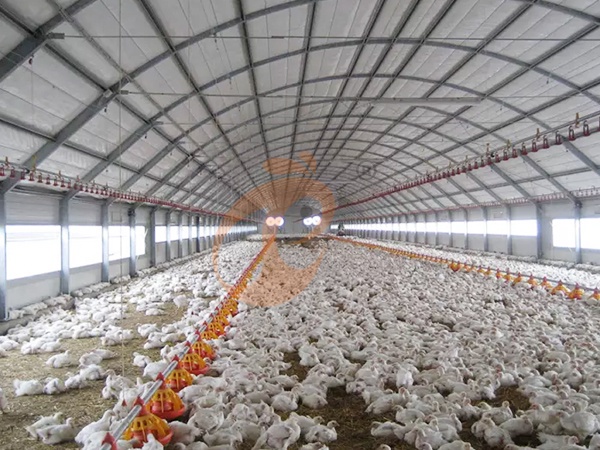
Modern broiler feeding systems reduce feed waste and optimize flock growth performance.
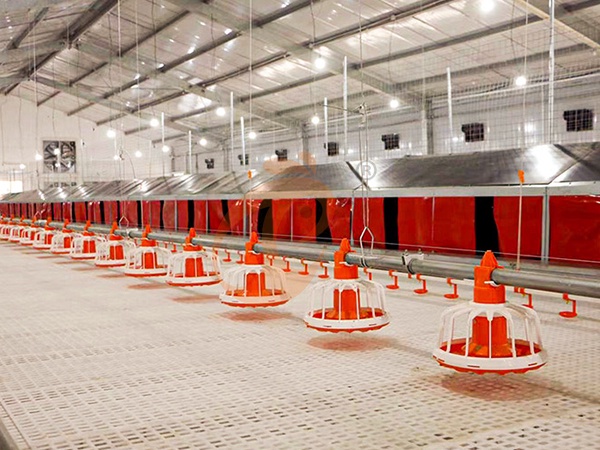
Commercial poultry equipment engineering increases labor efficiency and operational stability.
Integrated feeding line technology supports large-scale poultry farm management planning.
Get professional poultry farm construction guidance, equipment selection solutions, and the latest price lists, whatsApp to +8618830120193, click to learn more:
Feeding Equipment Overview
Selecting the right feeding equipment is one of the most important decisions in modern livestock and poultry farming.
Feeding systems directly affect feed efficiency, labor cost, animal health, growth performance, and long-term operational stability.
Farm owners frequently search for practical answers about automatic feeders, feed delivery systems, feeding capacity, material quality, maintenance cost, and energy consumption before investing in equipment.
Different animals require different feeding technologies.
Broiler farms, layer farms, pig farms, dairy farms, goat farms, and cattle farms all operate under unique feeding conditions.
Poor feeding equipment selection can increase feed waste, raise labor dependency, and reduce production profitability.
What Is Feeding Equipment?
Feeding equipment refers to the mechanical or automated systems used to distribute feed to animals efficiently and consistently.
The equipment can range from simple manual troughs to advanced automatic feeding lines integrated with sensors and control systems.
Modern feeding systems are designed to reduce feed waste, maintain hygiene, improve feed conversion ratio, and reduce labor intensity.
Automatic systems are increasingly used in commercial farming because they improve feeding accuracy and operational efficiency.
Automatic poultry feeding system, chicken farm feeding equipment, and broiler feeding system technologies are widely applied across modern livestock production facilities.
Main Categories Of Feeding Equipment
Data is for reference only.Swipe horizontally to view full table.
Best Feeding Equipment Solutions For Modern Poultry Farms
The best feeding equipment for poultry farms depends on bird type, stocking density, farm scale, and production objectives.
Broiler farms commonly use automatic pan feeding systems because they provide uniform feed distribution and minimize feed loss.
Layer farms often use chain feeding systems because they support long feeding lines and synchronized feeding.
Automatic feeding lines are particularly beneficial for high-density poultry farms because they improve consistency.
Comparison Between Broiler And Layer Feeding Systems
Data is for reference only.Swipe horizontally to view full table.
Farm operators should also evaluate future expansion requirements before choosing a system.
A scalable feeding line reduces future infrastructure replacement costs.
Automatic Feeding Equipment And Poultry Labor Optimization
Automatic feeding equipment reduces manual labor by automating feed transport, feed distribution, and feeding schedules.
Large farms traditionally required multiple workers to carry feed bags and manually refill feeders.
Modern feeding systems reduce repetitive physical labor and improve operational efficiency.
Many commercial farms now operate with fewer workers while managing larger animal populations.
Estimated Labor Savings From Automatic Feeding Systems
Labor savings are especially important in regions where agricultural labor costs continue rising.
Automation also improves management consistency because feeding schedules become standardized.
Durable Material Selection For Commercial Feeding Equipment
Feeding equipment durability largely depends on material quality.
Galvanized steel, stainless steel, reinforced plastic, and PVC components are commonly used in commercial feeding systems.
Galvanized steel provides strong corrosion resistance and long service life.
Stainless steel offers excellent hygiene performance but usually costs more.
High-quality plastic feeders are lightweight and easy to clean.
Material Comparison For Feeding Equipment
Data is for reference only.Swipe horizontally to view full table.
Environmental humidity, feed acidity, and cleaning frequency should also influence material selection.
Wet environments accelerate corrosion if low-quality materials are used.
Engineering Methods For Reducing Poultry Feed Waste
Feed waste directly increases production cost.Poor feeder design often causes animals to scatter feed outside the feeding area.
Modern feeding equipment minimizes waste through adjustable feeding height, anti-spill structures, and controlled feed flow.
Automatic feeding systems also distribute feed more evenly.
Common Causes Of Feed Waste
Data is for reference only.Swipe horizontally to view full table.
Scientific studies indicate that efficient feeding systems can reduce feed waste by 5% to 15% depending on farm management quality.
Even small improvements in feed efficiency significantly affect annual profitability.
Feeding System Design And Poultry Health Management
Feeding systems influence hygiene, feed freshness, disease control, and nutritional consistency.
Dirty feeders may contain bacteria, mold, or fungal contamination.
Poor feed distribution can also create aggressive animal behavior because weaker animals may receive less nutrition.
Modern automatic feeding systems help maintain more stable feeding conditions.
Animal Health Risks Related To Feeding Equipment
Data is for reference only.Swipe horizontally to view full table.
Healthy feeding conditions improve growth uniformity and reduce veterinary intervention frequency.
Commercial farms increasingly integrate hygiene-focused equipment designs into daily operations.
Manual Feeding Compared With Automatic Feeding Technology
Manual feeding systems require workers to physically distribute feed.
Automatic systems transport and distribute feed using motors, augers, chains, or computerized controls.
Manual systems are suitable for small farms with limited budgets.
Automatic systems are more suitable for medium and large commercial farms.
Manual Vs Automatic Feeding Systems
Data is for reference only.Swipe horizontally to view full table.
The long-term economic benefit of automatic feeding usually becomes more visible as farm size increases.
Large farms often recover equipment investment through labor savings and improved feed efficiency.
Feeding Equipment Planning Based On Poultry Farm Scale
Farm size is one of the most important factors when selecting feeding equipment.
Small farms may prioritize affordability and simplicity.
Large commercial farms usually prioritize automation, efficiency, and long-term durability.
Expansion planning is also essential because future capacity growth may require upgraded infrastructure.
Recommended Feeding Equipment By Farm Scale
Data is for reference only.Swipe horizontally to view full table.
Farm operators should calculate feed consumption, animal population, labor availability, and energy cost before making purchasing decisions.
Why Feed Distribution Uniformity Matters
Uniform feed distribution is a critical scientific factor in livestock and poultry production.
When animals receive inconsistent feed access, growth performance becomes uneven.
Dominant animals may consume more feed while weaker animals experience nutritional deficiencies.
This creates body weight variation within the same production group.
Research in commercial poultry farming shows that consistent feed distribution improves flock uniformity, feed conversion ratio, and final production efficiency.
Uniform feeding also reduces stress behavior among animals.
Modern feeding equipment is therefore designed to ensure synchronized feed delivery across the entire production area.
Automatic control systems further improve timing precision and feeding consistency.
Service Life Analysis Of Commercial Feeding Equipment
The service life of feeding equipment depends on material quality, maintenance frequency, operating conditions, and management quality.
High-quality galvanized feeding systems may operate for more than 10 years under proper maintenance.
Poor-quality equipment often experiences corrosion, motor failure, and structural damage much earlier.
Average Service Life Of Feeding Equipment Components
Data is for reference only.Swipe horizontally to view full table.
Preventive maintenance significantly extends equipment lifespan.
Routine inspection reduces unexpected breakdowns and production interruptions.
Smart Feeding System Investment And Production Efficiency
Smart feeding systems use sensors, controllers, monitoring software, and automated data analysis.
These systems can monitor feed consumption, feeding frequency, and animal behavior.
Large farms increasingly adopt intelligent feeding technologies because they support precision farming strategies.
Advantages Of Smart Feeding Technology
Data is for reference only.Swipe horizontally to view full table.
Smart feeding systems require higher initial investment.
However, many commercial farms achieve better production efficiency and operational control after implementation.
Feed Storage Engineering For Poultry Production Stability
Feed storage equipment is essential for maintaining feed quality.
Poor feed storage can lead to moisture contamination, mold growth, nutrient degradation, and pest infestation.
Feed silos are commonly used for bulk feed storage in commercial farms.
Modern silo systems often integrate directly with automatic feeding lines.
Feed Storage Problems And Solutions
Data is for reference only.Swipe horizontally to view full table.
High-quality feed storage supports stable nutritional quality throughout the production cycle.
Maintenance Tips For Feeding Equipment
Regular maintenance is essential for reliable feeding performance.
Feed residue accumulation may block feeding lines and increase bacterial contamination.
Motors, chains, sensors, and feed pipes should be inspected regularly.
Lubrication schedules should follow manufacturer recommendations.
Basic Feeding Equipment Maintenance Checklist
Data is for reference only.Swipe horizontally to view full table.
Preventive maintenance reduces downtime and protects long-term investment value.
Well-maintained systems also improve operational safety.
Future Trends In Feeding Equipment Technology
Feeding equipment technology continues evolving toward automation, energy efficiency, and intelligent management.
Artificial intelligence, Internet of Things technology, and precision agriculture systems are increasingly integrated into commercial livestock production.
Future feeding systems may include advanced animal monitoring, automatic nutritional adjustment, and predictive maintenance functions.
Energy-efficient motors and environmentally sustainable materials are also becoming more important.
Commercial farms are under increasing pressure to improve efficiency while reducing environmental impact.
As a result, feeding equipment manufacturers continue investing in smarter and more sustainable engineering solutions.
Feeding Space And Chicken Growth Performance
Broiler chickens require adequate feeder access space to maintain healthy growth rates.
Commercial poultry engineering standards often recommend 2.5 Cm to 4 Cm feeding space per broiler depending on bird age and stocking density.
Insufficient feeding space increases competition and causes uneven body weight development.
Large-scale poultry farms therefore calculate feeder quantity according to total bird population and expected feed intake.
During the first three weeks, broilers consume approximately 35 G to 90 G feed daily.
By the final growth stage, daily feed intake may exceed 180 G per bird.
If feeding equipment cannot distribute feed quickly enough, weaker birds may experience nutritional stress.
Recommended Feeder Allocation Standards For Broiler Farms
Data is for reference only.Swipe horizontally to view full table.
Accurate feeder allocation improves flock uniformity and reduces aggressive feeding behavior.
Commercial farms with optimized feeding layouts often achieve better feed conversion performance and more stable market weights.
FAQ
What Feeding Capacity Is Recommended For A 20,000 Bird Broiler Farm?
Commercial broiler farms with 20,000 birds commonly require automatic poultry feeding systems capable of transporting 1,000 Kg to 1,500 Kg feed per hour.
Engineering layouts generally include 4 to 6 feeding lines with approximately 40 to 45 birds per pan feeder.
How Much Feed Waste Reduction Can Automatic Chicken Farm Feeding Equipment Achieve?
Modern broiler feeding system designs commonly reduce feed waste from 7% to approximately 2% to 4%.
Annual operational savings may exceed USD 8,000 under intensive commercial poultry production conditions.
Which Feeding Equipment Material Performs Better In Humid Poultry Houses?
Galvanized steel with 275 G/M² zinc coating and stainless steel structures demonstrate stronger corrosion resistance under high-humidity poultry environments.
Commercial chicken farms operating above 70% humidity commonly select galvanized feeding lines with 25+ year service life.
Taiyu (HK) Group - One Of China Biggest Feeding Equipment Manufacturer
Automatic poultry feeding systems engineered for high-density commercial broiler farm management requirements
Global factory direct poultry equipment production supports stable delivery and competitive export pricing
Commercial poultry cage engineering solutions support integrated layer and broiler production facilities
Turn-key poultry farm construction planning includes feeding lines, ventilation, and environmental control systems
Professional livestock equipment manufacturing supports scalable chicken farm expansion across international agricultural markets
Contact Us To Received Your Customized Poultry Farm Plan
Headquarters And Branchs

Hong Kong Headquarter Management Team
Hong Kong Headquarter Taiyu Industrial Group CO., LTD
China Hebei Best Machinery And Equipment CO., LTD
Nigeria Vanke Machinery And Equipment CO., LTD
Tanzania Best Machinery And Equipment CO., LTD
Ethiopia Best Hebei Machinery Manufacturing PLC




Reception /24 WhatsApp NO. : +8618830120193
PRODUCTS RECOMMENDED
 China Branch Manufacture Poultry Farm EquipmentRead More
 Ethiopia Branch Manufacture Poultry Farm EquipmentRead More
 Nigeria Branch Manufacture Poultry Farm EquipmentRead More
 Tanzania Branch Manufacture Poultry Farm EquipmentRead More
 IoT Smart Poultry FarmRead More
 >30,000 Layers Automatic H Type Battery CageRead More
 10,000 - 30,000 Layers Automatic A Type Battery CageRead More
MESSAGE
NEWS
 What Makes A Factory-Direct A Type Chicken Battery Cage More Cost-Effective? 4 ReasonsRead More
 Deep Litter System For Broilers Vs Cage | Which Is More Profitable?Read More
 Free Range Broiler System Vs Intensive Farming | Which Is More Profitable?Read More
 Broiler Floor Rearing System Cost | 6 Factors Affecting PriceRead More