

BLOG
A-type battery cage cost structure defines commercial poultry housing engineering across five pricing tiers.
System configuration includes manual, reinforced, semi-automatic, fully automatic, and smart integrated production models.
Cost variation depends on steel thickness, zinc coating level, automation modules, and stocking density design.
Engineering performance influences feed efficiency, egg production rate, mortality control, and labor reduction metrics.
Investment analysis supports scalable poultry farm design from small capacity units to industrial production systems.
Get professional poultry farm construction guidance, equipment selection solutions, and the latest price lists, whatsApp to +8618830120193, click to learn more:
Global A-Type Battery Cage Cost Structure Overview
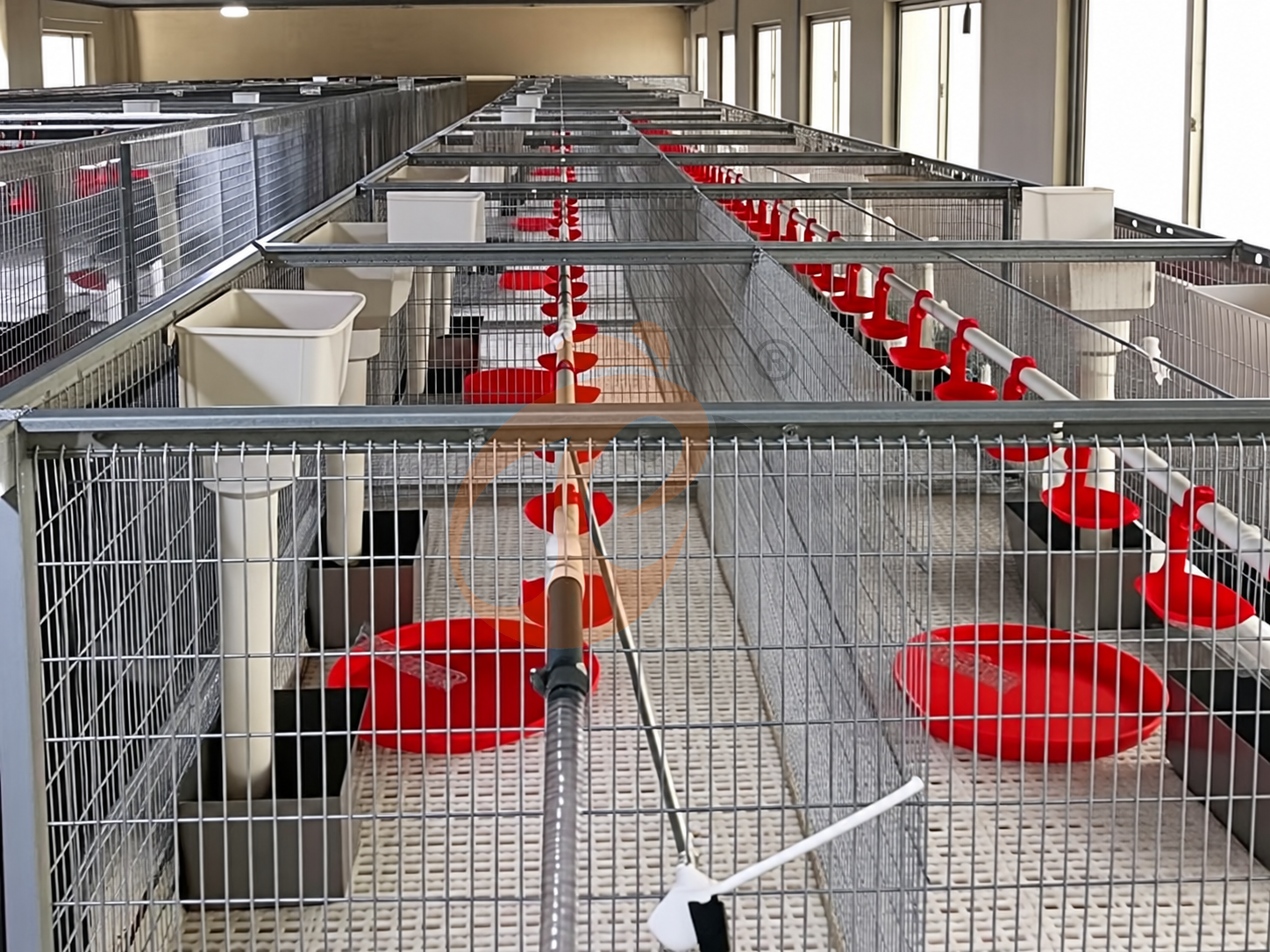
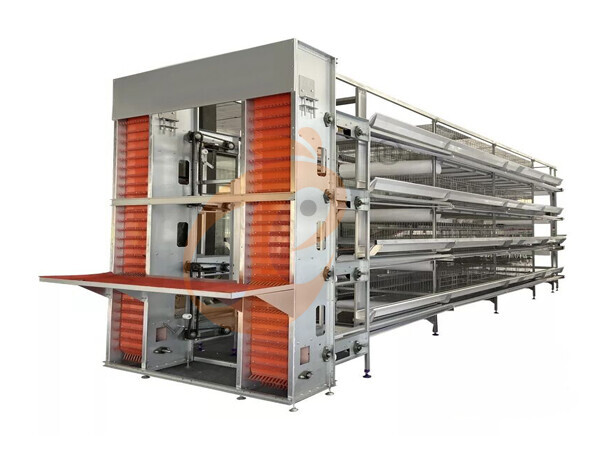
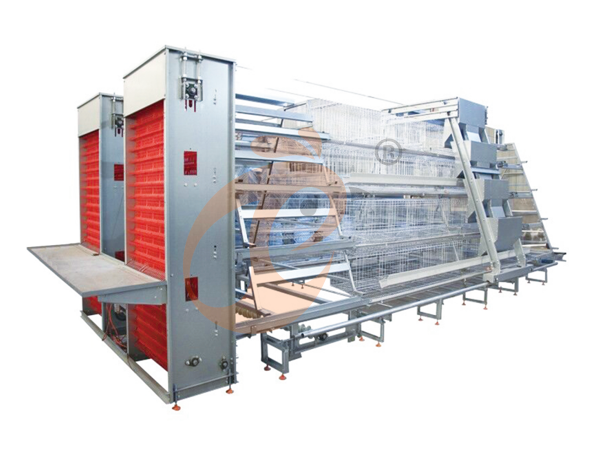
Industrial poultry cage engineering integrates structural steel systems, feeding mechanisms, drinking lines, and egg collection conveyors into one production framework.
A-type battery cage systems are widely applied in commercial layer farms due to high space utilization efficiency and modular expansion capability.
Cost distribution is determined by mechanical complexity, material grade, and automation depth.
Each configuration level delivers different operational efficiency outcomes and capital investment requirements.
Structural Engineering Composition Of Cage Systems
Before analyzing pricing tiers, structural composition must be understood because material selection directly influences service life and load-bearing capacity in multi-tier poultry environments.
Data is for reference only.Swipe horizontally to view full table.
Structural design determines deformation resistance under vertical stacking load and long-term corrosion exposure in humid poultry house environments.
Cost Structure Breakdown Of System Components
A-type cage system pricing is distributed across mechanical subsystems and steel fabrication processes, with structural steel accounting for the majority of capital allocation.
Data is for reference only.Swipe horizontally to view full table.
Steel fabrication quality directly determines system lifespan and structural stability under continuous production loading.
Manual A-Type Battery Cage System Pricing
Manual systems operate without mechanized feeding or automated egg collection systems, relying on labor-based daily operation processes.
Data is for reference only.Swipe horizontally to view full table.
Manual configuration reduces initial investment but increases long-term operational labor dependency.
Reinforced A-Type Cage System Pricing
Reinforced systems utilize upgraded steel strength and improved corrosion resistance coatings for extended service lifespan in commercial poultry environments.
Data is for reference only.Swipe horizontally to view full table.
Higher zinc coating density increases corrosion resistance and extends structural durability under continuous ammonia exposure conditions.
Semi-Automatic A-Type Cage System Pricing
Semi-automatic systems integrate mechanized feeding lines and drinking systems while maintaining partial manual management operations.
Data is for reference only.Swipe horizontally to view full table.
Mechanical feeding systems improve feed distribution consistency and reduce labor intensity in medium-scale poultry farms.
Fully Automatic A-Type Battery Cage System Pricing
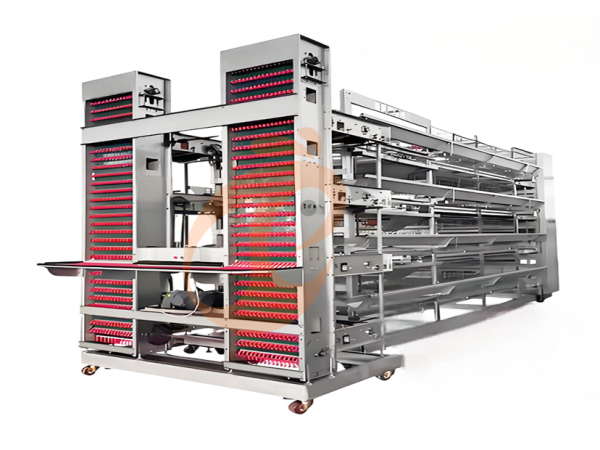
Fully automatic systems integrate synchronized feeding, egg collection, and manure removal systems into a unified production line architecture.
Data is for reference only.Swipe horizontally to view full table.
Automation systems stabilize production output and reduce variability in egg collection timing across large-scale operations.
Smart Integrated A-Type Battery Cage System Pricing
Smart systems incorporate environmental sensors, climate control systems, and digital monitoring platforms for precision poultry farming.
Data is for reference only.Swipe horizontally to view full table.
Environmental control systems improve feed conversion efficiency by maintaining stable thermal and humidity conditions.
Production Performance Efficiency Analysis
A-type cage systems increase production efficiency through controlled feeding, reduced movement energy loss, and optimized stocking density design.
Data is for reference only.Swipe horizontally to view full table.
Structured housing reduces energy expenditure per bird and improves feed utilization efficiency.
Farm Capacity Investment Simulation
Total investment scales directly with flock size and system automation level, requiring structured capital planning for commercial poultry farms.
Data is for reference only.Swipe horizontally to view full table.
Operating Cost Structure Per 1000 Birds
Operational expenditure is primarily driven by feed consumption, with secondary contributions from labor, energy, and veterinary management systems.
Data is for reference only.Swipe horizontally to view full table.
Feed efficiency improvement remains the dominant economic advantage of cage-based poultry systems.
Industry Science Explanation Of Cage System Design
A-type battery cage systems apply triangular structural mechanics to distribute vertical loads evenly across multi-tier frameworks.
Egg collection systems rely on gravitational slope angles between 6 and 8 degrees to enable controlled egg movement without mechanical impact damage.
This improves collection efficiency and reduces breakage rates in commercial poultry production lines.
Frequently Asked Questions
Q1: What determines the price difference of A-type battery cage systems?
Price differences are determined by steel thickness, zinc coating level, automation modules, and system density per square meter, ranging from 2.6 USD to 15.5 USD per bird capacity.
Q2: What is the service life of an A-type battery cage system?
Service life ranges from 8 years in basic configurations to 20 years in high zinc-coated reinforced systems under standard maintenance conditions.
Q3: What is the recommended system for large scale poultry farms?
Semi-automatic and fully automatic systems are recommended for farms above 10,000 birds due to labor efficiency and production stability advantages.
Taiyu (HK) Group - One Of China Biggest A-Type Battery Cage Manufacturer
Taiyu (HK) Group provides A-type battery cage systems for commercial poultry farms with engineered steel structure and multi-tier production design.
Global factory direct supply ensures consistent poultry equipment manufacturing quality with standardized corrosion resistant materials and modular cage configurations.
Poultry cage production lines include manual, semi-automatic, and fully automatic systems for scalable egg production farm construction projects worldwide.
Turn-key engineering service covers poultry house design, equipment installation, system integration, and commissioning for industrial layer farming operations.
Export supply capability supports large-scale poultry farm projects with stable delivery capacity and international industrial equipment standards compliance.
Contact Us To Received Your Customized Poultry Farm Plan
Headquarters And Branchs
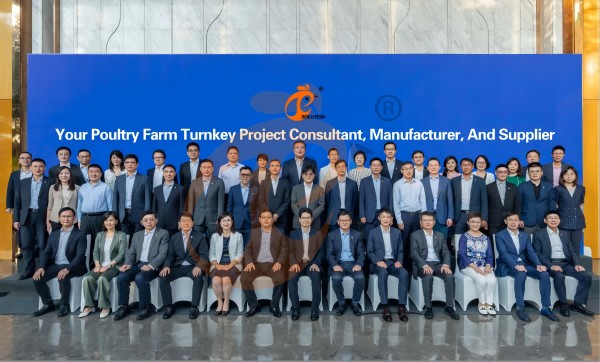
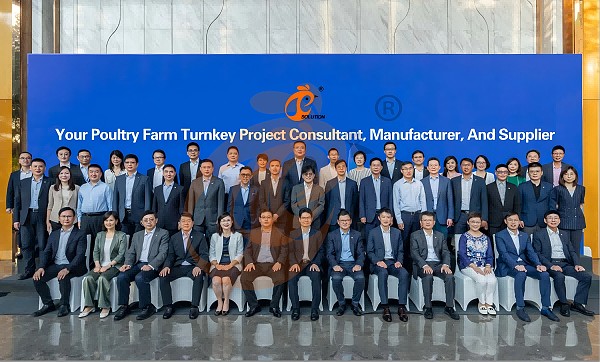
Hong Kong Headquarter Management Team
Hong Kong Headquarter Taiyu Industrial Group CO., LTD
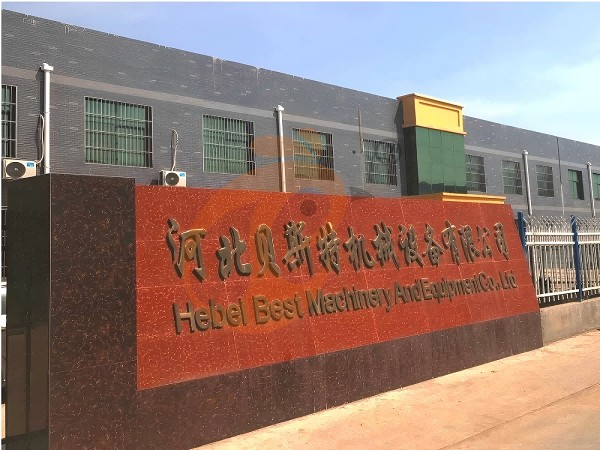
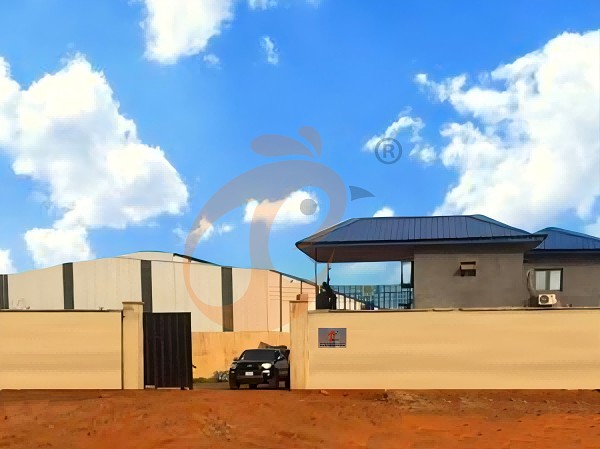
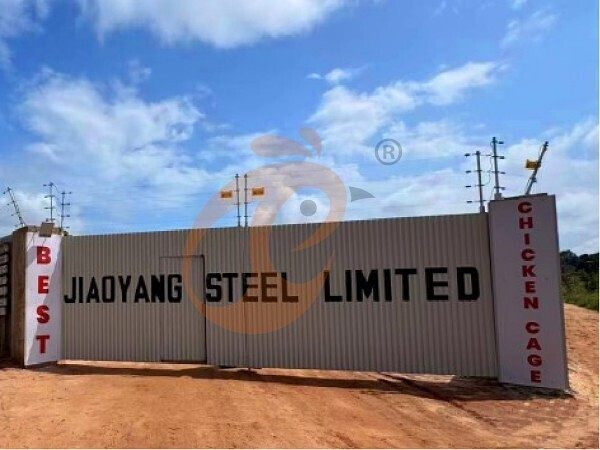
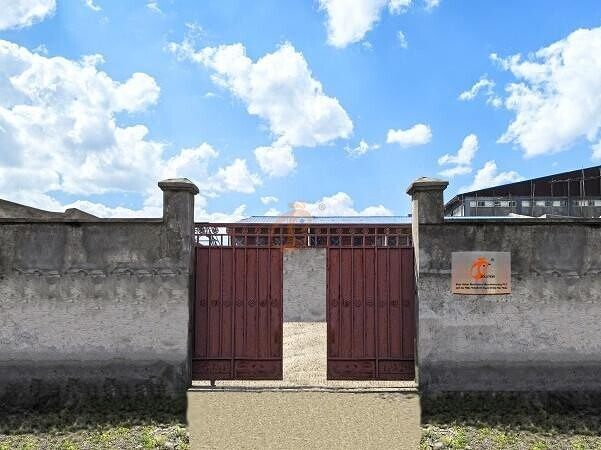
China Hebei Best Machinery And Equipment CO., LTD
Nigeria Vanke Machinery And Equipment CO., LTD
Tanzania Best Machinery And Equipment CO., LTD
Ethiopia Best Hebei Machinery Manufacturing PLC
Reception /24 WhatsApp NO. : +8618830120193
PRODUCTS RECOMMENDED
 China Branch Manufacture Poultry Farm EquipmentRead More
 Ethiopia Branch Manufacture Poultry Farm EquipmentRead More
 Nigeria Branch Manufacture Poultry Farm EquipmentRead More
 Tanzania Branch Manufacture Poultry Farm EquipmentRead More
 IoT Smart Poultry FarmRead More
 >30,000 Layers Automatic H Type Battery CageRead More
 10,000 - 30,000 Layers Automatic A Type Battery CageRead More
MESSAGE
NEWS
 How To Choose A Reliable H Type Chicken Cage Supplier For Poultry Farms?Read More
 Floor Rearing System For Layers | Cost, Egg Production And Management TipsRead More
 How To Plan Poultry Farm Equipment Budget | 6 Key FactorsRead More
 How To Reduce Operating Costs With Battery Cage For Layers Systems | 6 TipsRead More