

BLOG
Automatic feed mixers integrate precision batching systems, industrial-grade mixing chambers, programmable control panels, load cell weighing systems, and high-torque motor assemblies for poultry feed production environments.
Feed uniformity directly influences broiler growth rate, egg output, feed conversion ratio stability, and digestive absorption efficiency.
Equipment design eliminates manual mixing inconsistency and stabilizes nutrient distribution across large-scale production cycles.
Automatic feed mixers operate through controlled ingredient dosing, mechanical agitation, timed discharge, and continuous monitoring systems.
Long-term poultry maintenance depends on feed precision, mechanical reliability, environmental stability, biosecurity control, and performance monitoring systems.
Get professional poultry farm construction guidance, equipment selection solutions, and the latest price lists, whatsApp to +8618830120193, click to learn more:
Automatic Feed Mixers Product Function Overview
Automatic feed mixers function as centralized feed preparation systems in poultry farms, combining raw materials into scientifically balanced rations.
Core components include feeding hopper units, weighing sensors, mixing shafts, gearbox transmission systems, and discharge gates.
The system processes corn, soybean meal, wheat bran, fish meal, amino acid premixes, calcium carbonate, and vitamin blends in controlled ratios.
Industrial systems support continuous batching and multi-cycle operation without downtime interruptions.
Mixing uniformity is achieved through counter-rotating blades, screw augers, or ribbon paddles depending on machine configuration.
Precise formulation accuracy depends on stable mechanical feeding flow and synchronized sensor response across all ingredient inputs.
Automatic Feed Mixers Technical Performance Parameters
Proper evaluation of machine parameters determines suitability for different poultry farm capacities and production targets.
Operational parameters define energy consumption structure and mixing precision stability across industrial feed systems.
Data is for reference only.Swipe horizontally to view full table.
These parameters directly determine feed consistency, production speed, and energy consumption efficiency in industrial poultry feed lines.
Feed Ingredient Precision Formulation System
Feed formulation accuracy ensures stable metabolic energy delivery across poultry growth stages.
Ingredient ratio control directly affects nutrient density stability and flock growth uniformity.
Data is for reference only.Swipe horizontally to view full table.
Accurate ingredient scaling ensures stable nutrient density across every feed batch produced by the mixer system.
Automatic Feed Mixers Mechanical Structure Engineering
Automatic feed mixers are constructed using reinforced carbon steel frames combined with stainless steel internal mixing chambers to prevent corrosion and contamination.
Dual-shaft paddle systems rotate in opposite directions to create three-dimensional convection mixing.
Gearbox systems transfer motor torque efficiently to mixing shafts, ensuring stable rotational force distribution.
Industrial motors ranging from 3 kW to 45 kW power units drive continuous operation cycles.
Discharge systems utilize hydraulic or mechanical gates to control feed release volume per batch.
Mechanical stability is reinforced through vibration damping structures and overload protection modules designed for continuous farm operation.
Feed Conversion Performance Data In Poultry Systems
Feed efficiency directly reflects conversion of nutrients into body mass under controlled feeding environments.
Performance comparison reflects production efficiency differences under standardized feeding conditions.
Data is for reference only.Swipe horizontally to view full table.
Lower conversion ratios reflect higher feed utilization efficiency and better mixer performance consistency in production environments.
Poultry Equipment Maintenance Control Schedule
Maintenance scheduling must follow equipment load intensity and daily operational throughput requirements.
Maintenance timing structure ensures mechanical stability and prevents production interruption risk.
Data is for reference only.Swipe horizontally to view full table.
Regular maintenance execution stabilizes mixer performance and prevents unplanned production interruptions.
Feed Consumption Monitoring System For Poultry Health
Feed intake monitoring is a key performance indicator in poultry production systems.
Broiler chickens typically consume 95–165 per day depending on age stage and metabolic rate.
Automated feed mixer systems synchronize production output with consumption data feedback loops.
Digital sensors detect deviations greater than 12%, indicating potential disease, heat stress, or nutritional imbalance conditions within poultry flocks.
Real-time consumption tracking enables early correction of feeding schedules and prevents long-term production loss.
Environmental Poultry Production Control Parameters
Environmental stability determines feed conversion efficiency and overall flock productivity across housing systems.
Environmental regulation parameters directly affect metabolic stability and feed utilization performance.
Data is for reference only.Swipe horizontally to view full table.
Environmental control systems work together with feed delivery automation to maintain stable production cycles.
Feed Storage And Nutrient Stability Engineering
Feed stability is strongly influenced by environmental exposure conditions after mixing.
Moisture content must remain below 12% to prevent fungal growth and bacterial contamination.
Storage temperature should be controlled between 10°C and 25°C to preserve vitamin integrity and amino acid stability.
Nutrient degradation occurs rapidly above 30°C, resulting in measurable reductions in vitamin potency and protein stability over extended storage periods.
Proper storage engineering ensures that mixer output quality is preserved until consumption by poultry flocks.
Feed Nutrient Degradation Analysis Data
Nutrient retention levels define feed stability over time in storage environments.
Nutrient stability curves reflect long-term storage performance of mixed feed formulations.
Data is for reference only.Swipe horizontally to view full table.
Nutrient decline rate is directly affected by temperature, humidity, and storage duration.
Automatic Feed Mixers Calibration And Control Systems
Calibration systems ensure batching accuracy within ±1% deviation limits.
Load cell sensors measure ingredient weight in real time, adjusting feed distribution automatically.
Control panels synchronize motor rotation speed, mixing duration, and discharge timing to ensure repeatable batch consistency.
Calibration is required every 1000 operating hours to maintain long-term production accuracy and mechanical reliability.
Stable calibration performance ensures predictable feed output quality across continuous production cycles.
Mechanical Failure And Maintenance Risk Data
Failure analysis supports predictive maintenance scheduling for industrial poultry operations.
Failure statistics support mechanical risk prediction and downtime reduction planning.
Data is for reference only.Swipe horizontally to view full table.
Failure statistics support predictive maintenance planning for large-scale poultry feed operations.
Feed Hygiene And Disease Prevention System
Feed hygiene is critical for poultry disease prevention management systems.
Contamination levels exceeding 10⁴ CFU/g can increase infection risk in poultry flocks.
Automatic feed mixers reduce contamination exposure through sealed chambers, stainless steel surfaces, and controlled airflow filtration systems.
Closed-system designs reduce contamination probability by approximately 85% compared with open feed handling systems, improving flock immunity and reducing mortality risk.
Hygienic feed production ensures biological safety consistency across every production batch.
Scientific Mechanism Of Feed Mixing Efficiency
Feed mixing efficiency depends on particle size distribution, density uniformity, and coefficient of variation values.
Industrial poultry feed systems require CV values below 10% to ensure optimal homogeneity.
Uniform nutrient distribution improves enzymatic digestion efficiency and increases nutrient absorption rates by 8%–15% in poultry gastrointestinal systems.
Mechanical mixing energy ensures homogeneous dispersion of macro and micro nutrients across each batch cycle.
Mixing uniformity is the core engineering indicator defining overall feed mixer performance quality.
Poultry Production Cost Efficiency Comparison
Cost structure differences reflect automation advantages in industrial poultry production systems.
Production scaling efficiency improves significantly with automated feed preparation systems.
Data is for reference only.Swipe horizontally to view full table.
Automation reduces operational expenditure while increasing output stability across poultry production systems.
Frequently Asked Questions
Q1: What is the standard batch capacity of automatic feed mixers in poultry farms?
Batch capacity ranges from 500 kg to 5000 kg per cycle depending on motor configuration and chamber design.
Q2: How does feed mixing uniformity affect poultry growth performance?
Mixing uniformity below 10% CV improves nutrient absorption efficiency by 8%–15% and stabilizes feed conversion ratio between 1.50 and 2.00.
Q3: What maintenance schedule is required for long-term equipment stability?
Blade inspection every 120 hours, lubrication every 240 hours, and calibration every 1000 hours maintain ±1% accuracy.
Taiyu (HK) Group - One Of China Largest Automatic Feed Mixers Manufacturer
Taiyu automatic feed mixers provide industrial precision feed batching systems for poultry production lines with stable engineering output capacity.
Factory direct manufacturing ensures large-scale supply capability for global poultry equipment distribution networks with standardized production control systems.
Turn-key engineering solutions integrate poultry feed mixer systems with automated farm construction projects including installation and commissioning services.
Poultry cage systems combined with feed mixer production lines enable synchronized industrial farming operations across complete poultry production chains.
Global export capability supports large-scale poultry farm automation projects across international agricultural markets with consistent equipment performance standards.
Contact Us To Received Your Customized Poultry Farm Plan
Headquarters And Branchs
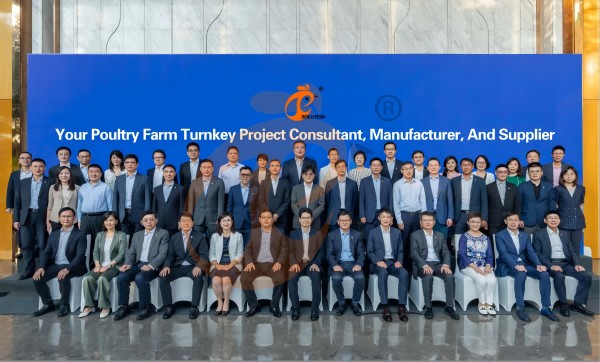
Hong Kong Headquarter Management Team
Hong Kong Headquarter Taiyu Industrial Group CO., LTD
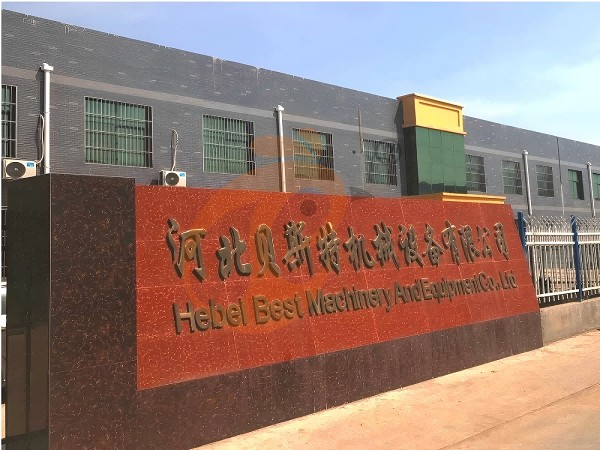
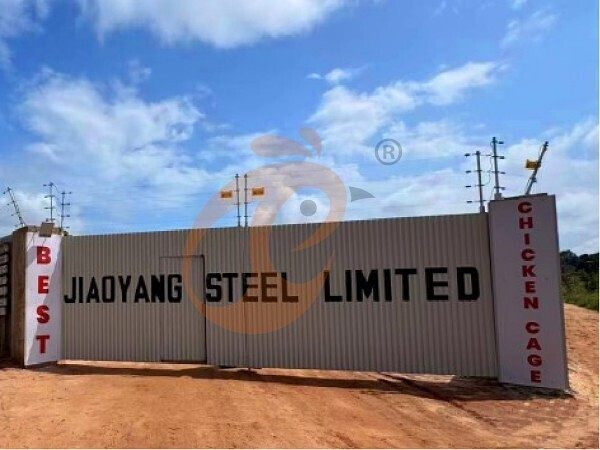
China Hebei Best Machinery And Equipment CO., LTD
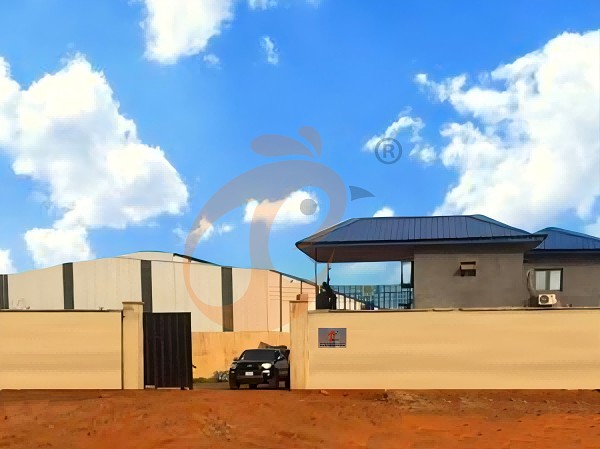
Nigeria Vanke Machinery And Equipment CO., LTD
Tanzania Best Machinery And Equipment CO., LTD
Ethiopia Best Hebei Machinery Manufacturing PLC

Reception /24 WhatsApp NO. : +8618830120193
PRODUCTS RECOMMENDED
 China Branch Manufacture Poultry Farm EquipmentRead More
 Ethiopia Branch Manufacture Poultry Farm EquipmentRead More
 Nigeria Branch Manufacture Poultry Farm EquipmentRead More
 Tanzania Branch Manufacture Poultry Farm EquipmentRead More
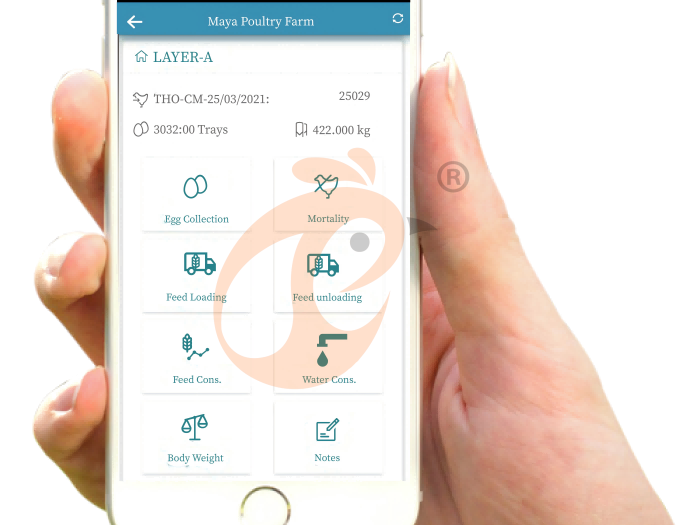
 IoT Smart Poultry FarmRead More
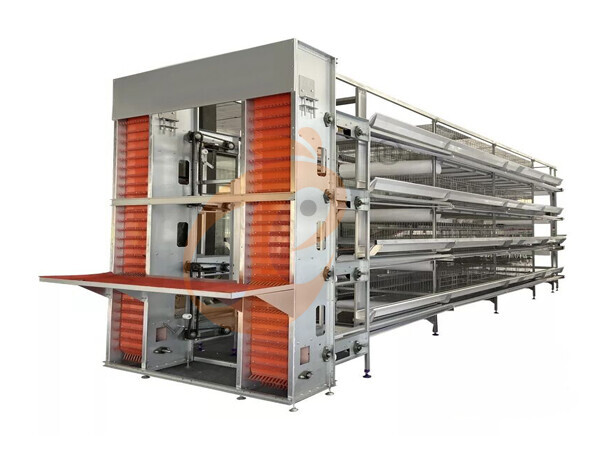
 >30,000 Layers Automatic H Type Battery CageRead More
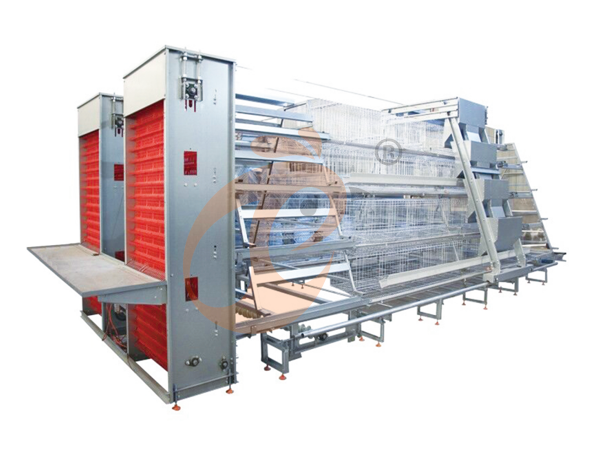
 10,000 - 30,000 Layers Automatic A Type Battery CageRead More

MESSAGE
NEWS
 How To Choose A Reliable H Type Chicken Cage Supplier For Poultry Farms?Read More
 Floor Rearing System For Layers | Cost, Egg Production And Management TipsRead More
 How To Plan Poultry Farm Equipment Budget | 6 Key FactorsRead More
 How To Reduce Operating Costs With Battery Cage For Layers Systems | 6 TipsRead More