

BLOG
Industrial feed pellet mill systems require stable lubrication management for continuous poultry feed production.
Biomass pellet machine structures operate under compression pressure between 250–320 MPa during commercial poultry feed processing cycles.
Feed pellet machine maintenance procedures directly influence pellet durability index values reaching 88–95% in modern poultry farms.
Mechanical calibration programs reduce die wear rates, electrical instability, and unplanned production interruptions during 16–20 operational hours daily.
Structured inspection schedules improve poultry farm feed processing reliability and extend industrial equipment lifespan beyond 8–12 production years.
Get professional poultry farm construction guidance, equipment selection solutions, and the latest price lists, whatsApp to +8618830120193, click to learn more:
Understanding Pellet Machine Operational Stability
Pellet machine systems used in poultry feed plants process corn powder, soybean meal, wheat bran, fish meal, and mineral additives into compact nutritional pellets.
Stable operation inside a feed pellet machine ensures consistent feed diameter, balanced density, and controlled moisture retention during poultry feeding cycles.
Commercial poultry farms containing 20,000–80,000 birds usually require 1.5–9.0 tons of pellet feed every day depending on production stage and poultry species.
Data is for reference only.Swipe horizontally to view full table.
Continuous parameter monitoring stabilizes pellet formation pressure and improves poultry feed consistency across multiple production cycles.
Lubrication Control System Optimization
Lubrication systems inside a biomass pellet machine reduce friction between bearings, shafts, and transmission assemblies operating under continuous mechanical load.
Insufficient lubrication increases rotational resistance and accelerates bearing surface abrasion.
Industrial poultry feed factories operating 18–22 hours daily require precise lubrication intervals to maintain stable torque transmission.
Data is for reference only.Swipe horizontally to view full table.
Routine lubrication scheduling reduces vibration frequency and stabilizes long-term industrial feed pellet machine performance.
Die And Roller Geometry Maintenance
Ring die and roller systems determine pellet hardness, feed uniformity, and compression density.
Poultry farms requiring balanced nutritional intake across broiler houses depend on precise pellet dimensions for automated feeding systems.
Excessive die wear causes uneven extrusion pressure and unstable pellet durability.
Data is for reference only.Swipe horizontally to view full table.
Regular dimensional inspection improves pellet compactness and decreases feed fragmentation during poultry transportation.
Feed Moisture And Conditioning Regulation
Steam conditioning technology inside a feed pellet machine adjusts raw material moisture before compression.
Controlled moisture content improves starch gelatinization and increases pellet binding efficiency during poultry feed processing.
Excess moisture generates die blockage, while insufficient moisture decreases pellet cohesion strength.
Data is for reference only.Swipe horizontally to view full table.
Accurate moisture regulation improves poultry digestion efficiency and stabilizes pellet appearance during storage.
Compression Thermodynamics In Pellet Formation
Pellet formation inside a pellet mill system is a thermo-mechanical engineering process involving pressure transfer, rotational friction, and heat generation.
During compression, natural starch and lignin compounds soften under elevated temperature conditions and create strong molecular binding structures between feed particles.
Temperature inside industrial poultry feed pellet machines usually reaches 82–105°C during stable production cycles.
Scientific poultry nutrition studies show that starch gelatinization efficiency increases significantly between 70–85°C, improving feed digestibility and pellet structural integrity.
Nutritional stability decreases when temperatures exceed 125°C because vitamins A, D, and certain amino acids experience thermal degradation.
Commercial poultry feed pellets generally maintain bulk density between 580–720 Kg/M³ depending on formulation structure and compression ratio.
Cleaning Cycle Engineering And Residue Control
Fine poultry feed particles accumulate rapidly inside feed channels, compression chambers, and discharge outlets.
Residue accumulation increases airflow resistance and elevates mechanical load pressure across rotating assemblies.
Structured cleaning cycles maintain stable material flow and reduce overheating risks.
Data is for reference only.Swipe horizontally to view full table.
Routine cleaning procedures improve pellet surface smoothness and reduce feed contamination risks.
Electrical Load And Control System Monitoring
Electrical control systems regulate feed speed, die rotation stability, and emergency protection functions inside industrial pellet machine equipment.
Unstable voltage conditions reduce motor efficiency and increase power consumption during high-load production periods.
Data is for reference only.Swipe horizontally to view full table.
Electrical stability maintains uniform pellet density and prevents sudden production interruption inside poultry feed plants.
Spare Parts Inventory Structuring For Poultry Feed Lines
Industrial poultry farms require uninterrupted feed supply cycles.
Spare parts inventory management reduces maintenance downtime and protects daily feed allocation schedules.
Critical replacement components include ring dies, rollers, bearings, and transmission belts.
Data is for reference only.Swipe horizontally to view full table.
Maintenance inventory planning reduces production delays and stabilizes feed processing continuity.
Daily Operational Inspection Protocol
Daily inspection systems identify abnormal vibration, unstable pellet dimensions, and temperature fluctuation before major mechanical failures occur.
Poultry feed factories processing 10–30 tons daily require multiple inspection cycles during each production shift.
Data is for reference only.Swipe horizontally to view full table.
Consistent inspection procedures improve feed pellet quality stability across large poultry farming operations.
Production Efficiency Impact In Poultry Farming Systems
Well-maintained pellet machine systems improve poultry feed conversion efficiency and reduce feed waste ratios inside automated poultry houses.
Stable pellet hardness decreases feed powder generation during transportation and automated feeding distribution.
Commercial poultry farms processing 15 tons of feed daily may reduce feed waste by approximately 2.8–4.5% through stable pellet quality management.
Annual feed cost reductions may reach $6,000–$18,000 depending on flock quantity, feed formula, and production efficiency.
European union standard reference only.Data is for reference only.Swipe horizontally to view full table.
Stable pellet formation improves nutritional distribution efficiency throughout poultry production cycles.
Maintenance Scheduling Strategy For Continuous Operation
Structured maintenance scheduling ensures stable operation across lubrication systems, die assemblies, electrical circuits, and cooling components.
Predictable maintenance intervals reduce unexpected shutdown frequency and improve industrial production planning efficiency.
Data is for reference only.Swipe horizontally to view full table.
Maintenance discipline extends pellet machine service lifespan and stabilizes poultry feed processing efficiency.
Frequently Asked Questions
Q1: How often should poultry feed pellet machine dies be replaced?
Industrial ring dies normally require replacement after 2500–4000 operational hours depending on feed formulation, compression ratio, and raw material hardness.
Poultry feed containing limestone or mineral additives accelerates internal hole abrasion and increases pellet diameter inconsistency.
Q2: What moisture level produces stable poultry feed pellets?
Conditioned feed moisture between 15–17% usually provides stable pellet cohesion and smooth compression performance.
Moisture values above 18% increase blockage probability inside ring die channels during continuous poultry feed production cycles.
Q3: What maintenance factor most influences machine lifespan?
Lubrication management produces the largest influence on operational lifespan because bearing systems operate continuously under rotational pressure.
Scientific maintenance records from commercial feed plants show lubrication discipline may reduce bearing replacement frequency by approximately 30% during industrial poultry feed production.
Taiyu (HK) Group - One Of China Largest Pellet Machine Supplier
Industrial poultry feed pellet machine systems support stable high-capacity agricultural feed production
Global factory direct supply channels reduce procurement cost and international delivery pressure
Advanced poultry equipment engineering improves automated feeding efficiency inside commercial poultry farms
Heavy-duty poultry cage production supports broiler and layer farming expansion projects worldwide
Professional turn-key engineering services provide integrated feed mill installation and operational planning
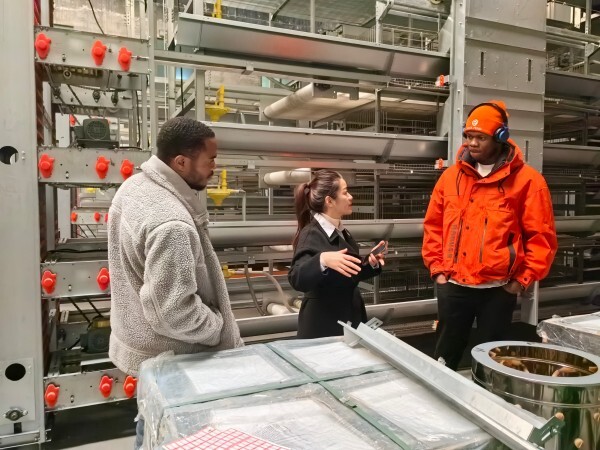
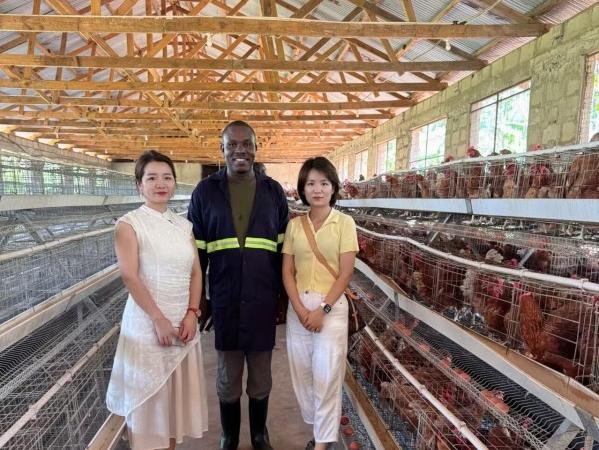
Contact Us To Received Your Customized Poultry Farm Plan
Headquarters And Branchs

Hong Kong Headquarter Management Team
Hong Kong Headquarter Taiyu Industrial Group CO., LTD
China Hebei Best Machinery And Equipment CO., LTD
Nigeria Vanke Machinery And Equipment CO., LTD
Tanzania Best Machinery And Equipment CO., LTD
Ethiopia Best Hebei Machinery Manufacturing PLC




Reception /24 WhatsApp NO. : +8618830120193
PRODUCTS RECOMMENDED
 China Branch Manufacture Poultry Farm EquipmentRead More
 Ethiopia Branch Manufacture Poultry Farm EquipmentRead More
 Nigeria Branch Manufacture Poultry Farm EquipmentRead More
 Tanzania Branch Manufacture Poultry Farm EquipmentRead More
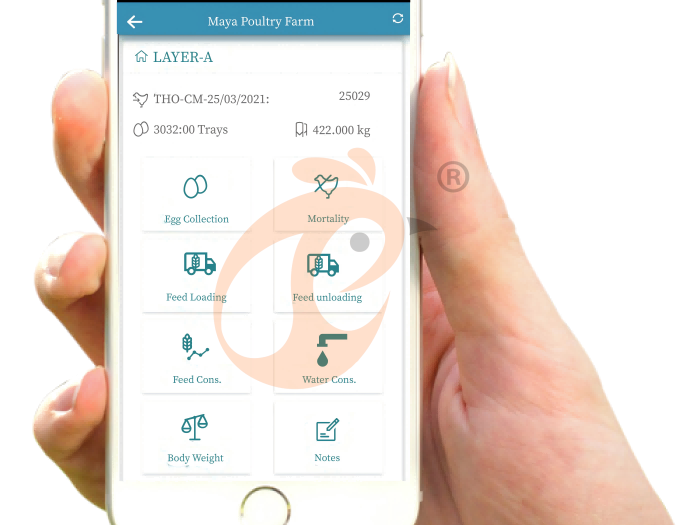
 IoT Smart Poultry FarmRead More
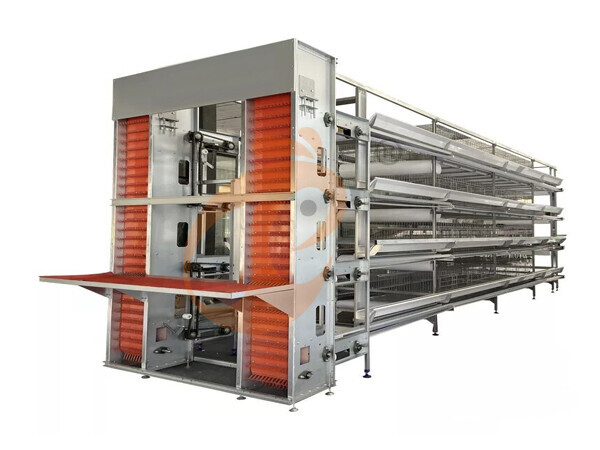
 >30,000 Layers Automatic H Type Battery CageRead More
 10,000 - 30,000 Layers Automatic A Type Battery CageRead More
MESSAGE
NEWS
 What Makes A Factory-Direct A Type Chicken Battery Cage More Cost-Effective? 4 ReasonsRead More
 Deep Litter System For Broilers Vs Cage | Which Is More Profitable?Read More
 Free Range Broiler System Vs Intensive Farming | Which Is More Profitable?Read More
 Broiler Floor Rearing System Cost | 6 Factors Affecting PriceRead More