

BLOG
Water delivery engineering determines poultry production stability across intensive farming environments.
Nipple drinker systems provide controlled hydration with sealed pipeline distribution for hygiene protection.
Proper pressure regulation ensures uniform water intake across broiler and layer housing structures.
Mechanical valve activation design supports efficient water release based on bird interaction force.
System optimization improves feed conversion ratio, growth uniformity, and overall poultry farm productivity.
Get professional poultry farm construction guidance, equipment selection solutions, and the latest price lists, whatsApp to +8618830120193, click to learn more:
Why Nipple Drinkers Define Modern Poultry Efficiency
In commercial poultry production, water management is as important as feed formulation.
Studies from poultry research institutions show that birds consume nearly 1.6–2.0 times more water than feed by weight, meaning even small inefficiencies in drinking systems can significantly impact growth performance.
Nipple drinkers have become the global standard in intensive chicken farming because they deliver clean, controlled, and measurable water supply directly to each bird.
Unlike open trough systems, nipple drinkers reduce microbial contamination by up to 80–90%, according to field farm comparisons in high-density broiler houses.
Modern poultry house engineering increasingly integrates sealed hydration infrastructure to stabilize microbial control and reduce environmental variability.
Controlled water delivery ensures consistent physiological intake across all growth stages.
Core Functions Of Nipple Drinkers
Data is for reference only.Swipe horizontally to view full table.
Before evaluating system structure, functional parameters must be clearly defined to ensure engineering consistency across poultry drinking line installations.
Water system architecture in modern poultry farms prioritizes hygiene isolation and hydraulic consistency to maintain stable flock production conditions.
Choosing The Right Nipple Drinkers System
Selecting the correct system is the foundation of efficient poultry watering.
Different bird types require different water flow resistance and sensitivity.
Modern systems typically use stainless steel pins and high-grade ABS housings, designed to withstand over 50,000–100,000 activation cycles per nipple.
Global demand for poultry nipple drinker system, automatic poultry drinking system, and broiler nipple water line continues increasing in large-scale farms.
Modern engineering focuses on durability, leak control, and long-cycle performance stability under continuous poultry production pressure.
Nipple Types And Applications
Data is for reference only.Swipe horizontally to view full table.
Different mechanical designs ensure uniform water distribution across varied poultry weight stages and production systems.
Installation Height And System Layout
Correct installation height ensures birds drink naturally without stress.
Research shows that improper nipple height can reduce water intake by up to 15–25%, directly affecting feed conversion ratio.
Proper layout design ensures balanced drinking line distribution across poultry houses using poultry water line system and automatic nipple drinker line standards.
Precise alignment improves flock accessibility and reduces competition at drinking points.
Recommended Installation Standards
Data is for reference only.Swipe horizontally to view full table.
Correct geometric layout ensures uniform hydration access and reduces uneven flock development.
Water Pressure Calibration
Water pressure is the core control parameter of nipple drinking systems.
Too low pressure reduces intake efficiency.
Too high pressure causes leakage and wet litter conditions, increasing ammonia levels in poultry houses.
Optimal poultry house pressure ranges between 20–40 kPa depending on bird age stage.
European union standard reference only.
Stable hydraulic pressure ensures consistent valve responsiveness and prevents irregular discharge patterns.
Pressure Settings By Production Stage
Data is for reference only.Swipe horizontally to view full table.
Gradual pressure adjustment ensures metabolic adaptation and stable drinking behavior.
Scientific Working Principle Of Nipple Drinkers
A nipple drinker operates using a sealed mechanical valve system combined with gravity-fed pipeline pressure.
When a bird pecks the pin, internal spring resistance is released, allowing controlled water flow.
Key physical forces include
- Gravity pressure from elevated tank system
- Mechanical spring resistance inside nipple body
- Bird activation force approximately 0.2–0.5 N
This engineering balance ensures zero leakage under static conditions while maintaining responsive activation during drinking behavior.
Mechanical equilibrium ensures precise water release control only under activation conditions.
Force Balance Structure
Data is for reference only.Swipe horizontally to view full table.
Balanced force interaction ensures stable long-term system operation.
Daily Inspection And Operational Stability
Routine inspection ensures stable system performance across poultry production cycles.
Field data shows farms applying structured maintenance reduce system failure rates by up to 70%, especially in large-scale broiler operations using automatic poultry drinking line systems.
Consistent monitoring prevents hydraulic imbalance and ensures long-term production efficiency.
Maintenance Schedule Overview
Data is for reference only.Swipe horizontally to view full table.
Preventive maintenance ensures stable hydraulic performance across production cycles.
Cleaning And Biofilm Control
Biofilm accumulation inside pipelines reduces water flow efficiency by 10–18% per production cycle if unmanaged.
Cleaning procedures ensure stable hygiene levels and support long-term use of nipple drinker systems in commercial poultry houses.
Microbial buildup develops in stagnant zones and must be controlled through regular sanitation cycles.
Cleaning Protocol Standards
Data is for reference only.Swipe horizontally to view full table.
Proper sanitation stabilizes water quality and reduces microbial contamination risk.
Monitoring Bird Drinking Behavior
Bird drinking behavior provides real-time feedback on system performance.
Uniform drinking indicates balanced pressure and correct installation. Abnormal clustering indicates system imbalance in poultry drinking line systems.
Behavioral analysis enables early detection of hydraulic instability.
Behavioral Indicators And Actions
Data is for reference only.Swipe horizontally to view full table.
Behavioral feedback ensures real-time system optimization.
Water Intake and Growth Performance Science
Water intake directly influences digestion efficiency, nutrient absorption, and thermoregulation in poultry production.
Optimized hydration improves broiler weight gain by 8–15% under controlled farm environments.
Wet litter reduction also decreases ammonia concentration by 30–50 ppm, improving respiratory health and survival rate.
Hydration efficiency is a key driver of metabolic stability in intensive poultry systems.
Water Impact On Production Performance
Data is for reference only.Swipe horizontally to view full table.
Water management directly influences production economics and flock uniformity.
Common Installation And Operation Mistakes
More than 60% of nipple drinker system issues originate from installation and management errors rather than equipment defects.
Incorrect height adjustment and unstable pressure control remain the most frequent operational problems in poultry farm water systems.
Configuration errors propagate across hydraulic networks and reduce overall efficiency.
Error vs System Impact
Data is for reference only.Swipe horizontally to view full table.
Standardized installation reduces operational risk significantly.
Frequently Asked Questions
Q1: What water pressure is required for nipple drinkers?
Optimal pressure is 15–20 kPa for chicks and 30–40 kPa for finishing broilers.
Correct pressure improves intake efficiency by 10–15% and reduces leakage risk.
Q2: How many birds can one nipple support?
One nipple typically supports 8–12 broilers depending on housing density and system design.
Proper spacing ensures uniform drinking behavior and stable growth.
Q3: Why do nipple drinkers improve poultry performance?
Closed systems reduce bacterial contamination by up to 80–90%, improving feed conversion ratio (FCR) from 1.8 to around 1.55–1.7 under optimized management conditions.
Taiyu (HK) Group - One Of China Biggest Nipple Drinkers Manufacturer
Nipple drinker system delivers precise poultry water line control for broiler and layer farms with stable hydraulic performance.
Factory direct supply ensures consistent poultry nipple drinker system quality and global-scale production capacity support.
Poultry cage integrated drinking system supports automated poultry equipment solutions for modern intensive farming operations.
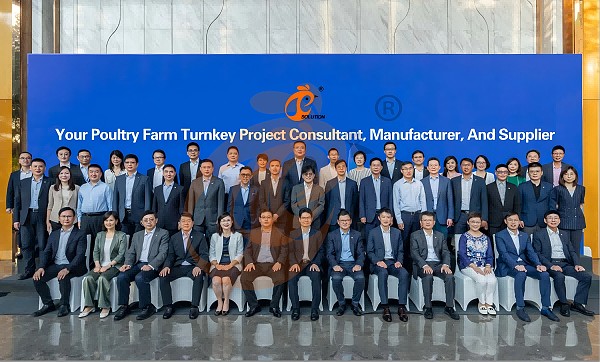
Turn-key poultry farm engineering includes full installation, layout design, and system commissioning for large projects.
Global poultry equipment exporter providing durable nipple drinker systems for industrial-scale poultry production facilities.
Contact Us To Received Your Customized Poultry Farm Plan
Headquarters And Branchs

Hong Kong Headquarter Management Team
Hong Kong Headquarter Taiyu Industrial Group CO., LTD
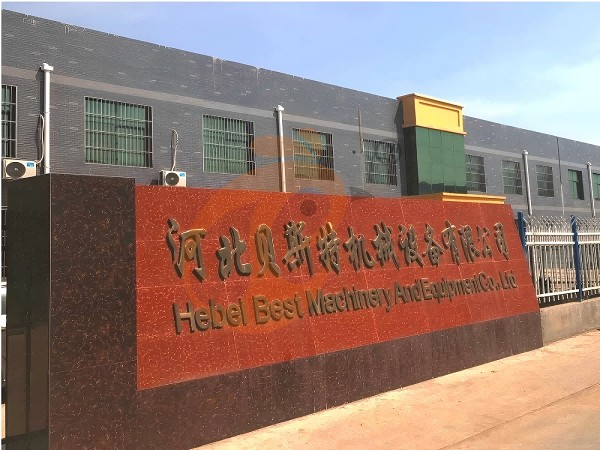
China Hebei Best Machinery And Equipment CO., LTD
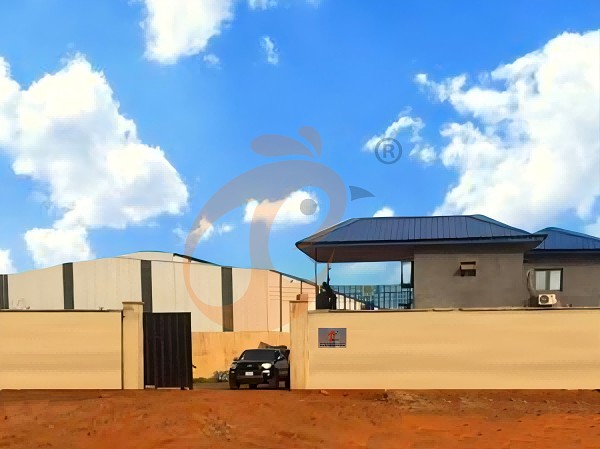
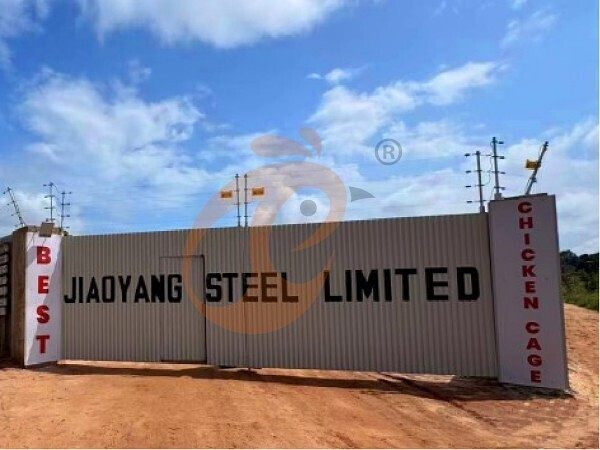
Nigeria Vanke Machinery And Equipment CO., LTD
Tanzania Best Machinery And Equipment CO., LTD
Ethiopia Best Hebei Machinery Manufacturing PLC

Reception /24 WhatsApp NO. : +8618830120193
PRODUCTS RECOMMENDED
 China Branch Manufacture Poultry Farm EquipmentRead More
 Ethiopia Branch Manufacture Poultry Farm EquipmentRead More
 Nigeria Branch Manufacture Poultry Farm EquipmentRead More
 Tanzania Branch Manufacture Poultry Farm EquipmentRead More
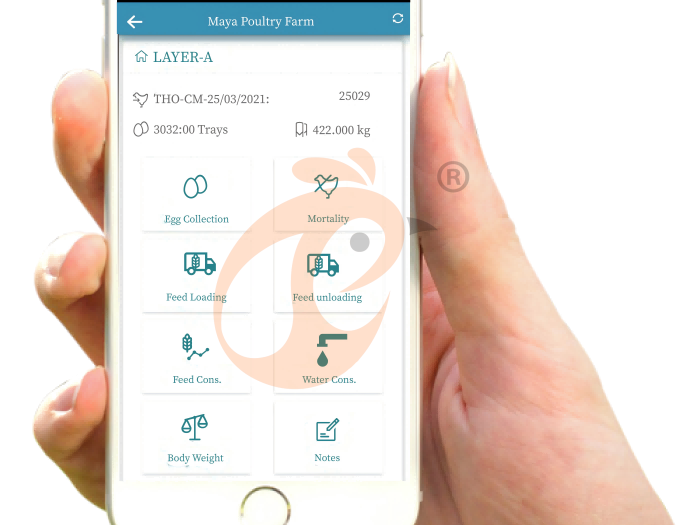
 IoT Smart Poultry FarmRead More
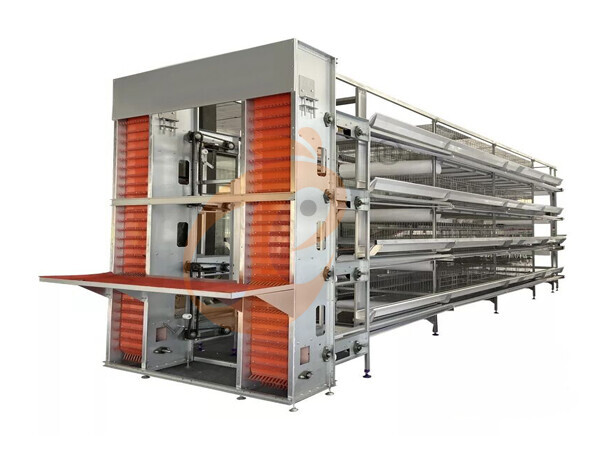
 >30,000 Layers Automatic H Type Battery CageRead More
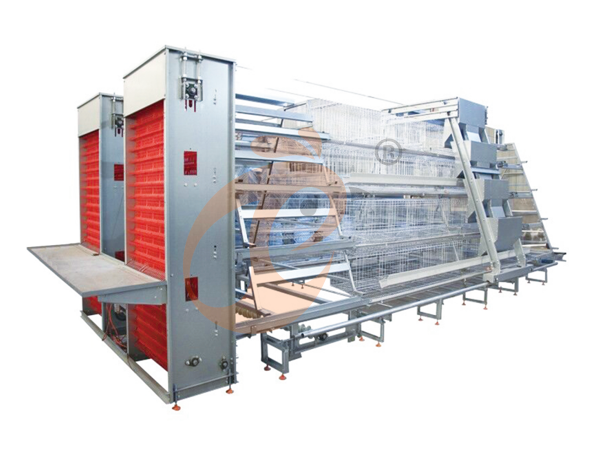
 10,000 - 30,000 Layers Automatic A Type Battery CageRead More

MESSAGE
NEWS
 How To Choose A Reliable H Type Chicken Cage Supplier For Poultry Farms?Read More
 Floor Rearing System For Layers | Cost, Egg Production And Management TipsRead More
 How To Plan Poultry Farm Equipment Budget | 6 Key FactorsRead More
 How To Reduce Operating Costs With Battery Cage For Layers Systems | 6 TipsRead More