

BLOG
Broiler cage installation defines structural stability, airflow efficiency, feeding accuracy, disease control, and production uniformity within commercial poultry housing systems.
Foundation engineering ensures load distribution consistency across multi-tier cage structures.
Feed line calibration maintains uniform nutrient delivery across long-distance pipelines.
Ventilation configuration stabilizes ammonia concentration below physiological stress thresholds.
Water line pressure balancing reduces growth variation across flocks.
Electrical automation integration synchronizes environmental control and cycle management operations.
Get professional poultry farm construction guidance, equipment selection solutions, and the latest price lists, whatsApp to +8618830120193, click to learn more:
Project Overview Broiler Cage Systems As Industrial Production Assets
Broiler chicken cage systems function as high-density livestock production infrastructure rather than traditional housing.
Commercial installations support 16–32 birds per square meter of floor-equivalent space, depending on cage tier configuration and ventilation capacity.
Installation precision determines structural alignment accuracy and environmental stability across full housing length.
Large-scale farms with 20,000–100,000 birds per house experience feed distribution imbalance and airflow disruption when cage row deviation reaches 3–5 mm per row section.
Site Engineering Requirements And Load Planning
Structural engineers calculate foundation load distribution before cage installation begins.
Broiler cage houses require reinforced concrete supporting 350–500 kg/m² total operational load, including live birds, feed transport lines, manure removal systems, and water distribution pipelines.
Data is for reference only.Swipe horizontally to view full table.
Foundation deformation prevention depends on compliance with load distribution design parameters.
Equipment And Component Logistics Planning
Installation efficiency depends on staged delivery sequencing of poultry cage system components.
Delayed arrival of feed transport equipment or ventilation systems increases idle installation labor time by 18–25%.
Data is for reference only.Swipe horizontally to view full table.
Installation workflow integrates poultry cage installation process with industrial poultry equipment logistics scheduling and structural erection sequencing.
Cage Frame Assembly And Structural Anchoring
Galvanized steel columns support cage frame systems at intervals of 2.4–3.0 meters.
Torque-controlled fastening systems maintain uniform stress distribution across structural joints.
Vertical deviation tolerance remains within ≤2 Mm per meter height to eliminate cumulative misalignment across multi-tier structures.
Structural precision ensures stable load behavior under full broiler stocking conditions.
Feeding System Installation Flow Rate Engineering
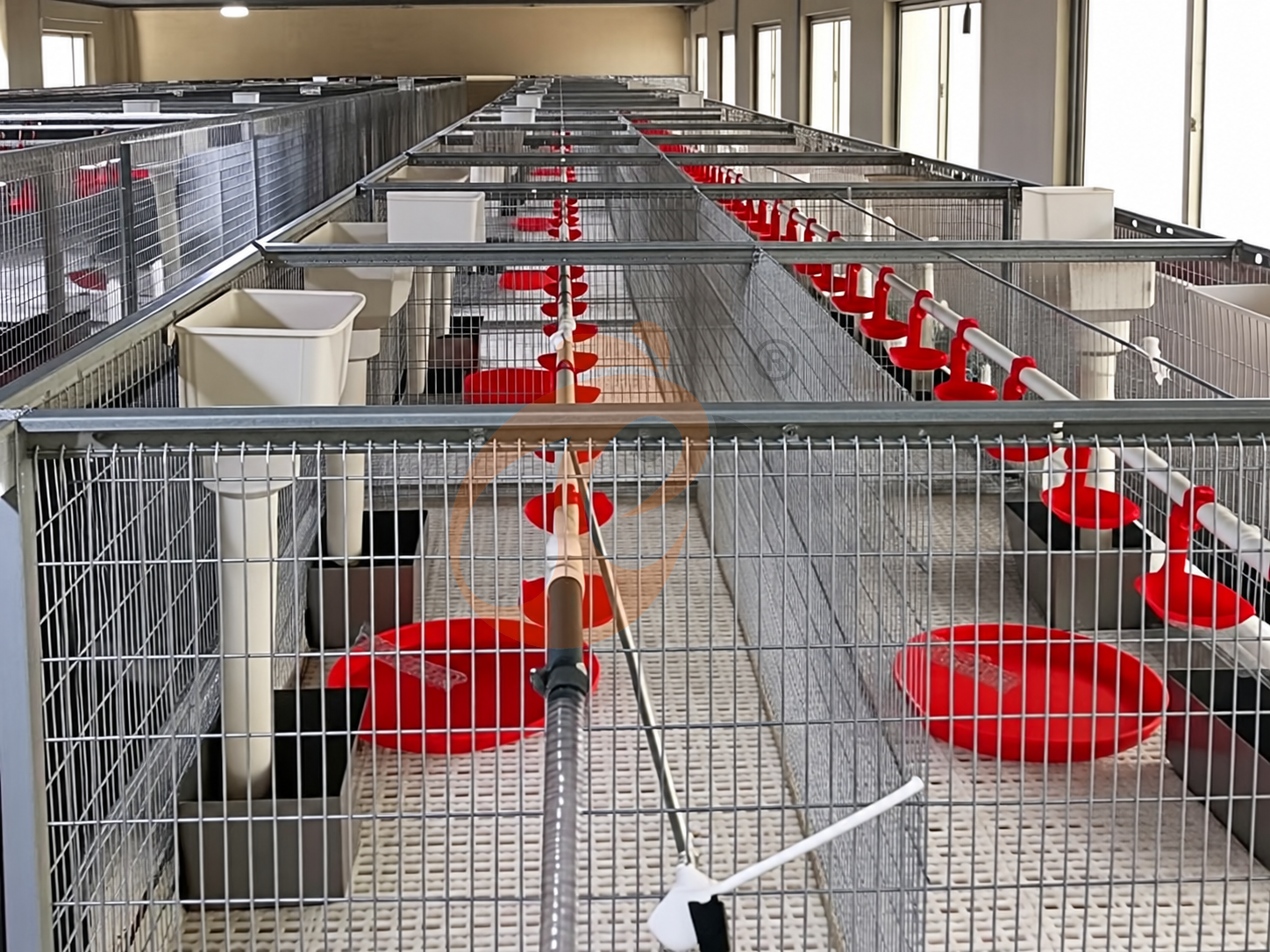
Feeding systems utilize spiral auger or chain feeding mechanisms for feed distribution across cage rows.
Feed delivery capacity operates at 0.35–0.55 Kg/min per feed line to maintain uniform access across all cage positions.
Data is for reference only.Swipe horizontally to view full table.
Feed distribution uniformity stabilizes broiler chicken cage performance and reduces body weight variation across production batches.
Cage Density And Physiological Growth Response
Broiler chicken growth performance changes directly under stocking density variation.
Stocking density increase from 18 birds/m² to 28 birds/m² reduces average daily weight gain by 4–9% under identical ventilation conditions.
CO₂ concentration above 3,000 Ppm suppresses respiratory efficiency and feed intake regulation.
Oxygen limitation reduces muscle protein synthesis efficiency and increases feed conversion ratio instability across poultry production cycles.
Drinking System Installation And Pressure Calibration
Nipple drinking systems operate with installation slope of 1.5–2.5 Cm per 3 meters for hydraulic balance across long pipelines.
Pressure regulation maintains uniform water output across full cage system length.
Data is for reference only.Swipe horizontally to view full table.
Water distribution stability reduces flock weight variation to below 8% across production cycles.
Ventilation System Engineering Air Exchange Design
Ventilation systems regulate temperature, humidity, and ammonia concentration across multi-tier cage environments.
Tunnel ventilation systems generate airflow velocity of 2.0–3.5 M/s at bird height level.
Data is for reference only.Swipe horizontally to view full table.
Ventilation system integration stabilizes poultry farming equipment performance and environmental homogeneity across broiler cage structures.
Electrical System And Automation Integration
Centralized control systems manage feeding motors, cooling systems, lighting systems, and alarm systems across broiler cage installations.
Currency reference: $1,200–$8,500 per control unit European union standard reference only.
Data is for reference only.Swipe horizontally to view full table.
Automation systems reduce manual operational dependency by 60–75% across large poultry production facilities.
Manure Removal System Installation
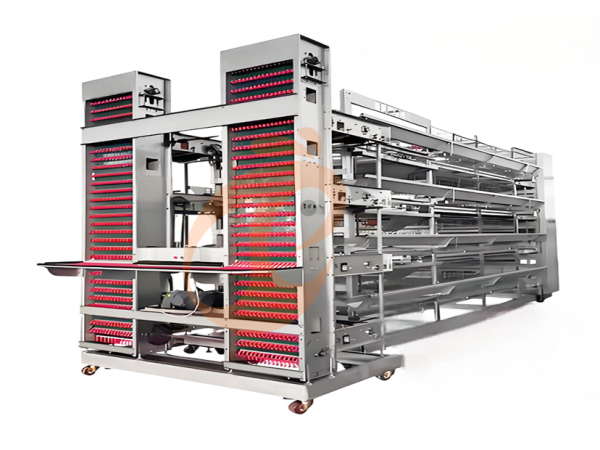
Manure belt systems operate at 2–4 Meters/minute belt speed for continuous waste removal under cage tiers.
Ammonia concentration remains controlled below 20 Ppm threshold under continuous operation.
Data is for reference only.Swipe horizontally to view full table.
Waste removal stability directly influences respiratory health performance across broiler chicken cage systems.
System Calibration And Dry Run Testing
System operation testing runs continuously for 48–72 hours before livestock introduction.
Data is for reference only.Swipe horizontally to view full table.
System validation ensures mechanical and environmental stability before production activation.
Final Installation Verification And Commissioning
Commissioning process validates structural load stability, environmental synchronization accuracy, and automation system coordination.
A 100,000-bird broiler cage installation consumes 12–18 tons feed per production cycle, directly linking system performance to economic output.
Maintenance Planning For Long-Term Stability
Maintenance cycles align with 35–45 day production cycles across commercial poultry systems.
Scheduled maintenance reduces system downtime by 30–40% annually under industrial operation conditions.
Data is for reference only.Swipe horizontally to view full table.
Frequently Asked Questions
Q1: What stocking density applies to broiler chicken cage systems?
Stocking density ranges from 16–32 birds/m² depending on cage tier configuration and ventilation capacity.
Air velocity above 2.5 M/s maintains CO₂ concentration control within acceptable physiological limits.
Q2: What installation duration applies to 100,000 bird broiler cage houses?
Installation duration ranges from 18–30 days, including structural assembly, feeding system installation, ventilation calibration, and automation integration.
Q3: What installation stage determines production performance stability?
Ventilation system calibration determines production stability.
Ammonia concentration above 20 Ppm reduces feed intake efficiency and increases mortality rate across production cycles.
Taiyu (HK) Group - One Of China Biggest Broiler Chicken Cage System Manufacturer
Broiler chicken cage system integrates automated feeding systems, drinking systems, ventilation systems, and manure removal systems for industrial poultry production scale operations.
Factory direct poultry equipment supply enables standardized manufacturing of broiler cage systems and turnkey installation engineering services across global markets.
Industrial poultry equipment production includes broiler cage systems, layer cage systems, and automated poultry housing solutions with full engineering support.
Turnkey poultry farming project execution includes site planning, equipment manufacturing, installation engineering, and commissioning for commercial broiler production facilities.
High precision broiler chicken cage manufacturing ensures structural stability, long service life, and continuous production efficiency under intensive farming conditions.
Contact Us To Received Your Customized Poultry Farm Plan
Headquarters And Branchs
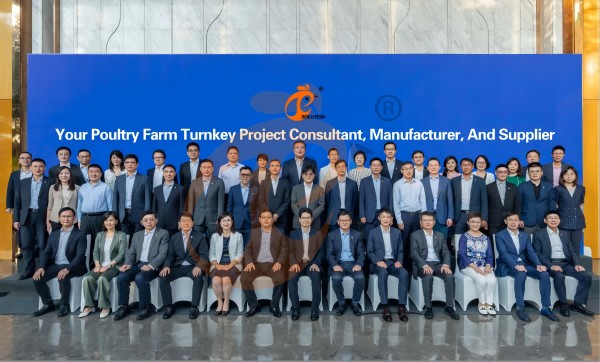
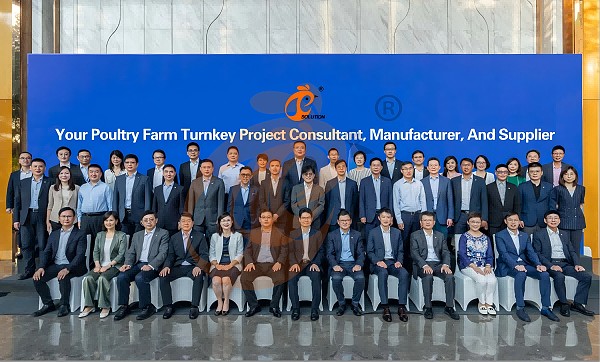
Hong Kong Headquarter Management Team
Hong Kong Headquarter Taiyu Industrial Group CO., LTD
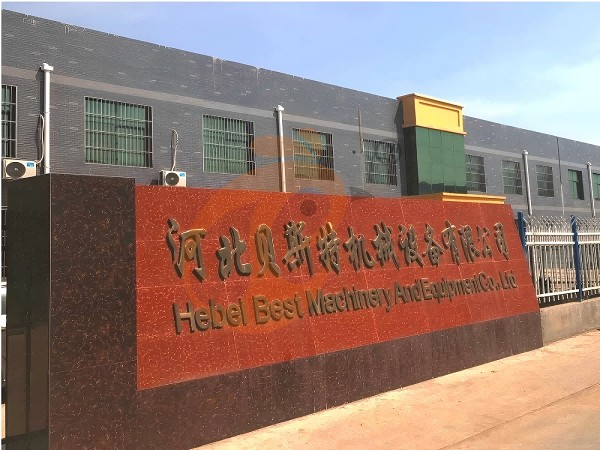
China Hebei Best Machinery And Equipment CO., LTD
Nigeria Vanke Machinery And Equipment CO., LTD
Tanzania Best Machinery And Equipment CO., LTD
Ethiopia Best Hebei Machinery Manufacturing PLC
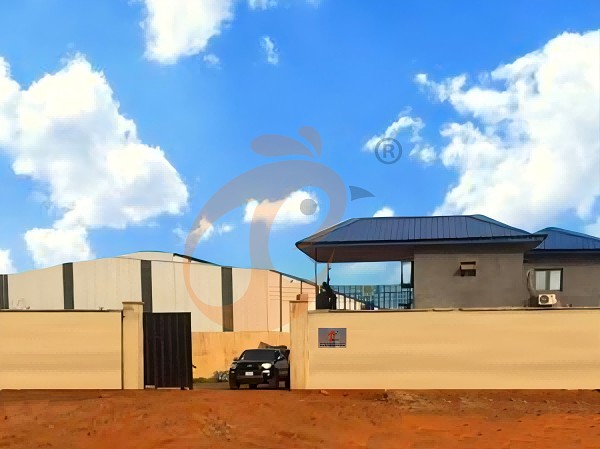
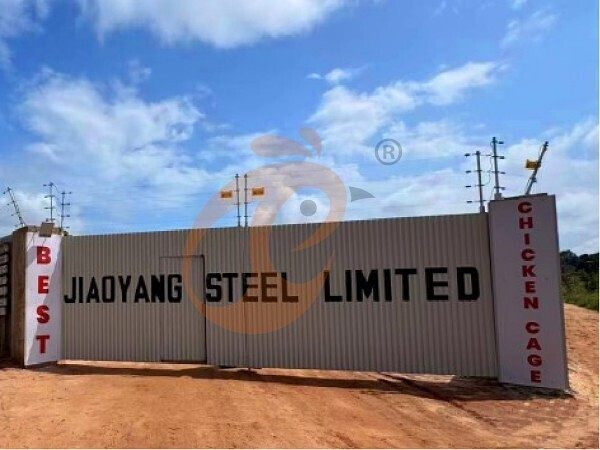
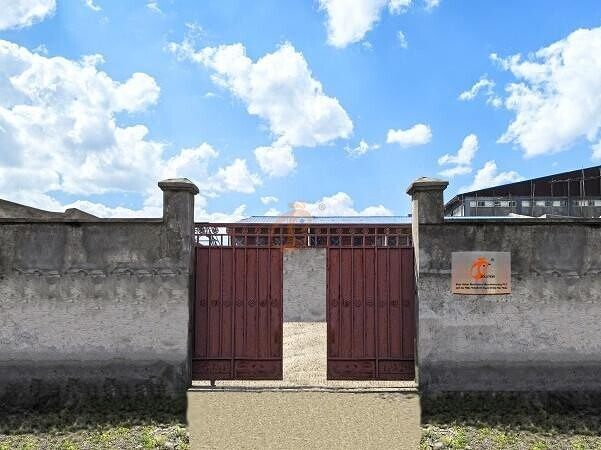
Reception /24 WhatsApp NO. : +8618830120193
PRODUCTS RECOMMENDED
 China Branch Manufacture Poultry Farm EquipmentRead More
 Ethiopia Branch Manufacture Poultry Farm EquipmentRead More
 Nigeria Branch Manufacture Poultry Farm EquipmentRead More
 Tanzania Branch Manufacture Poultry Farm EquipmentRead More
 IoT Smart Poultry FarmRead More
 >30,000 Layers Automatic H Type Battery CageRead More
 10,000 - 30,000 Layers Automatic A Type Battery CageRead More
MESSAGE
NEWS
 How To Choose A Reliable H Type Chicken Cage Supplier For Poultry Farms?Read More
 Floor Rearing System For Layers | Cost, Egg Production And Management TipsRead More
 How To Plan Poultry Farm Equipment Budget | 6 Key FactorsRead More
 How To Reduce Operating Costs With Battery Cage For Layers Systems | 6 TipsRead More