

BLOG
Layer chicken cage installation establishes a controlled poultry production environment optimized for commercial egg output efficiency.
Modern engineering systems support mechanized feeding, automatic manure removal, and synchronized environmental control architecture.
Structural accuracy directly influences mechanical lifespan, vibration resistance, and long-term corrosion stability in humid poultry houses.
Commercial layer farms operate under controlled microclimate thresholds requiring continuous monitoring of temperature, airflow, and gas concentration.
Improper installation increases capital depreciation rate by 18–26 percent within the first three production cycles under field conditions.
Get professional poultry farm construction guidance, equipment selection solutions, and the latest price lists, whatsApp to +8618830120193, click to learn more:
Farm Planning And Capacity Engineering Phase
Farm planning defines production throughput, infrastructure loading, and long-term operational efficiency based on bird density distribution models.
Industrial poultry systems require precise spatial allocation to prevent airflow shadow zones and feed line imbalance across multi-row layouts.
Data is for reference only.Swipe horizontally to view full table.
Feed formulation standard for laying hens typically contains 16.5–17.2 percent crude protein with 3.8–4.2 percent calcium content to sustain shell synthesis.
Foundation Construction And Structural Load Control
Foundation engineering stabilizes vertical load transfer and reduces deformation risk caused by continuous mechanical vibration from feeding and manure systems.
Reinforced concrete must resist dynamic pressure cycles generated over 16–18 hour daily operational periods.
Data is for reference only.Swipe horizontally to view full table.
Thermal expansion variation of galvanized structures typically ranges from 0.012 mm per meter per °C under tropical climate conditions.
Cage Frame Assembly And Structural Alignment
Cage frame systems define spatial load distribution across multiple tiers and directly influence egg roll dynamics and mechanical fatigue resistance.
High-grade galvanized steel with zinc coating between 275–350 g/m² ensures corrosion resistance exceeding 12 years in humid environments.
Data is for reference only.Swipe horizontally to view full table.
Egg breakage rates decrease by approximately 22–28 percent when cage slope uniformity deviation remains below 0.5 degrees.
Feeding System Installation And Nutrient Distribution
Feeding system calibration ensures homogeneous nutrient intake distribution and prevents competitive feeding behavior among adjacent cage sections.
Chain and auger systems operate under controlled motor torque between 1.2–2.5 Nm depending on system length.
Data is for reference only.Swipe horizontally to view full table.
Feed particle size distribution typically ranges from 0.8–3.2 mm to optimize digestion efficiency and reduce feed waste accumulation inside trough systems.
Drinking System Installation And Water Pressure Control
Water delivery systems maintain metabolic homeostasis and regulate electrolyte balance essential for egg mass formation.
Nipple drinkers reduce microbial contamination compared to open water systems by over 85 percent under controlled farm conditions.
Data is for reference only.Swipe horizontally to view full table.
Water temperature outside 18–22°C range reduces voluntary intake by approximately 6–9 percent during peak laying cycles.
Egg Formation And Metabolic Energy Conversion
Egg formation is a calcium-intensive physiological process regulated by endocrine signaling within the hypothalamic-pituitary-ovarian axis.
Each eggshell requires approximately 2.2 grams of calcium carbonate deposition per hour during peak shell formation stage.
Heat stress above 32°C reduces luteinizing hormone secretion by up to 14 percent, directly affecting ovulation frequency.
Metabolic energy is redistributed from reproductive synthesis to thermoregulation, increasing maintenance energy demand by 7–11 percent.
Light exposure between 10–15 lux stabilizes circadian rhythm and improves follicular development consistency across laying cycles.
Manure Removal System Installation And Hygiene Control
Manure belt systems regulate ammonia concentration, microbial load, and humidity accumulation in closed poultry housing systems.
Polypropylene belt materials maintain tensile strength above 18 MPa under continuous cyclic loading conditions.
Data is for reference only.Swipe horizontally to view full table.
Ammonia reduction below 10 ppm correlates with 15–20 percent improvement in respiratory efficiency indicators.
Ventilation System Installation And Airflow Engineering
Ventilation architecture stabilizes thermal exchange, CO₂ dilution, and moisture equilibrium across multi-tier cage structures.
Tunnel ventilation systems maintain linear airflow velocity to eliminate heat pockets in high-density production zones.
Data is for reference only.Swipe horizontally to view full table.
Air exchange rates below 5 cycles per hour increase humidity accumulation by approximately 18–25 percent in closed environments.
Lighting System Installation And Production Regulation
Lighting systems regulate hormonal secretion cycles through photostimulation of retinal receptors and hypothalamic pathways.
LED-based systems reduce energy consumption by approximately 42 percent compared to fluorescent systems.
Data is for reference only.Swipe horizontally to view full table.
Light intensity deviation above 15 percent results in 4–6 percent inconsistency in laying distribution across cage rows.
Operational Performance Evaluation Metrics
System performance stabilization reflects mechanical calibration accuracy and biological adaptation equilibrium after installation.
Stabilization phase typically completes within 28–42 days depending on environmental conditions.
Data is for reference only.Swipe horizontally to view full table.
Deviation in feed intake uniformity greater than 7 percent leads to measurable reduction in egg size consistency.
Frequently Asked Questions
Q1: What determines optimal cage installation performance?
Optimal performance depends on foundation flatness, feed distribution variance below 5 percent, and ventilation airflow above 6 m³ per bird per hour.
Stable environmental thresholds directly determine production equilibrium and long-term system efficiency.
Q2: Why does ammonia control affect production efficiency?
Ammonia levels above 20 ppm reduce feed intake and damage respiratory epithelium.
Production decline ranges between 6–10 percent within short exposure cycles under uncontrolled ventilation conditions.
Q3: How does installation quality influence return on investment?
Precision installation reduces maintenance frequency by 18–25 percent annually and stabilizes feed conversion efficiency.
Net profit improvement per 10,000 birds increases proportionally with system calibration accuracy.
Taiyu (HK) Group - One Of China Largest Layer Chicken Cage Manufacturer
Layer chicken cage installation system delivers industrial egg production efficiency with standardized engineering precision control.
Factory direct manufacturing system ensures galvanized steel consistency and cost optimization across global supply chain networks.
Global poultry equipment engineering integrates automated feeding systems, nipple drinking systems, and tunnel ventilation architecture.
Turn-key poultry farm engineering delivers design, installation, commissioning, and operational training for commercial projects.
Poultry cage manufacturing supports high-density farming expansion with modular deployment across international agricultural markets.
Contact Us To Received Your Customized Poultry Farm Plan
Headquarters And Branchs
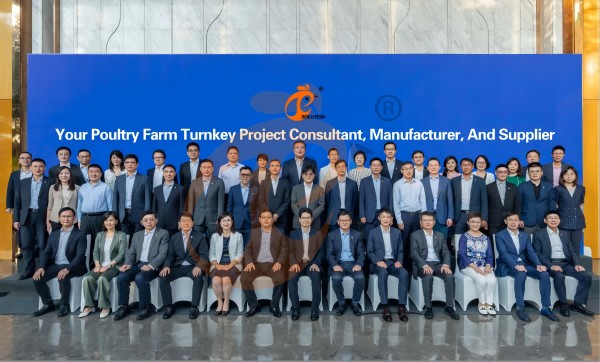
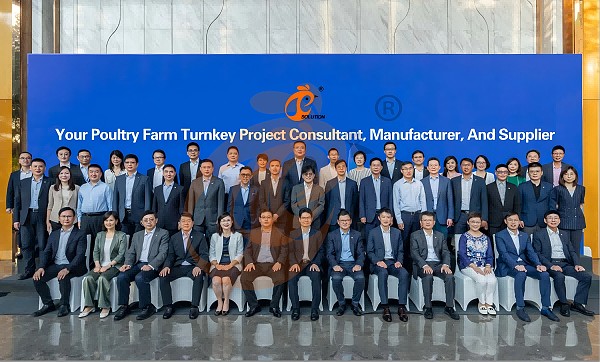
Hong Kong Headquarter Management Team
Hong Kong Headquarter Taiyu Industrial Group CO., LTD
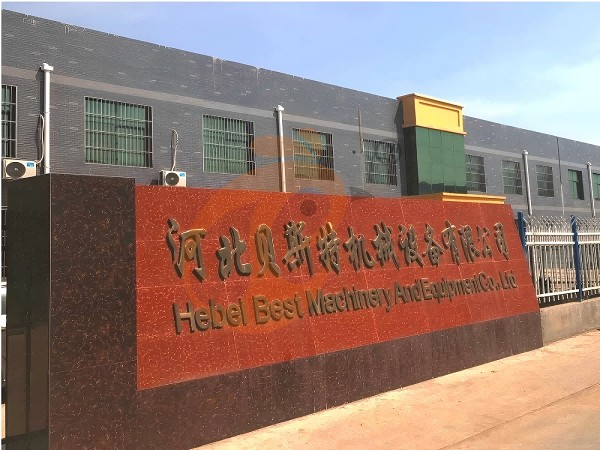
China Hebei Best Machinery And Equipment CO., LTD
Nigeria Vanke Machinery And Equipment CO., LTD
Tanzania Best Machinery And Equipment CO., LTD
Ethiopia Best Hebei Machinery Manufacturing PLC
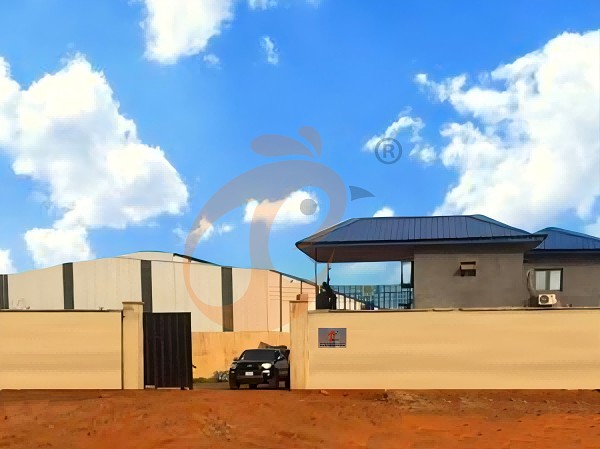
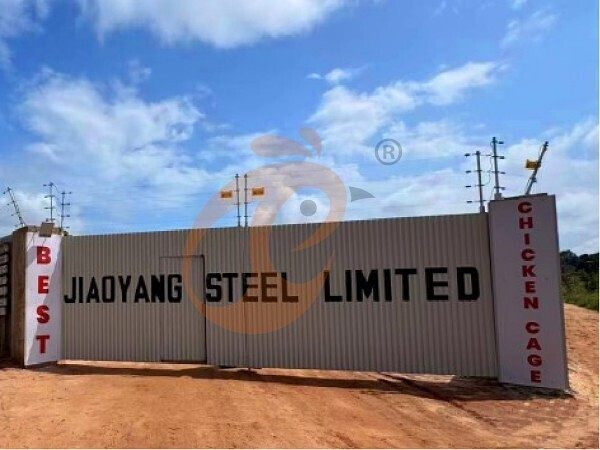
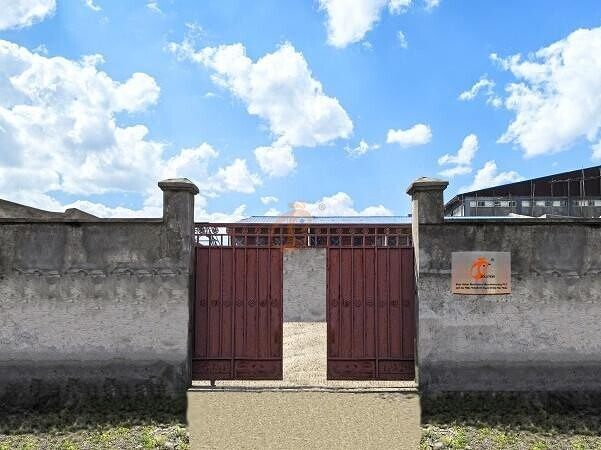
Reception /24 WhatsApp NO. : +8618830120193
PRODUCTS RECOMMENDED
 China Branch Manufacture Poultry Farm EquipmentRead More
 Ethiopia Branch Manufacture Poultry Farm EquipmentRead More
 Nigeria Branch Manufacture Poultry Farm EquipmentRead More
 Tanzania Branch Manufacture Poultry Farm EquipmentRead More
 IoT Smart Poultry FarmRead More
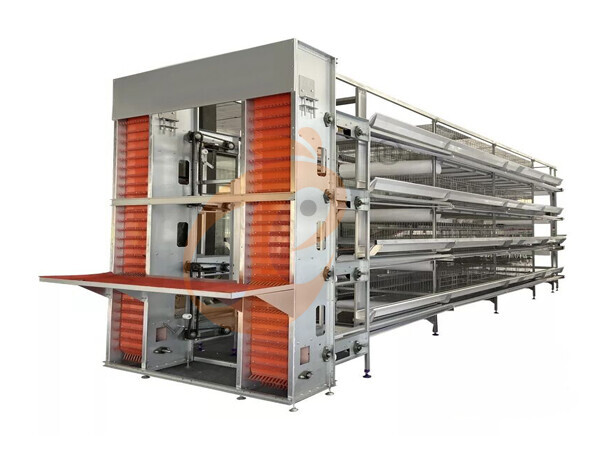
 >30,000 Layers Automatic H Type Battery CageRead More
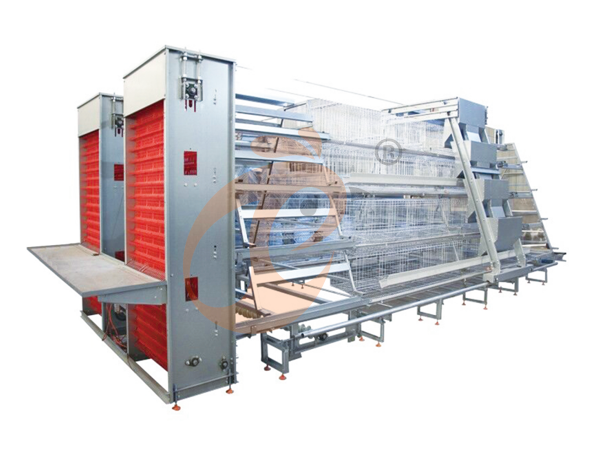
 10,000 - 30,000 Layers Automatic A Type Battery CageRead More
MESSAGE
NEWS
 How To Choose A Reliable H Type Chicken Cage Supplier For Poultry Farms?Read More
 Floor Rearing System For Layers | Cost, Egg Production And Management TipsRead More
 How To Plan Poultry Farm Equipment Budget | 6 Key FactorsRead More
 How To Reduce Operating Costs With Battery Cage For Layers Systems | 6 TipsRead More