

BLOG
Chicken cage system Ethiopia demand continues rising due to urban protein consumption growth.
This article explains installation requirements tailored to Ethiopian climate and infrastructure.
It covers housing design, ventilation, feeding systems, and water supply challenges.
It includes cost structure analysis using Ethiopian Birr for local investment planning.
Practical solutions address disease risks, energy gaps, and waste management integration.
Get professional poultry farm construction guidance, equipment selection solutions, and the latest price lists, whatsApp to +8618830120193, click to learn more:

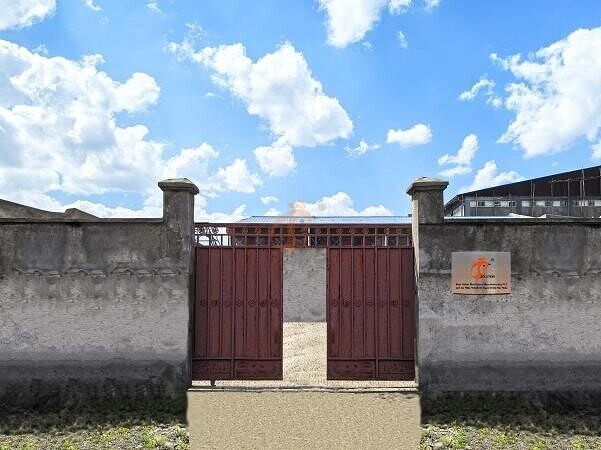
Ethiopia Branch Office And Factory Of Poultry Farm Equipment
Site Selection Based On Ethiopian Agro-Climatic Conditions
Selecting an appropriate site is the foundational step.
Ethiopia's diverse topography from highland areas like Debre Berhan to lowland zones such as Afar means temperature, humidity, and
wind patterns vary significantly.
Proper site selection should consider elevation stability, access to poultry feed Ethiopia supply chains, and proximity to urban
consumption centers such as Addis Ababa.
Accessibility to clean water sources is also critical for long-term sustainability.
Data is for reference only.Swipe horizontally to view full table.
A well-chosen site reduces stress on birds and lowers operational costs, especially where logistics networks remain inconsistent.
Housing Orientation And Structural Design
In Ethiopia, poultry houses must be adapted to maximize natural ventilation while minimizing heat stress.
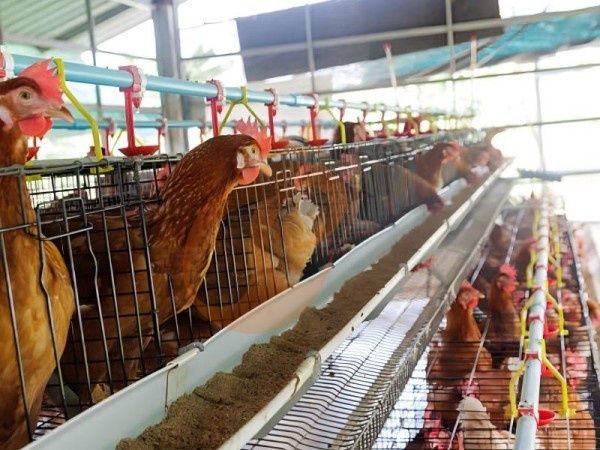
The A-type chicken cage system is typically installed in open-sided or semi-closed housing structures.
Orientation should follow an east-west alignment to reduce direct solar exposure during peak daytime hours.
Roof insulation is essential due to heat retention in corrugated metal sheets commonly used in Ethiopia.
Data is for reference only.Swipe horizontally to view full table.
This structure supports airflow efficiency in highland and mid-altitude production zones.
Cage System Configuration And Density Planning
A-type systems allow vertical stacking, which is essential in peri-urban Ethiopian areas where land prices are increasing.
Proper density planning is critical to avoid production losses and maintain bird health.
Farmers transitioning from traditional systems often underestimate space requirements.
Data is for reference only.Swipe horizontally to view full table.
Maintaining appropriate density improves egg yield consistency and reduces mortality rates.
Ventilation And Airflow Management
Ventilation remains a key constraint, particularly in warmer Ethiopian regions such as Dire Dawa and Hawassa.
Poor airflow leads to ammonia accumulation, which affects respiratory health and productivity.
Natural ventilation systems are widely used due to electricity limitations.
Adjustable side curtains provide flexibility during seasonal weather changes.
Data is for reference only.Swipe horizontally to view full table.
Effective airflow management directly supports egg production stability.
Water Supply And Feeding Infrastructure
Water availability remains a major operational constraint in several Ethiopian regions.
Efficient systems such as nipple drinkers significantly reduce water waste.
Feed supply must also align with local agricultural outputs such as maize and soybean.
Data is for reference only.Swipe horizontally to view full table.
Data is for reference only.Swipe horizontally to view full table.
Installing elevated storage tanks ensures consistent supply under intermittent water access conditions.
Waste Management And Environmental Compliance
Manure management is increasingly important in Ethiopia due to expanding urban agriculture policies.
A-type chicken cage systems simplify manure collection and reuse processes.
Collected waste can be converted into organic fertilizer for nearby crop farms.
Data is for reference only.Swipe horizontally to view full table.
Data is for reference only.Swipe horizontally to view full table.
This approach supports circular agriculture systems widely promoted in Ethiopia.
Biosecurity Measures Adapted To Local Risks
Disease outbreaks such as Newcastle disease remain a major constraint in Ethiopia.
Strict biosecurity protocols must accompany any chicken cage installation.
Preventive measures are more effective due to limited veterinary infrastructure in rural areas.
Data is for reference only.Swipe horizontally to view full table.
These measures reduce disease-related production losses.
Power Supply And Energy Considerations
Electricity access varies significantly across Ethiopia.
Urban farms may rely on grid power, while rural operations depend on alternative solutions.
Solar energy systems are increasingly used due to consistent sunlight availability.
Data is for reference only.Swipe horizontally to view full table.
Reliable energy supports lighting systems critical for egg production cycles.
Cost Structure And Investment Planning
Investment planning remains a major challenge for Ethiopian poultry farmers.
Understanding cost distribution helps improve financial decision-making.
Typical installation costs range between 250,000–600,000 Ethiopian Birr depending on scale European union standard reference only.
Data is for reference only.Swipe horizontally to view full table.
Access to microfinance institutions can help farmers overcome initial capital barriers.
Labor And Skill Requirements
Labor availability in Ethiopia is generally sufficient, but technical expertise remains limited.
Training is required to ensure proper operation of modern poultry farming equipment.
Skilled workers improve efficiency and reduce system misuse.
Data is for reference only.Swipe horizontally to view full table.
Capacity building programs are essential for sustainable poultry development.
Local Supply Chain And Material Availability
Local manufacturing capacity for poultry equipment is developing in Ethiopia.
However, some components still rely on imports, increasing costs.
Strengthening domestic supply chains supports faster maintenance and reduces downtime.
Data is for reference only.Swipe horizontally to view full table.
Improved supply chains enhance long-term system reliability.
Frequently Asked Questions
Q1: Is the A-type chicken cage system suitable for Ethiopian small-scale farmers?
Yes, it is suitable when scaled appropriately.
Small farms in Oromia and Amhara can adopt 2–3 tier systems with lower initial investment and gradual expansion.
Access to cooperative financing helps reduce capital pressure.
Q2: How can farmers manage water shortages in Ethiopian rural areas?
Installing storage tanks and using nipple drinkers reduces water waste significantly.
Rainwater harvesting during wet seasons can supplement supply in dry periods.
Q3: What are the main disease risks and how can they be controlled in Ethiopia?
Newcastle disease remains the most common risk.
Routine vaccination, controlled farm access, and sanitation protocols effectively reduce outbreaks.
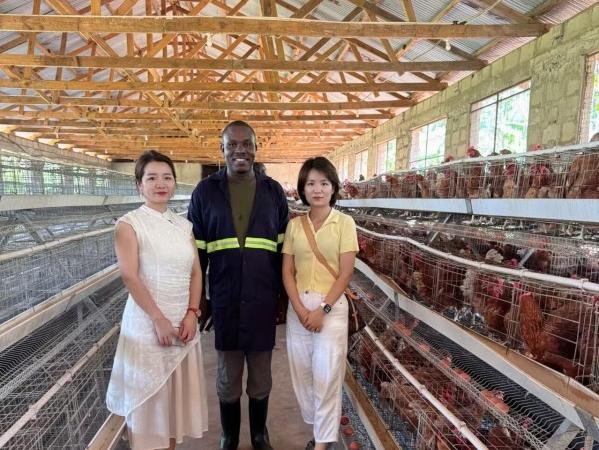
Ethiopia Best Hebei Machinery Manufacturing Plc - One Of Ethiopia Largest Chicken Cage Manufacturer
Provides global factory direct sales ensuring competitive pricing for poultry farm equipment across Ethiopia markets.
- Specializes in poultry cage systems designed for African climate and operational conditions.
- Delivers complete turn-key engineering solutions from design to installation and training services.
- Maintains consistent supply chains supporting long-term equipment performance and maintenance efficiency.
Offers technical guidance and after-sales service ensuring sustainable poultry farming development.
Contact Us To Received Your Customized Poultry Farm Plan
Headquarters And Branchs

Hong Kong Headquarter Management Team
Hong Kong Headquarter Taiyu Industrial Group CO., LTD
China Hebei Best Machinery And Equipment CO., LTD
Nigeria Vanke Machinery And Equipment CO., LTD
Tanzania Best Machinery And Equipment CO., LTD
Ethiopia Best Hebei Machinery Manufacturing PLC
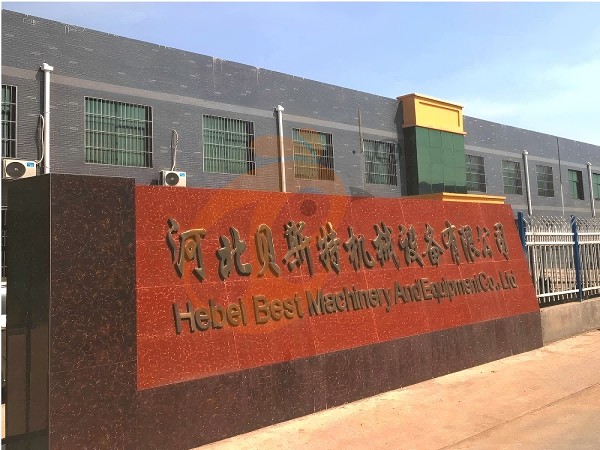
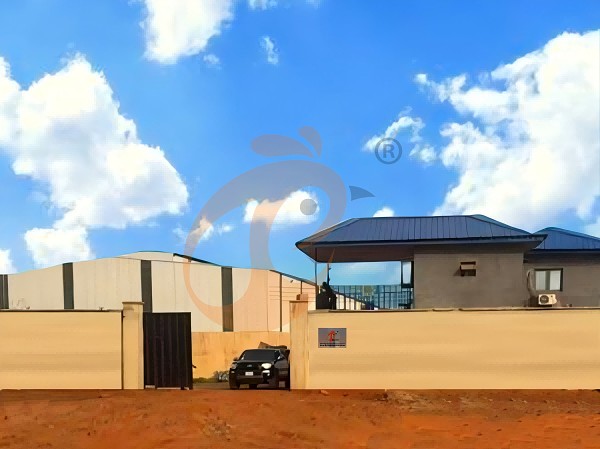
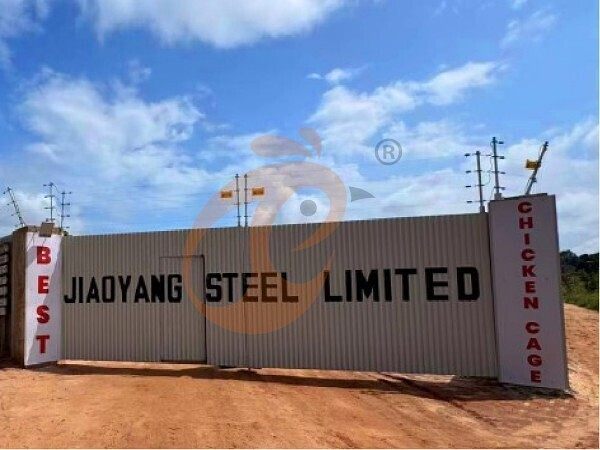
Reception /24 WhatsApp NO. : +8618830120193
PRODUCTS RECOMMENDED
 China Branch Manufacture Poultry Farm EquipmentRead More
 Ethiopia Branch Manufacture Poultry Farm EquipmentRead More
 Nigeria Branch Manufacture Poultry Farm EquipmentRead More
 Tanzania Branch Manufacture Poultry Farm EquipmentRead More
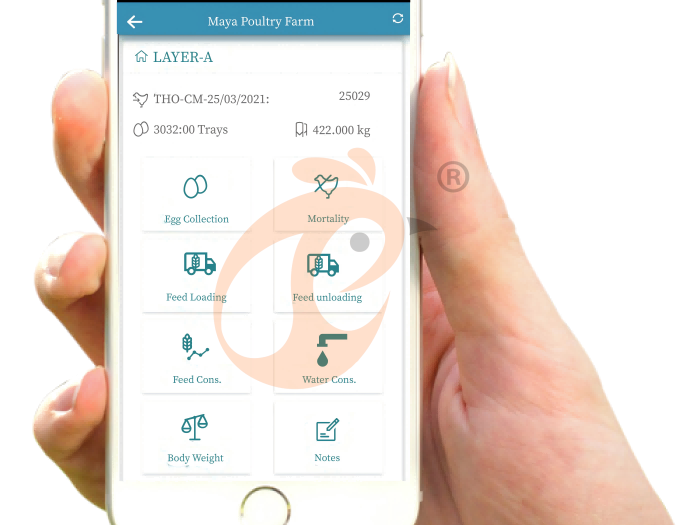
 IoT Smart Poultry FarmRead More
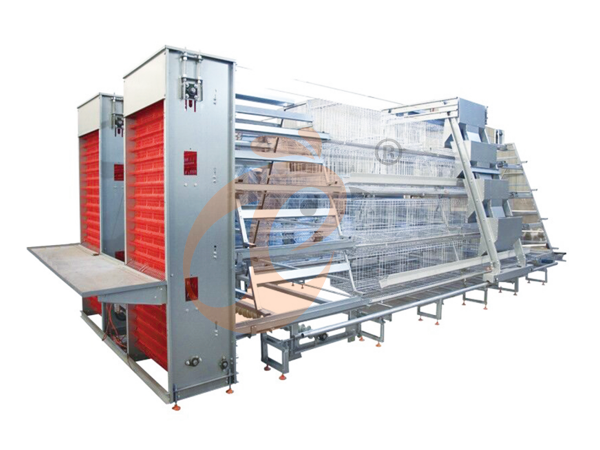
 >30,000 Layers Automatic H Type Battery CageRead More
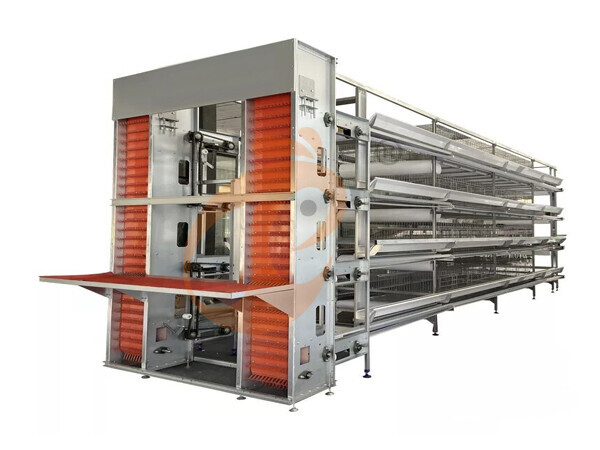
 10,000 - 30,000 Layers Automatic A Type Battery CageRead More
MESSAGE
NEWS
 What Makes A Factory-Direct A Type Chicken Battery Cage More Cost-Effective? 4 ReasonsRead More
 Deep Litter System For Broilers Vs Cage | Which Is More Profitable?Read More
 Free Range Broiler System Vs Intensive Farming | Which Is More Profitable?Read More
 Broiler Floor Rearing System Cost | 6 Factors Affecting PriceRead More