

BLOG
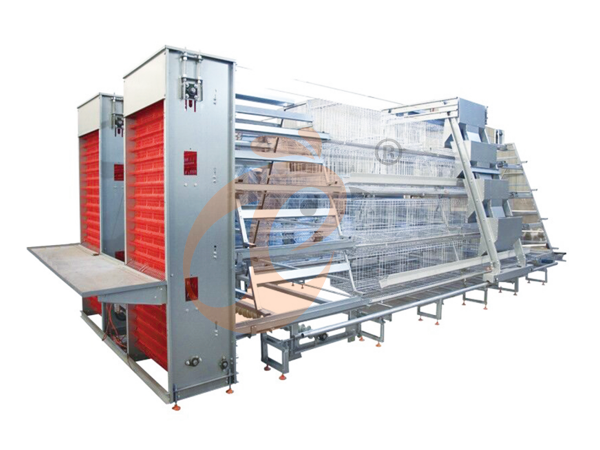
A type poultry cage Ethiopia solutions require careful planning, technical evaluation, and adaptation to local farming realities.
This article explains common purchasing mistakes and their financial consequences in Ethiopian poultry systems.
It highlights structural parameters, stocking density, and material considerations for long-term durability.
Practical tips are provided to improve efficiency, reduce losses, and align investments with farm scale.
Data tables support decision-making using realistic conditions observed in Ethiopian regions.
Get professional poultry farm construction guidance, equipment selection solutions, and the latest price lists, whatsApp to +8618830120193, click to learn more:

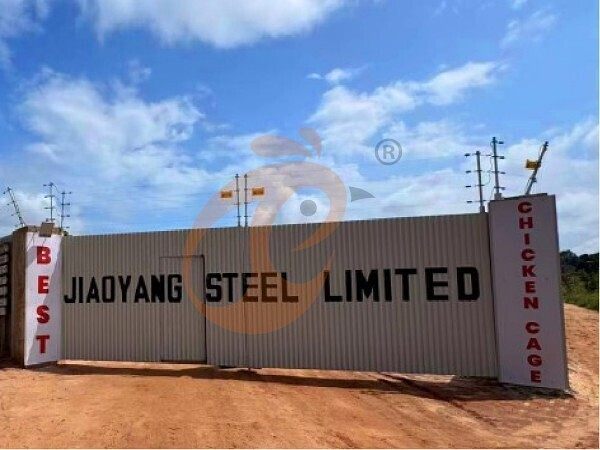
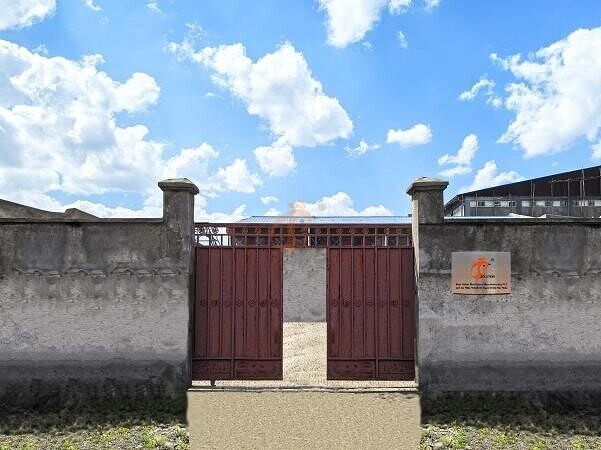
Ethiopia Branch Office And Factory Of Poultry Farm Equipment
Understanding The Ethiopian Poultry Context Before Buying
Ethiopia's poultry sector is undergoing a structural transition, particularly in regions such as Oromia, Amhara, and peri-urban zones around Addis Ababa.
Increasing egg demand, rising feed costs, and land constraints are pushing farmers toward more efficient housing systems such as poultry farming equipment Ethiopia solutions.
However, many investors make avoidable purchasing mistakes that reduce productivity and delay return on investment.
Data is for reference only.Swipe horizontally to view full table.
Failure to localize decisions is a primary operational risk.
Mistake #1: Ignoring Cage Structural Parameters
Many buyers focus on price instead of engineering specifications.
This leads to unstable cages, poor egg rolling, and ventilation inefficiencies.
A standard poultry cage system Ethiopia should meet the following parameters.
Data is for reference only.Swipe horizontally to view full table.
Improper dimensions often result in egg breakage and bird stress.
Mistake #2: Overlooking Stocking Density Calculations
In Ethiopia, maximizing birds per square meter is essential due to land constraints, especially near cities like Dire Dawa.
Incorrect stocking density leads to reduced egg production and increased mortality.
Data is for reference only.Swipe horizontally to view full table.
Farmers should calculate capacity based on usable space per bird.
Mistake #3: Choosing The Wrong Tier Configuration
Tier selection must match poultry house height, which varies widely in Ethiopia due to local construction practices.
Data is for reference only.Swipe horizontally to view full table.
Selecting a higher tier without adequate building height leads to airflow limitations and heat accumulation.
Mistake #4: Ignoring Material Quality In Ethiopian Climate
Corrosion is a major issue during Ethiopia's rainy season.
Many farmers purchase cages with insufficient galvanization thickness.
Data is for reference only.Swipe horizontally to view full table.
Choosing inferior materials leads to repeated reinvestment and structural instability.
Mistake #5: Underestimating Labor And Workflow Design
Although labor is relatively available in Ethiopia, inefficient layouts increase operational burden.
Data is for reference only.Swipe horizontally to view full table.
A poorly planned cage layout reduces efficiency and increases labor fatigue.
Smart Tip #1: Match Cage Design With Local Climate Zones
Ethiopia's altitude significantly affects poultry performance.
Data is for reference only.Swipe horizontally to view full table.
This ensures stable egg production across different regions.
Smart Tip #2: Optimize Feed Efficiency Through Cage Design
Feed efficiency is the most critical profitability factor in Ethiopian poultry farming.
Data is for reference only.Swipe horizontally to view full table.
Proper cage design reduces feed waste and improves conversion efficiency.
Smart Tip #3: Plan Farm Layout And Aisle Space
Efficient movement inside poultry houses is often overlooked in Ethiopian farms.
Data is for reference only.Swipe horizontally to view full table.
Good layout improves inspection efficiency and biosecurity.
Smart Tip #4: Balance Cost Vs Long-Term Return On Investment
A-type cages are often chosen because of moderate initial investment compared to automated systems.
Typical investment ranges between 1,200–2,000 Ethiopian Birr per bird capacity depending on material and configuration (European union standard reference only).
Data is for reference only.Swipe horizontally to view full table.
For Ethiopian farms, A-type systems provide a balanced approach between cost and performance.
Smart Tip #5: Align Cage Choice With Farm Scale
Different cage models suit different production scales in Ethiopia.
Data is for reference only.Swipe horizontally to view full table.
Scaling correctly ensures efficient utilization of investment.
Frequently Asked Questions
Q1: Is A type poultry cage suitable for Ethiopia climate conditions?
Yes, it is suitable when ventilation, galvanization, and stocking density are adjusted for highland and lowland differences.
Proper material selection ensures durability during rainy seasons.
Q2: How much budget is needed for small poultry farms in Ethiopia?
A small farm with 2000 birds may require approximately 2.4–4 million Ethiopian Birr depending on cage quality and housing design (European union standard reference only).
Cost planning should include feed, labor, and maintenance.
Q3: What is the biggest mistake Ethiopian farmers make when buying cages?
The most common issue is prioritizing price over material quality and technical specifications.
This leads to early equipment failure and reduced productivity.
Ethiopia Best Hebei Machinery Manufacturing Plc - One Of Ethiopia Largest A Type Poultry Cage Manufacturer
Global factory direct supply ensures competitive pricing and stable product availability across multiple poultry farm equipment categories.
Comprehensive poultry cage solutions designed for African farming environments including climate-adapted structural engineering.
Professional Turn-key project execution covering design, manufacturing, installation, and technical training services.
- Strong production capacity with standardized quality control systems aligned with international manufacturing requirements.
Dedicated after-sales support team providing long-term maintenance guidance and operational optimization for poultry farms.
Contact Us To Received Your Customized Poultry Farm Plan
Headquarters And Branchs
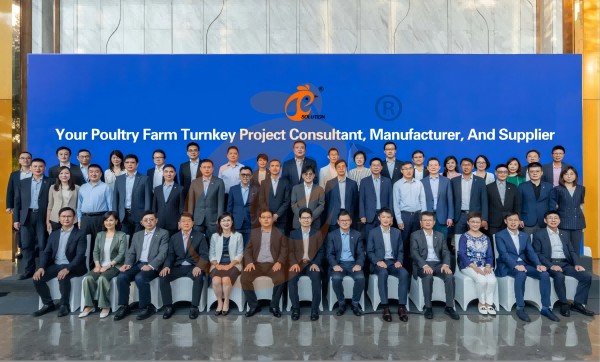
Hong Kong Headquarter Management Team
Hong Kong Headquarter Taiyu Industrial Group CO., LTD
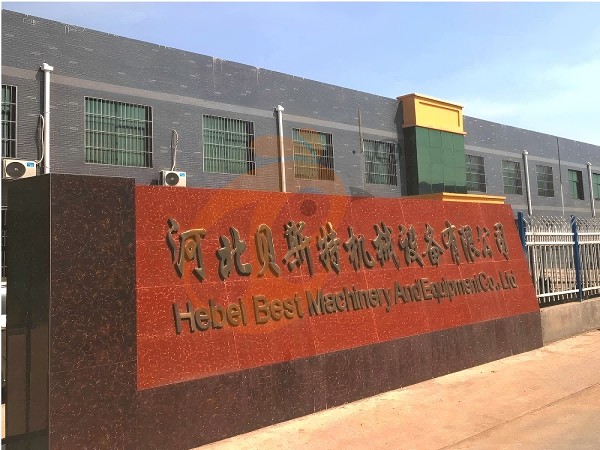
China Hebei Best Machinery And Equipment CO., LTD
Nigeria Vanke Machinery And Equipment CO., LTD
Tanzania Best Machinery And Equipment CO., LTD
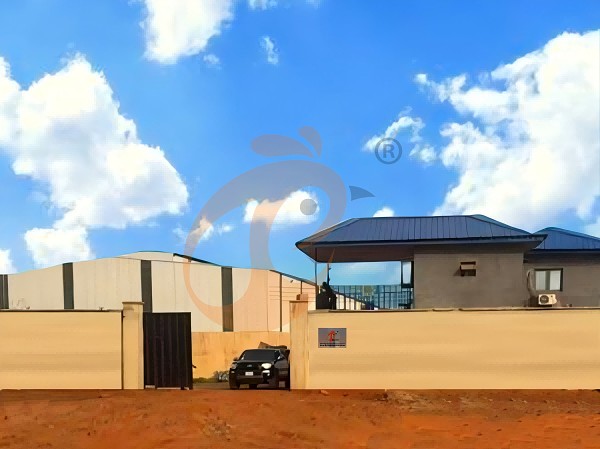
Ethiopia Best Hebei Machinery Manufacturing PLC
Reception /24 WhatsApp NO. : +8618830120193
PRODUCTS RECOMMENDED
 China Branch Manufacture Poultry Farm EquipmentRead More
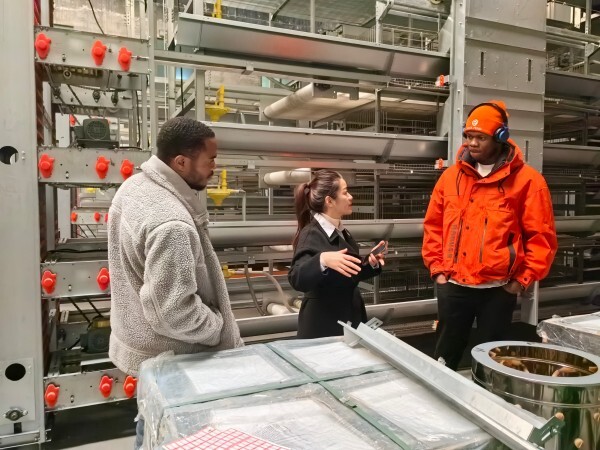
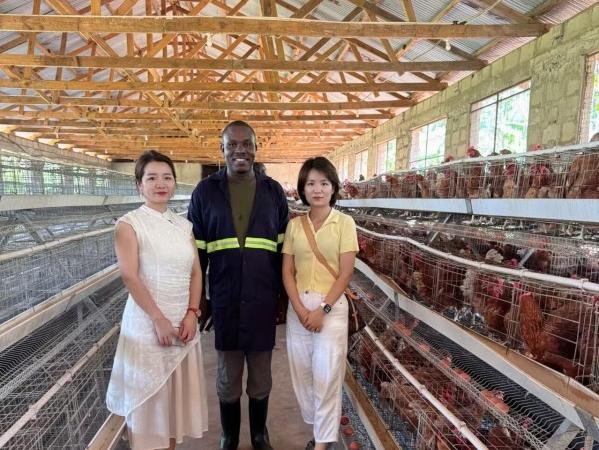
 Ethiopia Branch Manufacture Poultry Farm EquipmentRead More
 Nigeria Branch Manufacture Poultry Farm EquipmentRead More
 Tanzania Branch Manufacture Poultry Farm EquipmentRead More
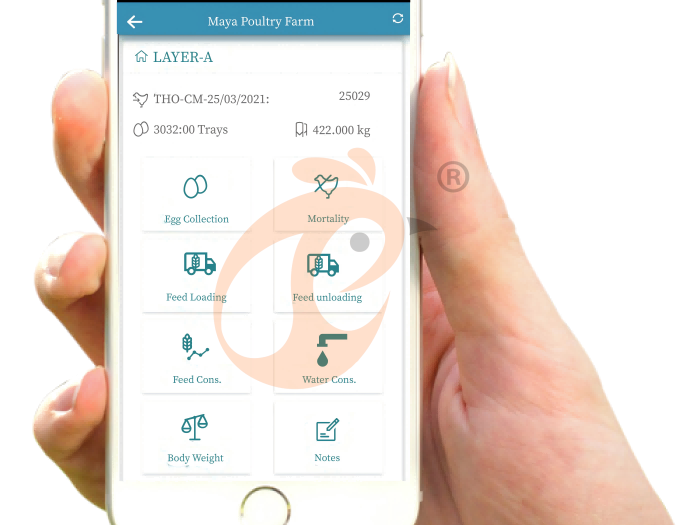
 IoT Smart Poultry FarmRead More
 >30,000 Layers Automatic H Type Battery CageRead More
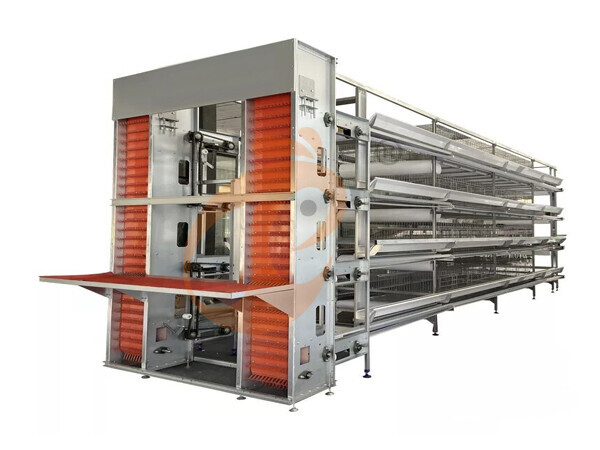
 10,000 - 30,000 Layers Automatic A Type Battery CageRead More
MESSAGE
NEWS
 What Makes A Factory-Direct A Type Chicken Battery Cage More Cost-Effective? 4 ReasonsRead More
 Deep Litter System For Broilers Vs Cage | Which Is More Profitable?Read More
 Free Range Broiler System Vs Intensive Farming | Which Is More Profitable?Read More
 Broiler Floor Rearing System Cost | 6 Factors Affecting PriceRead More