

BLOG
Poultry farming in Ethiopia depends on efficient chicken cage systems to stabilize egg output under fluctuating feed and infrastructure conditions
This guide focuses on cost control, system selection, and operational efficiency tailored to Ethiopian realities
It explains how to align investment scale with working capital availability
It addresses disease, labor, and logistics constraints with practical solutions
It provides decision-oriented benchmarks for sustainable farm growth
Get professional poultry farm construction guidance, equipment selection solutions, and the latest price lists, whatsApp to +8618830120193, click to learn more:

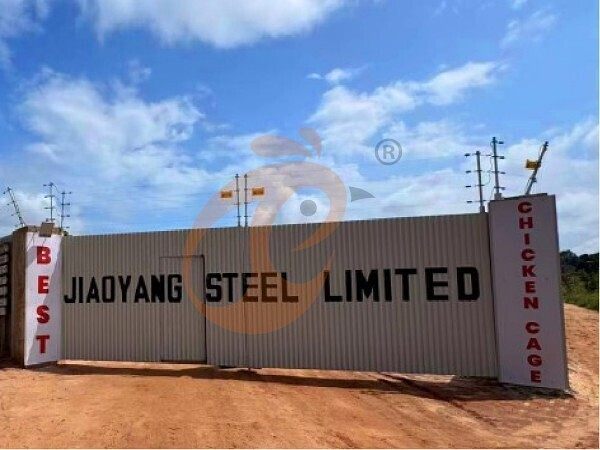
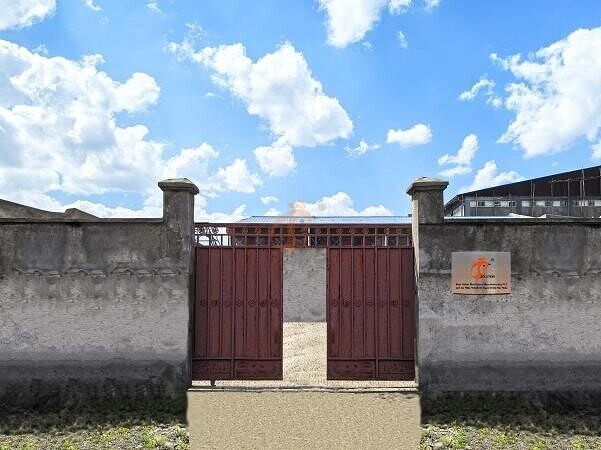
Ethiopia Branch Office And Factory Of Poultry Farm Equipment
Market Reality In Ethiopia
Egg demand in Ethiopian cities is structurally stable, driven by population growth and urban consumption patterns.
The operational constraint is production inconsistency caused by feed volatility, disease exposure, and inefficient housing systems.
Farm profitability depends on maintaining stable daily output rather than maximizing peak production.
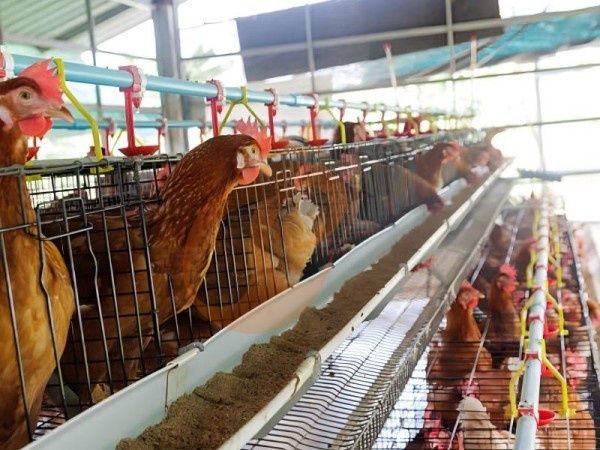
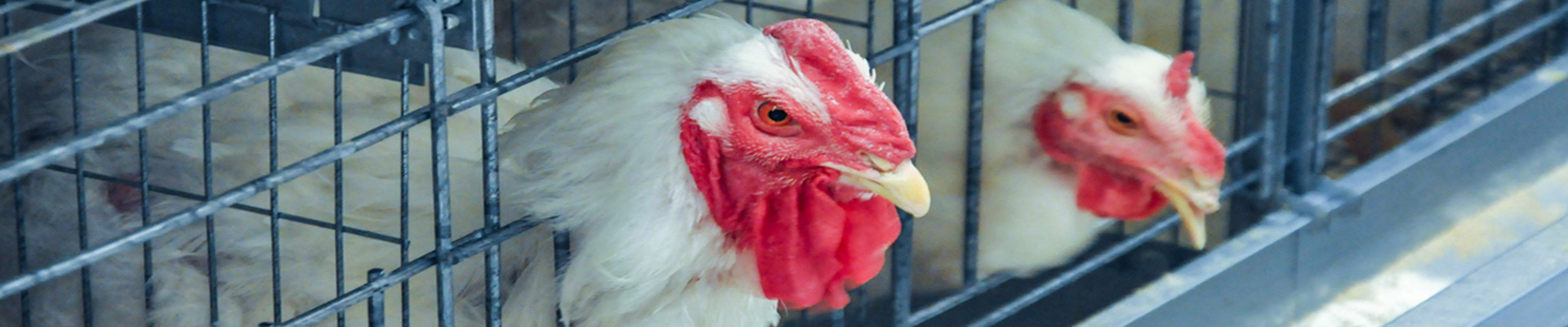
Chicken cage systems reduce variability by controlling feeding, waste separation, and egg collection processes.
Site Selection Strategy In Ethiopian Conditions
Site selection determines long-term operating cost structure more than initial investment size.
In Ethiopia, weak logistics and water supply variability directly impact production continuity.
Data is for reference only.Swipe horizontally to view full table.
Selecting locations based on supply chain reliability minimizes interruption frequency and stabilizes operating cycles.
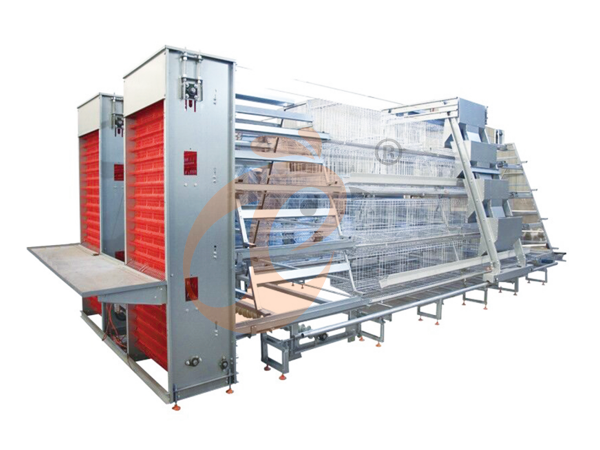
A Type Chicken Cage As A Risk Control Tool
The value of chicken cage systems lies in reducing production losses rather than increasing theoretical output capacity.
In Ethiopian conditions, minimizing feed wastage and mortality has greater financial impact than marginal yield improvements.
Data is for reference only.Swipe horizontally to view full table.
Lower variability improves planning accuracy for feed procurement and market supply commitments.
Budget Planning Based On Ethiopian Financial Constraints
Capital allocation errors commonly occur when infrastructure investment exceeds working capital capacity.
Feed continuity determines survival during the first production cycle.
Data is for reference only.Swipe horizontally to view full table.
Scaling in phases reduces financial exposure and allows operational learning before expansion.
Data is for reference only.Swipe horizontally to view full table.
European union standard reference only.
Breed Selection Based On Ethiopian Geography
Breed selection should prioritize tolerance to feed inconsistency and environmental variation.
Performance stability reduces risk under fluctuating input quality.
Data is for reference only.Swipe horizontally to view full table.
Matching breed characteristics with local feed reliability improves output consistency across production cycles.
Feed Strategy As The Core Profit Driver
Feed cost structure determines overall margin sensitivity to market fluctuations.
In Ethiopia, dependence on external supply increases exposure to price shocks.
Data is for reference only.Swipe horizontally to view full table.
Diversifying sourcing and partial self-formulation improves cost predictability.
Data is for reference only.Swipe horizontally to view full table.
Aligning intake with production stage reduces conversion inefficiency and feed loss.
Housing Efficiency Under Land Constraints
Production density determines revenue per unit area in peri-urban Ethiopian settings.
Cage systems increase output without proportional land expansion.
Data is for reference only.Swipe horizontally to view full table.
Higher density improves economic viability where land access is restricted.
Labor Optimization In Ethiopian Poultry Farms
Labor efficiency is constrained by skill availability rather than worker numbers.
System design must reduce manual dependency to maintain consistent operations.
Data is for reference only.Swipe horizontally to view full table.
Reducing manual intervention lowers variability in feeding, cleaning, and egg handling processes.
Disease Prevention As Cost Avoidance
Disease risk directly affects asset security in poultry farming systems.
Preventive measures provide predictable cost control compared to outbreak recovery.
Data is for reference only.Swipe horizontally to view full table.
Physical separation of birds and waste in cage systems reduces transmission probability.
Production Targets Under Ethiopian Conditions
Performance benchmarks must reflect realistic operating conditions rather than optimal scenarios.
Planning based on achievable ranges improves financial forecasting accuracy.
Data is for reference only.Swipe horizontally to view full table.
Stable performance within defined ranges supports predictable revenue streams.
Market Strategy For Ethiopian Farmers
Revenue optimization depends on balancing volume distribution and margin capture.
Fragmented markets require flexible sales strategies.
Data is for reference only.Swipe horizontally to view full table.
Combining channels reduces dependency on a single buyer segment and stabilizes cash flow.
Frequently Asked Questions
Q1: Is chicken cage suitable for Ethiopian climate conditions?
A1: Yes. Proper ventilation and water management allow stable operation across highland and mid-altitude regions in Ethiopia.
Q2: What is the biggest challenge for poultry farming in Ethiopia?
A2: Feed cost fluctuation remains the dominant constraint, requiring sourcing and formulation strategies to manage risk.
Q3: How can small farmers start with limited budget?
A3: Starting with controlled scale and prioritizing feed availability enables gradual expansion without financial stress.
Ethiopia Best Hebei Machinery Manufacturing Plc - One Of Ethiopia Biggest Chicken Cage Supplier
Global factory direct sales provide cost efficient poultry farm equipment for different farm sizes
Specialized manufacturing of poultry cage systems ensures durability and long service life
Turn-key project solutions support farm construction, installation, and operational setup
Export experience enables reliable delivery and technical support in Ethiopia
Integrated service approach supports farmers from planning to production optimization
Contact Us To Received Your Customized Poultry Farm Plan
Headquarters And Branchs
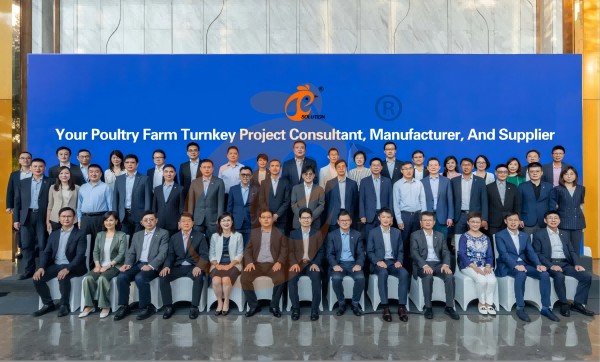
Hong Kong Headquarter Management Team
Hong Kong Headquarter Taiyu Industrial Group CO., LTD
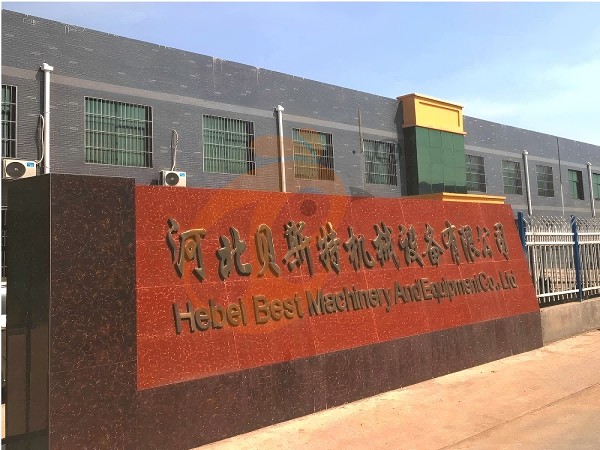
China Hebei Best Machinery And Equipment CO., LTD
Nigeria Vanke Machinery And Equipment CO., LTD
Tanzania Best Machinery And Equipment CO., LTD
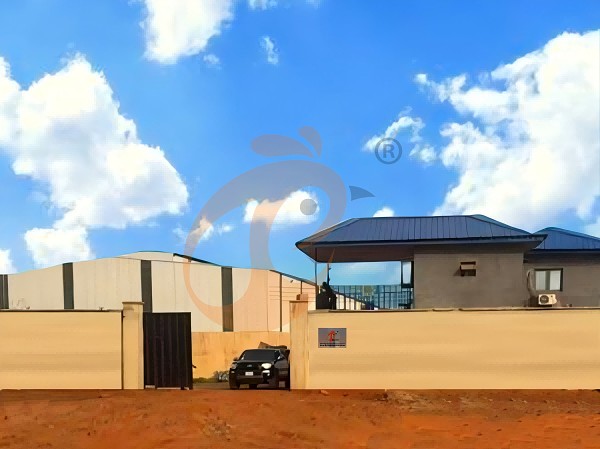
Ethiopia Best Hebei Machinery Manufacturing PLC
Reception /24 WhatsApp NO. : +8618830120193
PRODUCTS RECOMMENDED
 China Branch Manufacture Poultry Farm EquipmentRead More
 Ethiopia Branch Manufacture Poultry Farm EquipmentRead More
 Nigeria Branch Manufacture Poultry Farm EquipmentRead More
 Tanzania Branch Manufacture Poultry Farm EquipmentRead More
 IoT Smart Poultry FarmRead More
 >30,000 Layers Automatic H Type Battery CageRead More
 10,000 - 30,000 Layers Automatic A Type Battery CageRead More
MESSAGE
NEWS
 What Makes A Factory-Direct A Type Chicken Battery Cage More Cost-Effective? 4 ReasonsRead More
 Deep Litter System For Broilers Vs Cage | Which Is More Profitable?Read More
 Free Range Broiler System Vs Intensive Farming | Which Is More Profitable?Read More
 Broiler Floor Rearing System Cost | 6 Factors Affecting PriceRead More