

BLOG
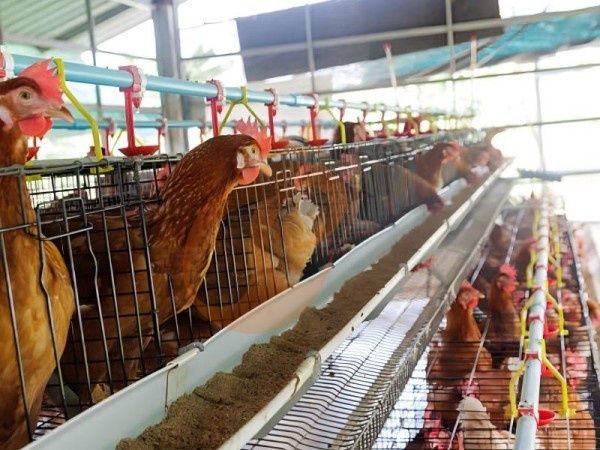
Ethiopia chicken cage system is gaining rapid adoption in urban areas.
Smallholder farmers increasingly seek A-type layer cage design for efficiency.
Space-optimized poultry layout improves egg production in limited facilities.
Local climate and feed variability affect system performance and sustainability.
Efficient water and feed management reduces labor costs significantly.
Modular and vertical systems allow incremental expansion for producers.
Practical cage layouts enhance egg quality, bird welfare, and hygiene.
Selecting the right design supports long-term economic benefits in Ethiopia.
Get professional poultry farm construction guidance, equipment selection solutions, and the latest price lists, whatsApp to +8618830120193, click to learn more:

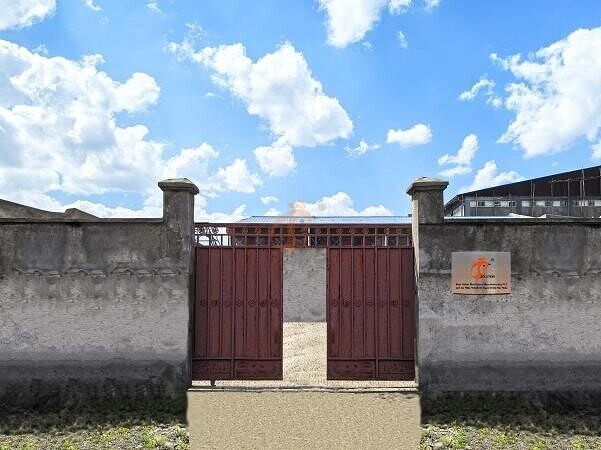
Ethiopia Branch Office And Factory Of Poultry Farm Equipment
Single-Row A-Type System Optimized For Small Acreage (Urban/Peri-Urban Farms)
This system aligns cages in a single linear row, ideal for urban and peri-urban farms with limited floor area.
It provides simple access for feeding and egg collection, and aligns with Ethiopian smallholder inclinations toward manageable technology.
Data is for reference only.Swipe horizontally to view full table.
This design requires minimal infrastructure.
In Addis Ababa's densely populated zones, land rental costs are high; single-row systems minimize footprint while enabling efficient management.
The system's simplicity supports producers with limited technical labor.
Double-Row Back-To-Back A-Type System (Medium-Scale Producers)
Double-row systems double capacity by aligning two single rows back-to-back.
The configuration improves space utilization while maintaining access on both sides for farm workers.
Data is for reference only.Swipe horizontally to view full table.
Given limited electricity supply stability outside major cities, this system can integrate gravity-fed nipple drinkers reducing electrical dependency.
The double-row layout supports Ethiopia chicken cage system scalability.
Central Aisle With Opposing A-Type Cage Wings (Large Intensive Units)
Large intensive poultry farms around Debre Zeit and Ziway often have wider sheds and better infrastructure.
Here, a central aisle with opposing A-type cage wings maximizes aisle access and bird density.
Data is for reference only.Swipe horizontally to view full table.
This layout supports mechanization (trolleys, egg conveyors), reducing labor needs a critical factor in southern Ethiopia where skilled labor can be scarce.
Integrating central aisle systems improves space-optimized poultry layout efficiency.
Spiral/Stacked Vertical A-Type System In Constrained Footprints
Ethiopian high-density urban areas like Mekelle or Bahir Dar often have restricted shed footprints.
A spiral/stacked vertical system elevates tiers while maintaining ergonomic access.
Data is for reference only.Swipe horizontally to view full table.
This design balances vertical space with accessibility.
Given Ethiopian building constraints in some peri-urban districts, vertical systems demand structural rigidity; materials such as local steel trusses are recommended.
Spiral systems suit limited urban footprints effectively.
Modular A-Type Cage Blocks For Dynamic Expansion
Modular systems release rigid layouts in favor of block-based expansion.
Producers can install cage modules sequentially as capital becomes available, aligning with the iterative investment behaviors in Ethiopia's poultry SMEs.
Data is for reference only.Swipe horizontally to view full table.
Costs are indicative, based on current Ethiopian supplier quotations and local fabrication costs.
European union standard reference only.
Modular designs minimize unused space and allow strategic capital deployment.
Comparative Analysis — Space Efficiency And Output
To determine the best layout for a given Ethiopian operation, space efficiency must be quantified.
Data is for reference only.Swipe horizontally to view full table.
This table reflects output ranges for commercial hybrid layers under Ethiopian feed regimens and management practices.
The variation in labor illustrates operational scaling trade-offs higher capacity systems require proportionally more labor unless semi-automation is adopted.
Environmental Adaptability — Ethiopian Climate Factors
Ethiopia’s geography spans highlands (cooler) and lowland arid zones (hotter).
Cage design influences temperature management, ventilation, and humidity control.
Data is for reference only.Swipe horizontally to view full table.
In the past decade, producers in the Rift Valley reported heat stress issues reducing laying persistency.
Designing perforated cage roofs with shading and adapting vent spacing improves convective cooling.
Elevated designs encourage airflow under structures.
Feed And Water Integration — Ethiopian Supply Constraints
Local feed supply variability makes automated feeding/watering critical for dense cages.
A-Type systems can integrate
Low pressure nipple lines compatible with manual fill tanks
Feed troughs sized for local feed types (teff, maize blends)
Gravity feed options in areas with unreliable power
Data is for reference only.Swipe horizontally to view full table.
Customizing water storage is critical where rural electricity interruptions last multiple hours.
Egg Handling, Space, And Workflow Optimization
Egg collection systems must align with cage layout
Single row: manual collection with baskets
Central aisle: trolleys or conveyor belts
Vertical systems: staggered catch trays ensuring ergonomic collection
Data is for reference only.Swipe horizontally to view full table.
Lower breakage correlates with well-designed egg flow and stable platforms, especially when Ethiopian labor force levels vary by region.
Animal Welfare Considerations
Ethiopia's livestock welfare standards are emerging.
Cage spacing and per-bird space must satisfy both productivity and basic welfare.
Data is for reference only.Swipe horizontally to view full table.
Meeting these standards reduces mortality and improves egg yield consistency.
Economic Analysis For Ethiopian Producers
Cost–benefit analysis focuses on capital expenditure, operational costs, and return on investment (ROI) over five years.
Data is for reference only.Swipe horizontally to view full table.
Central aisle systems show stronger long-term returns due to scale, despite higher initial costs a consideration for Ethiopian producers with access to finance.
Case Study — Central Aisle System In Oromia Region
A 1,000-bird central aisle A-type system in Oromia province implemented
Data is for reference only.Swipe horizontally to view full table.
This demonstrates measurable benefits of optimized layouts under Ethiopian conditions.
Frequently Asked Questions — Ethiopia Chicken Cage System Practical Questions
Q1: Is this A-type chicken cage suitable for small Ethiopian farms?
A1: Yes, single-row and modular A-type cages allow incremental investment and fit limited urban/ peri-urban spaces efficiently.
Q2: How does the system manage Ethiopia's variable climate?
A2: Vertical spacing, ventilation, shading, and water storage adaptations reduce heat stress and improve laying rates.
Q3: Can this layout reduce labor costs in Ethiopia?
A3: Central aisle and modular layouts support mechanized egg collection, gravity-fed water, and efficient feeding, minimizing labor intensity.
Ethiopia Best Hebei Machinery Manufacturing Plc - One Of Ethiopia Largest Chicken Cage Manufacturer
HB BEST provides global factory direct sales with competitive pricing.
They supply high-quality poultry farm equipment for modern operations.
Complete turnkey projects include poultry cage installation and operational guidance.
Solutions adapt to Ethiopia chicken cage system needs and local conditions.
Professional support ensures efficient management and long-term profitability.
Contact Us To Received Your Customized Poultry Farm Plan
Headquarters And Branchs

Hong Kong Headquarter Management Team
Hong Kong Headquarter Taiyu Industrial Group CO., LTD
China Hebei Best Machinery And Equipment CO., LTD
Nigeria Vanke Machinery And Equipment CO., LTD
Tanzania Best Machinery And Equipment CO., LTD
Ethiopia Best Hebei Machinery Manufacturing PLC
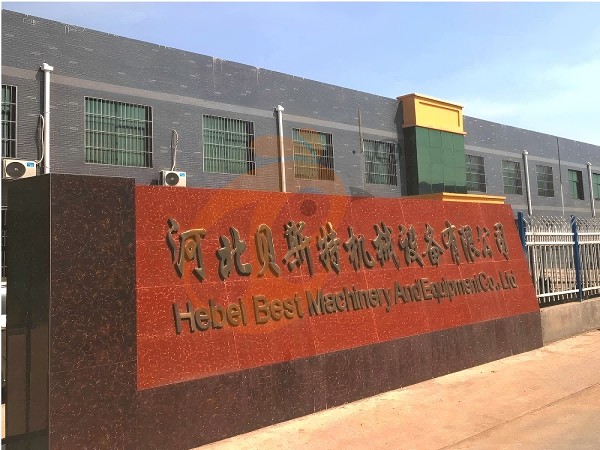
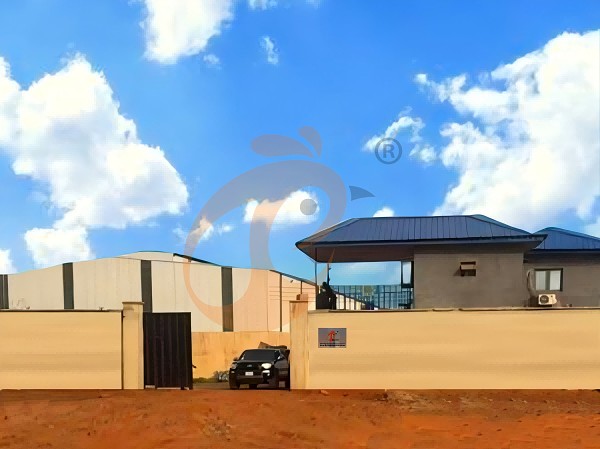
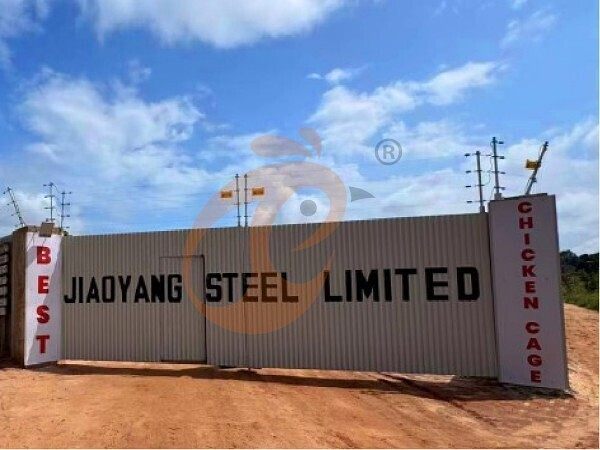
Reception /24 WhatsApp NO. : +8618830120193
PRODUCTS RECOMMENDED
 China Branch Manufacture Poultry Farm EquipmentRead More
 Ethiopia Branch Manufacture Poultry Farm EquipmentRead More
 Nigeria Branch Manufacture Poultry Farm EquipmentRead More
 Tanzania Branch Manufacture Poultry Farm EquipmentRead More
 IoT Smart Poultry FarmRead More
 >30,000 Layers Automatic H Type Battery CageRead More
 10,000 - 30,000 Layers Automatic A Type Battery CageRead More
MESSAGE
NEWS
 What Makes A Factory-Direct A Type Chicken Battery Cage More Cost-Effective? 4 ReasonsRead More
 Deep Litter System For Broilers Vs Cage | Which Is More Profitable?Read More
 Free Range Broiler System Vs Intensive Farming | Which Is More Profitable?Read More
 Broiler Floor Rearing System Cost | 6 Factors Affecting PriceRead More