

BLOG
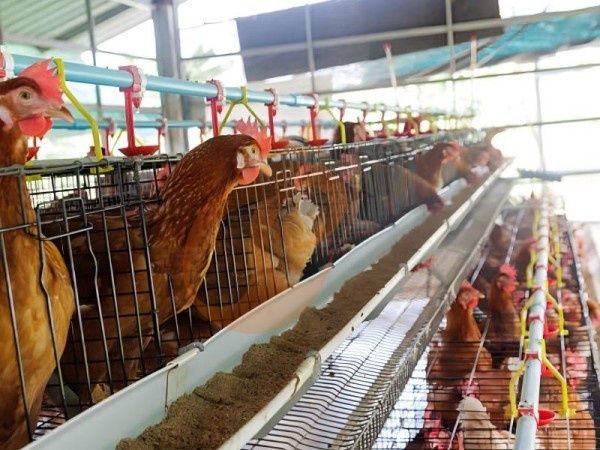
A type chicken cage Ethiopia systems require durable material selection and proper farm management.
Ethiopian poultry farmers face climate stress, water quality issues, and limited maintenance resources.
Extending cage lifespan reduces long-term operational costs and improves egg production stability.
Proper installation and structured cleaning programs significantly reduce corrosion risks.
Local adaptation strategies ensure compatibility with Ethiopian environmental and economic conditions.
Get professional poultry farm construction guidance, equipment selection solutions, and the latest price lists, whatsApp to +8618830120193, click to learn more:
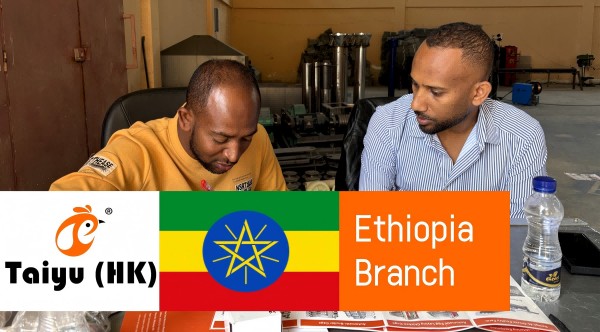
Ethiopia Branch Office And Factory Of Poultry Farm Equipment
Understand The Environmental Stress Factors In Ethiopia
The first step in prolonging cage life is recognizing the environmental pressures specific to Ethiopia.
Many poultry farms are exposed to fluctuating humidity levels, high UV radiation, and seasonal dust accumulation, especially in semi-arid zones like Dire Dawa and parts of Tigray.
Data is for reference only.Swipe horizontally to view full table.
In many Ethiopian farms, cages are installed in semi-open houses without proper insulation.
This accelerates zinc coating degradation, especially when combined with ammonia from manure.
Adopt Proper Galvanization Standards
A type layer cage Ethiopia installations often vary significantly in material quality.
One of the most critical determinants of longevity is the galvanization process applied to the steel wires.
Data is for reference only.Swipe horizontally to view full table.
In regions with higher humidity, such as areas near Lake Tana, heavy hot-dip galvanized cages show stronger resistance to rust formation.
Farmers should prioritize upfront investment in higher-grade materials to reduce long-term replacement cycles.
Implement A Structured Cleaning And Disinfection Program
Ammonia accumulation from manure is one of the most aggressive factors in cage corrosion.
In Ethiopia, where manure removal systems are often manual, irregular cleaning accelerates structural degradation.
Data is for reference only.Swipe horizontally to view full table.
In Ethiopian rural settings, water scarcity can be a constraint.
Farmers can adopt low-water cleaning systems combined with dry disinfectants like hydrated lime, which is locally available and cost-effective.
Optimize Cage Installation And Structural Support
Proper A type poultry cage maintenance Ethiopia begins with correct installation.
Uneven flooring, poor anchoring, and inadequate spacing are common issues observed in Ethiopian poultry farms.
Data is for reference only.Swipe horizontally to view full table.
In areas with clay-heavy soils, such as parts of Oromia, seasonal expansion and contraction of the ground can destabilize cage structures.
Concrete flooring or raised platforms significantly improve stability.
Control Water Quality And Leakage
Water systems in layer cages are often overlooked, yet leakage is a major contributor to localized corrosion.
Ethiopian water sources, particularly groundwater, may contain high mineral content.
Data is for reference only.Swipe horizontally to view full table.
Installing simple filtration systems and regularly checking nipple drinkers can significantly reduce water-related damage.
In Ethiopia, locally available sand filters can be adapted for poultry use.
Conduct Routine Inspection And Preventive Maintenance
Preventive maintenance is often neglected due to labor constraints or lack of technical awareness.
However, early detection of wear and tear can extend cage life by several years.
Data is for reference only.Swipe horizontally to view full table.
In Ethiopian farms, where spare parts may not always be readily available, maintaining a small inventory of essential repair materials can prevent prolonged downtime.
Use Locally Adapted Protective Coatings
Given Ethiopia's diverse agro-climatic zones, applying additional protective coatings can significantly enhance cage durability.
Farmers in highland regions face different challenges compared to those in lowland areas.
Data is for reference only.Swipe horizontally to view full table.
Applying coatings requires moderate investment between 50–220 Ethiopian Birr per square meter (European union standard reference only).
This cost is offset by extended service life and reduced replacement frequency.
Integration Of Practices For Maximum Impact
Each of the above practices is interconnected.
Improved cleaning reduces ammonia, which in turn preserves galvanization.
Better water management reduces the need for frequent repairs.
Data is for reference only.Swipe horizontally to view full table.
This integrated approach ensures long-term sustainability for Ethiopian poultry farms.
Frequently Asked Questions
Q1: Is A type chicken cage suitable for Ethiopian climate conditions?
Yes, A type chicken cage systems are suitable for Ethiopia when proper galvanization and ventilation adjustments are applied.
Dry and semi-arid regions require additional dust protection and regular cleaning.
Highland areas require moisture control and coating reinforcement.
Q2: How can Ethiopian farmers reduce maintenance costs effectively?
Farmers can reduce costs by using locally available materials such as lime disinfectants and sand filtration systems.
Routine inspection and early repair prevent large-scale structural damage.
Investment in heavy hot-dip galvanized cages also reduces long-term expenses.
Q3: What is the main cause of cage damage in Ethiopian poultry farms?
The primary causes include ammonia corrosion, water leakage, and improper installation.
Environmental exposure combined with irregular maintenance accelerates deterioration.
Structured management practices significantly reduce these risks.
Ethiopia Best Hebei Machinery Manufacturing Plc - One Of Ethiopia Largest Chicken Cage Supplier
Global factory direct supply ensures competitive pricing and stable delivery timelines for poultry farm equipment.
Specialized in A type poultry cage and complete poultry cage systems for layer farming operations.
Provides turnkey engineering solutions covering design, installation, and technical training support.
Offers customized solutions based on Ethiopian climate, farm scale, and water resource conditions.
Strong export experience ensures reliable logistics, after-sales service, and long-term cooperation support.
Contact Us To Received Your Customized Poultry Farm Plan
Headquarters And Branchs
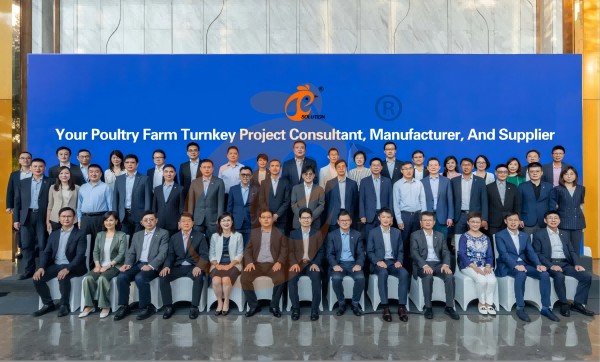
Hong Kong Headquarter Management Team
Hong Kong Headquarter Taiyu Industrial Group CO., LTD
China Hebei Best Machinery And Equipment CO., LTD
Nigeria Vanke Machinery And Equipment CO., LTD
Tanzania Best Machinery And Equipment CO., LTD
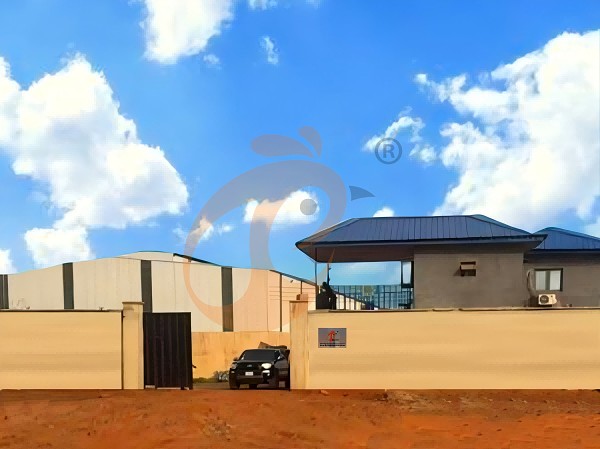
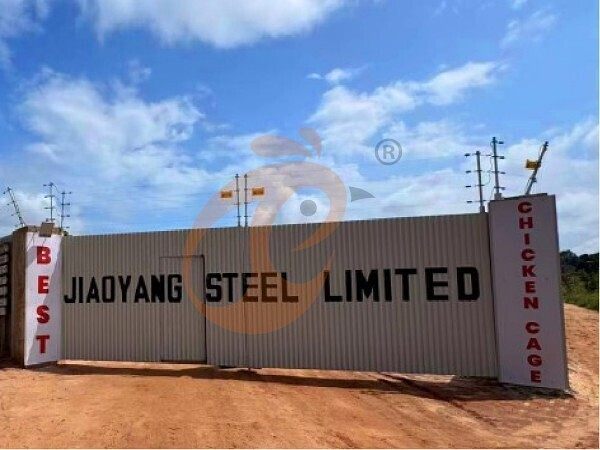
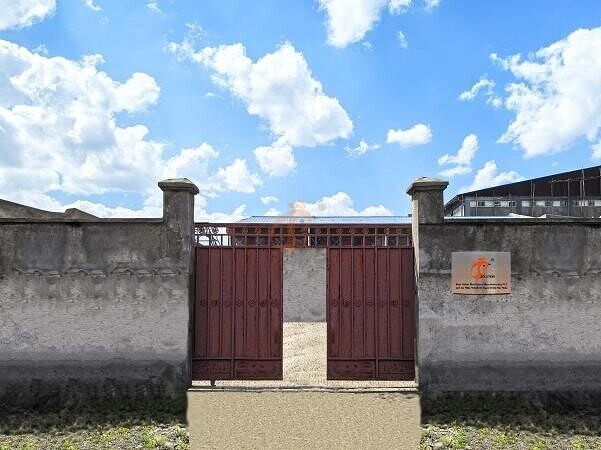
Ethiopia Best Hebei Machinery Manufacturing PLC
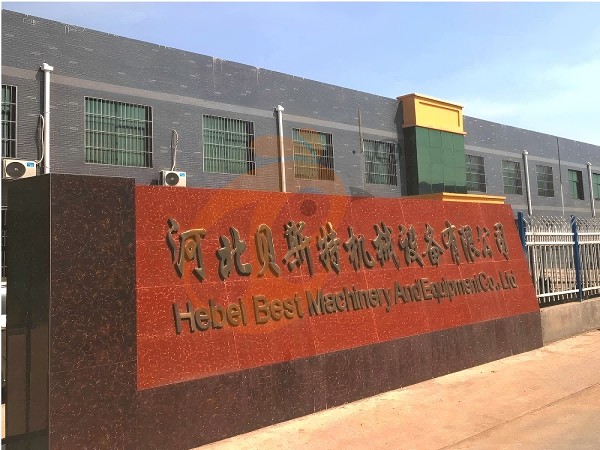
Reception /24 WhatsApp NO. : +8618830120193
PRODUCTS RECOMMENDED
 China Branch Manufacture Poultry Farm EquipmentRead More
 Ethiopia Branch Manufacture Poultry Farm EquipmentRead More
 Nigeria Branch Manufacture Poultry Farm EquipmentRead More
 Tanzania Branch Manufacture Poultry Farm EquipmentRead More
 IoT Smart Poultry FarmRead More
 >30,000 Layers Automatic H Type Battery CageRead More
 10,000 - 30,000 Layers Automatic A Type Battery CageRead More
MESSAGE
NEWS
 What Makes A Factory-Direct A Type Chicken Battery Cage More Cost-Effective? 4 ReasonsRead More
 Deep Litter System For Broilers Vs Cage | Which Is More Profitable?Read More
 Free Range Broiler System Vs Intensive Farming | Which Is More Profitable?Read More
 Broiler Floor Rearing System Cost | 6 Factors Affecting PriceRead More