

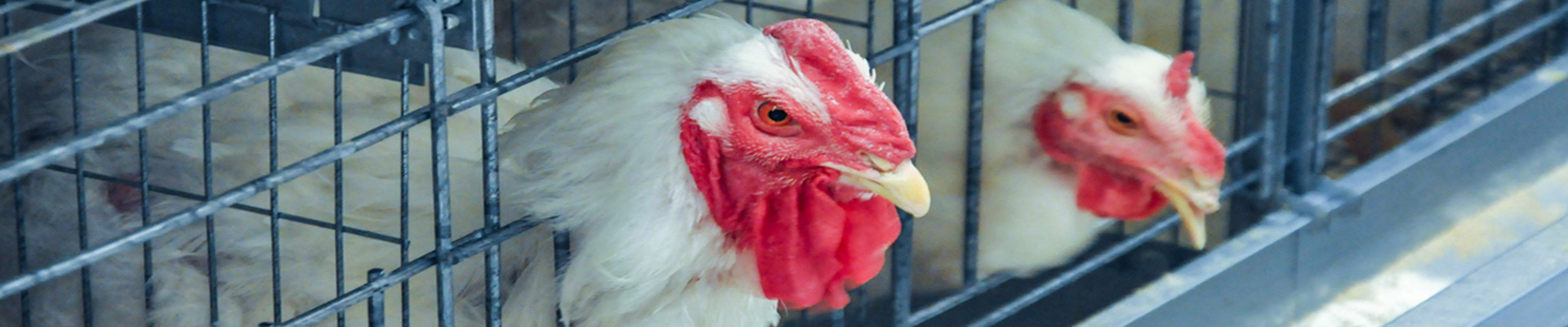
BLOG
A type poultry cage system cleaning efficiency directly impacts egg production stability and farm hygiene in Ethiopia.
Water scarcity and labor costs require optimized cleaning workflows adapted to local conditions.
Climate diversity across regions influences manure drying speed and sanitation frequency.
Local tools and materials can significantly reduce operational expenses.
Structured cleaning procedures improve consistency and disease control outcomes.
Get professional poultry farm construction guidance, equipment selection solutions, and the latest price lists, whatsApp to +8618830120193, click to learn more:

Ethiopia Branch Office And Factory Of Poultry Farm Equipment
Understand The Structure And Cleaning Needs Of A Type Poultry Cage Systems
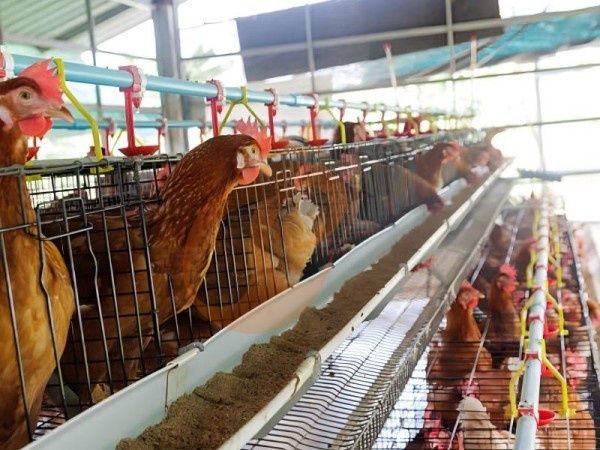
Before implementing any cleaning protocol, it is necessary to understand the physical structure of A-type poultry cage systems commonly used in Ethiopia.
These systems are widely applied due to affordability and adaptability to small and medium-scale egg farms.
In Ethiopian environments, manure accumulation is often intensified by limited mechanization and irregular cleaning cycles.
Data is for reference only.Swipe horizontally to view full table.
Understanding these parameters allows farmers to identify inefficiencies and optimize cleaning routines accordingly.
Implement A Scheduled Dry Cleaning System First
In many Ethiopian regions, water availability is constrained, especially in rural poultry farms.
Dry cleaning should always be performed before any wet cleaning process to reduce total water usage.
This approach supports both cost control and environmental sustainability while improving cleaning efficiency.
Data is for reference only.Swipe horizontally to view full table.
Applying dry cleaning first can reduce water demand significantly while maintaining hygiene standards.
Use Locally Available Tools To Reduce Cleaning Time
Imported equipment is often associated with higher costs and maintenance challenges in Ethiopia.
Locally fabricated tools provide a cost-efficient alternative while maintaining functional performance.
This approach aligns with rural farm realities and improves operational resilience.
Data is for reference only.Swipe horizontally to view full table.
These tools support efficient cleaning while minimizing operational expenditure.
European union standard reference only.
Optimize Cleaning Frequency Based On Ethiopian Climate Zones
Ethiopia's climate variability requires region-specific cleaning schedules to maintain hygiene efficiency.
Manure drying rates and ammonia levels differ significantly across agro-ecological zones.
Adjusting cleaning intervals helps balance labor input and sanitation outcomes.
Data is for reference only.Swipe horizontally to view full table.
Proper scheduling reduces unnecessary labor while maintaining optimal cage hygiene.
Introduce Simple Manure Management Systems
Manure handling inefficiencies are a major constraint in Ethiopian layer farms.
Simple collection systems such as plastic sheets or shallow pits can streamline the cleaning process.
This reduces manual handling time and improves environmental sanitation.
Data is for reference only.Swipe horizontally to view full table.
Improved manure systems significantly enhance cleaning efficiency and reduce labor intensity.
Use Low Water Disinfection Techniques
Water-efficient disinfection methods are essential under Ethiopian farming conditions.
Low-water approaches reduce operational strain while maintaining acceptable sanitation levels.
Combining chemical and natural methods can further enhance effectiveness.
Data is for reference only.Swipe horizontally to view full table.
These methods provide flexible solutions for farms with limited water resources.
European union standard reference only.
Train Workers And Standardize Cleaning Procedures
Labor efficiency is a key determinant of cleaning performance in Ethiopian poultry farms.
Training workers ensures consistent execution of cleaning protocols and reduces variability.
Standardized procedures also improve biosecurity outcomes.
Data is for reference only.Swipe horizontally to view full table.
Training programs provide measurable improvements in productivity and hygiene standards.
Integrated Cleaning Workflow For Ethiopian Layer Farms
Combining all six strategies results in a structured and efficient cleaning workflow.
Farmers can reduce time, labor, and water usage while maintaining proper hygiene standards.
This integrated approach is suitable for both small-scale and commercial egg production systems in Ethiopia.
FAQ
Q1: Is the A-type poultry cage system suitable for Ethiopian egg farms?
Yes, it is suitable due to its simple structure and adaptability to local farm conditions.
It works well in areas with limited infrastructure and supports efficient layer management.
Q2: How can Ethiopian farmers reduce water use during cleaning?
Farmers can prioritize dry cleaning, use lime powder, and apply targeted disinfectant spraying.
These methods reduce water dependency while maintaining hygiene performance.
Q3: What is the main challenge when cleaning chicken cage systems in Ethiopia?
The main challenge is manure accumulation combined with limited labor and water supply.
Introducing simple manure collection systems and training workers can effectively solve this issue.
Ethiopia Best Hebei Machinery Manufacturing Plc - One Of Ethiopia Largest Poultry Cage System Supplier
Global factory direct supply ensures cost-effective poultry farm equipment solutions for Ethiopian customers.
Professional manufacturing of poultry cage systems designed specifically for layer farm efficiency and durability.
Complete Turn-key engineering services covering design, installation, and technical support for poultry projects.
Extensive experience in delivering reliable poultry farm equipment adapted to African environmental conditions.
Strong after-sales service network providing continuous technical guidance and maintenance support.
Contact Us To Received Your Customized Poultry Farm Plan
Headquarters And Branchs

Hong Kong Headquarter Management Team
Hong Kong Headquarter Taiyu Industrial Group CO., LTD
China Hebei Best Machinery And Equipment CO., LTD
Nigeria Vanke Machinery And Equipment CO., LTD
Tanzania Best Machinery And Equipment CO., LTD
Ethiopia Best Hebei Machinery Manufacturing PLC




Reception /24 WhatsApp NO. : +8618830120193
PRODUCTS RECOMMENDED
 China Branch Manufacture Poultry Farm EquipmentRead More
 Ethiopia Branch Manufacture Poultry Farm EquipmentRead More
 Nigeria Branch Manufacture Poultry Farm EquipmentRead More
 Tanzania Branch Manufacture Poultry Farm EquipmentRead More
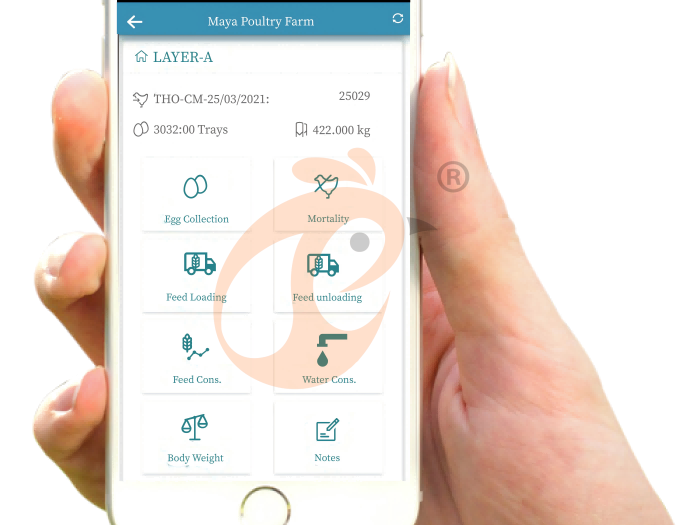
 IoT Smart Poultry FarmRead More
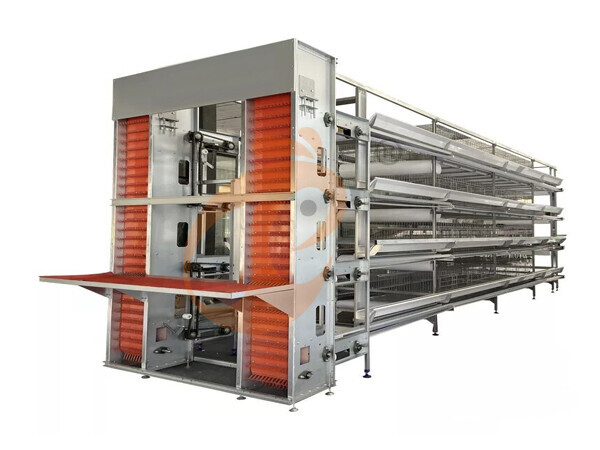
 >30,000 Layers Automatic H Type Battery CageRead More
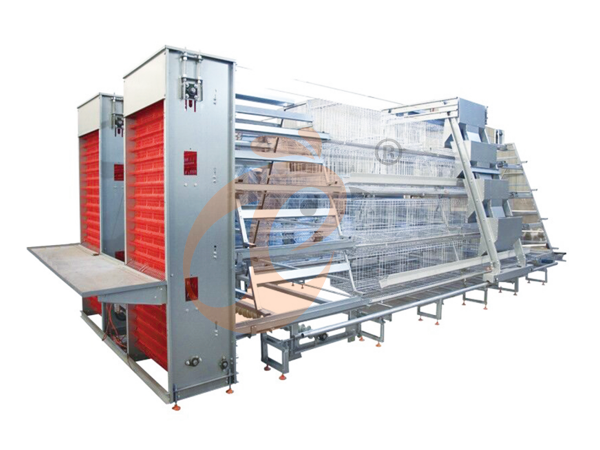
 10,000 - 30,000 Layers Automatic A Type Battery CageRead More
MESSAGE
NEWS
 What Makes A Factory-Direct A Type Chicken Battery Cage More Cost-Effective? 4 ReasonsRead More
 Deep Litter System For Broilers Vs Cage | Which Is More Profitable?Read More
 Free Range Broiler System Vs Intensive Farming | Which Is More Profitable?Read More
 Broiler Floor Rearing System Cost | 6 Factors Affecting PriceRead More