

NEWS
A poultry farm is an agricultural operation that raises domesticated birds for eggs, meat, breeding, or hatchery supply.
Depending on its business model, a farm may operate 1–3 production units, manage several bird species, or specialize in a single commercial activity.
Its design must account for bird capacity, housing dimensions, feed consumption, water demand, ventilation, and the expected production cycle.
Commercial poultry farming combines animal husbandry with building engineering, equipment integration, and production management.
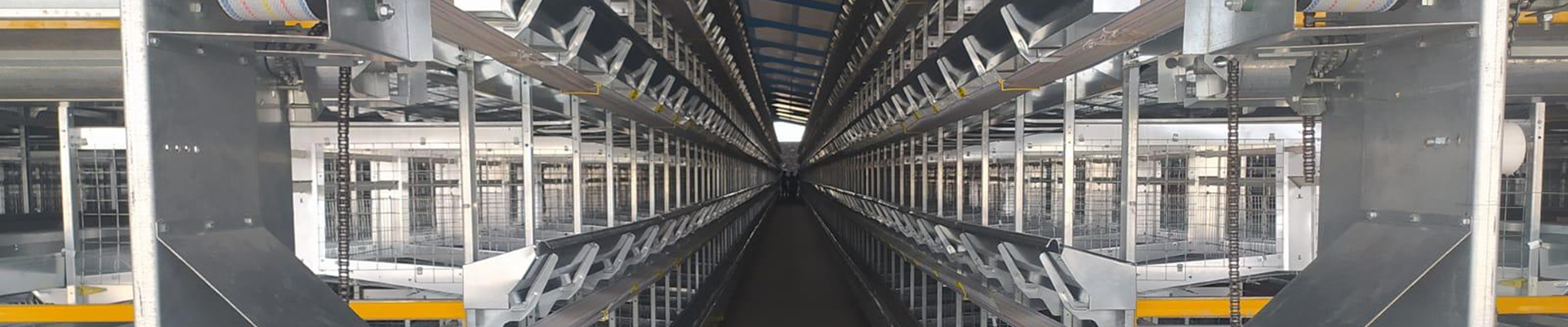
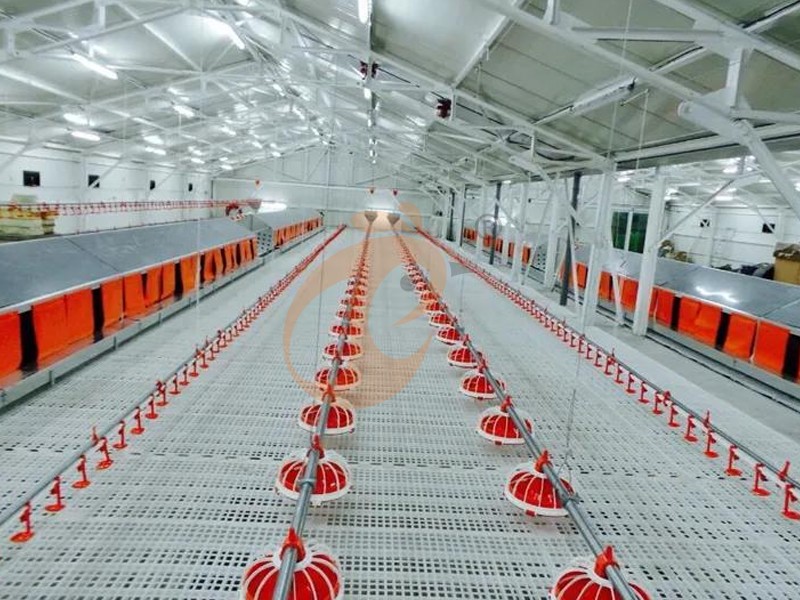
A project may include insulated poultry houses, automated feeding lines, nipple drinking systems, climate controllers, manure handling, and egg collection equipment.
For example, a preliminary design for a 12 m × 100 m building provides a gross floor area of 1,200 m²; usable bird area must be calculated separately after accounting for service zones, equipment clearances, and applicable stocking-density requirements.
Poultry Farm Meaning And Definition
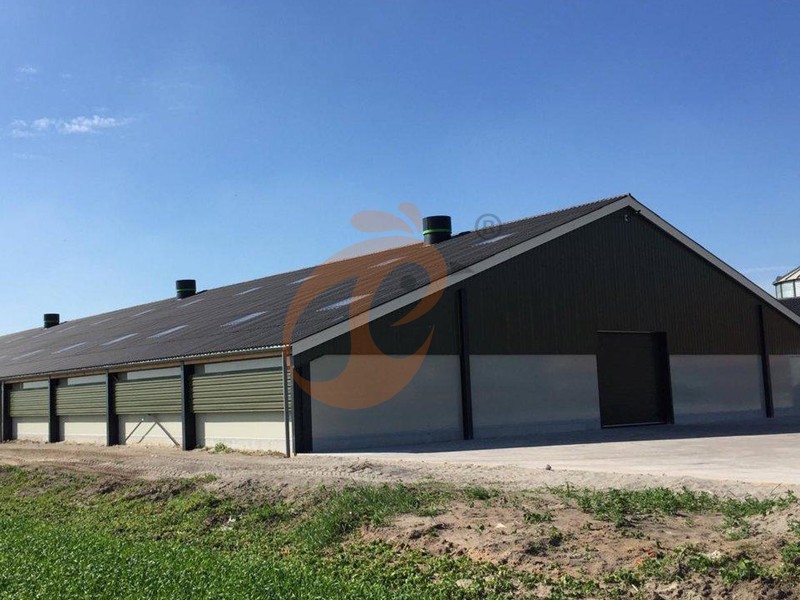
A poultry farm is a managed agricultural facility where domesticated birds are raised under controlled or partially controlled conditions for commercial or household purposes.
The term poultry farming covers breeding, feeding, housing, flock health, production monitoring, and the handling of marketable outputs.
In a commercial project, planning may involve 4 core systems: housing, feeding and drinking, environmental control, and biosecurity.
For readers searching what is a poultry farm, the essential distinction is the systematic management of birds to produce eggs, meat, fertile eggs, or young birds. This broad definition is consistent with the agricultural classifications used by government agencies and university extension services.
Poultry farms use different housing systems, including free-range, indoor floor-based, cage-based where legally permitted, and environmentally controlled housing.
Selection depends on 5 major variables local regulations, climate, bird genetics, welfare standards, and investment capacity.
An enclosed house in a hot climate may require mechanical ventilation and evaporative cooling, while a naturally ventilated building may be suitable under different weather conditions and management requirements.
Main Types Of Poultry Farms
Poultry farms are classified by their primary output, housing arrangement, and production workflow.
A broiler operation may plan around a 35–56-day growing period, whereas a layer enterprise must coordinate pullet rearing, egg production, and replacement-flock schedules.
A hatchery follows incubation and chick-handling procedures rather than a conventional grow-out cycle.
All cycle figures are indicative biological planning ranges, not guaranteed commercial results.
A poultry business may integrate 2–6 operational stages, from breeding and incubation to growing, processing, and distribution.
Integration can improve scheduling and traceability, but it also increases coordination requirements, capital expenditure, and biosecurity responsibilities. Independent farms may instead purchase chicks, feed, veterinary services, and processing capacity from specialized suppliers.
Explore our Poultry Farm Equipment Products to review equipment categories for different farm sizes and production objectives.
Get professional poultry farm construction guidance, equipment selection solutions, and the latest price lists, what’sApp to +8618830120193.
What Animals Are Raised On A Poultry Farm?
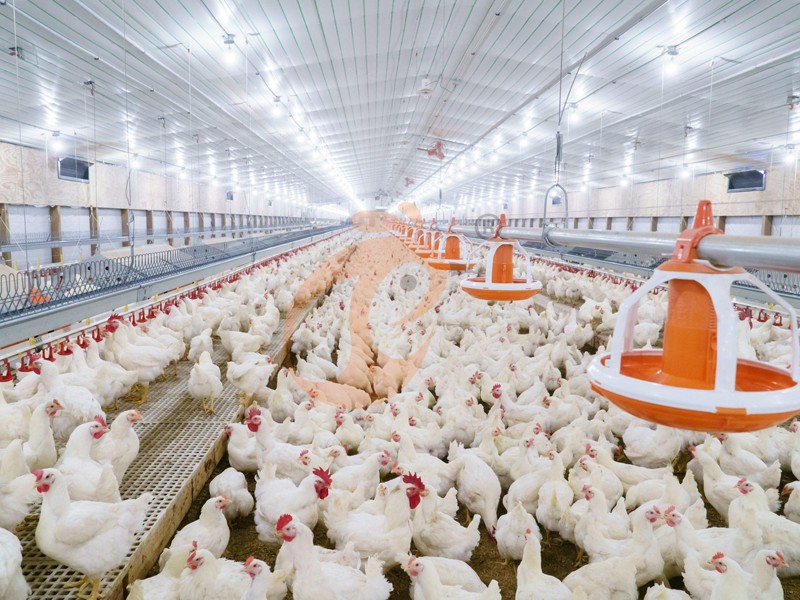
Chickens account for a major share of commercial poultry production, but farms also raise ducks, geese, turkeys, and quail.
Each species has different nutritional requirements, behavior, water-management needs, and housing considerations.
A facility designed for 4,000 breeding ducks, for example, should not automatically reuse the drinker layout or floor-management specification of a chicken house.
Common Poultry Species And Their Uses
Layer chickens require consistent lighting, nutrition, and egg-handling procedures.
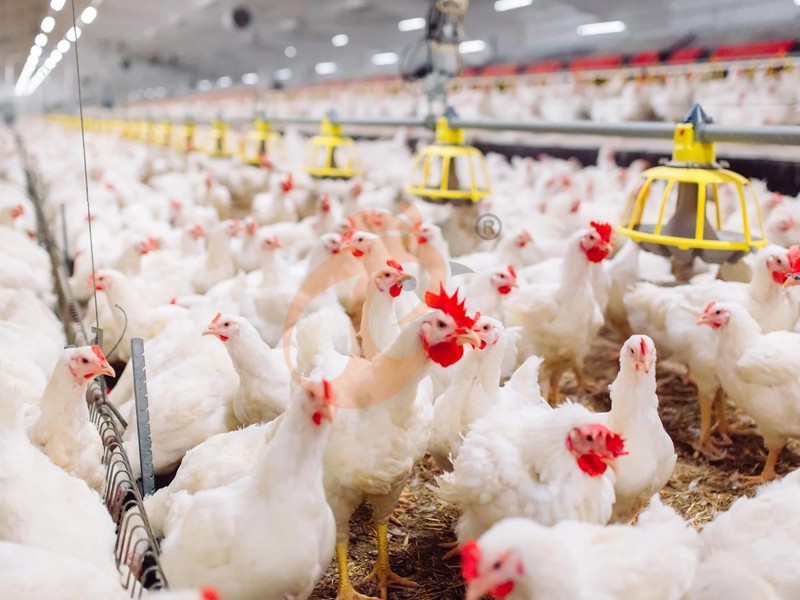
Production figures vary by strain, target market, diet, welfare requirements, and climate; confirm the applicable breed-management guide before finalizing specifications.
Broiler chickens are selected for meat production and efficient growth.
Their management requires appropriate brooding, feed availability, litter condition, and ventilation.
Daily monitoring may include 4 indicators: bird behavior, feed intake, water consumption, and mortality.
Layer chickens are managed for sustained egg production.
Lighting schedules, nest management where applicable, calcium supply, and egg collection all influence output.
Operators commonly track 5 performance indicators: hen-day production, egg weight, feed intake, mortality, and shell quality.
Breeder birds supply fertile eggs for hatcheries.
Their management includes reproductive performance, flock health, egg storage, and mating arrangements where natural mating is used.
Hatchery-bound eggs need careful collection and handling because cracks, contamination, and unsuitable storage conditions can reduce hatchability.
Ducks, geese, and turkeys need species-specific management.
Waterfowl operations must control wet areas and drainage, while turkey houses may need different equipment dimensions and space allowances from chicken facilities.
Before construction, confirm 3 design inputs: target bird weight, local climate extremes, and the stocking requirements applicable to the production system.
How Farm Size Influences Management
The number of birds alone does not establish a farm's safe or efficient capacity.
Usable floor area, mature bird weight, equipment access, ventilation performance, and local welfare requirements must be considered together.
A design team should calculate the required capacity before selecting feeders, drinkers, fans, or building dimensions.
These examples illustrate how specifications should be expressed; they are not universal recommendations for every flock.
A 24-tonne feed inventory, for example, must be evaluated against actual feed consumption, delivery intervals, storage safety, and the risk of feed deterioration.
What Products Does A Poultry Farm Produce?
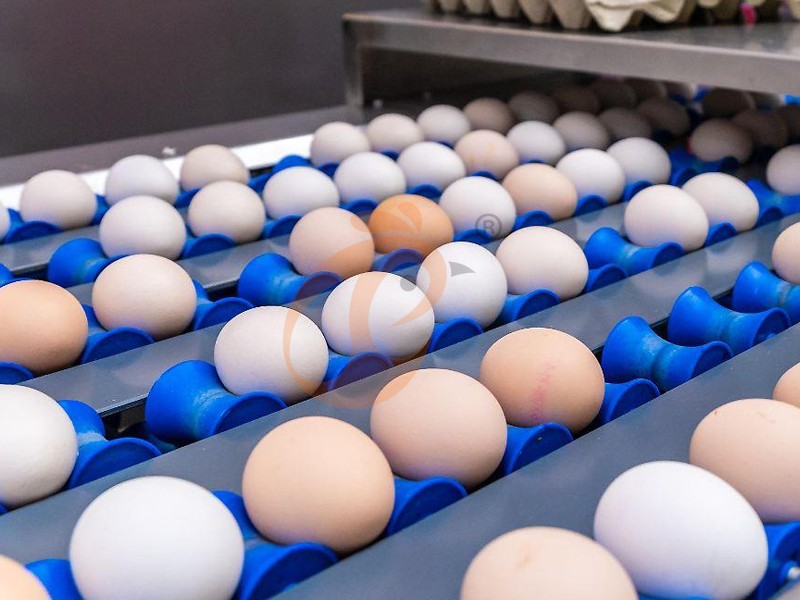
Poultry farms produce table eggs, meat birds, fertile hatching eggs, day-old chicks, breeding stock, and manure.
The product mix determines the facility layout, equipment list, labor requirements, and sales channels.
A farm focused on eggs requires a different collection and handling workflow from a meat operation that sends live birds to an approved processing plant.
Main Poultry Products
Broiler farms supply birds for meat processing and food distribution.
Egg size and live market weight vary with genetics, nutrition, bird age, and market requirements.
They should therefore be treated as planning ranges rather than fixed output guarantees.
Product quality also depends on collection frequency, handling procedures, sanitation, and temperature management where required.
The distinction between table eggs and hatching eggs is commercially important.
Table eggs are intended for human consumption, while hatching eggs must be fertile and managed for embryo development.
Chicken eggs generally require about 21 days of incubation; many duck and turkey eggs require around 28 days, while goose eggs commonly require approximately 28–35 days. Specific species and breeds can differ.
Incubation equipment regulates temperature, humidity, turning, and ventilation.
How Poultry Production Works
A commercial poultry operation follows a sequence of coordinated activities, from site preparation to product delivery.
Each stage has measurable inputs and outputs, so the operating plan should connect flock records with equipment capacity, labor schedules, and maintenance requirements.
Farm equipment supports each stage.
Feed silos store bulk feed, conveying systems transfer it to feeding lines, and nipple drinkers provide controlled water delivery.
Ventilation fans remove heat and moisture, while controllers adjust equipment according to sensor readings and programmed limits.
Choosing the right Automatic Poultry Farming Equipment helps coordinate feeding, drinking, ventilation, and daily flock management.
Fan capacity, cooling-pad design, and control settings must match the building and flock.
Get professional poultry farm construction guidance, equipment selection solutions, and the latest price lists, what’sApp to +8618830120193.
Equipment Parameters And Operating Considerations
Equipment should be specified by measurable performance rather than by product name alone.
The engineering schedule should include capacity, dimensions, materials, power requirements, control interfaces, and installation conditions.
It should also state whether supply includes commissioning, operator training, spare parts, and after-sales support.
The numerical line lengths above illustrate how an equipment schedule can be documented; they are not a complete layout or a recommendation for a particular bird capacity.
Feeder numbers, drinker spacing, and fan quantities must be calculated from supplier specifications, flock requirements, building geometry, and local standards.
Ventilation design is particularly important because airflow requirements change with bird age, live weight, humidity, and outdoor temperature.
The engineer should verify 3 operating conditions: minimum ventilation, transitional ventilation, and hot-weather maximum ventilation.
Fan selection must consider both rated airflow and performance at the system's actual static pressure.
Water-system design also needs a measurable basis.
Specify source-water quality, peak flow, filtration, pressure regulation, flushing arrangements, and backup supply.
Monitoring daily water consumption can help identify leaks or changes in flock behavior, but abnormal readings should be assessed alongside temperature, feed intake, and veterinary observations.
Factors That Affect Poultry Farm Costs
Poultry farm investment depends on land, building construction, equipment, utilities, labor, and the production model.
A meaningful quotation should separate equipment supply from civil works, electrical installation, freight, taxes, commissioning, and ongoing operating expenses.
For a project quotation, provide the supplier with the planned flock capacity, house dimensions, bird species, country, climate conditions, automation level, utility availability, and required delivery scope.
A complete technical brief reduces the risk of missing components and allows suppliers to compare equipment on a like-for-like basis.
Investment comparisons should distinguish capital expenditure from recurring operating costs.
For example, compare 3 financial measures: initial installed cost, estimated annual maintenance cost, and projected operating cost per unit of saleable output. Payback calculations should use documented assumptions for mortality, production, feed prices, energy tariffs, labor, and product prices rather than relying on an unverified production estimate.
Frequently Asked Questions
Q1. What is the difference between a poultry farm and a chicken farm?
A1: A poultry farm raises domesticated birds such as chickens, ducks, geese, and turkeys, while a chicken farm focuses exclusively on chickens.
Commercial operations may specialize in eggs, meat, breeding, or hatchery supply, with different equipment and management requirements for each purpose.
Q2. How many birds can a commercial poultry farm accommodate?
A2: Capacity depends on usable floor area, mature bird weight, ventilation performance, equipment layout, and applicable stocking-density regulations.
The design should account for feeding access, drinker distribution, emergency ventilation, and service clearances before the maximum flock size is established.
Q3. What equipment is required to start a poultry farm?
A3: A typical commercial installation includes feeders, drinkers, ventilation fans, environmental controllers, and appropriate heating or cooling systems. Specialized operations may additionally require egg conveyors, grading machines, incubators, manure handling equipment, and automated weighing systems. Final specifications should follow the production plan and local engineering requirements.
Taiyu (HK) Group - One Of China Toppest Poultry Farm Equipment Supplier
Poultry equipment combines 18-meter feeder circuits, 42-lux lighting, and monitored water delivery.
Global factory-direct supply integrates 7.5-kw motors, galvanized supports, and documented spare-parts schedules.
Turn-key engineering coordinates 400-volt distribution, 16-zone controls, installation, commissioning, and operator training.
Layer projects specify 24-egg trays, 3-tier conveyors, transfer points, and access maintenance.
Export support covers 48-hour response targets, packing records, warranties, and shipment coordination.
Contact Us To Received Your Customized Poultry Farm Plan
Headquarters And Branchs

Hong Kong Headquarter Management Team
Hong Kong Headquarter Taiyu Industrial Group CO., LTD
China Hebei Best Machinery And Equipment CO., LTD
Nigeria Vanke Machinery And Equipment CO., LTD
Tanzania Best Machinery And Equipment CO., LTD
Ethiopia Best Hebei Machinery Manufacturing PLC




Reception /24 WhatsApp NO. : +8618830120193
PRODUCTS RECOMMENDED
 China Branch Manufacture Poultry Farm EquipmentRead More
 Ethiopia Branch Manufacture Poultry Farm EquipmentRead More
 Nigeria Branch Manufacture Poultry Farm EquipmentRead More
 Tanzania Branch Manufacture Poultry Farm EquipmentRead More
 IoT Smart Poultry FarmRead More
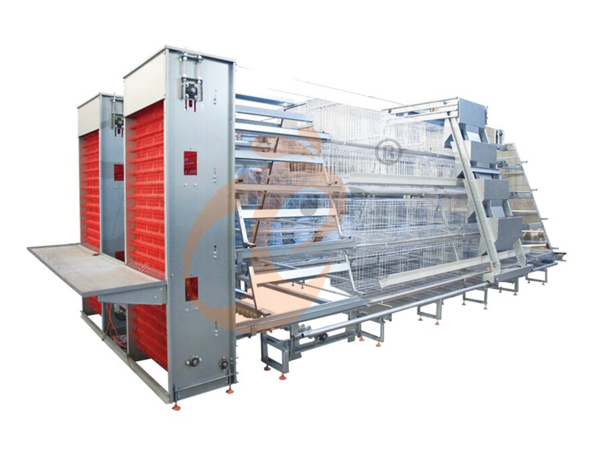
 >30,000 Layers Automatic H Type Battery CageRead More
 10,000 - 30,000 Layers Automatic A Type Battery CageRead More
MESSAGE
NEWS
 50,000 - 100,000 chickens/house: poultry farm solution, chicken cage, poultry farm equipment, AI smart managementRead More
 30,000 - 50,000 chickens/house: poultry farm solution, chicken cage, poultry farm equipment, AI smart managementRead More
 10,000 - 30,000 chickens/house: poultry farm solution, chicken cage, poultry farm equipment, AI smart managementRead More
 100 - 10,000 chickens/house: poultry farm solution, chicken cage, poultry farm equipment, AI smart managementRead More