

NEWS
Poultry farming is a specialized agricultural industry that supplies table eggs, chicken meat, fertile hatching eggs, and replacement birds.
Each farm type has a different production objective, housing design, equipment configuration, and flock management strategy.
Understanding the types of poultry farms helps investors, agricultural businesses, and project developers select suitable facilities, estimate operating costs, and plan efficient production systems.
Commercial poultry production generally includes four main categories: layer farms, broiler farms, breeder farms, and pullet farms.
Although these operations share basic requirements such as balanced feed, clean water, ventilation, lighting, and biosecurity, their equipment and daily management procedures differ considerably.
Layer Farms For Egg Production
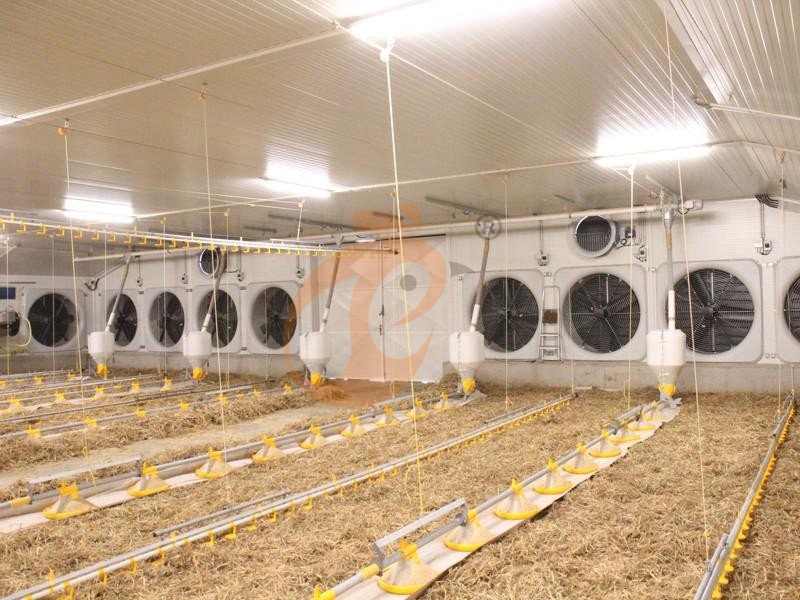
Layer farms specialize in raising hens for commercial table egg production.
Depending on breed, nutrition, housing, and management, commercial laying hens can produce approximately 250–320 eggs per hen annually under suitable conditions.
Many flocks begin laying at around 18–22 weeks of age, although the exact schedule varies by genetic strain and management program.
Production Process And Equipment
The production cycle begins with healthy pullets transferred from a rearing facility.
Once birds reach sexual maturity, the farm manages feed intake, water availability, lighting, egg collection, and environmental conditions to maintain consistent production.
A commercial layer house commonly includes
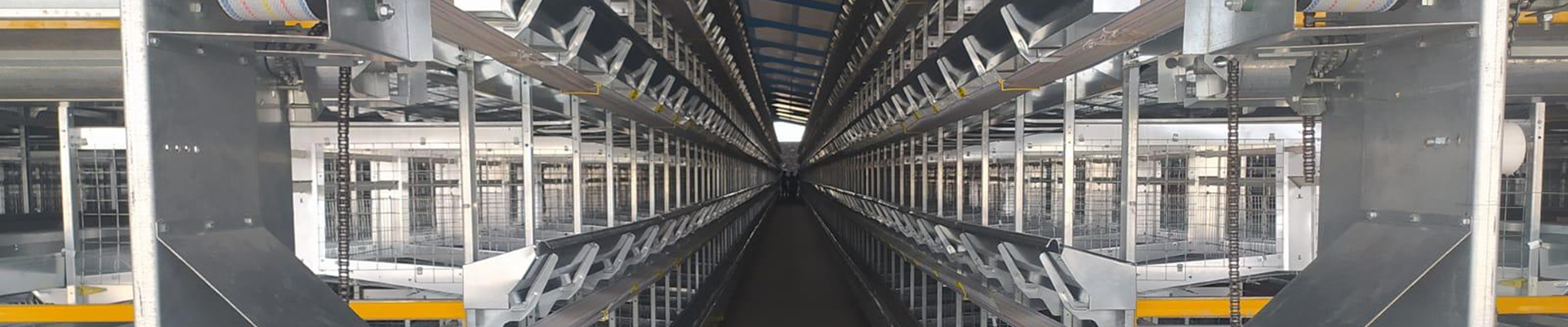
Feeding systems automatic chain feeders or pan feeders distribute feed throughout the house.
Drinking systems nipple drinkers with pressure regulators and filtration provide clean water.
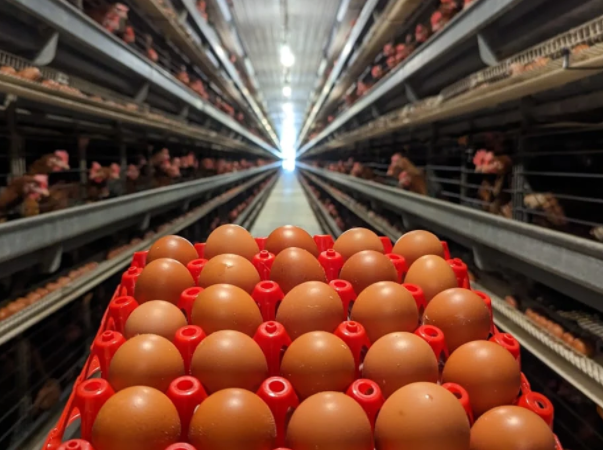
Egg collection systems nest boxes, egg belts, elevators, and conveyors transfer eggs to a central collection area.
Environmental control fans, air inlets, temperature sensors, and controllers regulate indoor conditions.
Manure management scrapers, belts, or other removal systems help control manure accumulation and moisture.
Eggs should be collected frequently, inspected for cracks and contamination, and handled carefully to reduce breakage.
Automated collection is particularly valuable for large farms because it reduces repetitive labor and improves traceability.
Get professional poultry farm construction guidance, equipment selection solutions, and the latest price lists, what’sApp to +8618830120193
These values are references from commercial layer husbandry guidance, not universal requirements.
Ventilation must be designed for bird age, live weight, outdoor conditions, and house geometry.
Lighting programs, feeder allocation, and nesting arrangements should also match the selected strain and housing system.
Reliable collection equipment helps maintain egg quality and reduces handling losses.
For projects requiring integrated feeding, drinking, ventilation, and egg handling, explore Taiyu Poultry Farm Equipment to compare equipment options for different farm layouts.
Broiler Farms For Meat Production
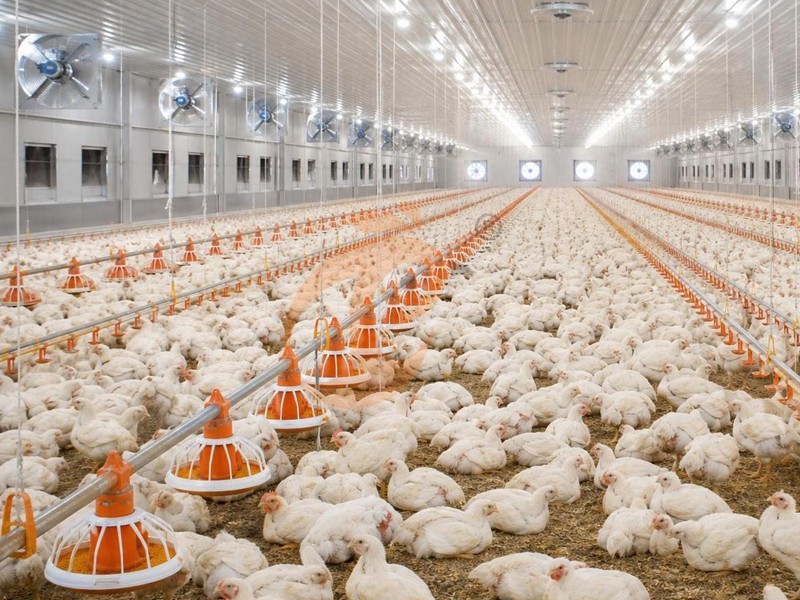
Broiler farms raise chickens specifically for meat production.
Unlike layer farms, which prioritize egg output over an extended laying cycle, broiler operations focus on rapid growth, efficient feed conversion, flock health, and achieving the target live weight within a planned production period.
Many conventional commercial broilers reach market weight in approximately 35–56 days, depending on genetics, target weight, climate, and market requirements.
Production programs for heavier birds may require longer growing periods.
Environmental Management And Harvesting
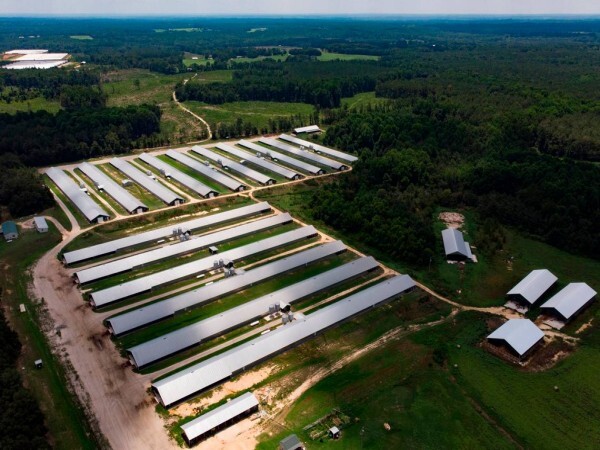
Broiler houses typically use deep-litter flooring, automatic pan feeders, nipple drinkers, heating equipment, and mechanical ventilation.
Environmental controllers coordinate fans, cooling pads, heaters, and alarms to respond to changing indoor conditions.
The temperature and airflow settings must be adjusted to bird behavior, live weight, humidity, and equipment performance.
The air-speed example is not a universal operating limit.
Before placement, the house should be cleaned, disinfected, heated when necessary, and equipped with accessible feed and water.
During the growing cycle, managers monitor body weight, mortality, feed consumption, water consumption, litter condition, and ventilation performance.
At market age, birds are caught, loaded into suitable transport crates, and delivered to a processing plant according to the agreed schedule.
Coordinating farm readiness, catching labor, transport capacity, and processing appointments helps minimize delays and bird stress.
Breeder Farms For Hatching Egg Production
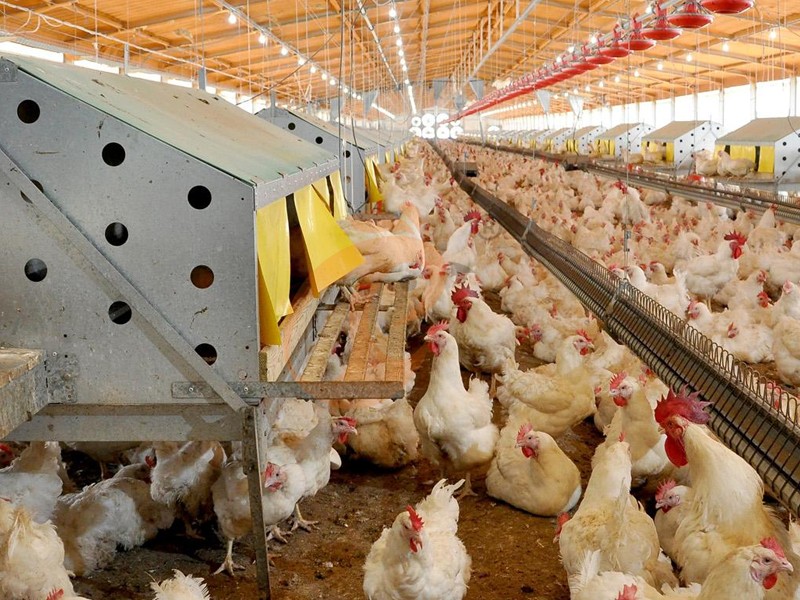
Breeder farms produce fertile eggs that are subsequently incubated to supply commercial chicks.
Their objective is not simply to maximize egg numbers; they must maintain fertility, hatchability, egg cleanliness, and the health of breeding birds.
Parent-stock breeders are commonly transferred from rearing facilities at approximately 18–22 weeks, depending on the breeding program.
The production phase can then continue for several months, subject to flock performance and replacement plans.
Specialized Breeding Equipment And Management
Breeder houses require carefully designed feeding arrangements, drinking lines, nests, ventilation, and lighting.
Male and female birds need appropriate nutrition and body-weight management because excessive or insufficient body weight can affect reproductive performance.
Breeder-specific body-weight targets, feeding times, and reproductive performance benchmarks must come from the relevant genetic supplier's management guide rather than being treated as universal values.
Hatching eggs should be collected regularly, inspected, and handled according to hatchery requirements.
Dirty, cracked, or unsuitable eggs should be separated from acceptable eggs.
Storage temperature, humidity, storage duration, and transport conditions must be coordinated with the hatchery's incubation program.
Breeder farms also need reliable flock records, including fertility, hatchability, egg production, mortality, and male-to-female management.
These indicators help operators identify problems before they significantly affect chick supply.
Pullet Farms For Raising Young Chickens
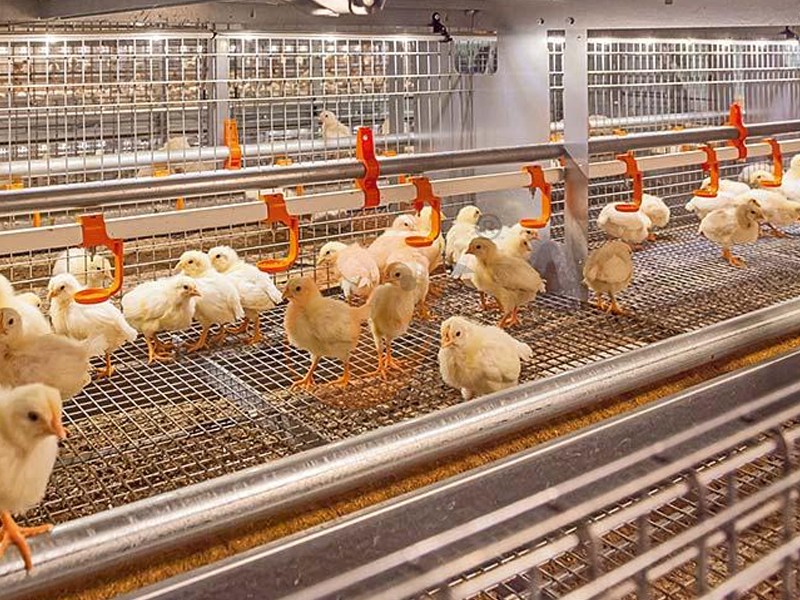
Pullet farms raise young female chickens until they are ready to enter a layer or breeder facility.
Commercial layer pullets are commonly reared until approximately 16–18 weeks or later, depending on the strain and transfer plan.
Breeder pullets may follow a different schedule.
The objective is to develop uniform, healthy birds with appropriate body weight, skeletal development, and reproductive readiness.
Poor management during rearing can affect subsequent egg production and flock uniformity.
Feeding, Drinking, Temperature, And Transfer
The temperatures and air-quality values above are reference points from poultry extension guidance, not substitutes for the selected strain's rearing manual.
The first few days require particular attention to chick-level temperature, access to water, and feed availability.
Heating settings should respond to chick distribution and behavior rather than relying solely on a fixed thermostat reading.
As birds grow, feeder and drinker heights should be adjusted to maintain comfortable access and reduce feed wastage or water spillage.
Regular weighing and representative flock sampling help managers compare actual body weight with the strain-specific target.
Before transfer, birds should be assessed for health, uniformity, and readiness.
Transport should be scheduled to minimize unnecessary handling, and the receiving farm should have clean housing, operational equipment, and suitable environmental conditions.
Get professional poultry farm construction guidance, equipment selection solutions, and the latest price lists, what’sApp to +8618830120193
Cage-Based, Floor-Raised, And Free-Range Systems
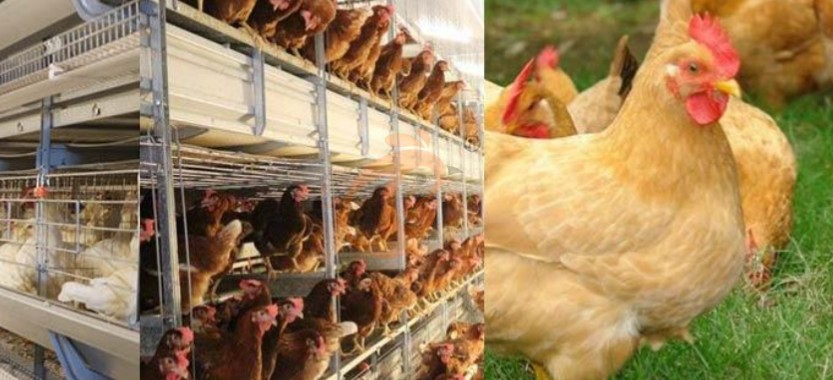
The housing system influences capital expenditure, labor requirements, stocking capacity, bird behavior, egg handling, and biosecurity.
The appropriate choice depends on the production objective, local regulations, climate, market requirements, and available land.
The numerical indoor space examples are taken from ontario commercial layer husbandry guidance and are not universal recommendations.
Free-range requirements must be checked against the applicable local regulations or certification standard.
Cage-based systems can simplify egg collection and manure separation, but permitted cage designs vary by jurisdiction.
Floor-raised systems require effective litter management and sufficient nest access.
Free-range production additionally requires outdoor access areas, weather protection, perimeter fencing, and measures to limit contact with wild birds.
How to Select the Right Poultry Farm System
Project planning should begin with the intended output: table eggs, meat birds, fertile hatching eggs, or replacement pullets.
Developers should then calculate bird capacity, feed storage, water demand, ventilation requirements, manure handling, electrical loads, and future expansion needs.
For example, a broiler house designed for 20,000 birds needs a different equipment arrangement from a layer house of the same bird count because egg collection, nesting, manure handling, and production cycles differ.
Final stocking density and house dimensions must be calculated using bird weight, usable floor area, climate, and applicable regulations.
A coordinated equipment package can integrate feeding, drinking, environmental control, and monitoring systems.
The Poultry Farming Equipment Solutions product range can be reviewed when comparing equipment configurations for new construction or farm modernization.
Frequently Asked Questions
Q1. What are the four main types of poultry farms?
A1: The four main types are layer farms for table eggs, broiler farms for meat, breeder farms for fertile hatching eggs, and pullet farms for raising young chickens.
Q2. What equipment is needed for a commercial poultry farm?
A2: Typical equipment includes automatic feeders, nipple drinkers, ventilation fans, environmental controllers, heating systems, and manure removal equipment. Layer and breeder farms may also require specialized nesting and egg collection systems.
Q3. How much does it cost to build a poultry farm?
A3: Construction costs depend on bird capacity, building materials, automation level, climate control, local labor costs, and regulatory requirements.
A reliable quotation should cover civil works, poultry equipment, installation, electrical systems, water supply, and waste management.
Taiyu (HK) Group - One Of China Largest Poultry Equipment Manufacturers
Layer, broiler, breeder, and pullet equipment supports 20,000-bird projects with automated feeding.
Factory-direct poultry equipment integrates 3-phase power, 10-line layouts, and commissioned control systems.
Turn-key engineering specifies 2,000-square-meter houses, ventilation capacity, water flow, and backup power.
Global exports coordinate 40-foot containers, spare parts, drawings, and installation schedules worldwide.
Project teams configure feeder counts, nipple spacing, fan performance, and climate controls.
Contact Us To Received Your Customized Poultry Farm Plan
Headquarters And Branchs

Hong Kong Headquarter Management Team
Hong Kong Headquarter Taiyu Industrial Group CO., LTD
China Hebei Best Machinery And Equipment CO., LTD
Nigeria Vanke Machinery And Equipment CO., LTD
Tanzania Best Machinery And Equipment CO., LTD
Ethiopia Best Hebei Machinery Manufacturing PLC




Reception /24 WhatsApp NO. : +8618830120193
PRODUCTS RECOMMENDED
 China Branch Manufacture Poultry Farm EquipmentRead More
 Ethiopia Branch Manufacture Poultry Farm EquipmentRead More
 Nigeria Branch Manufacture Poultry Farm EquipmentRead More
 Tanzania Branch Manufacture Poultry Farm EquipmentRead More
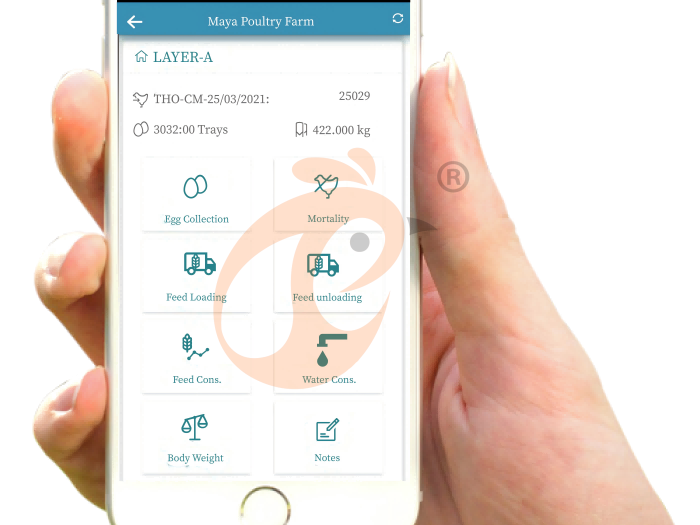
 IoT Smart Poultry FarmRead More
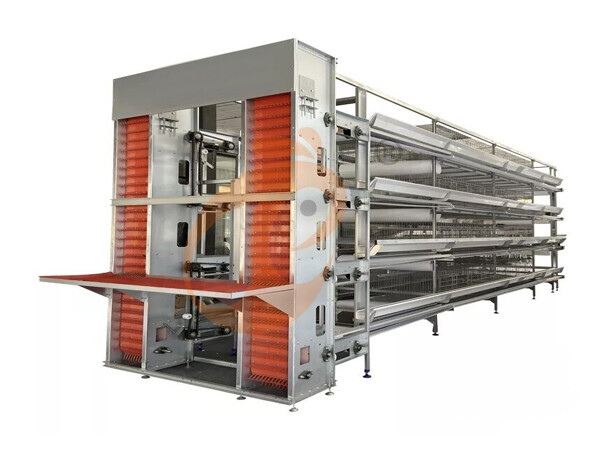
 >30,000 Layers Automatic H Type Battery CageRead More
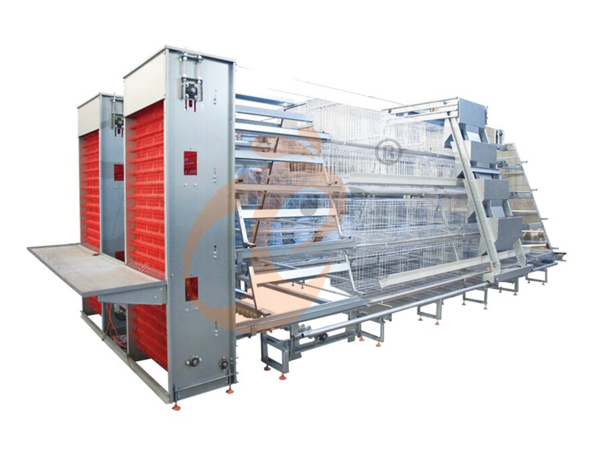
 10,000 - 30,000 Layers Automatic A Type Battery CageRead More
MESSAGE
NEWS
 50,000 - 100,000 chickens/house: poultry farm solution, chicken cage, poultry farm equipment, AI smart managementRead More
 30,000 - 50,000 chickens/house: poultry farm solution, chicken cage, poultry farm equipment, AI smart managementRead More
 10,000 - 30,000 chickens/house: poultry farm solution, chicken cage, poultry farm equipment, AI smart managementRead More
 100 - 10,000 chickens/house: poultry farm solution, chicken cage, poultry farm equipment, AI smart managementRead More