

NEWS
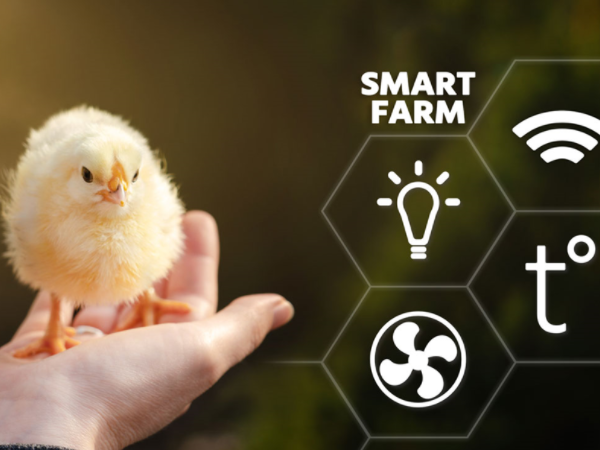
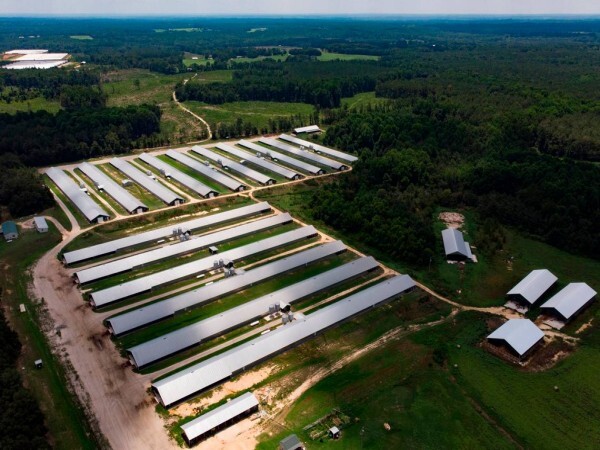
A modern poultry farm combines carefully managed housing, automated feeding and drinking systems, environmental controls, flock health monitoring, and efficient production processes.
Understanding how a poultry farm works helps farmers plan facilities, control operating costs, improve bird welfare, and maintain consistent production.
Whether operating a broiler farm for meat production or a layer farm for commercial egg production, successful daily operations depend on reliable equipment, accurate records, and consistent management.
Poultry House Preparation And Chick Placement
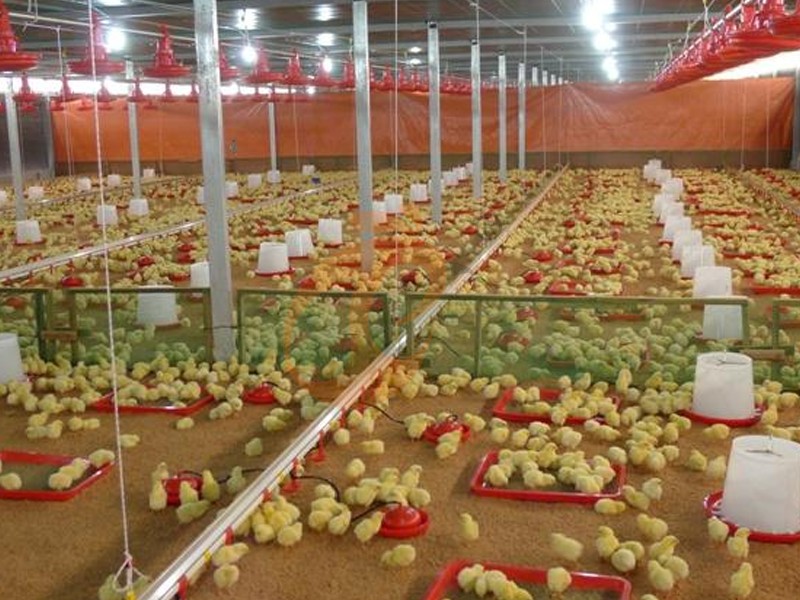
Before chicks arrive, farm managers inspect the poultry house, clean surfaces, disinfect equipment, and verify that all systems operate correctly.
Feeders, drinkers, ventilation fans, heating equipment, alarms, and backup power supplies should be tested before placement.
Litter must be dry, absorbent, and evenly distributed.
The house should reach the appropriate preheating temperature, with no cold spots or excessive drafts.
For newly placed broiler chicks, a starting temperature around 32–34°C at chick level is a common guideline, although breed recommendations, chick behavior, and local conditions determine the final setting.
Chicks should be unloaded promptly and distributed evenly near feed and water sources.
During the first hours, staff check whether birds are active, warm, and able to locate feed and water.
Early observation helps identify cold spots, poor equipment placement, and uneven chick distribution before these problems affect flock performance.
Feeding And Drinking Management
Nutrition directly affects growth rate, feed conversion, egg production, and farm profitability.
Broilers generally receive starter, grower, and finisher diets, while layers require feeding programs adjusted to their age, body weight, and egg production stage.
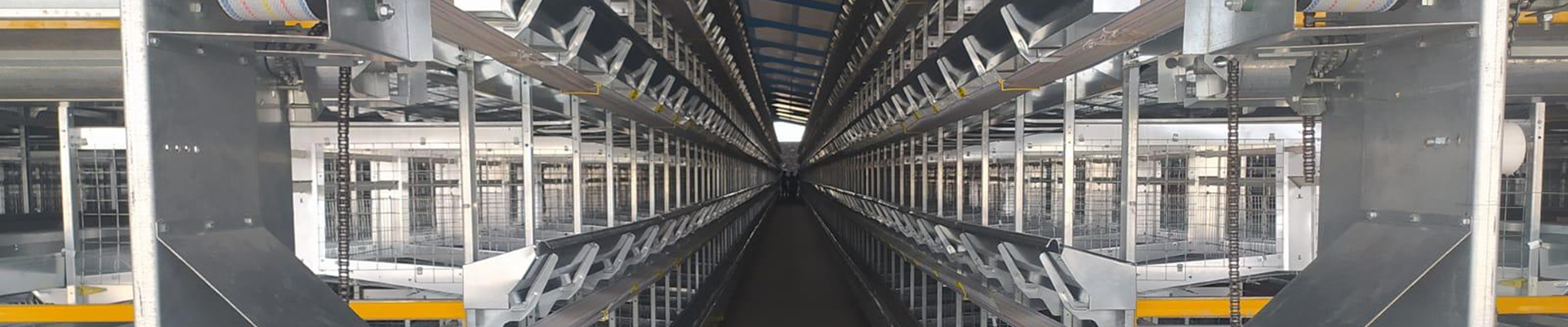
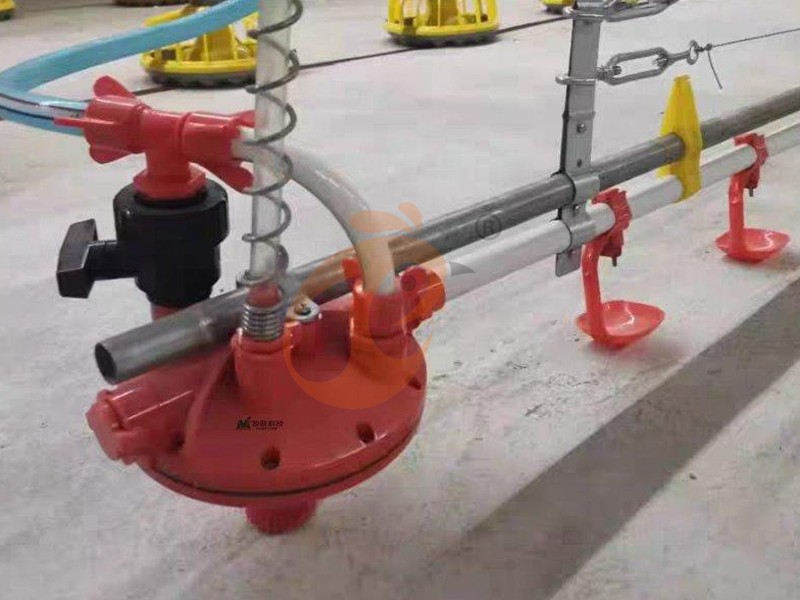
Automatic feeding systems distribute measured quantities of feed through storage silos, augers, and feeding pans.
Automatic drinking systems use pipelines, pressure regulators, filters, and nipple drinkers to provide consistent access to water.
These systems reduce repetitive labor and help maintain more uniform distribution throughout the house.
A practical starting point for broiler planning is a feed conversion ratio (FCR) of approximately 1.5–1.8 kilograms of feed per kilogram of live-weight gain under favorable commercial conditions.
Actual results vary with genetics, target market weight, temperature, health, feed formulation, and management.
For integrated equipment planning, farmers can review poultry feeding and drinking equipment to compare suitable system configurations.
Get professional poultry farm construction guidance, equipment selection solutions, and the latest price lists, what’sApp to +8618830120193
Water intake often rises substantially during hot weather.
Staff should monitor water meters and inspect lines daily because a sudden change in consumption may indicate heat stress, leakage, blockage, or illness.
Water quality should also be tested according to local veterinary recommendations, with filtration and treatment selected according to the source-water analysis.
Ventilation, Temperature, And Lighting Control
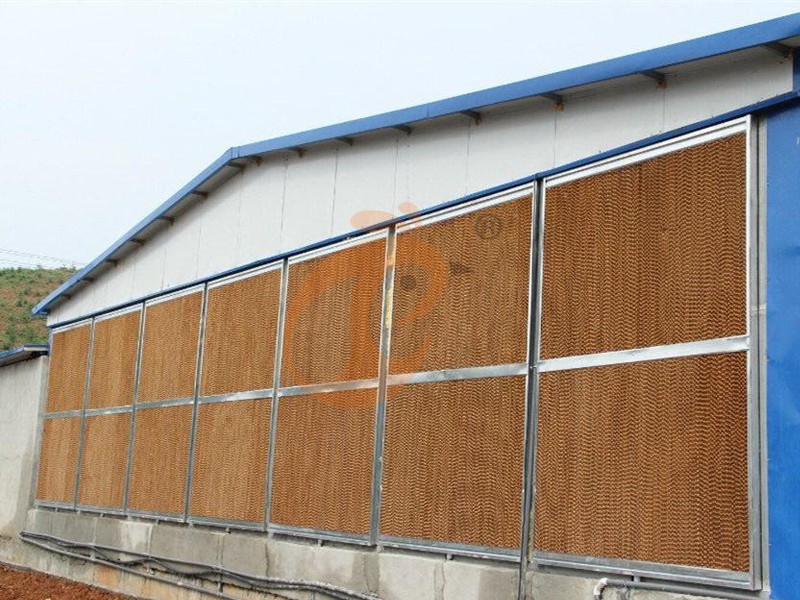
Environmental management keeps birds within their thermal comfort zone while controlling moisture, dust, and harmful gases.
Temperature sensors, humidity meters, ventilation fans, air inlets, cooling pads, and heating equipment work together through an environmental controller.
Relative humidity around 50–70% is a useful general management target, although appropriate settings depend on bird age, litter condition, ventilation design, and climate.
Poor ventilation can increase ammonia concentrations and wet litter, while excessive cold airflow can chill young chicks.
Lighting also requires careful adjustment.
Broiler programs typically change light duration and intensity as birds develop.
For laying hens, 14–16 hours of light per day is commonly used during production, subject to breed guidance and local welfare requirements.
These figures are starting points rather than universal settings.
Farmers should follow breed-specific management manuals and local regulations, using bird behavior and sensor readings to fine-tune the environment. Ventilation capacity should be calculated from bird numbers, body weight, heat production, moisture load, and the local climate rather than selected by fan quantity alone.
Daily Bird Health Monitoring And Biosecurity
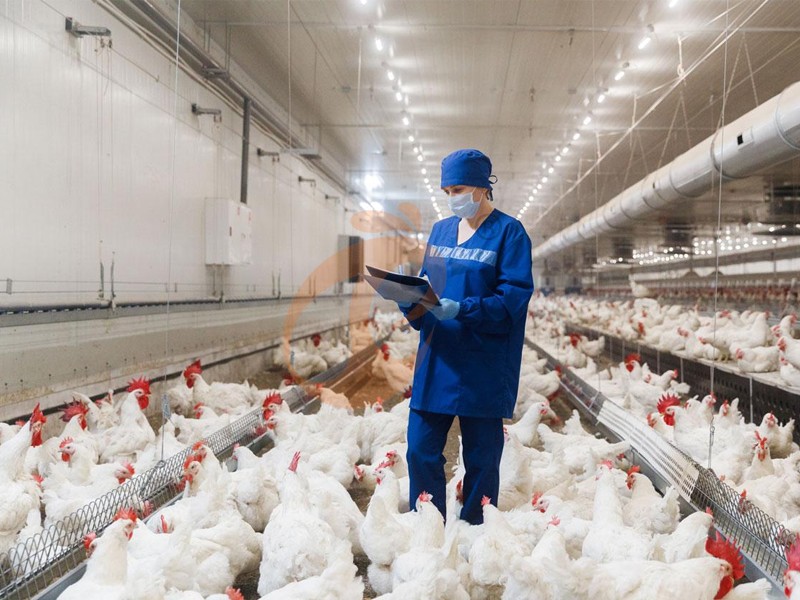
Daily inspections help identify disease, injuries, equipment failures, and changes in bird behavior before losses increase.
Staff should check activity, breathing, feed and water consumption, droppings, mortality, body-weight uniformity, and litter condition.
Biosecurity measures include controlled visitor access, dedicated footwear and clothing, hand hygiene, pest management, equipment cleaning, and appropriate separation between flocks.
New or returning birds should be managed according to veterinary and disease-control protocols.
A daily record should capture measurable indicators rather than relying on visual impressions alone.
Any unexpected mortality increase, respiratory distress, or sudden drop in feed or water intake warrants prompt investigation and veterinary advice.
Carcasses must be removed and disposed of using approved methods.
Farms should not start medication without appropriate professional guidance.
Accurate records also support commercial decision-making.
Comparing mortality, feed conversion, growth rate, and energy consumption across production cycles helps managers identify recurring problems and evaluate whether equipment upgrades deliver measurable improvements.
Egg Collection Or Broiler Harvesting
The final stage depends on the farm's production purpose.
Layer farms collect eggs throughout the day, while broiler farms prepare mature birds for transport to a processing facility.
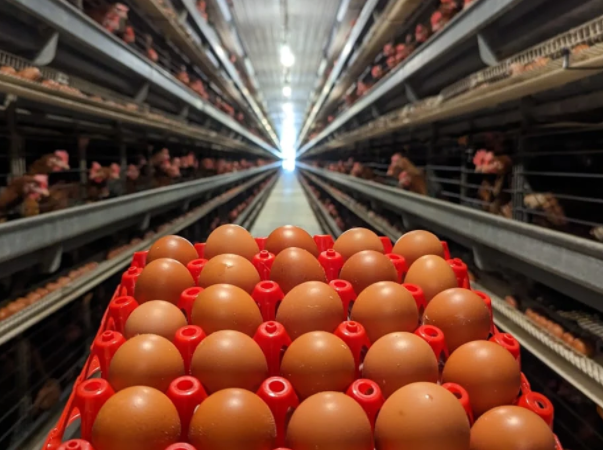
On layer farms, eggs move from nests or automated collection belts to inspection, grading, packing, and storage.
Frequent collection reduces breakage and contamination.
Eggs intended for food markets must be handled, stored, and transported according to applicable food-safety requirements.
Broiler harvesting involves coordinating the target market weight, catching crew, transport crates, vehicle schedules, and processing plant capacity.
Birds should be handled carefully to minimize injury and stress.
Transport conditions and maximum journey times depend on local regulations.
Explore commercial poultry farm equipment and turnkey system solutions for equipment planning from daily production through harvesting.
Understanding how a poultry farm works means managing every stage as one connected production system.
Reliable equipment, trained staff, accurate data, and preventive maintenance help farms improve productivity while protecting bird welfare and product quality.
Get professional poultry farm construction guidance, equipment selection solutions, and the latest price lists, what’sApp to +8618830120193
Frequently Asked Questions
1. How long does it take to raise broiler chickens?
Commercial broilers are often raised for approximately 5–8 weeks, depending on genetics, target market weight, nutrition, and production requirements.
2. What equipment does a modern poultry farm need?
Essential equipment includes feeders, drinkers, ventilation fans, heating or cooling systems, environmental controllers, lighting, and backup power; layer farms may also require automated egg collection and grading systems.
3. How does a poultry farm work efficiently while controlling costs?
A farm operates efficiently by monitoring feed conversion, water consumption, mortality, energy use, and labor productivity, then using these records to identify problems and improve management.
Taiyu (HK) Group - One Of China Toppest Poultry Equipment Manufacturer
Our poultry farm equipment integrates automatic feeding, nipple drinking, ventilation, and environmental monitoring, supporting 10,000–50,000 broilers per house with centralized control.
Global factory-direct supply combines galvanized steel structures, 275 g/m² coating options, and engineered spans of 12–18 meters for durable commercial poultry facilities.
Turn-key engineering covers layout design, equipment installation, commissioning, and operator training for projects handling 20,000–100,000 birds across multiple houses.
Climate-control packages integrate 6–10 exhaust fans, temperature sensors, and programmable controllers, improving airflow management in hot, humid, and cold production regions.
Customized poultry equipment solutions coordinate feed silos, auger conveyors, water filtration, and standby power, helping international farms standardize maintenance and operational performance.
Contact Us To Received Your Customized Poultry Farm Plan
Headquarters And Branchs

Hong Kong Headquarter Management Team
Hong Kong Headquarter Taiyu Industrial Group CO., LTD
China Hebei Best Machinery And Equipment CO., LTD
Nigeria Vanke Machinery And Equipment CO., LTD
Tanzania Best Machinery And Equipment CO., LTD
Ethiopia Best Hebei Machinery Manufacturing PLC




Reception /24 WhatsApp NO. : +8618830120193
PRODUCTS RECOMMENDED
 China Branch Manufacture Poultry Farm EquipmentRead More
 Ethiopia Branch Manufacture Poultry Farm EquipmentRead More
 Nigeria Branch Manufacture Poultry Farm EquipmentRead More
 Tanzania Branch Manufacture Poultry Farm EquipmentRead More
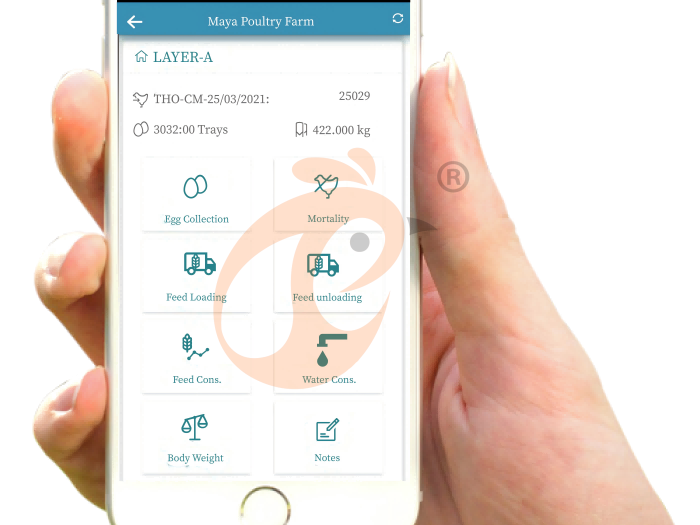
 IoT Smart Poultry FarmRead More
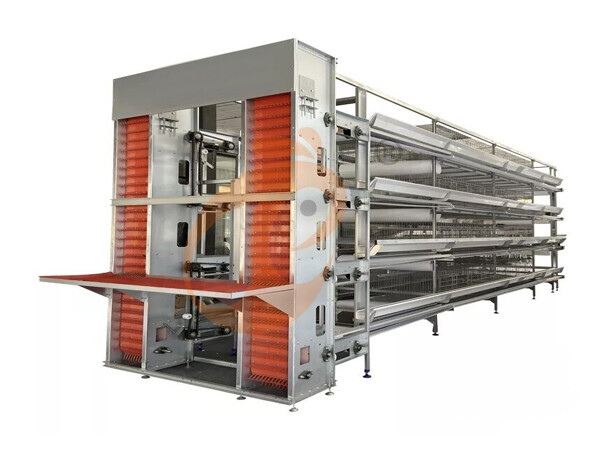
 >30,000 Layers Automatic H Type Battery CageRead More
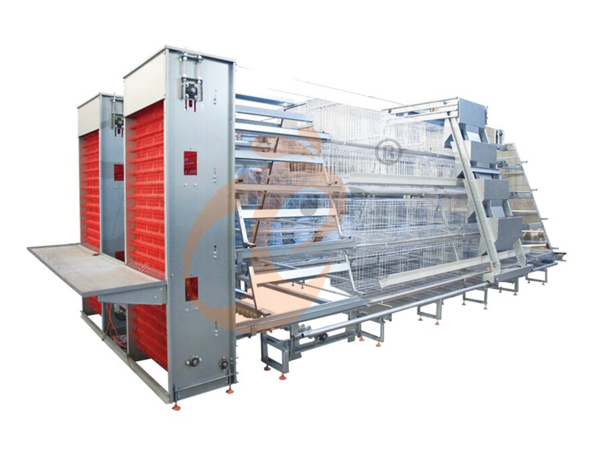
 10,000 - 30,000 Layers Automatic A Type Battery CageRead More
MESSAGE
NEWS
 50,000 - 100,000 chickens/house: poultry farm solution, chicken cage, poultry farm equipment, AI smart managementRead More
 30,000 - 50,000 chickens/house: poultry farm solution, chicken cage, poultry farm equipment, AI smart managementRead More
 10,000 - 30,000 chickens/house: poultry farm solution, chicken cage, poultry farm equipment, AI smart managementRead More
 100 - 10,000 chickens/house: poultry farm solution, chicken cage, poultry farm equipment, AI smart managementRead More