

NEWS
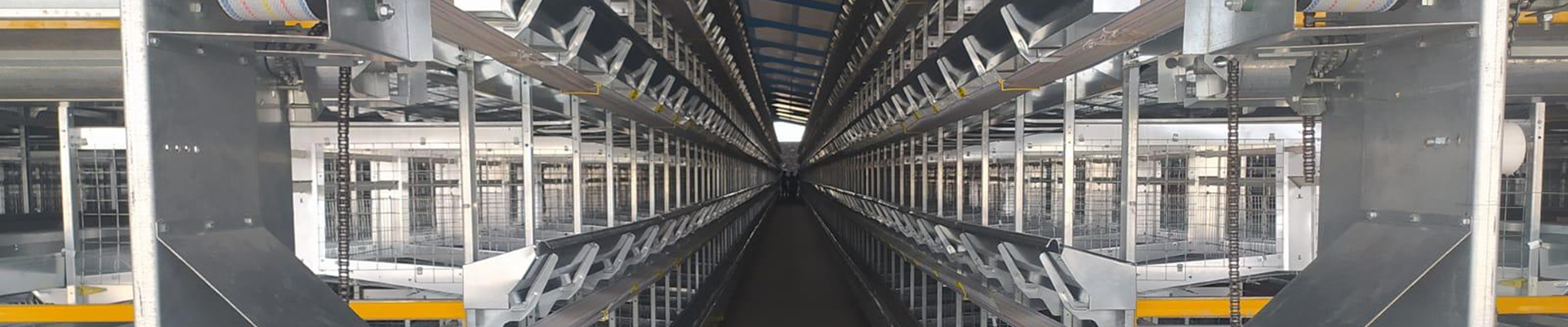
Battery cage for layers systems support 5 production stages, from a 2,000-hen pilot house to commercial farm expansion
Automatic poultry feeders organize feed distribution across 3 daily inspection periods
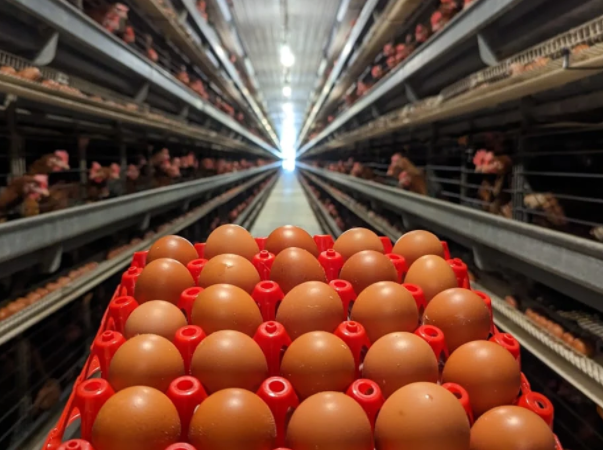
Automatic egg collection systems reduce manual handling during 8-hour production shifts
Poultry manure removal systems streamline waste transfer and routine maintenance
Integrated poultry equipment coordinates 4 essential systems for efficient farm management
Get professional poultry farm construction guidance, equipment selection solutions, and the latest price lists, whatsApp to +8618830120193, click to learn more.
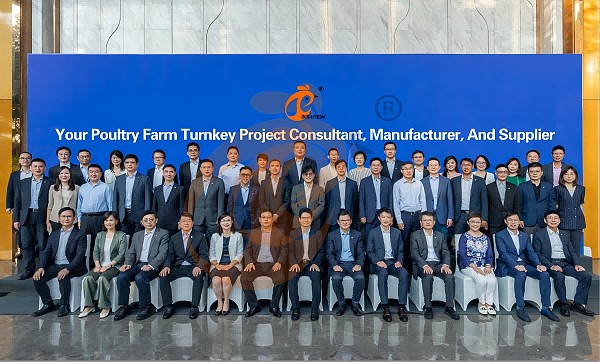
Step One: Evaluate Your Existing Farm
Assess building dimensions, ventilation, water supply, and electrical infrastructure before selecting battery cage for layers equipment.
Data is for reference only.Swipe horizontally to view full table.
Engineering Note: Verify building loads, climate, flock requirements, and local regulations before installation.
Step Two: Select the Right Battery Cage System
H-type battery cage for layers systems require suitable building clearance, service access, and compatible feeding and drinking equipment.
Data is for reference only.Swipe horizontally to view full table.
Purchasing Tip: Compare 3 cost categories: cages, automation equipment, and installation. Confirm specifications, spare parts, and technical support before ordering.
Step Three: Integrate Feeding and Drinking Equipment
Combine battery cage for layers systems with automatic poultry feeders, nipple drinkers, and suitable water filtration.
The process covers 4 stages: storage, conveying, distribution, and water delivery.
Equipment Integration Flow
Feed storage → feed conveying → automatic distribution → drinking-water delivery → monitoring
Feed storage match silo capacity to consumption
Feed conveying confirm auger compatibility
Feed distribution match feeders to cage layouts
Water delivery install suitable filters and pressure regulators
Monitoring check feed, water, and equipment operation
Schedule 2 water-quality checks per week, 3 inspection points per production line, and 1 maintenance procedure per major subsystem as preliminary management targets.
Step Four: Upgrade Manure Removal and Egg Collection
Automatic egg collection systems and manure removal equipment reduce manual transport and improve workflow organization.
Data is for reference only.Swipe horizontally to view full table.
Recommended Workflow
Cage rows → separate egg and manure routes → collection points → egg grading and manure processing
Check 3 transfer stages, 2 independent transport routes, and 1 accessible maintenance area per critical drive assembly.
Step Five: Install, Test, and Commission the System
Commission battery cage for layers equipment through staged assembly, electrical testing, and operator training.
Data is for reference only.Swipe horizontally to view full table.
Prepare 1 equipment inventory, 1 electrical diagram set, and 1 maintenance schedule for each project. Follow approved specifications during final acceptance.
Equipment Combination Recommendation
Choose battery cage for layers packages according to building conditions, flock capacity, and automation requirements.
Data is for reference only.Swipe horizontally to view full table.
Commercial Recommendation: Request 1 itemized equipment list, 1 delivery schedule, and 1 written after-sales service scope.
Engineering Checklist: Plan Beyond the Cage
A successful battery cage for layers installation requires coordination across 4 engineering areas structural suitability, ventilation, electrical safety, and maintenance access.
Building suitability verify load-bearing capacity
Environmental management coordinate fans and air inlets
Electrical safety install grounding and circuit protection
Maintenance access provide access to motors and belts
Regulatory compliance confirm local housing requirements
Prepare 2-dimensional layout drawings, optional 3-dimensional plans, and 1 project-specific installation specification.
Practical Tip Card: Control Upgrade Costs
Tip 1 — Prioritize equipment compare 3 investment categories: housing, automation, and infrastructure.
Tip 2 — Check compatibility verify 4 interfaces: mechanical, electrical, water, and conveyor connections.
Tip 3 — Plan spare parts establish 1 inventory, 1 reorder procedure, and 1 maintenance contact.
Tip 4 — Evaluate costs track 3 expenses: electricity, labor, and replacement parts.
Tip 5 — Request documents obtain 1 installation manual, 1 parts list, and 1 specification set.
These steps help buyers reduce procurement risks and maintain battery cage for layers equipment.
Measure Performance After the Upgrade
Evaluate battery cage for layers performance using production records and equipment operating data.
Data is for reference only.Swipe horizontally to view full table.
Establish 1 baseline period, 1 recording method, and 1 monthly review.
Results depend on flock health, nutrition, housing, and management.
Frequently Asked Questions
Q1: What equipment is needed for a battery cage for layers system?
A1: A typical system combines cages, automatic feeders, nipple drinkers, manure belts, and egg collection equipment.
Confirm the configuration against flock capacity and local regulations.
Q2: How do automatic egg collection systems improve farm operations?
A2: Selected systems may handle 20,000–40,000 eggs per hour, depending on configuration.
Correct alignment and transfer heights help reduce egg damage.
Q3: How can farmers estimate poultry equipment upgrade costs?
A3: Compare 3 categories housing, automation, and installation.
Request itemized quotations covering equipment, shipping, spare parts, and technical support.
European union standard reference only; confirm requirements for the destination market.
Taiyu (HK) Group - One Of China Largest Battery Cage Manufacturer
Battery cage for layers systems support 3, 4, 5, 8, 12, or 16 tiers, depending on the supplied H-type model and local regulations
Global factory-direct poultry equipment supply coordinates 4 equipment groups cages, feeding, drinking, and handling systems
Turn-key engineering services cover 2-dimensional layouts, installation planning, and commissioning documentation
Technical specifications include motor ratings, conveyor dimensions, and electrical protection, with 100% of supplied components checked against the approved packing list
International project support coordinates spare parts, operator training, and delivery across 2 installation phases, subject to contract scope
Contact Us To Received Your Customized Poultry Farm Plan
Headquarters And Branchs

Hong Kong Headquarter Management Team
Hong Kong Headquarter Taiyu Industrial Group CO., LTD
China Hebei Best Machinery And Equipment CO., LTD
Nigeria Vanke Machinery And Equipment CO., LTD
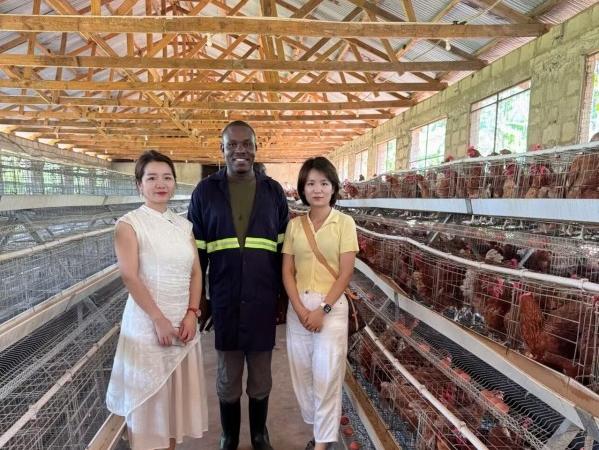
Tanzania Best Machinery And Equipment CO., LTD
Ethiopia Best Hebei Machinery Manufacturing PLC




Reception /24 WhatsApp NO. : +8618830120193
PRODUCTS RECOMMENDED
 China Branch Manufacture Poultry Farm EquipmentRead More
 Ethiopia Branch Manufacture Poultry Farm EquipmentRead More
 Nigeria Branch Manufacture Poultry Farm EquipmentRead More
 Tanzania Branch Manufacture Poultry Farm EquipmentRead More
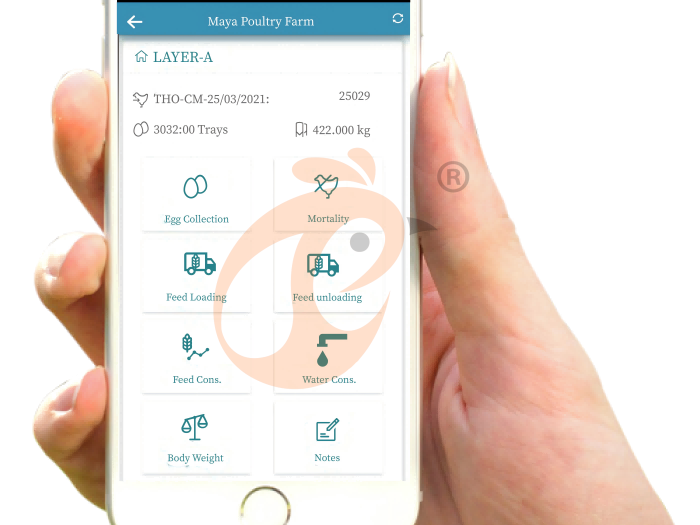
 IoT Smart Poultry FarmRead More
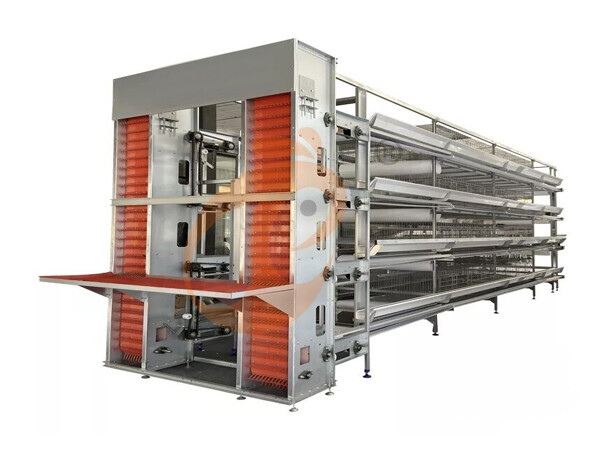
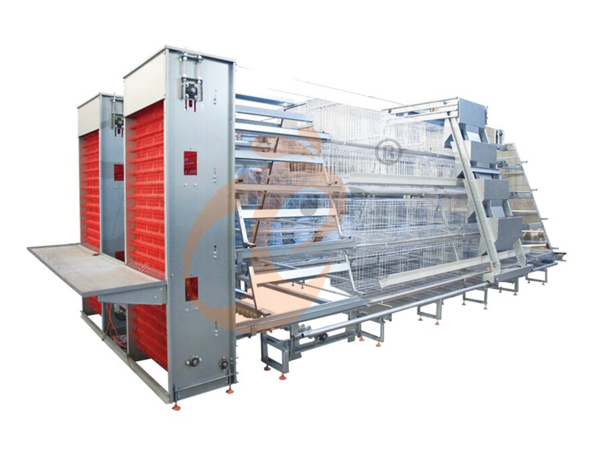
 >30,000 Layers Automatic H Type Battery CageRead More
 10,000 - 30,000 Layers Automatic A Type Battery CageRead More
MESSAGE
NEWS
 50,000 - 100,000 chickens/house: poultry farm solution, chicken cage, poultry farm equipment, AI smart managementRead More
 30,000 - 50,000 chickens/house: poultry farm solution, chicken cage, poultry farm equipment, AI smart managementRead More
 10,000 - 30,000 chickens/house: poultry farm solution, chicken cage, poultry farm equipment, AI smart managementRead More
 100 - 10,000 chickens/house: poultry farm solution, chicken cage, poultry farm equipment, AI smart managementRead More