

NEWS
- Nipple drinkers modernize poultry water delivery through cleaner control, practical retrofits, and dependable daily operation across commercial houses with 24-hour water demand.
Existing pipelines can often support poultry nipple drinkers, reducing renovation scope while preserving sound infrastructure across houses measuring 80–150 m in length.
Correct automatic chicken drinkers depend on pressure management, filtration, spacing, suspension, flushing, and bird-stage requirements rather than nipple selection alone.
Professional nipple drinkers combine stainless-steel construction, controlled activation, modular fittings, and serviceable components for practical poultry equipment modernization.
- A five-step engineering process connects inspection, selection, preparation, installation, and commissioning into a measurable upgrade strategy for commercial poultry production.
Get professional poultry farm construction guidance, equipment selection solutions, and the latest price lists, whatsApp to +8618830120193, click to learn more.
Select The Correct Nipple Drinkers
The nipple drinkers selection should match production stage, drinking behavior, activation mechanism, and required water delivery rather than relying on one universal configuration.
Broilers, layers, breeders, and chicks have different requirements, while 304 stainless-steel bodies can support repeated exposure to water and routine cleaning procedures.
Data is for reference only.Swipe horizontally to view full table.
The automatic chicken drinkers configuration should also reflect actual bird demand, because a 1,000-bird section requires a different hydraulic arrangement from a 20,000-bird layer house.
Prepare The Existing Water Line
Drain the old pipeline completely before modifying the nipple drinkers system, then remove sediment, organic deposits, and mineral accumulation from internal surfaces.
For a 120 m pipeline, sectional flushing helps maintain effective discharge while preventing debris from remaining inside newly installed poultry nipple drinkers.
Inspect every connection before installation, especially thread damage, distorted pipe ends, brittle plastic, and corroded fittings that may become leakage points after pressurization.
Data is for reference only.Swipe horizontally to view full table.
When suitable infrastructure remains structurally sound, retaining approximately 80% of the original pipeline can reduce unnecessary replacement work during nipple drinkers retrofits.
Install And Position The Nipple Line
Install nipple drinkers according to house geometry, bird access, and production stage, maintaining a mechanically stable line throughout operation.
A suspension cable around 2.5 mm in diameter provides a practical structural element for commercial poultry nipple drinkers installations carrying substantial water-filled pipeline loads.
Bird access should remain natural without excessive stretching or crouching, while line alignment should be verified during actual production rather than assumed from drawings.
Data is for reference only.Swipe horizontally to view full table.
The automatic chicken drinkers line height should be adjusted during production, because a 7-day chick flock and a 35-day broiler flock require different physical access positions.
Install Pressure Control And Filtration
Nipple drinkers require controlled water delivery, because unstable hydraulic conditions can produce irregular activation, unnecessary discharge, or inadequate delivery.
Filtration should be installed upstream to protect the internal mechanism, with a 120-mesh element suitable for removing fine suspended particles in many poultry drinking applications.
Data is for reference only.Swipe horizontally to view full table.
For long poultry nipple drinkers lines, accessible pressure-monitoring points simplify hydraulic diagnosis and maintenance without dismantling the complete drinking assembly.
Commission Every Drinking Section
Commissioning nipple drinkers requires testing representative points rather than judging performance from the first few drinkers alone.
Inspect the beginning, middle, and end of every line, then record leakage, pressure behavior, activation response, and corrective actions for future reference.
A commissioning record retained for 12 months can establish a useful maintenance history for poultry nipple drinkers across multiple production cycles.
Data is for reference only.Swipe horizontally to view full table.
The commissioning baseline allows nipple drinkers performance to be evaluated against documented installation conditions instead of visual judgment alone.
Match The System To Farm Capacity
Calculate nipple drinkers quantity from bird population, production type, house dimensions, drinking behavior, and hydraulic design rather than copying old drinker locations.
A 30,000-bird broiler house can require a substantially different arrangement from a 10,000-bird breeder house even when building dimensions appear similar.
Data is for reference only.Swipe horizontally to view full table.
The listed automatic chicken drinkers quantities serve as planning examples, while final calculations should use actual bird numbers, house geometry, source capacity, and selected equipment specifications.
Compare The Old And Upgraded System
The nipple drinkers upgrade changes water delivery from exposed containers to controlled mechanical outlets, creating a more standardized drinking architecture.
Open drinkers expose water surfaces to the poultry-house environment, whereas poultry nipple drinkers isolate the outlet through a controlled activation mechanism.
Converting 24 open drinking points into centralized lines can also simplify physical organization and reduce separate containers requiring manual handling.
Data is for reference only.Swipe horizontally to view full table.
Actual nipple drinkers performance depends on bird behavior, installation accuracy, water conditions, and complete-system configuration rather than one isolated component.
Build A Complete Equipment Package
A complete nipple drinkers package should integrate inlet treatment, filtration, pressure control, distribution piping, drinkers, suspension, flushing, and measurement components.
Standardized components simplify spare-parts management, while using one m10 nipple specification across several houses can reduce inventory complexity.
Data is for reference only.Swipe horizontally to view full table.
For poultry nipple drinkers projects, coordinated equipment packages simplify procurement, installation interfaces, replacement planning, and technical communication across commercial farm sites.
Select A Supplier For Long-Term Operation
A nipple drinkers supplier should provide more than individual components, because long-term system performance depends on dimensional consistency, materials, documentation, and replacement support.
Technical drawings, product specifications, installation guidance, and spare-part planning are particularly valuable for overseas automatic chicken drinkers projects involving multiple installation teams.
Data is for reference only.Swipe horizontally to view full table.
For international poultry nipple drinkers procurement, standardized packaging and technical documentation can reduce installation errors across different project teams and regional markets.
Turn An Old Water Line Into A Modern Drinking System
A successful nipple drinkers retrofit follows five stages: inspect the existing system, select suitable equipment, prepare the pipeline, install the complete package, and commission the finished system.
The central engineering principle is to treat poultry nipple drinkers as part of a hydraulic and mechanical system involving filtration, pressure control, flushing, suspension, and bird access.
Aging infrastructure can therefore become a foundation for modern automatic chicken drinkers instead of requiring complete water-system replacement.
For poultry farms, integrators, and equipment distributors, coordinated equipment selection can support cleaner water delivery, simplified maintenance, and standardized house management.
Where project pricing or international procurement documentation includes currency values, European union standard reference only should be applied for comparative specification review.
Frequently Asked Questions
Q1: Can old water pipes be reused with nipple drinkers?
A1: Yes, structurally sound pipes can often remain in service after cleaning and compatibility checks, provided connections and hydraulic conditions meet the new nipple drinkers system requirements.
Q2: How should nipple drinkers be selected for different poultry houses?
A2: Selection should consider bird type, age, water demand, pipeline configuration, and operating conditions, with poultry nipple drinkers matched to the production system rather than selected solely by price.
Q3: Does a nipple-drinker retrofit require replacing the complete water system?
A3: Not necessarily, because suitable existing infrastructure can remain while pressure control, filtration, nipples, flushing components, or damaged pipe sections are upgraded within the automatic chicken drinkers system.
Taiyu (HK) Group - One Of China Toppest Nipple Drinkers Manufacturer
Nipple drinkers integrate stainless-steel valve construction, controlled activation, and modular pipeline compatibility, supporting commercial poultry systems with m10 × 1.0 connections and 304 stainless-steel bodies
Global factory-direct supply coordinates nipple drinkers, water lines, regulators, filters, flushing assemblies, suspension systems, technical drawings, and standardized spare parts for international poultry projects
Poultry equipment production supports integrated project procurement, combining drinking systems with broader house equipment through coordinated specifications, production control, packaging, and export documentation
Turn-key engineering connects project design, equipment configuration, manufacturing, installation guidance, commissioning procedures, and after-sales technical support for complete poultry-house development programs
International project capability supports distributors, integrators, and commercial farms requiring scalable poultry equipment packages, engineering coordination, oem manufacturing, and long-term component supply
Contact Us To Received Your Customized Poultry Farm Plan
Headquarters And Branchs

Hong Kong Headquarter Management Team
Hong Kong Headquarter Taiyu Industrial Group CO., LTD
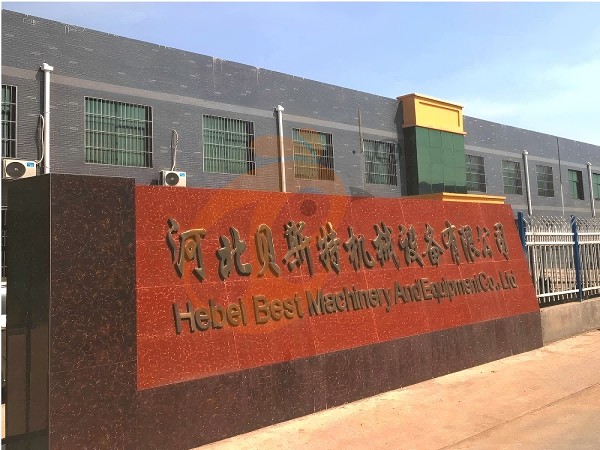
China Hebei Best Machinery And Equipment CO., LTD
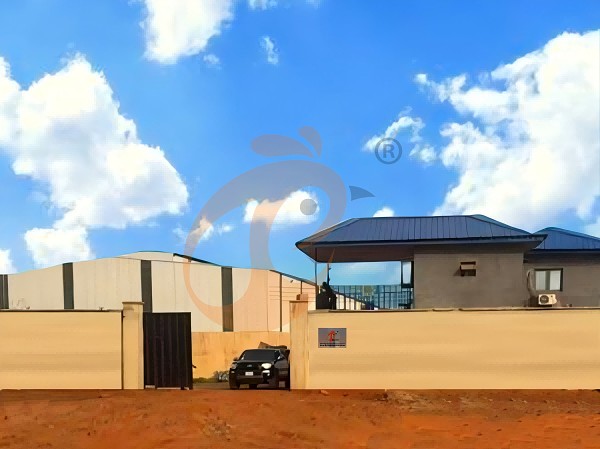
Nigeria Vanke Machinery And Equipment CO., LTD
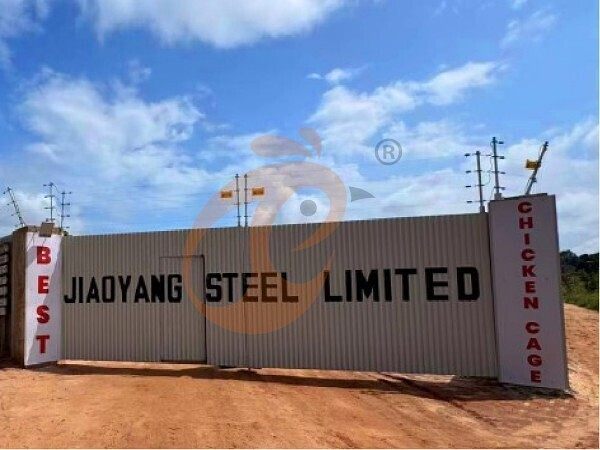
Tanzania Best Machinery And Equipment CO., LTD
Ethiopia Best Hebei Machinery Manufacturing PLC

Reception /24 WhatsApp NO. : +8618830120193
PRODUCTS RECOMMENDED
 China Branch Manufacture Poultry Farm EquipmentRead More
 Ethiopia Branch Manufacture Poultry Farm EquipmentRead More
 Nigeria Branch Manufacture Poultry Farm EquipmentRead More
 Tanzania Branch Manufacture Poultry Farm EquipmentRead More
 IoT Smart Poultry FarmRead More
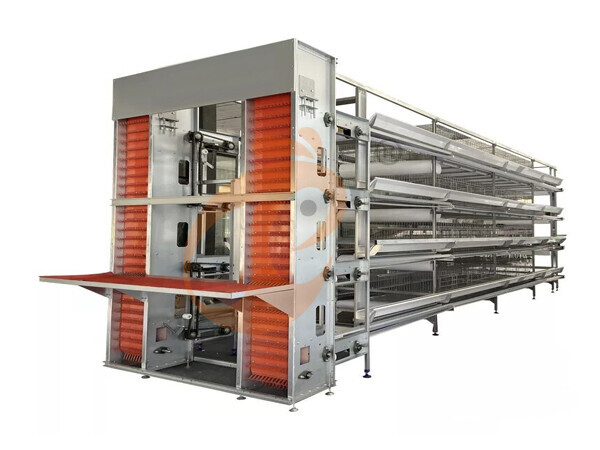
 >30,000 Layers Automatic H Type Battery CageRead More
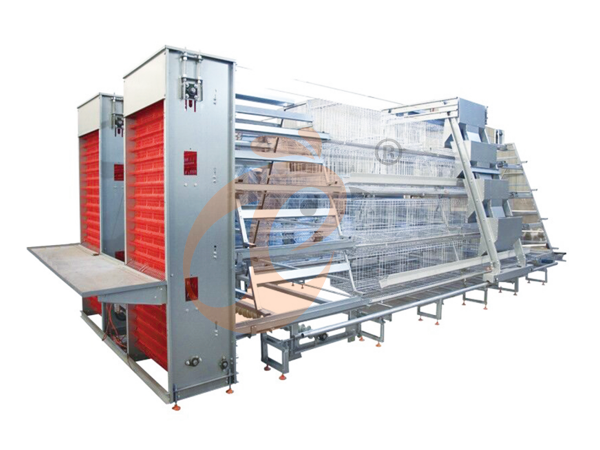
 10,000 - 30,000 Layers Automatic A Type Battery CageRead More
MESSAGE
NEWS
 50,000 - 100,000 chickens/house: poultry farm solution, chicken cage, poultry farm equipment, AI smart managementRead More
 30,000 - 50,000 chickens/house: poultry farm solution, chicken cage, poultry farm equipment, AI smart managementRead More
 10,000 - 30,000 chickens/house: poultry farm solution, chicken cage, poultry farm equipment, AI smart managementRead More
 100 - 10,000 chickens/house: poultry farm solution, chicken cage, poultry farm equipment, AI smart managementRead More