

NEWS
Broiler chicken cages can combine intensive housing with measurable production efficiency, using 2.2 kg market weight and 10 kg/m² loading targets.
Automatic broiler cage system planning connects cage structure, feeding, drinking, ventilation, and manure handling through coordinated engineering specifications.
Poultry cage system selection also affects labor requirements, building utilization, maintenance planning, and long-term equipment investment across commercial projects.
Proper equipment matching supports stable operation, with 0.20 mpa water pressure and 42,000 m³/h airflow serving practical engineering references.
- Commercial buyers gain stronger project control when equipment capacity, house layout, automation, and expansion requirements are calculated before installation.
Get professional poultry farm construction guidance, equipment selection solutions, and the latest price lists, whatsApp to +8618830120193, click to learn more:
Start With The Production Numbers
Choosing broiler chicken cages should begin with measurable production requirements rather than a simple preference for more or fewer birds.
A commercial cage house may use 2.0–2.4 m² cage modules and galvanized structural components with a minimum 275 g/m² zinc coating, providing a practical foundation for long-term intensive production.
The real performance comparison involves cage dimensions, bird loading, feeding capacity, ventilation volume, water delivery, manure handling, and automation.
When these specifications are engineered together, an automatic broiler cage system can turn the same building footprint into a more productive and manageable broiler facility.
Cage Specification Comparison
Data is for reference only.Swipe horizontally to view full table.
Broiler chicken cages require construction specifications that directly influence equipment durability and maintenance frequency.
A 3.0 mm welded-wire floor can provide a stronger loading structure, while 50 × 50 mm support posts help stabilize multi-tier assemblies during continuous operation.
Stocking Capacity Must Be Calculated
Data is for reference only.Swipe horizontally to view full table.
Automatic broiler cage system capacity should also account for bird weight rather than relying only on bird numbers.
A 2.2 kg target market weight creates a substantially different equipment requirement from a 1.8 kg finishing weight, even when the number of birds remains unchanged.
A professional equipment supplier should calculate the complete house layout before manufacturing, including cage rows, service aisles, feed lines, drinking lines, ventilation positions, and manure discharge points.
Feeding System: Where Precision Creates Efficiency
Data is for reference only.Swipe horizontally to view full table.
An automatic broiler cage system should be sized according to house length and flock requirements.
A 500 kg feed hopper can reduce the frequency of manual refilling, while a 1.1 kw drive motor can provide practical power for continuous feed-line operation.
Uniform feed delivery also depends on equipment alignment.
Keeping the feed line within approximately ±5 mm installation tolerance helps maintain consistent feed distribution along the cage row.
Water Delivery: Measure Every Drinking Point
Data is for reference only.Swipe horizontally to view full table.
Water-system reliability becomes increasingly important for broiler chicken cages as flock size increases.
A 100 ml/min nipple flow rate can provide controlled water delivery, while an 80-mesh inline filter helps protect nipple valves from suspended particles.
Pressure should be regulated according to the installed nipple specification rather than simply increasing pump output.
A correctly balanced 0.20 mpa working pressure can help maintain predictable water availability throughout the drinking line.
Myth Vs Reality: Density Alone Does Not Determine Results
MYTH: Adding another cage tier automatically increases profitability.
REALITY: A 4-tier installation only delivers its full production potential when ventilation, feed distribution, water supply, and manure handling are upgraded accordingly.
MYTH: More birds automatically mean more efficient labor.
REALITY: Labor savings depend on automation.
An automatic broiler cage system capable of operating for 20–24 hours per day with programmed intervals can eliminate many repetitive manual feeding and cleaning tasks.
The better purchasing decision is therefore based on measurable equipment compatibility.
A complete supplier should provide engineering drawings, equipment-load calculations, electrical requirements, and installation guidance instead of selling cage components as isolated products.
Climate Control: Calculate Air Before Adding Birds
Data is for reference only.Swipe horizontally to view full table.
Poultry cage system projects generate substantial heat and moisture, making ventilation equipment a critical part of cage-system performance.
A 42,000 m³/h exhaust fan can provide substantial air-moving capacity for tunnel ventilation applications.
Environmental automation can further improve response speed.
A controller with ±0.5°c temperature measurement accuracy can adjust ventilation equipment more precisely than manual switching, particularly during rapid changes in outdoor conditions.
Manure Removal: Convert Cleaning Into Automation
Data is for reference only.Swipe horizontally to view full table.
Manure handling becomes a significant operational task in intensive broiler chicken cages.
A 1.2 mm reinforced pp manure belt provides a practical balance between flexibility and tensile strength for automated removal.
A 2.2 kw belt-drive motor can support longer discharge systems, while automated removal at 48-hour intervals can reduce the time manure remains beneath the cages and simplify daily house maintenance.
Scenario Test: Two Houses, Two Investment Strategies
Consider a 12 m × 80 m poultry house.
The first project installs a simpler poultry cage system with conventional manual support equipment.
The second uses multi-tier cages combined with automatic feeding, centralized drinking, mechanical manure removal, and computerized climate control.
The second project requires a larger initial equipment budget, but its automation architecture can reduce routine operator intervention to approximately 2–4 scheduled inspection rounds per day instead of continuous manual operation.
The deciding factor is not simply the purchase price.
A commercial producer should compare equipment cost against production cycles, labor requirements, energy consumption, maintenance costs, and expected service life.
A 10-year equipment depreciation period can provide a useful framework for comparing long-term investment returns.
Overall Technical Performance
Data is for reference only.Swipe horizontally to view full table.
The second configuration demonstrates how automatic broiler cage system specifications must rise together rather than individually.
A 36 m/min feed-line speed is more useful when matched with adequate feed storage, while a 44,000 m³/h fan delivers greater value when the air-inlet layout and environmental controller are engineered for the same house.
An integrated approach is one of the major advantages of purchasing a complete poultry cage system solution from an experienced manufacturer.
Purchasing Checklist For Commercial Farms
Data is for reference only.Swipe horizontally to view full table.
Before placing an equipment order, buyers should request a complete technical proposal for broiler chicken cages.
The proposal should include cage drawings, house layout, electrical load, water-line arrangement, ventilation calculations, spare-parts recommendations, and installation instructions.
For export projects, equipment suppliers should also confirm local electrical standards.
A system designed for 380 v, 50 hz, three-phase power may require different components when installed in markets using another electrical configuration.
Which Performs Better? The System With Better Engineering
Data is for reference only.Swipe horizontally to view full table.
So, which performs better?
The answer is not determined by the words high density or low density.
Performance comes from whether broiler chicken cages, feeding equipment, drinking systems, ventilation, manure removal, and environmental controllers are correctly matched to the intended production model.
For commercial broiler producers, a professionally engineered automatic broiler cage system can maximize building utilization while reducing repetitive labor and improving operational consistency.
Strong galvanized cages, automated feeding, precision nipple drinking, high-capacity ventilation, mechanical manure removal, and intelligent climate control create a complete production platform rather than a collection of individual machines.
Frequently Asked Questions
Q1: Can broiler chicken cages support intensive commercial production?
A1: Yes.
Properly engineered broiler chicken cages can support multi-tier commercial housing when structural loading, ventilation, feeding, drinking, and manure systems are calculated together.
A practical design may use 3–4 tiers with automated supporting equipment.
Q2: What equipment should accompany an automatic broiler cage system?
A2: A complete system normally includes automatic feeding, nipple drinking, ventilation, manure removal, lighting, and environmental control equipment.
A 500–1,000 l water tank can provide centralized water storage for appropriately sized installations.
Q3: How should buyers compare different poultry cage system suppliers?
A3: Compare cage materials, engineering drawings, automation specifications, electrical requirements, installation support, spare-parts planning, and complete-house integration rather than comparing cage prices alone.
A 10–15 year service planning period provides a useful basis for evaluating long-term equipment value.
Taiyu (HK) Group - One Of China Largest Broiler Chicken Cages Manufacturer
Broiler chicken cages use engineered galvanized structures, with 3.0 mm wire and 450–500 mm tier height supporting commercial project specifications.
Global factory-direct poultry equipment supply integrates cage systems, automatic feeding, nipple drinking, ventilation, manure handling, and environmental control under coordinated technical documentation.
Turn-key engineering covers house layout, equipment selection, production-line configuration, electrical planning, installation guidance, commissioning, and project-specific technical support.
International poultry equipment projects can be configured around local power standards, house dimensions, climate conditions, target capacity, and operational requirements.
Factory manufacturing enables direct technical communication, equipment customization, quality control, spare-parts coordination, and project delivery from one engineering source.
Contact Us To Received Your Customized Poultry Farm Plan
Headquarters And Branchs

Hong Kong Headquarter Management Team
Hong Kong Headquarter Taiyu Industrial Group CO., LTD
China Hebei Best Machinery And Equipment CO., LTD
Nigeria Vanke Machinery And Equipment CO., LTD
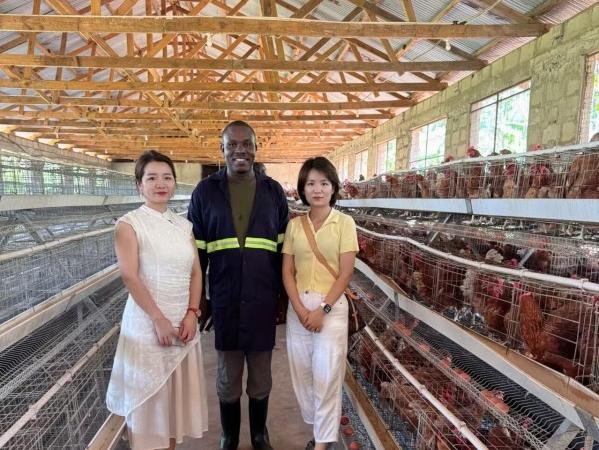
Tanzania Best Machinery And Equipment CO., LTD
Ethiopia Best Hebei Machinery Manufacturing PLC




Reception /24 WhatsApp NO. : +8618830120193
PRODUCTS RECOMMENDED
 China Branch Manufacture Poultry Farm EquipmentRead More
 Ethiopia Branch Manufacture Poultry Farm EquipmentRead More
 Nigeria Branch Manufacture Poultry Farm EquipmentRead More
 Tanzania Branch Manufacture Poultry Farm EquipmentRead More
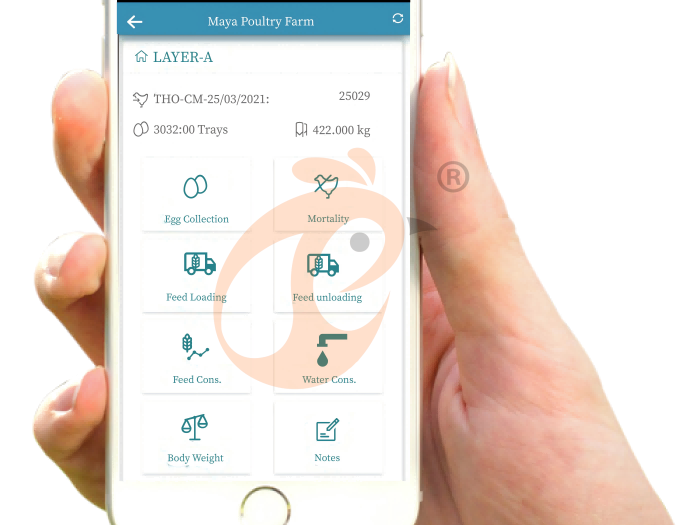
 IoT Smart Poultry FarmRead More
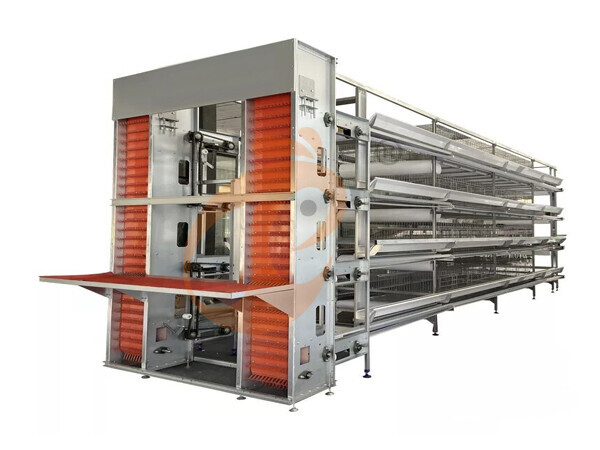
 >30,000 Layers Automatic H Type Battery CageRead More
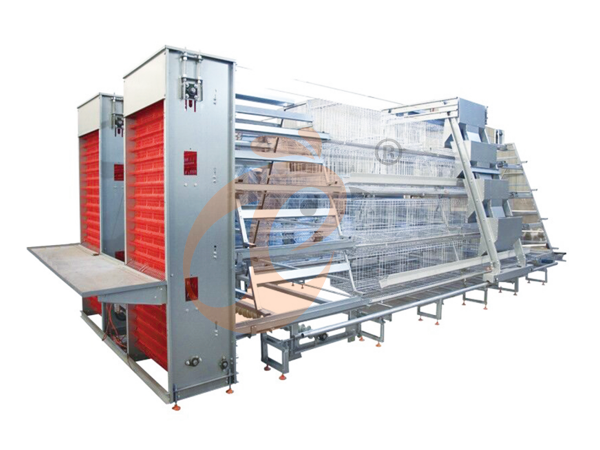
 10,000 - 30,000 Layers Automatic A Type Battery CageRead More
MESSAGE
NEWS
 50,000 - 100,000 chickens/house: poultry farm solution, chicken cage, poultry farm equipment, AI smart managementRead More
 30,000 - 50,000 chickens/house: poultry farm solution, chicken cage, poultry farm equipment, AI smart managementRead More
 10,000 - 30,000 chickens/house: poultry farm solution, chicken cage, poultry farm equipment, AI smart managementRead More
 100 - 10,000 chickens/house: poultry farm solution, chicken cage, poultry farm equipment, AI smart managementRead More