

NEWS
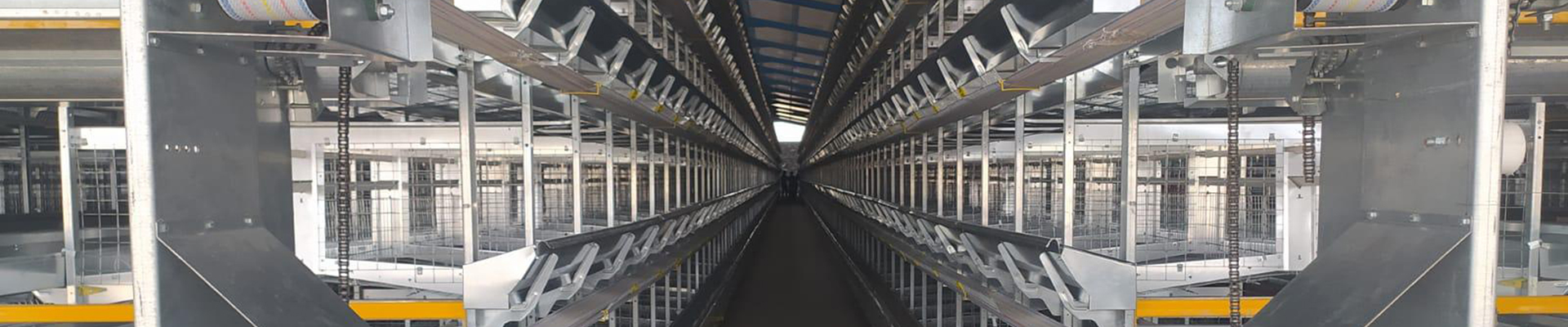
Layer battery cage performance determines housing value, combining corrosion resistance, stability, and automation for layer production.
Hot-dip galvanized layer battery cage selection depends on construction, zinc protection, geometry, and installation accuracy, with 18–24°c temperatures supporting reliability.
Automatic layer cage system integration connects feeding, drinking, manure handling, egg collection, and ventilation across houses supporting 10,000–100,000 layers.
Poultry battery cage equipment economics extend beyond purchase price, balancing maintenance, replacement planning, labor demand, and continuity across a 10–20-year lifecycle.
Battery cage solutions create value through engineered equipment, customization, factory manufacturing, installation coordination, and farm planning.
Get professional poultry farm construction guidance, equipment selection solutions, and the latest price lists, whatsApp to +8618830120193, click to learn more:
Start With The Operating Environment, Not The Price
A layer battery cage works inside a production environment where manure, moisture, ammonia, and cleaning chemicals continuously challenge steel components.
For a commercial house, cage loading can reach 8–12 birds per compartment, while daily lighting programs commonly operate around 16 hours.
That makes surface treatment a production decision rather than a cosmetic specification.
Data is for reference only.Swipe horizontally to view full table.
What Actually Happens When The Cage Is Scratched?
Steel surface → mechanical damage → moisture exposure → corrosion risk → maintenance response.
When paint is deeply damaged, exposed steel becomes a corrosion starting point.
Zinc behaves differently by providing sacrificial electrochemical protection around exposed steel.
A cage row can exceed 50 m in length, while routine equipment adjustment may occur 2–4 times per production cycle, making surface resilience commercially relevant.
Data is for reference only.Swipe horizontally to view full table.
The Lifecycle Cost Test
Purchase price → maintenance → downtime → replacement → production continuity.
That sequence provides a more practical investment calculation for a layer farm.
For example, a 10,000-bird project operating at approximately 95% occupied capacity places continuous demand on cage rows, feeding equipment, drinking lines, and manure handling.
A galvanized system can reduce coating-related maintenance because routine handling normally does not require complete cage repainting.
European union standard reference only.
Data is for reference only.Swipe horizontally to view full table.
Do Not Judge The Cage By Galvanizing Alone
Steel grade → wire geometry → welding → coating → installation → automation.
A professional poultry equipment manufacturer controls the complete manufacturing chain rather than adding a protective finish to an ordinary steel cage.
For a cage designed around 450–550 mm usable depth, dimensional consistency affects bird positioning, egg movement, cleaning access, and equipment installation.
For larger projects, cage alignment should remain within approximately ±3 mm across connected sections.
Data is for reference only.Swipe horizontally to view full table.
Why Galvanized Protection Fits Intensive Layer Production
Feeding → drinking → laying → egg collection → manure removal → washing → disinfection.
A modern layer house may operate with 2–6 daily feeding distribution cycles, while egg collection can occur 4–8 times daily depending on farm scheduling.
Hot-dip galvanized layer battery cage construction supports repeated operational contact while automatic layer cage system components coordinate routine production tasks.
The commercial objective is straightforward fewer equipment interruptions and more predictable production management.
Data is for reference only.Swipe horizontally to view full table.
Galvanized Cage Specification Checklist
Data is for reference only.Swipe horizontally to view full table.
Painted Cage Specification Checklist
Data is for reference only.Swipe horizontally to view full table.
The Ammonia Challenge: Design Around The House Environment
Environment first: control manure, moisture, temperature, airflow, and gas concentration together.
A properly managed layer house should target approximately ≤10 ppm ammonia at bird level, while ventilation performance changes with seasonal temperature loads.
Relative humidity around 50–70% can support practical environmental management when ventilation, drinking systems, and manure handling operate correctly.
Poultry battery cage equipment should therefore be specified together with manure removal and ventilation rather than purchased as an isolated cage product.
Data is for reference only.Swipe horizontally to view full table.
Compare The Farm Investment Over 10 Years
Evaluation sequence: initial equipment → operation → maintenance → replacement exposure → production continuity.
A 10-year evaluation becomes more meaningful when project capacity exceeds 30,000 layers, because repeated maintenance tasks multiply across long cage rows.
Hot-dip galvanized layer battery cage systems can be evaluated as fixed production infrastructure rather than short-cycle consumable equipment.
Data is for reference only.Swipe horizontally to view full table.
Where A Professional Manufacturer Adds Value
Project brief → house layout → equipment calculation → production → installation → commissioning.
For a 50,000-bird layer project, cage rows, feed lines, drinking lines, manure belts, ventilation, and control systems must be coordinated before installation.
A standardized project can require approximately 10–20 working days for installation, depending on building dimensions, automation level, and site preparation.
Professional engineering also allows cage configurations to match available house width, service corridors, and future expansion requirements.
Data is for reference only.Swipe horizontally to view full table.
Build The Layer House As One Production System
Housing + feeding + drinking + manure + eggs + ventilation + controls = one coordinated production line.
Automatic layer cage system planning becomes more effective when each subsystem is calculated from flock size rather than selected independently.
For a 100,000-layer installation, equipment distribution must account for line lengths, service access, electrical loads, water pressure, and manure transfer distances.
Poultry battery cage equipment therefore becomes part of a broader production architecture rather than a standalone steel product.
Data is for reference only.Swipe horizontally to view full table.
Final Verdict: Which Battery Cage Lasts Longer?
Hot-dip galvanized layer battery cage systems are generally the stronger choice for long-term commercial layer production.
The advantage comes from zinc-based protection, structural durability, and compatibility with intensive poultry-house operation.
A professional purchasing specification should also evaluate cage geometry, welding quality, feeding automation, nipple drinking, manure removal, ventilation, and environmental controls.
For projects targeting 15–20 years of planned equipment service, lifecycle value deserves greater weight than the lowest initial quotation.
The strongest solution is a coordinated hot-dip galvanized layer battery cage + automatic layer cage system + poultry battery cage equipment package engineered around actual farm capacity and building dimensions.
Frequently Asked Questions
Q1: Which lasts longer, hot-dip galvanized or painted battery cages?
A1: Hot-dip galvanized battery cages generally provide longer service potential because zinc protection remains effective against localized surface damage.
A planned 15–20-year equipment horizon makes galvanized construction particularly suitable for intensive layer projects.
Q2: Is painted steel suitable for commercial layer cages?
A2: Painted cages can serve selected applications when coating preparation, film thickness, curing, and inspection are properly controlled.
However, repeated cleaning and mechanical contact can make coating maintenance more important during a 5–10-year planning period.
Q3: Should cage coating be evaluated separately from poultry equipment?
A3: No.cage durability depends on structural manufacturing, manure management, ventilation, feeding, drinking, installation, and operating conditions.
An integrated project specification provides better engineering control than selecting cage coating alone.
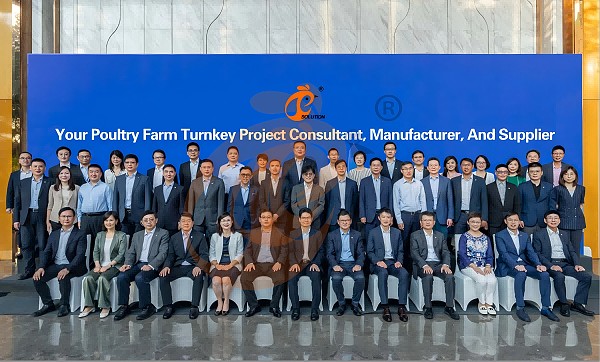
Taiyu (HK) Group - One Of China Toppest Battery Cage Manufacturer
Hot-dip galvanized layer battery cage systems combine engineered steel construction with 275–610 g/m² zinc coating, supporting long-term commercial layer housing requirements.
Global factory-direct production integrates poultry equipment including cages, automatic feeding, nipple drinking, manure removal, egg collection, ventilation, and environmental control.
Turn-key engineering covers project calculation, house layout, equipment matching, production coordination, installation guidance, commissioning, and technical documentation for capacities from 10,000 to 100,000+ layers.
Factory manufacturing supports customized cage dimensions, 3–4 tier configurations, automated production lines, and coordinated equipment specifications for international poultry projects.
Global project support connects equipment supply with engineering execution, enabling complete poultry-house solutions from initial capacity planning through operational commissioning.
Contact Us To Received Your Customized Poultry Farm Plan
Headquarters And Branchs

Hong Kong Headquarter Management Team
Hong Kong Headquarter Taiyu Industrial Group CO., LTD
China Hebei Best Machinery And Equipment CO., LTD
Nigeria Vanke Machinery And Equipment CO., LTD
Tanzania Best Machinery And Equipment CO., LTD
Ethiopia Best Hebei Machinery Manufacturing PLC




Reception /24 WhatsApp NO. : +8618830120193
PRODUCTS RECOMMENDED
 China Branch Manufacture Poultry Farm EquipmentRead More
 Ethiopia Branch Manufacture Poultry Farm EquipmentRead More
 Nigeria Branch Manufacture Poultry Farm EquipmentRead More
 Tanzania Branch Manufacture Poultry Farm EquipmentRead More
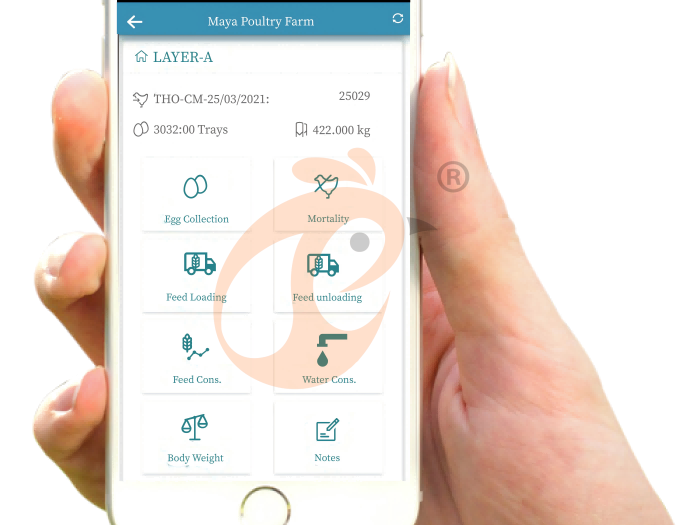
 IoT Smart Poultry FarmRead More
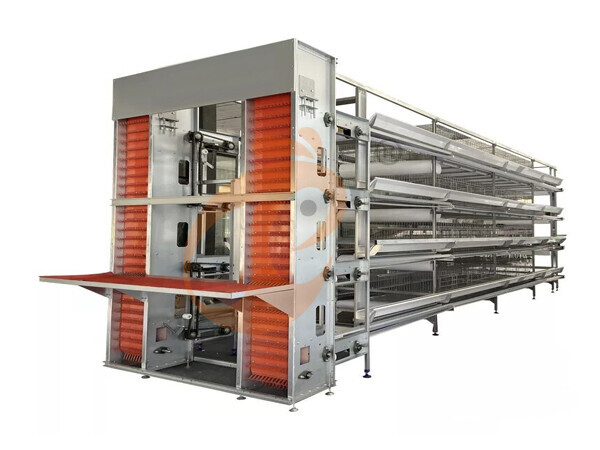
 >30,000 Layers Automatic H Type Battery CageRead More
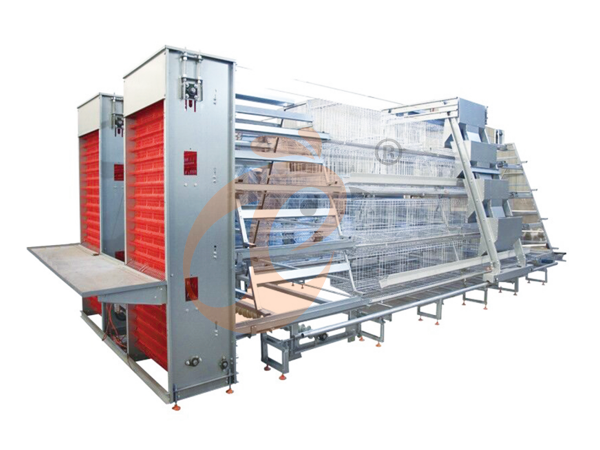
 10,000 - 30,000 Layers Automatic A Type Battery CageRead More
MESSAGE
NEWS
 50,000 - 100,000 chickens/house: poultry farm solution, chicken cage, poultry farm equipment, AI smart managementRead More
 30,000 - 50,000 chickens/house: poultry farm solution, chicken cage, poultry farm equipment, AI smart managementRead More
 10,000 - 30,000 chickens/house: poultry farm solution, chicken cage, poultry farm equipment, AI smart managementRead More
 100 - 10,000 chickens/house: poultry farm solution, chicken cage, poultry farm equipment, AI smart managementRead More