

NEWS
- Poultry farm equipment determines whether commercial housing delivers dependable output, controlled labor, and measurable long-term return on investment across demanding production cycles, with project planning commonly extending beyond ten years.
Automatic poultry feeding system improves feed distribution consistency while supporting commercial houses operating through multiple daily feeding cycles and demanding continuous mechanical availability.
Poultry ventilation system directly influences environmental stability, equipment utilization, and flock comfort, with engineered airflow strategies supporting seasonal production across different climatic regions.
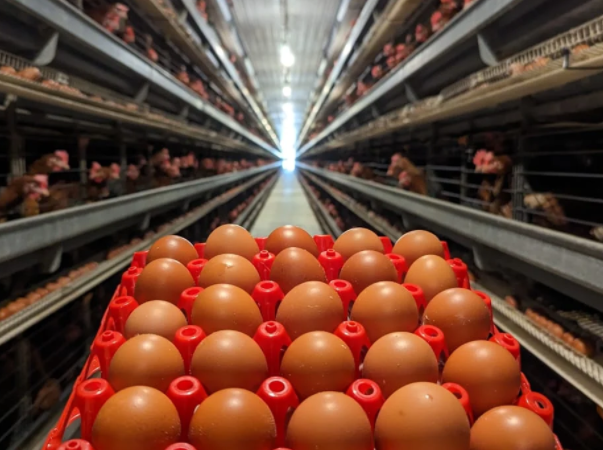
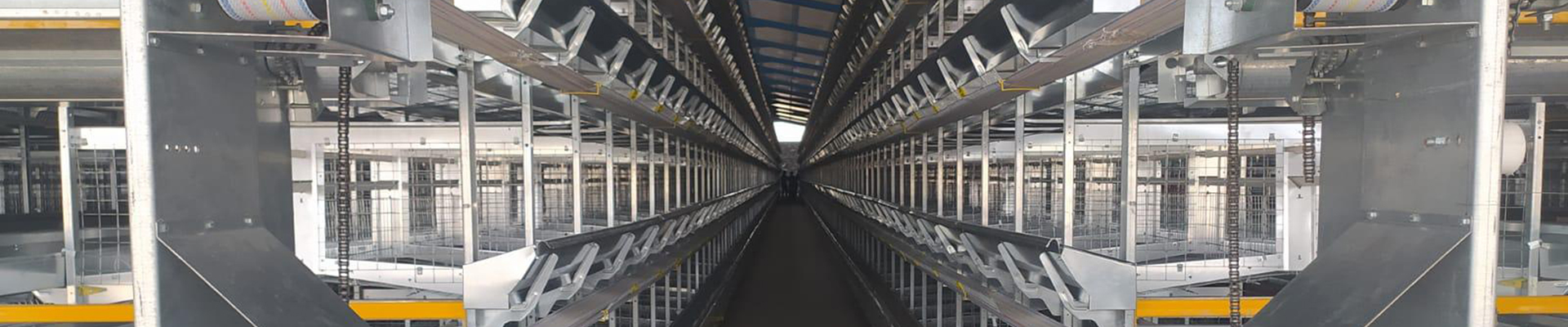
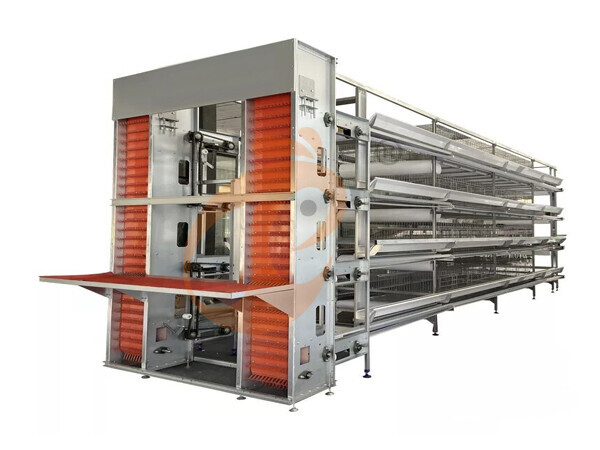
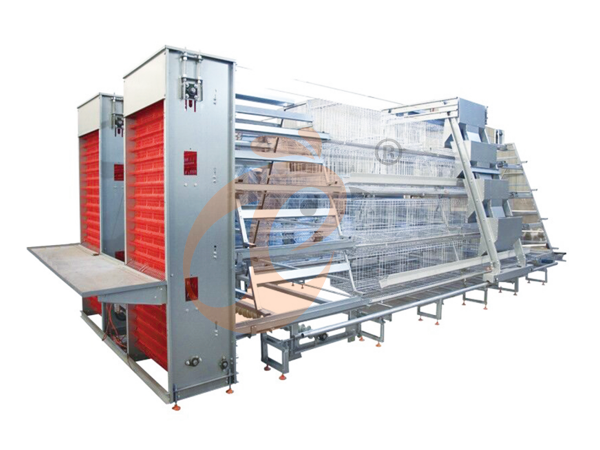
Layer cage system converts building volume into organized production capacity while coordinating feeding, drinking, manure handling, inspection access, and automated management within integrated commercial layouts.
- Poultry farm equipment becomes commercially valuable when engineering, material selection, automation, energy management, and after-sales support work together, creating scalable systems for international poultry projects.
Get professional poultry farm construction guidance, equipment selection solutions, and the latest price lists, whatsApp to +8618830120193, click to learn more.
Start With The Real Question: What Does Poultry Equipment Cost You?
Poultry farm equipment cost should be evaluated against production output, operating hours, maintenance requirements, and equipment lifespan not simply the initial quotation.
A commercial automated system designed for continuous operation can run approximately 16–24 hours per day, while galvanized structural components can be engineered for 10–15 years of service under appropriate farm conditions.
The right investment creates measurable operational value.
A properly configured automatic poultry feeding system can coordinate repeated feeding operations while reducing unnecessary manual handling across houses exceeding 100 meters in length.
Our poultry farm equipment solutions are designed around complete poultry-house performance rather than isolated machine prices.
Equipment Cost Snapshot
Data is for reference only.Swipe horizontally to view full table.
The best poultry farm equipment package depends on farm capacity, house design, bird type, climate, and automation requirements.
A properly engineered layer cage system can be arranged around inspection corridors of approximately 0.8–1.2 meters, helping maintain practical access during routine operation.
Selecting compatible equipment as one project can also reduce engineering conflicts during installation.
Factor #1: Farm Capacity Changes The Economics
20,000 birds ≠ 200,000 birds.
Poultry farm equipment economics change substantially as flock capacity increases because equipment utilization, operator workload, and system coordination become more significant.
Large projects should also consider future expansion, with commercial building modules commonly planned around 12–20 meters in width.
Data is for reference only.Swipe horizontally to view full table.
Capacity should be matched with equipment throughput rather than simply equipment quantity.
An automatic poultry feeding system may be configured around feed delivery of approximately 1,000–3,000 kg/h, allowing large commercial houses to replenish feeding circuits efficiently.
Don't Buy Equipment—Buy Production Efficiency
Equipment → automation → controlled operation → consistent management → lower operating burden → improved return on investment
The commercial advantage comes from integration.
A poultry farm equipment project can connect feeding, drinking, ventilation, environmental control, and manure handling through coordinated control logic, with commissioning schedules often covering 2–5 working days for system verification.
Our approach is to configure equipment around the customer's production workflow rather than selling disconnected components.
Factor #2: Automation Level Determines Long-Term Value
Automation changes the labor model.
Poultry farm equipment with automated sequencing can replace repetitive operator actions with programmed operating logic.
Commercial controllers can be programmed with 5–20 ventilation stages, allowing gradual environmental adjustment instead of simple on/off operation.
Data is for reference only.Swipe horizontally to view full table.
Automation should be selected according to production scale.
An automatic poultry feeding system can coordinate scheduled feeding events through programmable timers, with individual operating cycles commonly adjustable within 1–60 minutes.
Factor #3: House Design And Installation Matter
Engineering comes first.
Poultry farm equipment performance depends on house length, width, ceiling height, electrical infrastructure, air inlets, cage arrangement, and maintenance access.
A tunnel-ventilated house may target approximately 2.0–3.0 m/s internal airflow during maximum ventilation demand.
Data is for reference only.Swipe horizontally to view full table.
A supplier evaluating the house before finalizing poultry farm equipment can reduce installation conflicts.
Our engineering process can account for equipment positioning, cable routes, water lines, feed routes, ventilation openings, and maintenance access.
Factor #4: Material Quality Is An Investment
Material specification affects lifecycle economics.
Poultry farm equipment operates in environments containing moisture, dust, manure, ammonia, and repeated mechanical movement.
Structural steel can be specified with a 275–600 g/m² zinc coating, while component selection can be matched to cleaning frequency and corrosion exposure.
Data is for reference only.Swipe horizontally to view full table.
Higher-quality materials can increase poultry farm equipment purchase cost while reducing replacement exposure.
A layer cage system should also account for structural loading, cleaning procedures, and long-term mechanical stress rather than focusing only on initial material price.
Factor #5: Energy Consumption Can Reshape Return On Investment
Energy is a recurring cost.
Poultry farm equipment energy performance depends on motor efficiency, operating hours, static pressure, airflow demand, and automated staging.
Large commercial ventilation fans may operate for extended periods, while motor loads can vary substantially according to seasonal requirements.
Data is for reference only.Swipe horizontally to view full table.
These figures are engineering examples rather than guaranteed consumption values.
A poultry ventilation system should be evaluated using measured airflow efficiency and static-pressure performance, with project testing commonly conducted around 20–50 pa operating pressure.
Factor #6: Service And Maintenance Protect Return On Investment
Reliability has a financial value.
Poultry farm equipment should be designed around accessible maintenance points, predictable inspection routines, and readily replaceable wear components.
Critical drive assemblies can be scheduled for inspection at approximately 500–1,000 operating hours, depending on component design.
Data is for reference only.Swipe horizontally to view full table.
A professional supplier should support installation, commissioning, operator training, spare-parts planning, and troubleshooting.
Our poultry farm equipment service model is structured around the complete project rather than ending when machinery leaves the factory.
Calculate Return On Investment Before You Place The Order
Use the formula before signing the purchase order.
Poultry farm equipment return on investment should convert equipment performance into annual financial results.
A system operating 330 production days per year can accumulate substantial savings when daily labor, feed, energy, and maintenance costs are controlled.
Annual benefit = labor savings + feed savings + energy savings + maintenance savings + additional production value
Return on investment = (annual benefit − annual equipment operating cost) ÷ Initial Investment × 100%
Actual calculations should use farm-specific labor wages, electricity tariffs, feed prices, flock size, production cycles, and output data.
What Should A Complete Poultry Equipment Package Include?
One project requires one engineering logic.
Poultry farm equipment should be designed as an integrated production system, especially where multiple machines share electrical controls and automation logic.
A control panel may manage 8–32 sensor channels, depending on project configuration.
Data is for reference only.Swipe horizontally to view full table.
Our complete poultry farm equipment packages can be customized according to bird type, house dimensions, capacity, climate, and automation requirements.
Integrated planning simplifies procurement while improving compatibility between individual systems.
Choose Equipment For The Next 10 Years, Not Just Today
Six checkpoints define the investment.
Poultry farm equipment selection should balance acquisition cost with operating performance, durability, automation, energy consumption, and technical support.
A commercial project planned around a 10-year lifecycle should prioritize total cost of ownership instead of quotation price alone.
Evaluate: capacity → labor → lifespan → electricity → maintenance → expansion.
Our objective is to provide an engineered production solution that improves automation, operational consistency, equipment reliability, and long-term farm profitability.
Frequently Asked Questions
Q1: What is the biggest cost factor in poultry farm equipment?
A1: Capacity, automation scope, house engineering, and material specifications normally drive project cost, while a properly engineered system can target a 10-year lifecycle.
Q2: How can poultry farm equipment improve return on investment?
A2: Automation can reduce repetitive labor while coordinated feeding and climate management improve operational consistency across approximately 330 production days annually.
Q3: Should equipment price or total cost of ownership be used for comparison?
A3: Total cost of ownership is more meaningful because electricity, maintenance, replacement parts, downtime, and operating efficiency can continue affecting project economics after installation.
Taiyu (HK) Group - One Of China Toppest Poultry Farm Equipment Manufacturer
Poultry farm equipment integrates automated feeding, drinking, ventilation, environmental control, and manure handling, with commercial projects engineered around capacities from 20,000 to 200,000 birds.
Global factory-direct poultry equipment production combines engineering drawings, component manufacturing, quality inspection, and export coordination under one technical supply structure.
Turn-key poultry equipment projects connect equipment selection, house layout, installation guidance, commissioning, operator training, and spare-parts planning for complete commercial deployment.
International poultry equipment supply supports project-specific electrical standards, house dimensions, climate conditions, production targets, and installation requirements across multiple agricultural markets.
Factory engineering support provides equipment configuration, technical documentation, component matching, and lifecycle planning for customers requiring scalable commercial poultry production systems.
Contact Us To Received Your Customized Poultry Farm Plan
Headquarters And Branchs

Hong Kong Headquarter Management Team
Hong Kong Headquarter Taiyu Industrial Group CO., LTD
China Hebei Best Machinery And Equipment CO., LTD
Nigeria Vanke Machinery And Equipment CO., LTD
Tanzania Best Machinery And Equipment CO., LTD
Ethiopia Best Hebei Machinery Manufacturing PLC




Reception /24 WhatsApp NO. : +8618830120193
PRODUCTS RECOMMENDED
 China Branch Manufacture Poultry Farm EquipmentRead More
 Ethiopia Branch Manufacture Poultry Farm EquipmentRead More
 Nigeria Branch Manufacture Poultry Farm EquipmentRead More
 Tanzania Branch Manufacture Poultry Farm EquipmentRead More
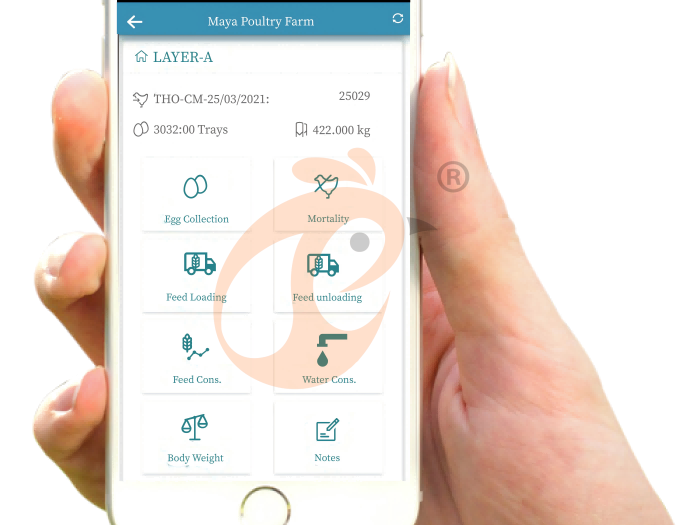
 IoT Smart Poultry FarmRead More
 >30,000 Layers Automatic H Type Battery CageRead More
 10,000 - 30,000 Layers Automatic A Type Battery CageRead More
MESSAGE
NEWS
 50,000 - 100,000 chickens/house: poultry farm solution, chicken cage, poultry farm equipment, AI smart managementRead More
 30,000 - 50,000 chickens/house: poultry farm solution, chicken cage, poultry farm equipment, AI smart managementRead More
 10,000 - 30,000 chickens/house: poultry farm solution, chicken cage, poultry farm equipment, AI smart managementRead More
 100 - 10,000 chickens/house: poultry farm solution, chicken cage, poultry farm equipment, AI smart managementRead More