

NEWS
- Broiler floor rearing system performance depends on integrated poultry house equipment, with stocking density reaching 30–42 kg/m² at market weight.
Automatic feeding system design can maintain stable feed access across houses holding 50,000–60,000 broilers.
Broiler chicken equipment combines nipple drinking, ventilation, cooling, and heating for controlled production.
Environmental automation manages temperature and humidity while supporting consistent flock development throughout each growth stage.
- Professional poultry house equipment connects measurable parameters with efficient management, stronger uniformity, and predictable commercial production.
Get professional poultry farm construction guidance, equipment selection solutions, and the latest price lists, whatsApp to +8618830120193, click to learn more.
Build The Growth Environment Around Equipment Performance
A successful broiler floor rearing system starts with equipment that can maintain stable production conditions throughout the complete growing cycle.
For commercial houses, a practical stocking density is often designed around 30–42 kg/m² of final live weight, while poultry house equipment capacity must match the actual flock size.
Automatic feeding, nipple drinking, ventilation, cooling, heating, and environmental control should operate as one coordinated system.
Equipment integration becomes particularly important when a house reaches 50,000–60,000 broilers, because broiler chicken equipment must manage increasingly complex environmental variation.
Data is for reference only.Swipe horizontally to view full table.
Tip #1 — Make Feed Distribution More Precise
Turn feeding automation into a measurable growth-management tool.
Broilers need continuous access to feed without excessive competition around feeding points.
An automatic feeding system distributes feed through the broiler floor rearing system at controlled intervals, reducing manual feeding dependence with cycles of approximately 10–20 minutes.
Feed delivery should correspond to bird development, with feeding equipment adapting from early brooding to finishing requirements.
The system should allow convenient pan-height adjustment as birds grow, while broiler chicken equipment maintains appropriate feeder positioning throughout production.
Feeding Equipment: Where Automation Pays Off
Data is for reference only.Swipe horizontally to view full table.
For commercial broiler production, poultry house equipment should not simply operate.
Equipment should support uniformity, efficiency, and predictable production results, with daily operation commonly covering 18–24 hours according to flock requirements.
Tip #2 — Engineer Water Access Into The Growth Strategy
Every bird needs dependable access to clean drinking water.
Nipple drinking systems are widely used in modern broiler floor rearing system operations because they deliver water directly to birds while limiting exposure to litter.
A correctly installed broiler chicken equipment drinking system can provide approximately 0.6–1.0 l/min per nipple, depending on nipple specifications and production requirements.
Water-line design should consider pipe diameter, pressure regulation, filtration, flushing, and line length.
For commercial houses exceeding 100 m in length, independent circuits can simplify pressure management and maintenance within the poultry house equipment layout.
Drinking System Parameters That Support Flock Performance
Data is for reference only.Swipe horizontally to view full table.
Tip #3 — Use Tunnel Ventilation To Remove Heat And Moisture
Do not treat ventilation as simply moving air.
Design poultry house equipment as a controlled air-management system with fan capacity matched to house volume, bird population, climate, and target conditions.
As broilers increase in body weight, heat production increases significantly, making ventilation capacity essential within the broiler floor rearing system.
For commercial tunnel houses, an air velocity of approximately 2.0–3.0 m/s can support hot-weather operation, subject to house design and bird age.
Proper airflow improves heat dissipation, while correctly selected broiler chicken equipment helps maintain stable environmental conditions during peak summer periods.
Tunnel Ventilation Equipment Specifications
Data is for reference only.Swipe horizontally to view full table.
Tip #4 — Replace Manual Guesswork With Environmental Automation
Measure → calculate → adjust → repeat.
A modern environmental controller continuously collects temperature and humidity information, then activates ventilation, heating, cooling, or other poultry House equipment according to programmed conditions.
Temperature management is especially important during brooding, with day-old chicks commonly starting around 32–34°c at chick level before gradual reduction.
Humidity also requires systematic management, with a practical relative-humidity target around 50–70% for many production programs.
Within a broiler floor rearing system, automated control reduces manual adjustment and coordinates multiple equipment stages according to changing house conditions.
Environmental Control System Parameters
Data is for reference only.Swipe horizontally to view full table.
Tip #5 — Protect Growth By Managing Litter And House Moisture
A broiler does not grow efficiently where litter management constantly fights equipment problems.
Wet litter can originate from drinker leakage, insufficient moisture removal, poor airflow distribution, or excessive water delivery.
A well-designed broiler floor rearing system addresses these sources through coordinated drinking and ventilation equipment.
Maintaining litter depth at approximately 5–8 cm provides a practical starting point for many floor-rearing operations.
Good litter management therefore combines drinking equipment, ventilation, house sealing, and daily broiler chicken equipment control.
Equipment Parameters For Litter And House Management
Data is for reference only.Swipe horizontally to view full table.
Turn Five Equipment Decisions Into Better Broiler Performance
The five tips work best when designed as one complete broiler floor rearing system rather than purchased as independent machines.
A farm may install high-capacity fans, but without suitable air inlets and a properly sealed building envelope, available airflow may not produce the intended ventilation pattern.
Build The System Around Growth, Not Just Equipment
Improving broiler growth requires more than increasing feed or installing additional machinery.
The real objective is creating a controlled broiler floor rearing system where feeding, drinking, ventilation, temperature, humidity, and litter conditions work together.
Professional ppoultry house equipment creates measurable value by coordinating these production functions.
An integrated system can automate daily operations, reduce unnecessary manual intervention, improve environmental consistency, and provide greater control over flock management.
From automatic pan feeders and nipple drinking lines to tunnel fans, cooling pads, heating systems, and intelligent controllers, broiler chicken equipment should match actual production requirements.
Frequently Asked Questions
Q1: What equipment most directly supports broiler growth?
A1: An integrated broiler floor rearing system combines automatic feeding, nipple drinking, ventilation, cooling, heating, and environmental control.
Automatic feeding and drinking systems provide consistent daily access, while climate equipment manages production conditions across different growth stages.
Q2: How does ventilation affect broiler floor rearing performance?
A2: Tunnel ventilation helps remove heat, moisture, and airborne contaminants from the house.
A properly engineered poultry house equipment package can maintain designed airflow conditions while responding to temperature changes through automated fan staging.
Q3: Why is environmental automation important for broiler houses?
A3: Environmental automation coordinates several equipment systems using sensor feedback rather than relying entirely on manual decisions.
A controller can respond within approximately 30 seconds to programmed alarm conditions, supporting faster intervention when environmental parameters move outside selected ranges.
Taiyu (HK) Group - One Of China Toppest Broiler Floor Rearing System Manufacturer
Broiler floor rearing system integrates automatic feeding, nipple drinking, ventilation, and climate control, with commercial houses designed around 30–42 kg/m² final live weight.
Global factory direct supply covers complete poultry equipment packages, including feeding lines, drinking systems, tunnel fans, cooling pads, heaters, controllers, and house accessories.
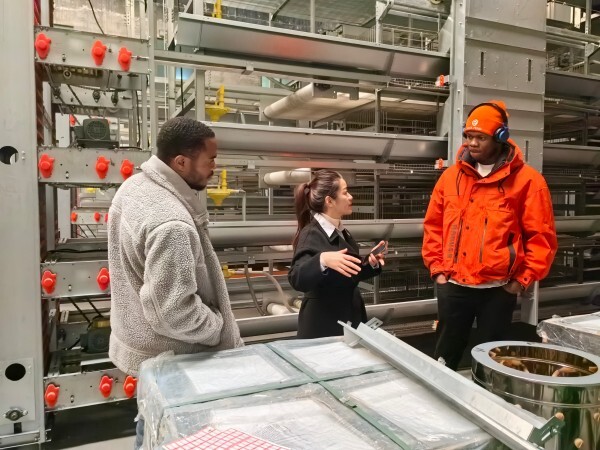
Turn-key engineering supports project planning, equipment configuration, installation guidance, commissioning, and technical documentation for commercial broiler farms.
International project execution coordinates poultry equipment specifications with house dimensions, flock capacity, climate conditions, electrical requirements, and operating procedures.
Factory engineering teams provide equipment matching and system integration for scalable commercial projects from individual houses to multi-house production complexes.
Contact Us To Received Your Customized Poultry Farm Plan
Headquarters And Branchs
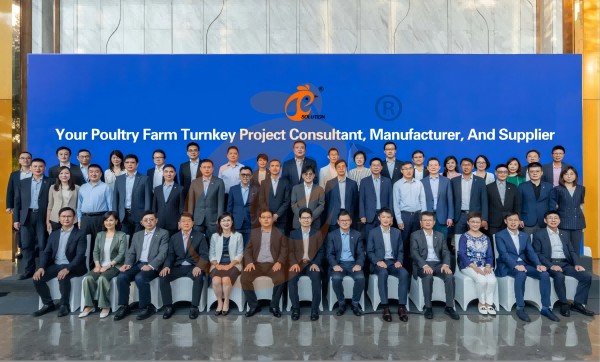
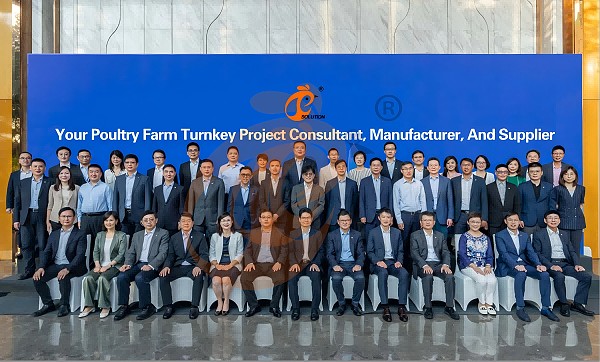
Hong Kong Headquarter Management Team
Hong Kong Headquarter Taiyu Industrial Group CO., LTD
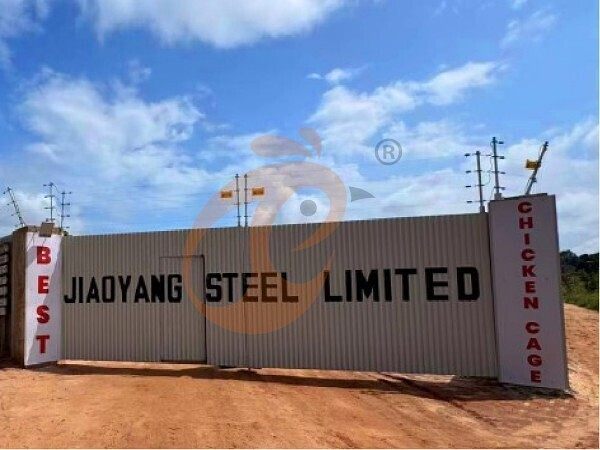
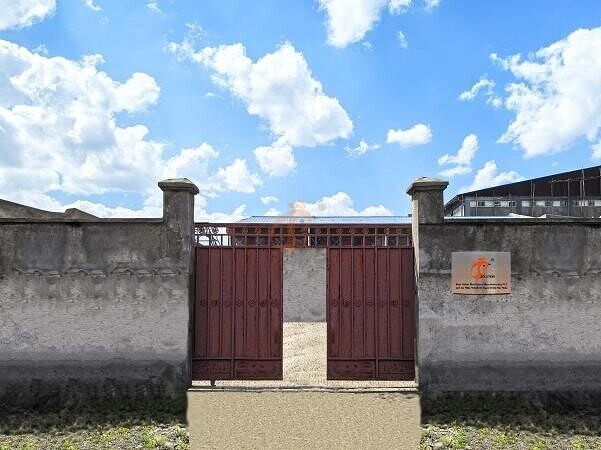
China Hebei Best Machinery And Equipment CO., LTD
Nigeria Vanke Machinery And Equipment CO., LTD
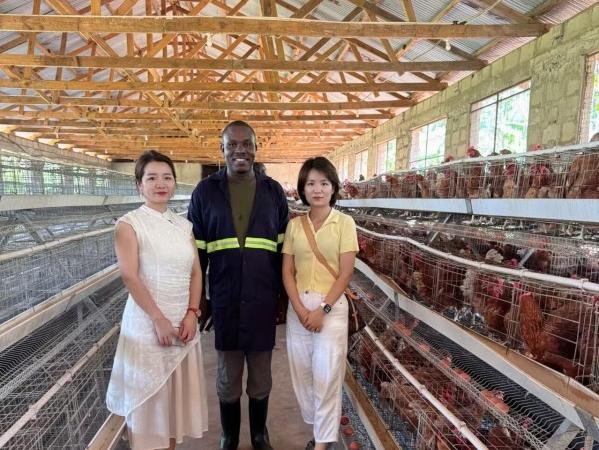
Tanzania Best Machinery And Equipment CO., LTD
Ethiopia Best Hebei Machinery Manufacturing PLC
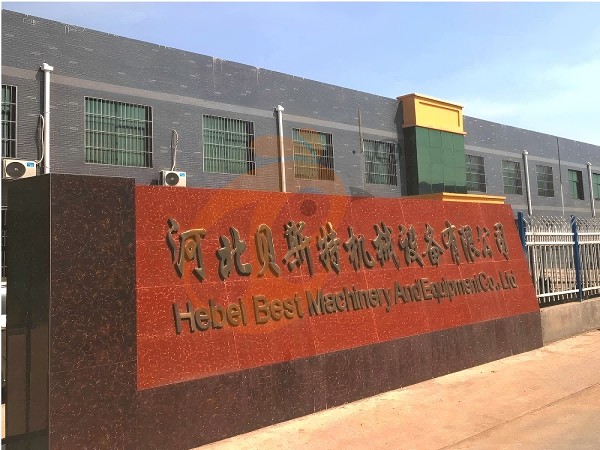
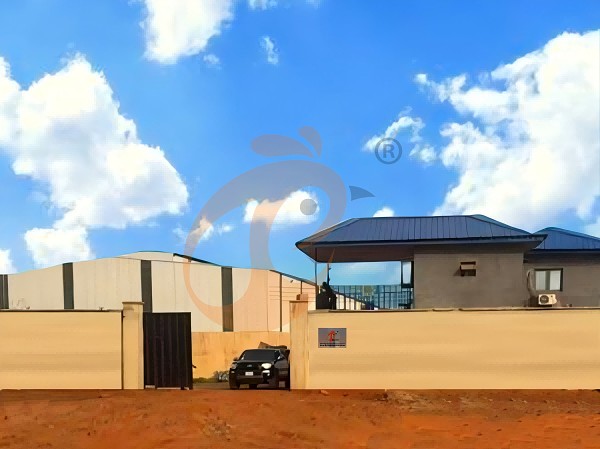
Reception /24 WhatsApp NO. : +8618830120193
PRODUCTS RECOMMENDED
 China Branch Manufacture Poultry Farm EquipmentRead More
 Ethiopia Branch Manufacture Poultry Farm EquipmentRead More
 Nigeria Branch Manufacture Poultry Farm EquipmentRead More
 Tanzania Branch Manufacture Poultry Farm EquipmentRead More
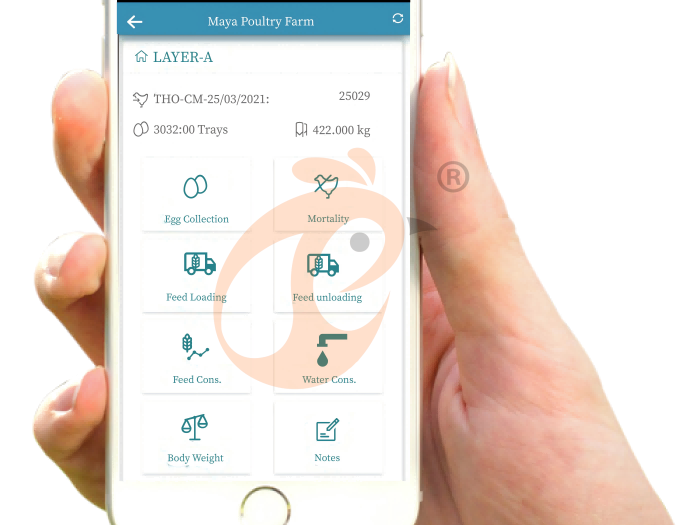
 IoT Smart Poultry FarmRead More
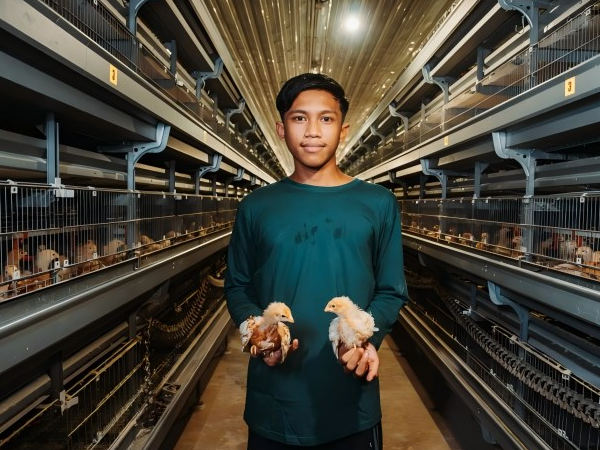
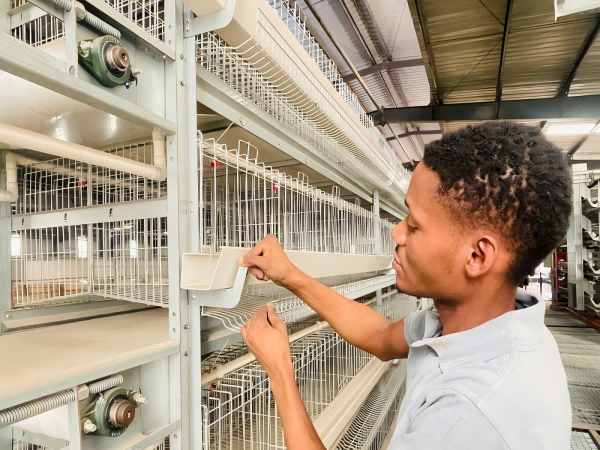
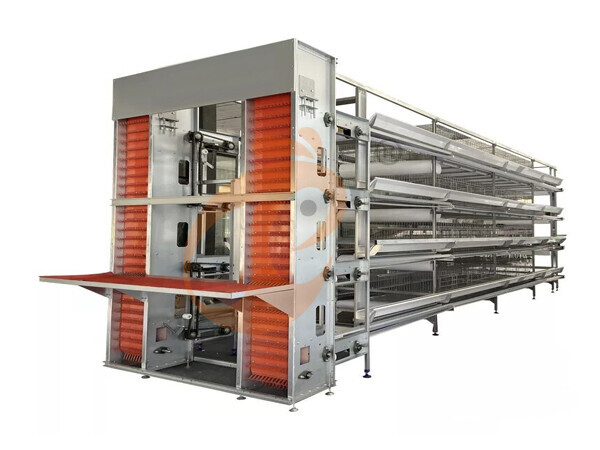
 >30,000 Layers Automatic H Type Battery CageRead More
 10,000 - 30,000 Layers Automatic A Type Battery CageRead More
MESSAGE
NEWS
 50,000 - 100,000 chickens/house: poultry farm solution, chicken cage, poultry farm equipment, AI smart managementRead More
 30,000 - 50,000 chickens/house: poultry farm solution, chicken cage, poultry farm equipment, AI smart managementRead More
 10,000 - 30,000 chickens/house: poultry farm solution, chicken cage, poultry farm equipment, AI smart managementRead More
 100 - 10,000 chickens/house: poultry farm solution, chicken cage, poultry farm equipment, AI smart managementRead More