

NEWS
A type poultry cage selection affects housing efficiency, flock management, equipment matching, and project investment across commercial farms with 20,000–100,000 birds.
Layer poultry cage purchasing requires careful attention to structural design, building conditions, material quality, automation compatibility, and supplier capability.
Poultry cage system planning coordinates feeding, drinking, manure removal, ventilation, and control equipment through one practical engineering process.
Measurable specifications, factory verification, quality inspection, and service terms provide stronger purchasing confidence than quotation prices or general product claims.
- Correct A type poultry cage selection supports efficient farm operation, controlled maintenance, easier installation, and dependable equipment performance over 8–12 years.
Get professional poultry farm construction guidance, equipment selection solutions, and the latest price lists, whatsApp to +8618830120193, click to learn more:
Start With The Real Cost, Not Just The Quoted Price
Choosing an A type poultry cage only by quotation price can create higher operating costs later.
A complete poultry cage investment includes equipment, installation, maintenance, spare parts, energy, and labor.
A commercial layer poultry cage project should therefore be evaluated across 8–12 years rather than only the purchase period.
Daily feeding may require 2–4 operating cycles, making equipment reliability important for long-term farm management.
A professional poultry cage system supplier should provide a complete configuration instead of pricing the cage alone.
Buying Mistake #1: Comparing Cage Prices Without Comparing Specifications
Data is for reference only.Swipe horizontally to view full table.
A quotation is meaningful only when A type poultry cage specifications are clearly defined.
Different materials, accessories, and structural designs can produce very different purchasing values.
Request equipment lists, drawings, specifications, installation scope, spare parts, and warranty terms before comparing offers.
Where applicable, layer poultry cage electrical requirements should also identify 380 v / 50 hz.
Smart Tip #1: Match The Cage To Your Farm Capacity
Start A type poultry cage selection with the actual flock target and building conditions.
House dimensions, access routes, ventilation positions, and equipment locations determine the practical cage arrangement.
A commercial layer poultry cage house may use 6–10 rows, depending on the building configuration.
Avoid maximizing cage quantity without considering inspection and maintenance access.
A practical service aisle can require 0.8–1.2 m, depending on the operating method.
A professional poultry cage system supplier should prepare the layout before manufacturing.
The drawing should identify cage positions, equipment routes, pipelines, ventilation components, and maintenance areas.
Structural coordination may also consider building columns at approximately 4–6 m intervals where applicable.
Farm Planning Check: Is Your Poultry House Ready?
Data is for reference only.Swipe horizontally to view full table.
A layer poultry cage layout should follow verified house dimensions instead of approximate measurements.
Doors, columns, windows, utilities, and ventilation openings should be confirmed before ordering.
A dimensional difference of 50–100 mm can affect long-row alignment.
For new projects, coordination between the building contractor and A type poultry cage supplier can reduce installation changes.
Buying Mistake #2: Ignoring The Supporting Equipment
A durable A type poultry cage cannot deliver efficient production if feeding and waste handling remain heavily manual.
Automatic feeding can move feed at approximately 18–36 m/min, depending on system design.
Such equipment reduces repetitive transportation and supports consistent feeding routines.
Water delivery should also be coordinated with the layer poultry cage structure.
A nipple system may serve approximately 8–12 birds per nipple, depending on nipple design and flock conditions.
Integrating pipelines during cage production can reduce later modification work.
A complete poultry cage system should coordinate feeding, drinking, manure removal, ventilation, lighting, and control equipment.
Equipment Compatibility Checklist
Data is for reference only.Swipe horizontally to view full table.
When buying an A type poultry cage package, confirm whether auxiliary equipment comes from the same engineering source.
A coordinated poultry cage system can reduce interface problems between different suppliers.
Electrical control cabinets may use Ip54 protection where project conditions require it.
Such requirements should be confirmed before equipment production.
Smart Tip #2: Inspect Material Quality And Corrosion Resistance
Moisture, ammonia, manure, and cleaning chemicals make A type poultry cage material selection important.
Buyers should inspect wire forming, welding, bending accuracy, surface treatment, and structural consistency.
Galvanized components can use approximately 80–275 g/m² zinc coating according to component requirements.
Welded areas deserve particular attention because weak joints can affect long-term cage stability.
A reliable layer poultry cage manufacturer should provide material and production documentation.
Actual manufacturing evidence is more useful than general descriptions such as “premium quality.”
Quality Comparison Table
Data is for reference only.Swipe horizontally to view full table.
Quality inspection for A type poultry cage should cover raw materials, forming, welding, surface treatment, assembly, and packaging.
Export shipments should also be checked for component protection and loading stability.
Accessory quantities can be verified against a ±1% counting tolerance during receiving inspection.
Inspection records provide useful evidence before shipment.
Buying Mistake #3: Choosing A Supplier Without Checking Manufacturing Capability
A catalog does not prove that an A type poultry cage supplier can handle a complete commercial project.
Factory production lines, engineering staff, quality procedures, assembly capacity, and export experience should be verified.
A factory producing 500–1,000 cage sets per batch provides a useful production-capacity reference.
Direct manufacturing can also simplify control over fabrication, surface treatment, accessories, scheduling, and inspection.
For customized layer poultry cage projects, engineering capability is equally important.
The supplier should be able to coordinate cage layouts with feeding, drinking, manure, ventilation, and electrical systems.
Request production drawings and equipment lists before contract confirmation.
Supplier Evaluation Scorecard
Data is for reference only.Swipe horizontally to view full table.
Supplier selection should rely on verifiable manufacturing data.
Factory inspection, sample testing, engineering review, and contractual specifications provide practical purchasing protection.
Spare-parts availability is especially important for large poultry cage system projects.
International customers should define technical response procedures before shipment.
Smart Tip #3–5: Use This Five-Step Buying Formula
Step 1 — Calculate capacity.
Define flock size, production objectives, and building dimensions before selecting an A type poultry cage.
Commercial projects may involve 20,000–100,000 laying hens, making early calculations essential.
Step 2 — Compare complete systems.
Evaluate feeding, drinking, manure removal, ventilation, lighting, and control equipment together.
A centralized system can monitor 4–8 environmental inputs according to project requirements.
Step 3 — Verify materials.
Request certificates, production records, surface-treatment information, and representative samples.
Sample approval should occur before mass production of the layer poultry cage.
Step 4 — Audit the manufacturer.
Check factory capability, engineering experience, quality control, and service resources.
For overseas projects, installation preparation can begin approximately 30 days before shipment.
Step 5 — Calculate long-term value.
Consider maintenance, spare parts, energy, labor, service, and expected equipment life.
Commercial poultry cage system maintenance can be planned through 2–4 inspections annually.
Final Buying Checklist
Data is for reference only.Swipe horizontally to view full table.
Before ordering an A type poultry cage, confirm every requirement in the commercial contract.
Product names alone cannot define materials, accessories, dimensions, or automation configuration.
Final documents should cover specifications, drawings, installation, utilities, spare parts, packaging, and warranty terms.
For multi-house projects, each layer poultry cage installation package should carry a clear project reference.
Make Your Poultry Equipment Investment Work Harder
An A type poultry cage should be evaluated as part of an integrated farm system.
Feeding, drinking, manure removal, ventilation, lighting, and control equipment should be coordinated during engineering.
A correctly designed poultry cage system can reduce unnecessary manual operations and simplify routine management.
For farms running multiple production cycles, durability and spare-parts planning become increasingly important.
A supplier offering A type poultry cages with automatic feeding, nipple drinking, manure removal, ventilation, control systems, layout design, and commissioning can simplify project coordination.
Whether building a new farm or upgrading an existing house, purchasing should focus on technical suitability rather than quotation price alone.
A commissioning period of approximately 3–7 days can be planned for mechanical, electrical, and water-system testing.
Choose the A type poultry cage according to farm requirements.
Choose poultry equipment according to the complete production system.
Choose a manufacturer capable of supporting engineering, production, delivery, and commissioning.
A well-engineered poultry cage system becomes a long-term production asset rather than a simple cage purchase.
Frequently Asked Questions
Q1: What should buyers compare first when selecting an A type poultry cage?
A1: Compare cage configuration, building compatibility, supporting equipment, material specifications, manufacturer capability, and service terms.
Projects involving 20,000–100,000 birds require accurate capacity planning before ordering.
Q2: Why should an A type poultry cage include supporting equipment?
A2: Feeding, drinking, manure handling, and ventilation directly affect installation compatibility and daily operation.
Integrated engineering can reduce modification work during commissioning.
Q3: How can buyers verify a poultry cage manufacturer?
A3: Check factory production capability, technical drawings, inspection records, samples, spare parts, warranty terms, and installation support.
A technical response target of 24 hours can improve communication during international projects.
Taiyu (HK) Group - One Of China Biggest A Type Poultry Cage Manufacturer
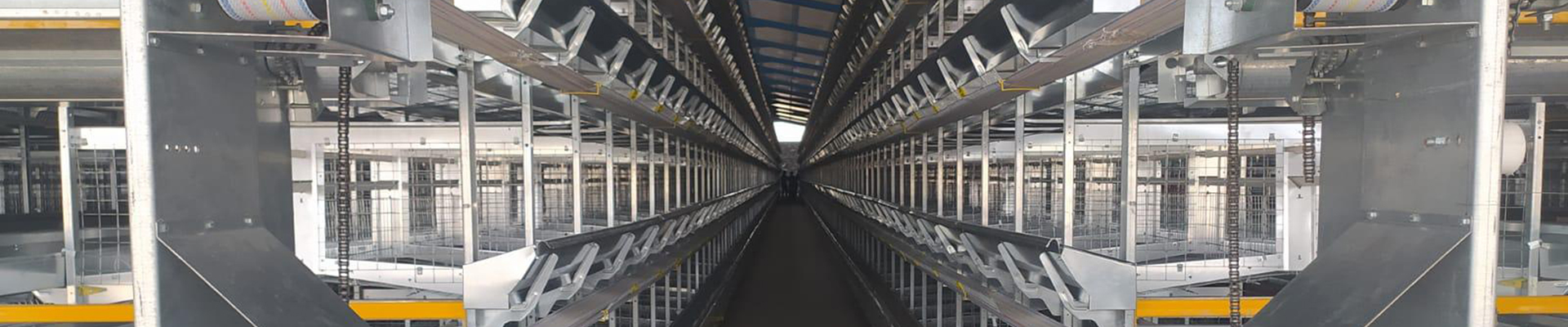
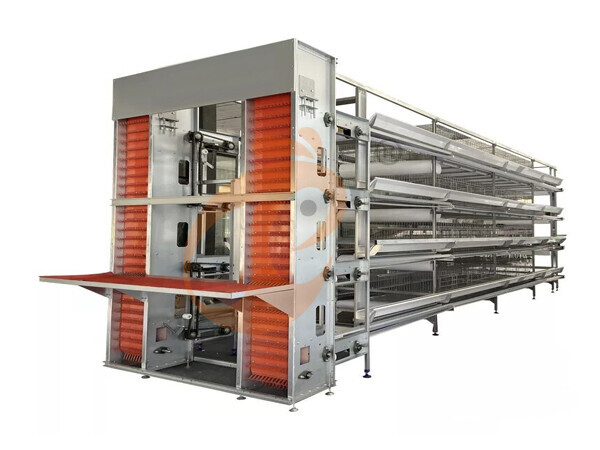
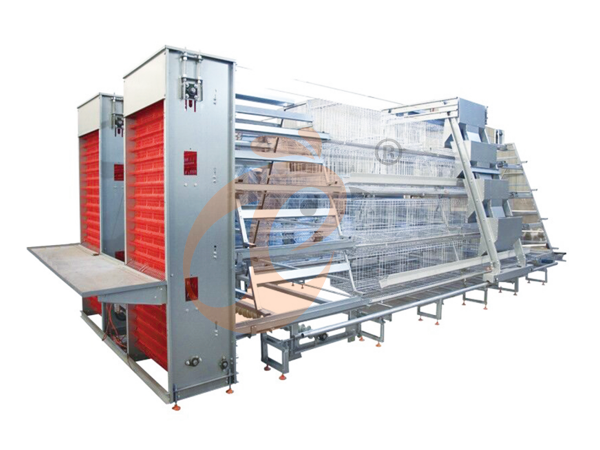
A type poultry cage systems support commercial layer housing with coordinated feeding, drinking, manure, ventilation, and control interfaces for projects up to 100,000 birds.
Global factory-direct supply covers poultry equipment, customized drawings, production, export packing, installation guidance, and technical documentation.
Turn-key engineering integrates poultry-house planning, cage arrangement, automatic feeding, drinking, manure removal, ventilation, electrical control, and commissioning.
Poultry equipment production supports project manufacturing, component coordination, quality inspection, spare-parts preparation, and installation scheduling.
International service combines factory resources, engineering coordination, container loading, remote assistance, and commissioning support.
Contact Us To Received Your Customized Poultry Farm Plan
Headquarters And Branchs

Hong Kong Headquarter Management Team
Hong Kong Headquarter Taiyu Industrial Group CO., LTD
China Hebei Best Machinery And Equipment CO., LTD
Nigeria Vanke Machinery And Equipment CO., LTD
Tanzania Best Machinery And Equipment CO., LTD
Ethiopia Best Hebei Machinery Manufacturing PLC




Reception /24 WhatsApp NO. : +8618830120193
PRODUCTS RECOMMENDED
 China Branch Manufacture Poultry Farm EquipmentRead More
 Ethiopia Branch Manufacture Poultry Farm EquipmentRead More
 Nigeria Branch Manufacture Poultry Farm EquipmentRead More
 Tanzania Branch Manufacture Poultry Farm EquipmentRead More
 IoT Smart Poultry FarmRead More
 >30,000 Layers Automatic H Type Battery CageRead More
 10,000 - 30,000 Layers Automatic A Type Battery CageRead More
MESSAGE
NEWS
 50,000 - 100,000 chickens/house: poultry farm solution, chicken cage, poultry farm equipment, AI smart managementRead More
 30,000 - 50,000 chickens/house: poultry farm solution, chicken cage, poultry farm equipment, AI smart managementRead More
 10,000 - 30,000 chickens/house: poultry farm solution, chicken cage, poultry farm equipment, AI smart managementRead More
 100 - 10,000 chickens/house: poultry farm solution, chicken cage, poultry farm equipment, AI smart managementRead More