

BLOG
Turnkey poultry equipment integrates feeding systems, drinking lines, ventilation modules, climate control units, manure removal systems.
Complete poultry house automation ensures stable production, reduced labor cost, improved feed efficiency, enhanced biosecurity performance, and scalable farm expansion capacity.
Engineering design standardizes environmental parameters across housing zones, supporting uniform bird growth cycles.
Industrial automation reduces human intervention and increases operational precision in poultry production systems.
Capital investment optimization depends on system integration quality, durability of mechanical components, and long-term operational reliability.
Global commercial broiler farms typically operate 5–7 production cycles per year under controlled housing conditions.
Get professional poultry farm construction guidance, equipment selection solutions, and the latest price lists, whatsApp to +8618830120193, click to learn more:
What Is Turnkey Poultry Equipment?
Turnkey poultry equipment refers to a fully integrated farming system delivered as a ready-to-operate solution.
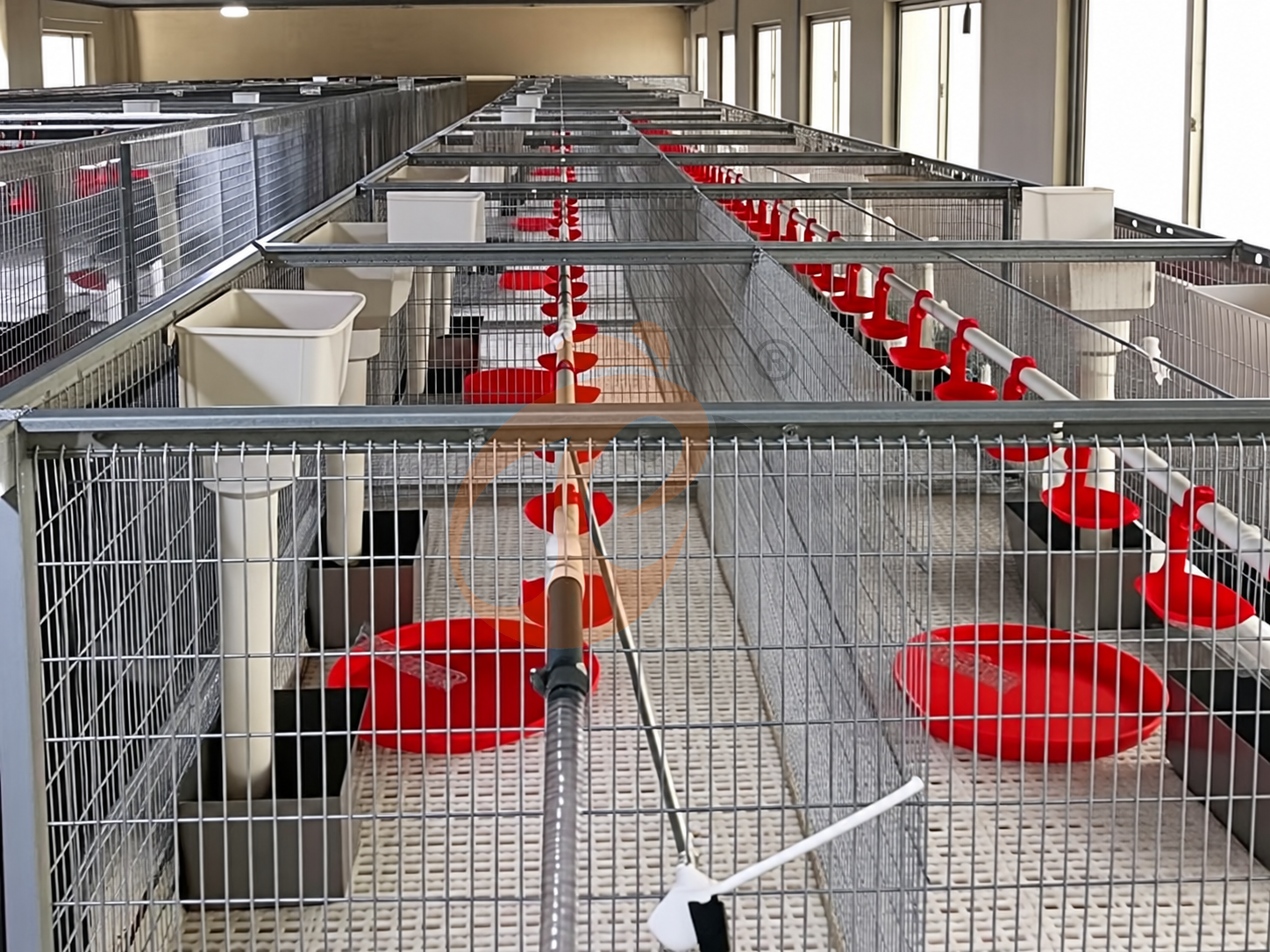
It typically includes broiler cages, feeding lines, drinking systems, ventilation systems, temperature control systems, lighting systems, manure removal systems, and sometimes farm management software.
Core Components Overview
Data is for reference only.Swipe horizontally to view full table.
These components must operate in synchronized cycles.
System imbalance directly reduces poultry productivity efficiency.
Ammonia concentration exceeding 25 ppm significantly reduces feed intake efficiency in broiler houses.
Why Turnkey Systems Are Gaining Global Demand
Global poultry production is shifting toward industrial automation models driven by rising protein consumption demand.
Commercial farms adopt integrated systems to stabilize production output and reduce biological risk exposure.
Modern demand for Broiler Cage System solutions continues increasing due to higher density farming requirements and controlled environment benefits.
Data is for reference only.Swipe horizontally to view full table.
Industrial poultry infrastructure improves feed conversion efficiency and reduces mortality variation across production cycles.
Each 0.1 improvement in FCR reduces feed cost by approximately 3.5% in commercial broiler production.
Cost Transparency And Total Investment Structure
Turnkey poultry investment includes equipment procurement cost, installation engineering cost, logistics transportation cost, automation control integration cost, operator training cost, and maintenance reserve allocation.
Total project budgeting requires full lifecycle cost evaluation instead of isolated equipment pricing.
Poultry Equipment Price volatility in international supply chain markets influences capital planning strategies.
Steel price fluctuations between 2023–2025 have impacted structural poultry equipment costs by 12–18% globally.
Data is for reference only.Swipe horizontally to view full table.
Investment planning under European union standard reference only.
Capacity Planning And Scalability
System capacity selection determines production efficiency and farm expansion potential.
Poultry Cage System configuration must match stocking density requirements, ventilation capacity, and feeding line throughput.
Modern commercial broiler farms typically maintain 32–38 kg live weight per square meter at harvest stage.
Capacity Selection Guide
Data is for reference only.Swipe horizontally to view full table.
Scalable architecture allows incremental expansion without structural redesign.
Stocking density above 12 birds/m² requires reinforced ventilation airflow design above 70 m³/h per kg live weight.
Automation Level And Control Precision
Automation technology defines environmental stability and labor reduction ratio.
Modern Poultry Farming Equipment integrates sensors for temperature, humidity, ammonia concentration, and feed flow regulation.
Automated control improves biological growth consistency and reduces human operational errors.
Data logging systems typically record 2,000–8,000 environmental data points per day in industrial poultry houses.
Automation Comparison
Data is for reference only.Swipe horizontally to view full table.
Digital monitoring improves production predictability across farming cycles.
A 1°C temperature deviation above 32°C can reduce weight gain rate by up to 8% in broilers.
Biosecurity Design And Disease Prevention
Biosecurity engineering prevents pathogen entry and reduces disease transmission risk in high-density poultry environments.
Integrated system design includes controlled entry zones, air filtration systems, waste isolation channels, and sanitation automation protocols.
Highly pathogenic outbreaks can cause mortality losses exceeding 30–70% without controlled housing systems.
Data is for reference only.Swipe horizontally to view full table.
Strong biosecurity architecture stabilizes flock health outcomes.
Ammonia reduction below 15 ppm improves feed intake efficiency by 6–10%.
Supplier Reliability And Engineering Quality
Supplier engineering capability determines system longevity and operational stability.
High-quality manufacturers provide precision-engineered components, global installation support, and long-term spare parts availability.
Industrial Poultry Cage System performance depends on fabrication accuracy and material durability standards.
Galvanized steel coating thickness below 275 g/m² reduces structural lifespan by up to 40% in humid environments.
Data is for reference only.Swipe horizontally to view full table.
Supplier selection directly influences farm ROI stability.
Poultry Production Engineering Logic
Poultry production operates through biological energy conversion systems where feed input transforms into protein output.
Feed Conversion Ratio (FCR) represents efficiency measurement of feed utilization.
Environmental control systems regulate temperature between 18°C–24°C and humidity between 50%–70% to maintain metabolic stability.
Industrial poultry engineering replaces natural variability with controlled microclimate systems.
Sensor-driven automation stabilizes environmental parameters, reduces stress response, and improves uniform growth distribution across flocks.
System consistency enhances productivity reliability and reduces disease outbreak probability.
Oxygen concentration below 19.5% significantly reduces metabolic efficiency in high-density housing systems.
Installation Workflow Of Turnkey Systems
Installation of turnkey poultry systems follows structured engineering stages combining civil construction and mechanical assembly.
Proper sequencing ensures operational stability and long-term durability of system components.
Concrete floor flatness tolerance typically must remain within ±5 mm to ensure correct cage alignment.
Data is for reference only.Swipe horizontally to view full table.
Engineering precision ensures stable system startup performance.
Improper leveling increases feed line deviation rate by up to 15%.
Return On Investment Considerations And Profitability Logic
Return on investment depends on operational efficiency, mortality reduction, feed conversion optimization, and production cycle frequency.
Poultry Farming Equipment with automation capability increases annual production cycles and reduces labor overhead.
Profit structure improvements include reduced feed waste, stabilized environmental conditions, and higher stocking density utilization.
Capital recovery period typically ranges between 18 to 36 months depending on farm scale and market conditions.
Feed cost accounts for approximately 65–72% of total broiler production cost globally.
Common Mistakes Buyers Should Avoid
Purchasing decisions without technical evaluation create operational inefficiencies and financial losses.
System design oversight remains the primary cause of poultry farm underperformance.
Data is for reference only.Swipe horizontally to view full table.
Engineering validation reduces long-term operational risks.
Frequently Asked Questions
Q1: What factors determine turnkey poultry equipment performance quality?
Performance depends on airflow velocity consistency, stocking density calibration, automation response speed, and structural load tolerance across housing units.
Q2: How long does installation of turnkey poultry equipment require?
Installation duration typically ranges from 48 to 90 calendar days depending on foundation readiness, system scale, and electrical integration complexity.
Q3: Is turnkey poultry equipment suitable for large-scale commercial farming?
Large-scale commercial poultry production benefits significantly due to operational capacity above 100,000 birds per cycle and automated environmental stability control systems.
Taiyu (HK) Group - One Of China Largest Turnkey Poultry Equipment Manufacturer
Turnkey poultry equipment system integrates feeding 150 kg/hour, drinking 0.95 L/bird/day, ventilation 95,000 m³/h for industrial poultry production efficiency optimization.
Global factory direct supply ensures poultry equipment manufacturing cost control 22–41 USD per bird capacity with standardized engineering output.
Poultry cage system supports 10 birds/m² density with structural steel thickness 2.2–3.8 mm for durability engineering standards.
Turn-key engineering solutions cover 1,200–105,000 birds capacity design with full automation control 12–96 sensor integration systems.
Poultry equipment export service covers global poultry farming equipment, poultry cage systems, and turnkey engineering project delivery execution.
Contact Us To Received Your Customized Poultry Farm Plan
Headquarters And Branchs
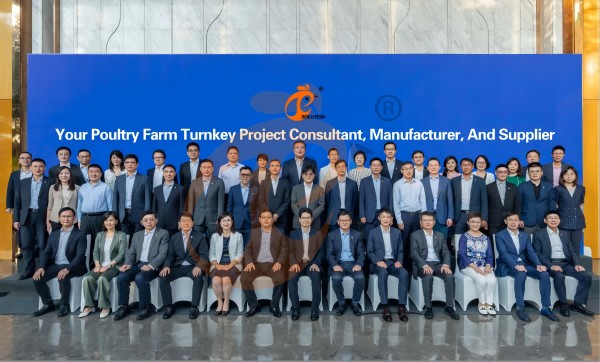
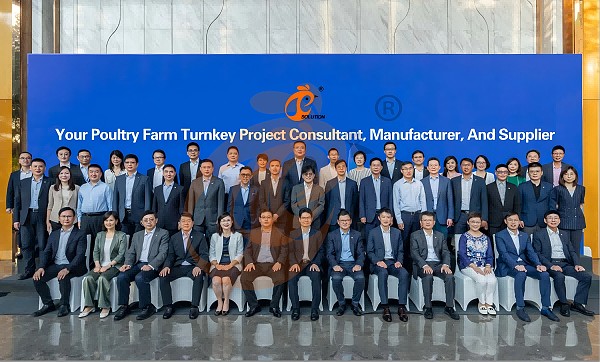
Hong Kong Headquarter Management Team
Hong Kong Headquarter Taiyu Industrial Group CO., LTD
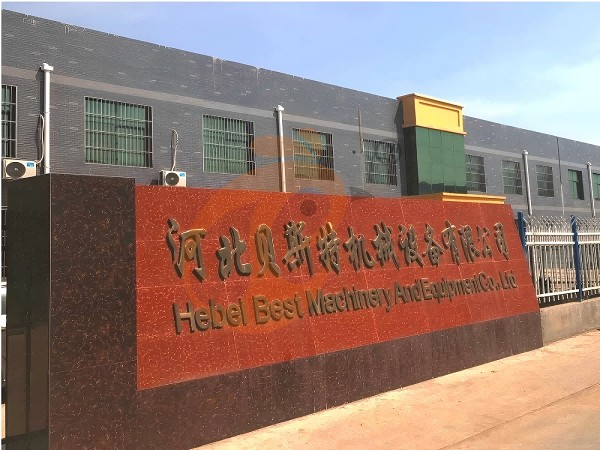
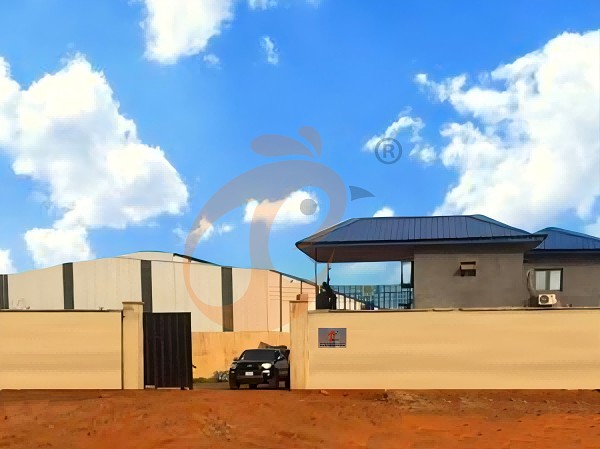
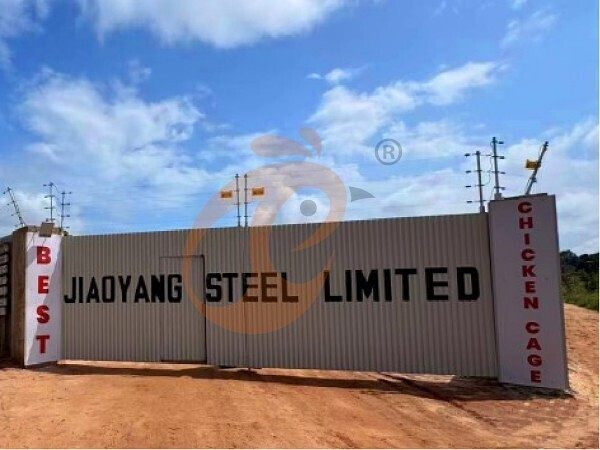
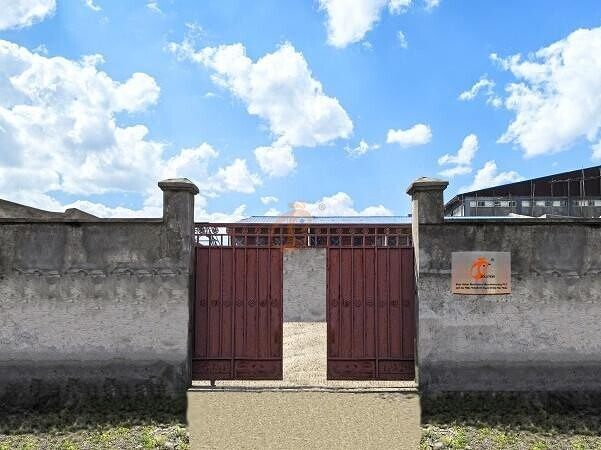
China Hebei Best Machinery And Equipment CO., LTD
Nigeria Vanke Machinery And Equipment CO., LTD
Tanzania Best Machinery And Equipment CO., LTD
Ethiopia Best Hebei Machinery Manufacturing PLC
Reception /24 WhatsApp NO. : +8618830120193
PRODUCTS RECOMMENDED
 China Branch Manufacture Poultry Farm EquipmentRead More
 Ethiopia Branch Manufacture Poultry Farm EquipmentRead More
 Nigeria Branch Manufacture Poultry Farm EquipmentRead More
 Tanzania Branch Manufacture Poultry Farm EquipmentRead More
 IoT Smart Poultry FarmRead More
 >30,000 Layers Automatic H Type Battery CageRead More
 10,000 - 30,000 Layers Automatic A Type Battery CageRead More
MESSAGE
NEWS
 How To Choose A Reliable H Type Chicken Cage Supplier For Poultry Farms?Read More
 Floor Rearing System For Layers | Cost, Egg Production And Management TipsRead More
 How To Plan Poultry Farm Equipment Budget | 6 Key FactorsRead More
 How To Reduce Operating Costs With Battery Cage For Layers Systems | 6 TipsRead More