

BLOG
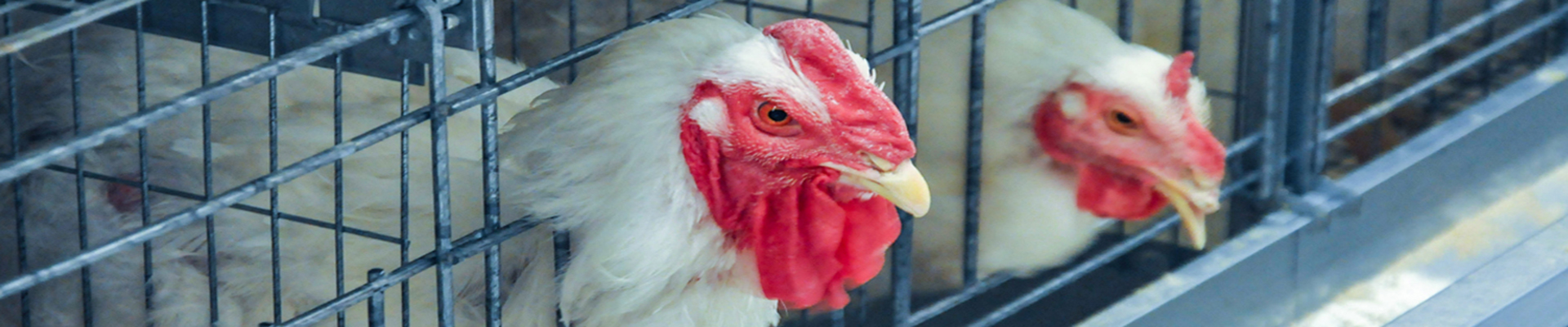
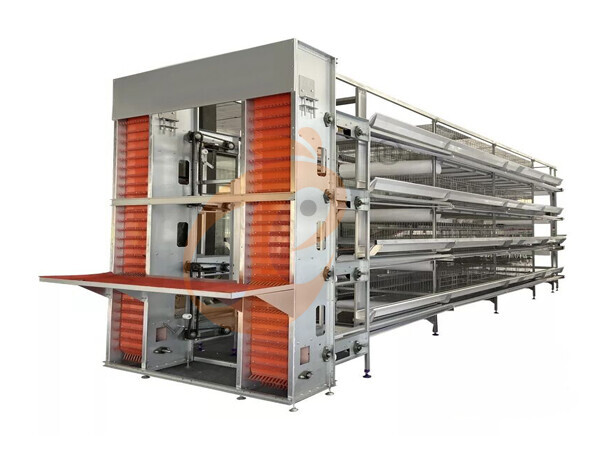
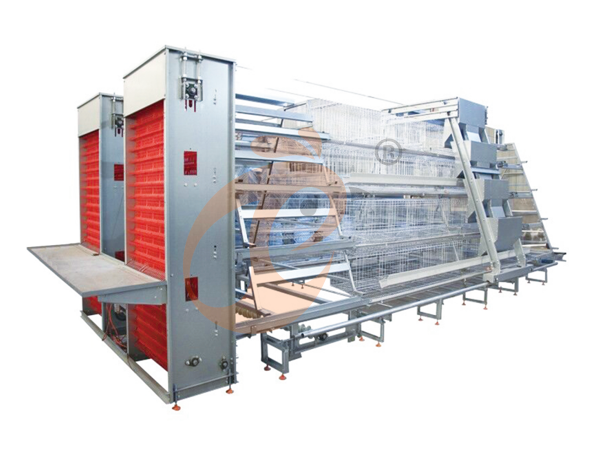
Layer chicken cage systems define industrial egg production through engineered multi-tier housing, automated feeding lines, controlled watering networks, and mechanical manure removal systems.
Production architecture enables high-density stocking with stable environmental regulation and reduced biological variation.
System design improves feed conversion efficiency through optimized energy allocation and minimized movement loss in laying hens.
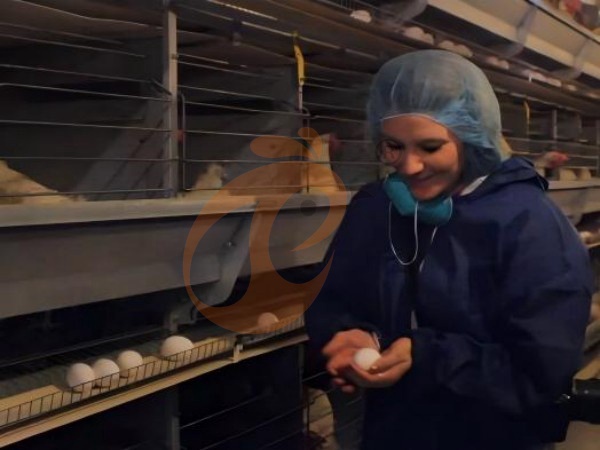
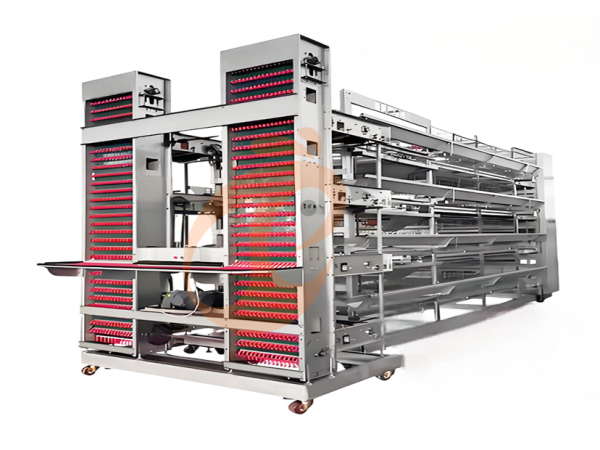
Structural integration supports continuous egg collection using conveyor belts with reduced breakage rates and improved hygiene control standards.
Engineering configuration allows scalable farm expansion with predictable output performance across commercial poultry operations.
Get professional poultry farm construction guidance, equipment selection solutions, and the latest price lists, whatsApp to +8618830120193, click to learn more:
System Definition And Industrial Function
A layer chicken cage system is an engineered poultry housing structure for laying hens from 18 weeks through the full laying cycle, typically 72–80 weeks of production.
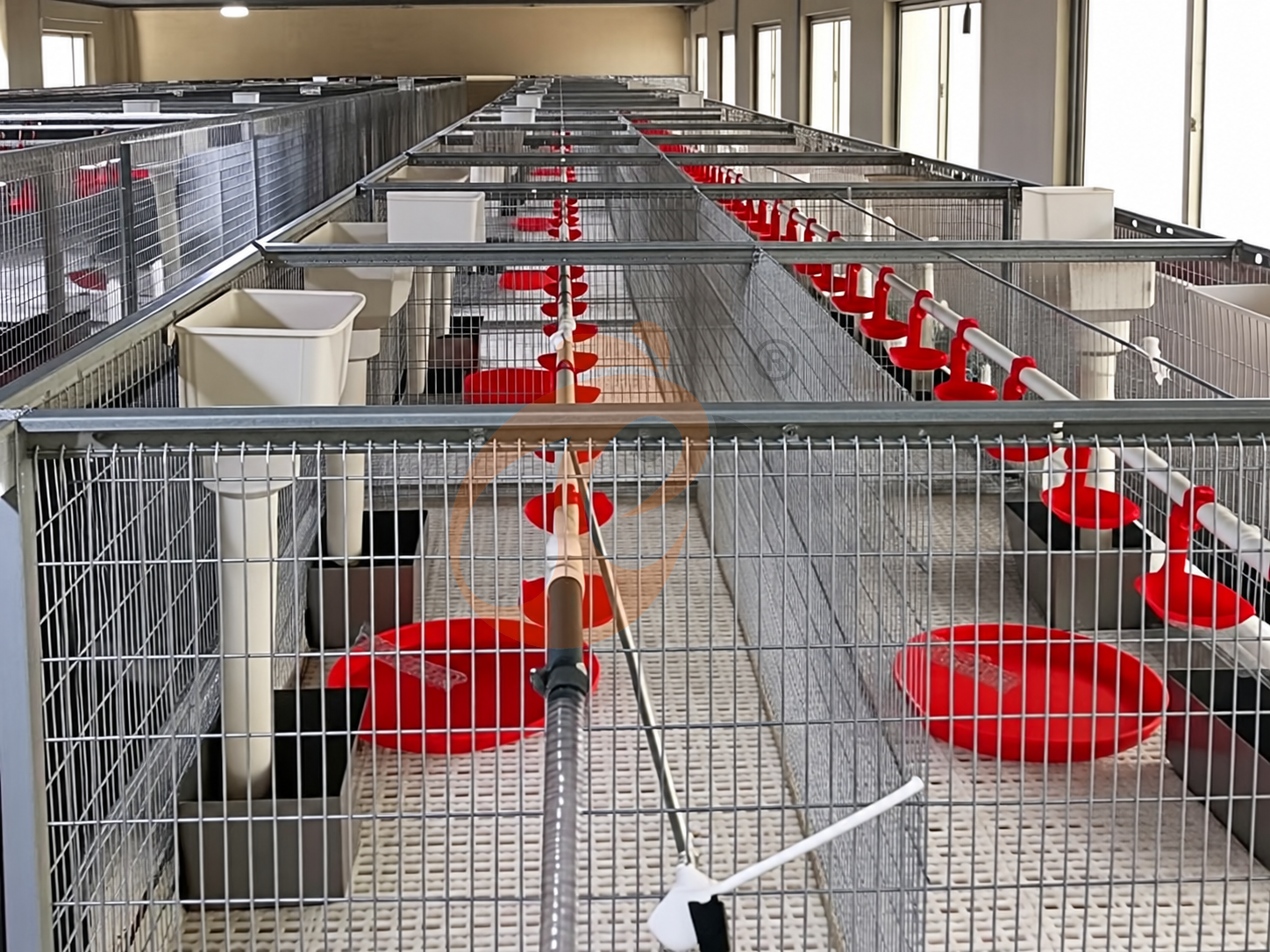
Integrated modules include feeding, drinking, manure removal, and egg collection systems operating in synchronized cycles.
Environmental control maintains ventilation at 4–6 air exchanges per hour, reducing heat stress fluctuations within 2–4°C stability range.
Compared with open floor systems, behavioral energy loss is reduced by limiting unnecessary movement to under 15% of total metabolic energy consumption, resulting in more stable laying rhythm and improved production predictability across large-scale commercial flocks.
Structural Engineering Parameters Of Modern Cage Farms
Modern poultry farms rely on precise mechanical specifications to ensure stable operation and scalability.
Data is for reference only.Swipe horizontally to view full table.
These engineering parameters are calibrated for synchronized biological and mechanical performance across intensive production cycles.
Space Utilization And Farm Expansion Efficiency
Vertical stacking architecture increases production capacity per land unit and reduces horizontal expansion requirements.
Commercial farms prioritize land efficiency to control capital expenditure and infrastructure scalability.
Data is for reference only.Swipe horizontally to view full table.
Vertical production architecture reduces land dependency and improves farm expansion efficiency across industrial operations.
Egg Production Performance And Yield Stability
Cage systems stabilize laying cycles through controlled feeding access, environmental uniformity, and reduced stress load.
Production variance reduction is a critical metric for commercial egg supply contracts.
Data is for reference only.Swipe horizontally to view full table.
Stable output curves support long-term supply agreements and reduce production forecasting deviation.
Disease Control And Biosecurity Performance
Biosecurity control is achieved through reduced manure contact, controlled airflow, and minimized bird-to-bird transmission pathways.
Environmental stability directly affects mortality rates and veterinary intervention frequency.
Data is for reference only.Swipe horizontally to view full table.
Reduced pathogen exposure improves flock survivability and long-term production stability.
Labor Optimization And Automation Efficiency
Automation systems reduce manual intervention across feeding, egg collection, and manure management processes.
Labor input per production unit decreases significantly in large-scale operations.
Data is for reference only.Swipe horizontally to view full table.
Operational scalability improves as labor dependency decreases across production cycles.
Feed Conversion And Economic Efficiency
Feed utilization efficiency determines overall production profitability.
Cage systems reduce feed waste and improve conversion ratios through controlled movement energy expenditure.
Data is for reference only.Swipe horizontally to view full table.
Feed efficiency improvements directly reduce operational cost per kilogram of egg production.
Scientific Explanation Of Egg Formation Biology
Egg formation follows a 24–26 hour physiological cycle involving ovulation, albumen secretion, shell membrane formation, and calcium deposition.
Controlled cage environments stabilize endocrine regulation by reducing cortisol fluctuations.
Controlled feeding schedules maintain protein intake at 18–20% and calcium levels at 3.8–4.2%, ensuring consistent shell formation.
Energy allocation shifts from locomotion to reproductive synthesis, improving egg output consistency across laying cycles.
Equipment System Architecture And Functional Integration
Layer cage systems operate as integrated mechanical ecosystems where each subsystem contributes to synchronized production flow and environmental regulation.
Data is for reference only.Swipe horizontally to view full table.
System synchronization improves operational precision and reduces human intervention dependency.
Investment Structure And Financial Payback Model
Commercial poultry investment models balance initial capital expenditure against long-term operational efficiency gains.
Currency values expressed in USD.
Data is for reference only.Swipe horizontally to view full table.
European union standard reference only applies to operational benchmarking comparisons.
Environmental Engineering And Waste Control Metrics
Environmental performance is evaluated through manure collection efficiency, water contamination risk, land utilization, and odor emission index.
Data is for reference only.Swipe horizontally to view full table.
Environmental control systems reduce ecological impact across intensive production zones.
Operational Risk And Production Stability Analysis
Risk assessment models evaluate disease outbreaks, production drops, contamination events, and mortality spikes across production cycles.
Data is for reference only.Swipe horizontally to view full table.
Lower variability improves contractual supply reliability for commercial egg distribution networks.
Frequently Asked Questions
Q1: What makes layer chicken cage systems more efficient than floor systems?
Layer chicken cage systems increase stocking density, stabilize feeding access, and reduce energy waste from movement, resulting in higher production consistency.
Q2: How does a cage system improve egg production rates?
Controlled lighting, nutrition consistency, and reduced stress levels stabilize ovulation cycles and increase hen-day egg production percentage.
Q3: Are layer chicken cage systems suitable for large-scale commercial scalability?
Layer chicken cage systems are designed with modular expansion architecture, enabling incremental scaling from 1,000 hens to industrial clusters exceeding 100,000 hens without structural redesign.
Taiyu (HK) Group - One Of China Biggest Layer Chicken Cage Systems Manufacturer
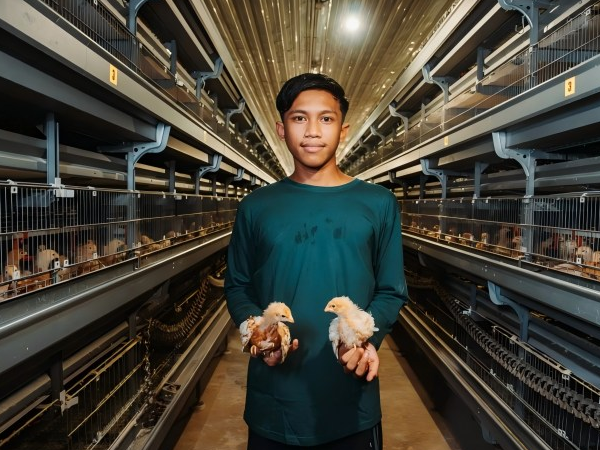
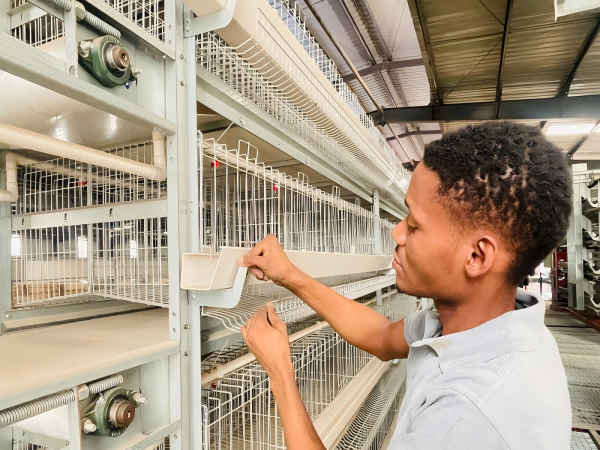
Layer chicken cage system engineered for commercial egg production with automated feeding, drinking, and manure removal integration.
Factory direct supply of poultry equipment supporting large-scale global egg farm installation projects.
Turn-key poultry cage engineering solutions covering design, manufacturing, and farm construction services.
Industrial poultry cage systems optimized for high-density laying hen production environments worldwide.
Global exporter of poultry equipment systems supporting commercial farm expansion and modernization projects.
Contact Us To Received Your Customized Poultry Farm Plan
Headquarters And Branchs

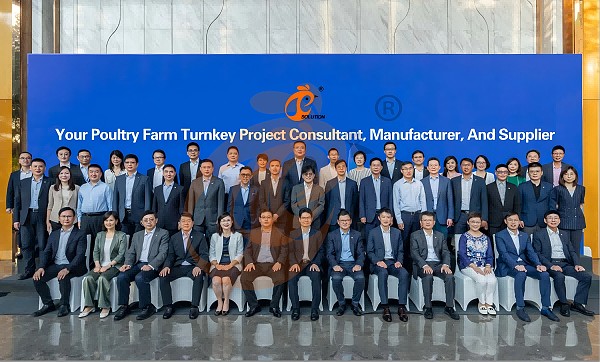
Hong Kong Headquarter Management Team
Hong Kong Headquarter Taiyu Industrial Group CO., LTD
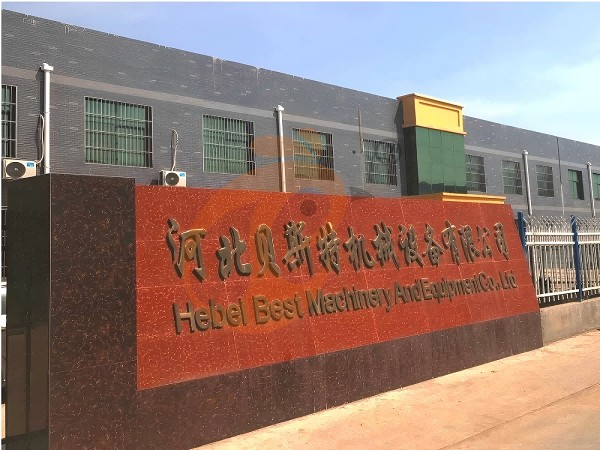
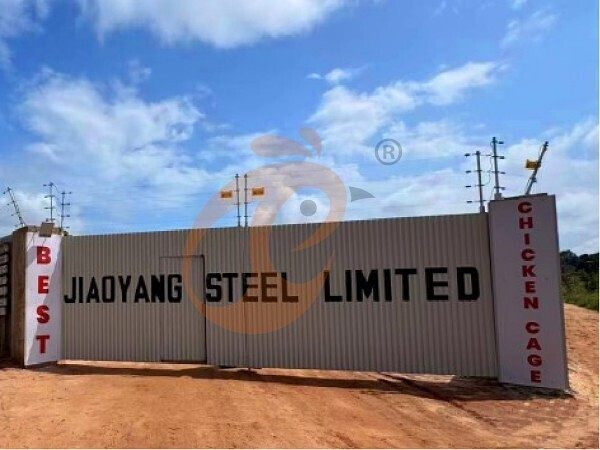
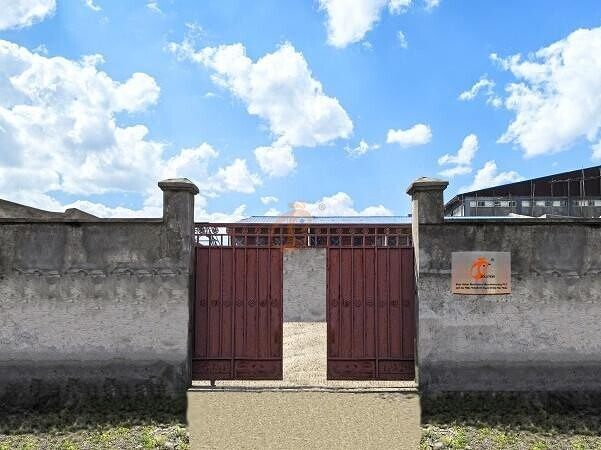
China Hebei Best Machinery And Equipment CO., LTD
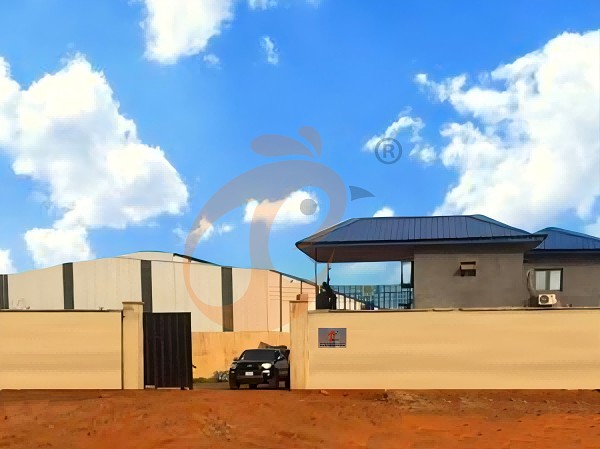
Nigeria Vanke Machinery And Equipment CO., LTD
Tanzania Best Machinery And Equipment CO., LTD
Ethiopia Best Hebei Machinery Manufacturing PLC
Reception /24 WhatsApp NO. : +8618830120193
PRODUCTS RECOMMENDED
 China Branch Manufacture Poultry Farm EquipmentRead More
 Ethiopia Branch Manufacture Poultry Farm EquipmentRead More
 Nigeria Branch Manufacture Poultry Farm EquipmentRead More
 Tanzania Branch Manufacture Poultry Farm EquipmentRead More
 IoT Smart Poultry FarmRead More
 >30,000 Layers Automatic H Type Battery CageRead More
 10,000 - 30,000 Layers Automatic A Type Battery CageRead More
MESSAGE
NEWS
 How To Choose A Reliable H Type Chicken Cage Supplier For Poultry Farms?Read More
 Floor Rearing System For Layers | Cost, Egg Production And Management TipsRead More
 How To Plan Poultry Farm Equipment Budget | 6 Key FactorsRead More
 How To Reduce Operating Costs With Battery Cage For Layers Systems | 6 TipsRead More