

BLOG
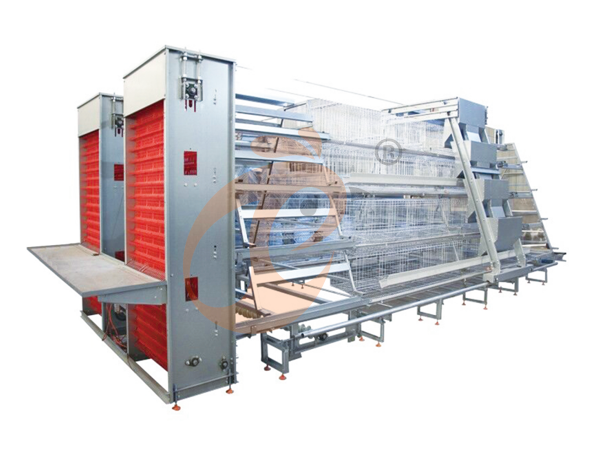
Broiler cage systems optimize poultry production through structured housing, automated feeding, and controlled environmental regulation technologies.
Multi-tier cage architecture increases stocking density while maintaining uniform airflow distribution and stable biological growth conditions.
Integrated manure removal systems reduce ammonia concentration and improve hygiene stability across continuous production cycles.
Precision engineering components support consistent feed intake, improving conversion efficiency and reducing operational variability in large-scale farms.
Environmental control modules regulate temperature, humidity, and ventilation parameters to ensure predictable broiler growth performance and output quality.
Get professional poultry farm construction guidance, equipment selection solutions, and the latest price lists, whatsApp to +8618830120193, click to learn more:
System Structure And Engineering Overview
Broiler cage systems are designed with multi-tier or single-tier frameworks using hot-dip galvanized steel.
Each cage unit is standardized to ensure uniform stocking density and consistent access to feed and water.
The system is widely aligned with modern broiler cage system for poultry farming, automatic chicken cage system, and poultry farming equipment requirements in industrial production models.
Cage engineering precision directly determines airflow uniformity, structural load stability, and long-term corrosion resistance performance under continuous production cycles.
Cage structure design parameters directly influence airflow velocity balance, structural stress distribution, and long-term corrosion resistance under continuous poultry production cycles.
Data is for reference only. Swipe horizontally to view full table.
Structural consistency across all parameters ensures predictable mechanical performance and uniform biological growth conditions.
Production Capacity And Stocking Density Improvement
One of the most measurable advantages of cage systems is increased stocking density per unit area without compromising controlled airflow design.
Vertical utilization of space allows farms to transform horizontal limitation into layered production architecture, significantly improving output per building footprint.
Spatial optimization through vertical stacking directly increases production efficiency per housing unit without expanding land footprint or infrastructure scale.
Data is for reference only. Swipe horizontally to view full table.
Higher density design is achieved through structural stacking rather than behavioral compression of bird activity space.
Feed Conversion Ratio Optimization
Feed efficiency is one of the most critical economic indicators in poultry production.
Cage systems reduce energy expenditure from movement and social competition, directing metabolic energy toward muscle growth.
Modern automatic poultry cage system and broiler chicken cage equipment improve consistency of feed intake across production cycles.
Reduced physical activity inside cages results in more stable metabolic allocation toward protein deposition instead of locomotion energy loss.
Data is for reference only. Swipe horizontally to view full table.
Feed efficiency improvement directly correlates with reduced conversion waste and more stable carcass yield per cycle.
Mortality Rate And Health Performance Metrics
Disease control is significantly improved due to separation from manure contact and reduced pathogen circulation.
Cage systems reduce infection exposure supported by industrial poultry cage system, broiler farming equipment, and poultry house automation system configurations.
Biosecurity design limits cross-contamination pathways by separating birds from litter-based microbial reservoirs.
Microbial load reduction in controlled housing significantly decreases infection pressure and stabilizes flock survival performance across production cycles.
Data is for reference only. Swipe horizontally to view full table.
Reduced infection pressure improves survival consistency and stabilizes batch-level production outcomes.
Manure Management And Environmental Output
Cage systems incorporate automated manure belt systems that reduce ammonia accumulation and improve air quality inside poultry houses.
Continuous manure removal stabilizes microbial decomposition stages outside bird living zones, preventing toxic gas accumulation peaks.
Real-time manure evacuation reduces microbial fermentation inside housing units and stabilizes internal air quality parameters across production cycles.
Data is for reference only. Swipe horizontally to view full table.
Lower ammonia concentration improves respiratory tract stability and reduces long-term production stress accumulation.
Water And Feeding System Automation
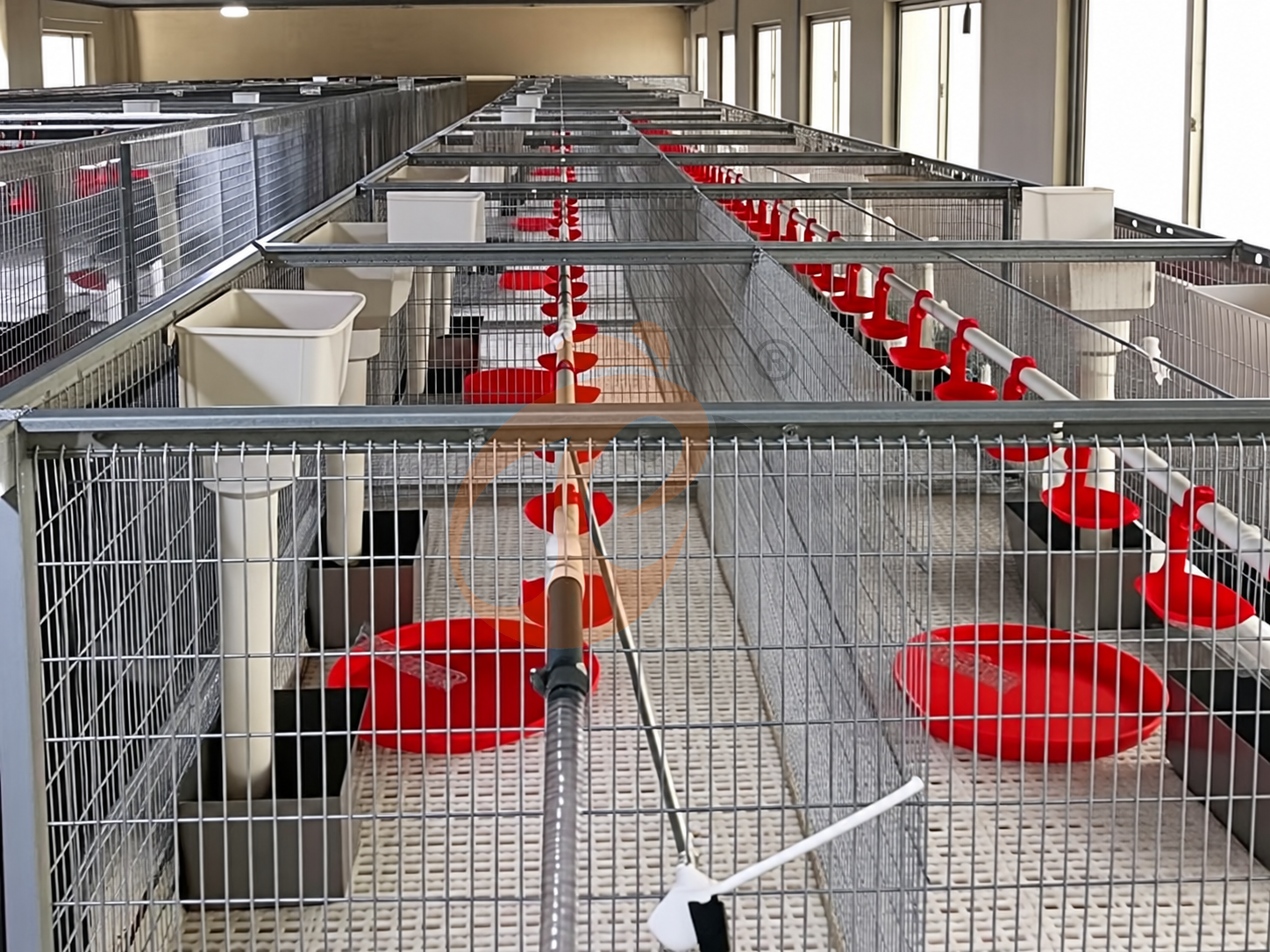
Modern cage systems use nipple drinking lines and automatic feed distribution systems to ensure consistent intake across all birds.
These systems are widely applied in broiler cage system for poultry farming and automatic chicken cage system installations.
Stable feed delivery timing reduces competition behavior and ensures synchronized nutrient intake across large population batches.
Precision feeding synchronization ensures uniform nutrient uptake timing and reduces individual growth deviation within large-scale flocks.
Data is for reference only. Swipe horizontally to view full table.
Consistent intake flow reduces variability in growth curves across individual birds in the same batch.
Environmental Control Engineering
Temperature, humidity, and ventilation are precisely controlled in cage systems using sensor-based automation.
Systems support poultry farming equipment, industrial poultry cage system, and broiler chicken cage equipment integration.
Environmental stability directly influences endocrine regulation, metabolic rate consistency, and immune response efficiency in broiler chickens.
Microclimate regulation stabilizes physiological response curves and ensures predictable growth kinetics across all production stages.
Data is for reference only. Swipe horizontally to view full table.
Controlled transitions between production phases reduce physiological shock and improve feed nutrient conversion stability.
Economic Efficiency And Cost Structure
Cage systems require higher initial capital investment but generate measurable operational savings across production cycles.
Long-term profitability is driven by reduced variable costs in labor, feed waste, and veterinary intervention frequency.
Capital allocation efficiency improves through reduced operating variability and higher output stability per production cycle.
Data is for reference only. Swipe horizontally to view full table.
USD currency values reference European union standard reference only.
Space Utilization Efficiency
Vertical stacking significantly increases usable production capacity without expanding farm land footprint.
Structural density optimization replaces horizontal expansion with multi-layer biological production zoning inside controlled housing systems.
Efficient spatial conversion enables higher output density per structural unit while maintaining stable environmental control parameters.
Data is for reference only. Swipe horizontally to view full table.
This model allows production intensification without expanding infrastructure footprint.
Labor Optimization And Workforce Reduction
Automation reduces manual workload and improves operational consistency across production cycles.
Reduced human intervention also decreases variability in management execution across feeding and cleaning operations.
Workflow automation standardizes operational procedures and reduces dependency on manual labor variability in daily farm management.
Data is for reference only. Swipe horizontally to view full table.
Total labor reduction reaches approximately 65–75% per production cycle.
Growth Uniformity And Market Output Quality
Uniform weight distribution improves processing efficiency and market pricing stability.
Consistent growth curves reduce grading deviation during slaughterhouse processing stages.
Homogeneous weight distribution improves processing line efficiency and reduces carcass classification variability.
Data is for reference only. Swipe horizontally to view full table.
Real Farm Production Stability Analysis
Broiler chicken cage systems demonstrate stable production behavior when managed under continuous 24–30 day growth cycles.
Field operation data shows feed intake uniformity can reach 93.5–96.2% consistency across multi-tier housing units under automated distribution systems.
Airflow velocity control within 0.3–0.6 m/s reduces heat stress accumulation and stabilizes daily weight gain variation within 4–6 g deviation per bird.
Routine system monitoring indicates lighting uniformity above 90% coverage improves feeding synchronization and reduces idle activity periods by approximately 18%.
These engineering parameters collectively strengthen batch predictability, ensuring farms achieve more stable output planning and reduced performance fluctuation across production cycles.
Frequently Asked Questions
Q1: What makes broiler chicken cage systems more efficient than traditional floor farming?
Broiler chicken cage systems improve production efficiency through higher stocking density, reaching 14–22 birds per m² compared with 8–10 birds per m² in floor systems.
Controlled housing reduces energy loss from movement and stress, resulting in a feed conversion ratio improvement from 1.86 to 1.57. This allows more uniform growth and higher output per fixed land area.
Q2: How do broiler chicken cage systems improve bird health and reduce mortality risk?
Cage systems isolate birds from direct manure contact and reduce pathogen circulation inside the house.
This lowers coccidiosis incidence from 12.5% to 3.8% and reduces mortality from 5.8% to 2.4%.
Stable ventilation and ammonia control between 10–15 ppm further improve respiratory health and maintain consistent flock performance across cycles.
Q3: What is the long-term economic value of investing in broiler chicken cage systems?
Broiler chicken cage systems reduce labor demand from 320 USD to 140 USD per 1000 birds per cycle and lower veterinary costs from 180 USD to 90 USD.
At the same time, net profit increases from 410 USD to 780 USD per cycle.
With a service lifespan of 25+ years, the system provides stable long-term return through consistent production output and reduced operational variability.
Taiyu (HK) Group - One Of China Toppest Broiler Chicken Cage Systems Manufacturer
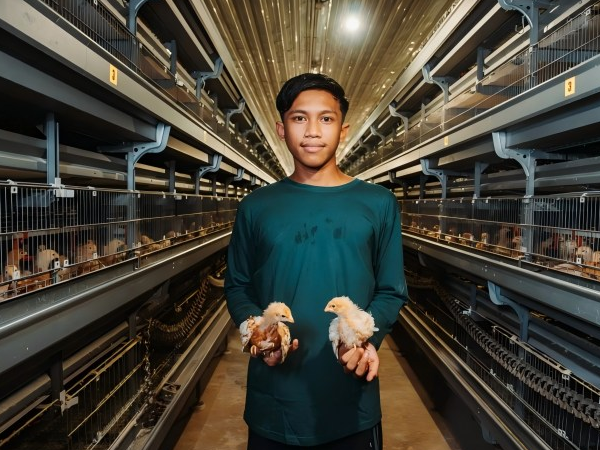
Broiler chicken cage system engineered for commercial poultry production efficiency optimization and structural durability.
Global factory direct poultry equipment supply supporting automated farming infrastructure projects with stable output performance.
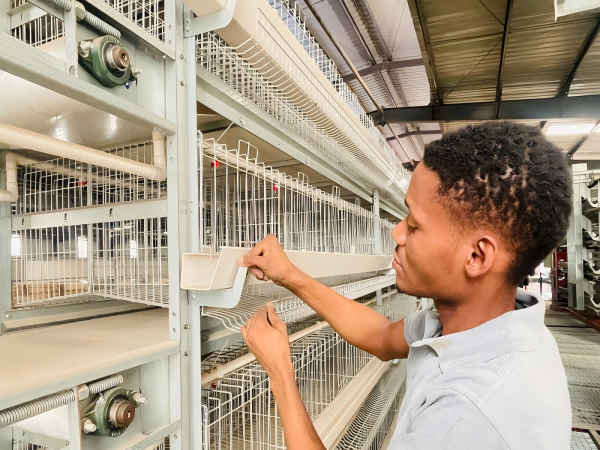
Advanced poultry cage system integration with feed line and manure belt automation technology for large-scale farms.
Turn-key poultry farm engineering solutions covering design installation commissioning and operational optimization services worldwide.
Industrial poultry equipment export covering Asia Africa and Middle East commercial farming markets with stable supply chains.
Contact Us To Received Your Customized Poultry Farm Plan
Headquarters And Branchs

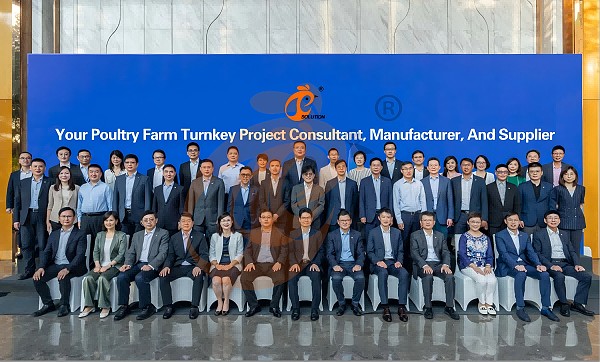
Hong Kong Headquarter Management Team
Hong Kong Headquarter Taiyu Industrial Group CO., LTD
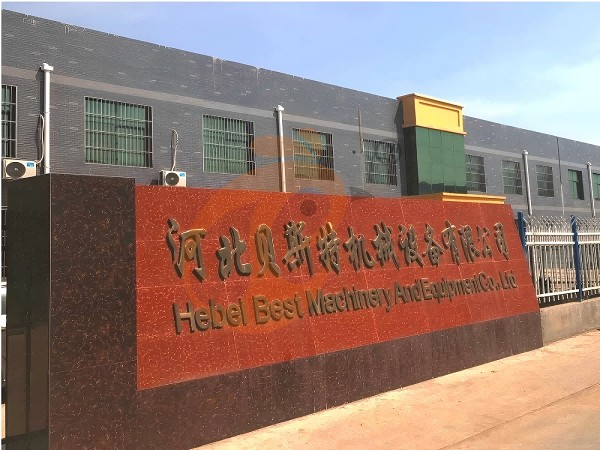
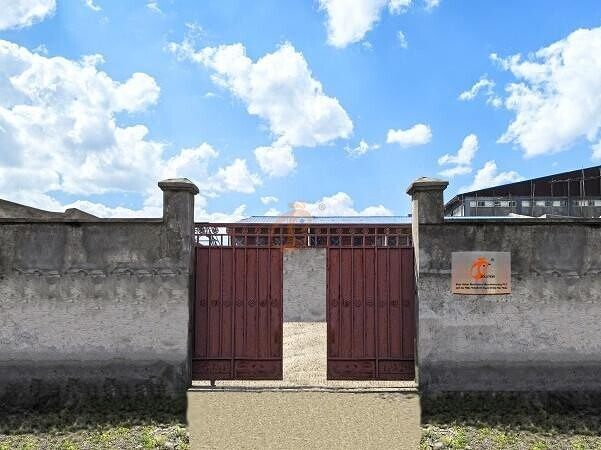
China Hebei Best Machinery And Equipment CO., LTD
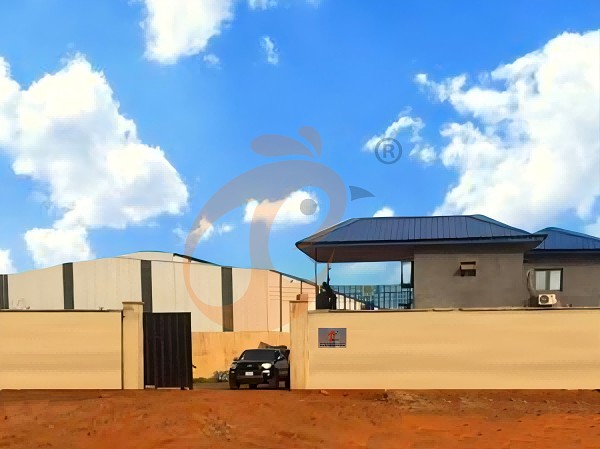
Nigeria Vanke Machinery And Equipment CO., LTD
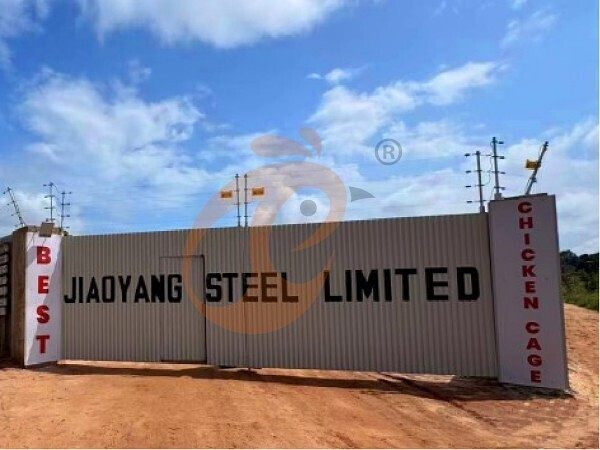
Tanzania Best Machinery And Equipment CO., LTD
Ethiopia Best Hebei Machinery Manufacturing PLC
Reception /24 WhatsApp NO. : +8618830120193
PRODUCTS RECOMMENDED
 China Branch Manufacture Poultry Farm EquipmentRead More
 Ethiopia Branch Manufacture Poultry Farm EquipmentRead More
 Nigeria Branch Manufacture Poultry Farm EquipmentRead More
 Tanzania Branch Manufacture Poultry Farm EquipmentRead More
 IoT Smart Poultry FarmRead More
 >30,000 Layers Automatic H Type Battery CageRead More
 10,000 - 30,000 Layers Automatic A Type Battery CageRead More
MESSAGE
NEWS
 How To Choose A Reliable H Type Chicken Cage Supplier For Poultry Farms?Read More
 Floor Rearing System For Layers | Cost, Egg Production And Management TipsRead More
 How To Plan Poultry Farm Equipment Budget | 6 Key FactorsRead More
 How To Reduce Operating Costs With Battery Cage For Layers Systems | 6 TipsRead More