

BLOG
Nipple drinker installation system engineering defines poultry water delivery stability and flock performance consistency
Closed water pipeline structure reduces contamination risk and improves microbial control efficiency across poultry houses
Pressure regulation system maintains uniform water flow across long-distance distribution pipelines in commercial farms
Stainless steel nipple valve ensures controlled activation force and precise droplet water release mechanism
Proper installation design improves feed conversion ratio, reduces water waste, and supports large-scale poultry production efficiency
Get professional poultry farm construction guidance, equipment selection solutions, and the latest price lists, whatsApp to +8618830120193, click to learn more:
System Role And Engineering Function In Poultry Production
Nipple drinker systems are core infrastructure for modern poultry watering system design used in broiler cage system and layer cage system operations.
Nipple drinker installation determines hydraulic balance, water flow accuracy, and flock uniform drinking behavior across commercial poultry farms.
In large-scale poultry farm equipment engineering, water intake stability directly influences poultry farming profitability.
Broiler chickens consuming 2.0 kg feed require 3.4 liters water during a 35-day production cycle under controlled ventilation conditions.
A properly designed poultry water line system maintains flow deviation within 8–12% across 100-meter pipeline distance, ensuring consistent poultry production system performance.
Poultry House Layout And Line Position Engineering
Poultry house structure design determines nipple drinker system efficiency and water distribution uniformity.
Proper spacing between poultry water lines improves bird access rate and reduces competition stress.
Data is for reference only.Swipe horizontally to view full table.
Water line coverage radius remains between 22–28 cm ensuring uniform drinking access in poultry cage system environments.
Nipple Components And Technical Configuration
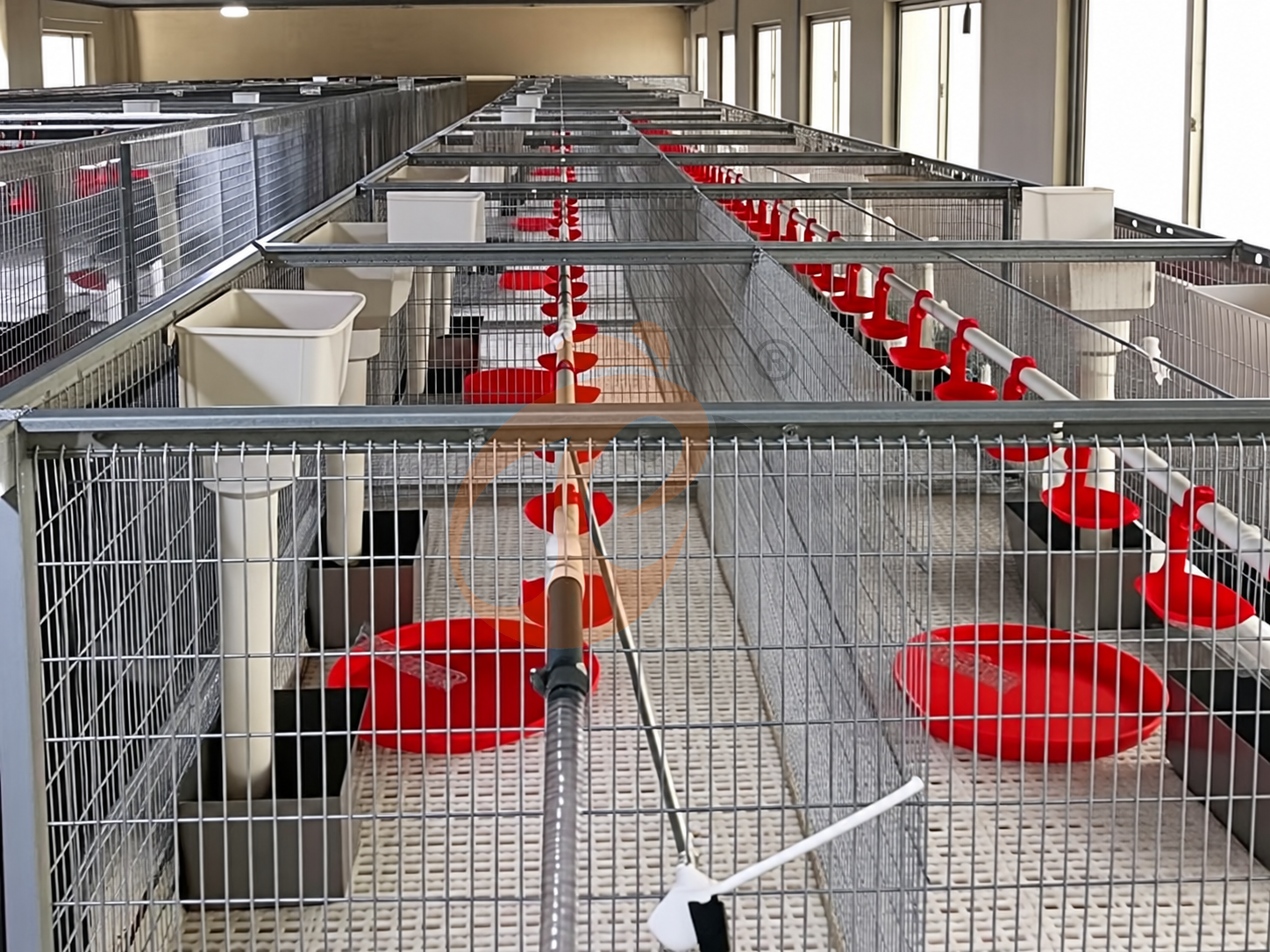
Nipple drinker system structure includes stainless steel valve pins, PVC pipe system, water filters, and pressure regulation devices.
Each component contributes to poultry drinking system stability and hygiene control.
Data is for reference only.Swipe horizontally to view full table.
Water hygiene level remains below 500 CFU/ml under controlled poultry equipment management systems.
Main Pipeline Installation And Hydraulic Design
Poultry watering system pipeline engineering determines flow capacity and pressure distribution across poultry house equipment infrastructure.
Data is for reference only.Swipe horizontally to view full table.
Pipeline slope design maintains 0.3–0.5% gradient for full drainage efficiency during poultry farm equipment cleaning cycles.
Nipple Height Adjustment According To Bird Growth Stage
Nipple drinker height calibration directly affects poultry drinking behavior and skeletal development efficiency in poultry farming systems.
Data is for reference only.Swipe horizontally to view full table.
Water intake efficiency improves skeletal growth rate and feed conversion performance in commercial poultry production system.
Scientific Principle Of Closed Nipple Drinking System
Nipple drinking system operates through pressure-sensitive valve mechanism activated by 0.12–0.18 Newton force applied by poultry beak interaction.
Controlled droplet release ranges between 1.8–4.8 ml/min depending on system calibration.
Closed poultry watering system reduces microbial contamination from 10⁶ CFU/ml in open drinkers to below 10³ CFU/ml under standard poultry farm management conditions.
Water-to-feed ratio remains stable between 1.7:1 and 2.0:1 ensuring metabolic balance in poultry production cycle.
Pressure Regulation And Water Flow Calibration
Pressure control system determines nipple drinker efficiency and water delivery uniformity across poultry house installation structure.
Data is for reference only.Swipe horizontally to view full table.
Water pressure deviation remains controlled within ±1.5 KPa across 120-meter poultry drinking system pipeline.
Water Consumption Analysis In Poultry Farming Systems
Water intake monitoring determines poultry production system efficiency and feed utilization ratio under controlled environmental conditions.
Data is for reference only.Swipe horizontally to view full table.
Cleaning, Flushing, And Sanitation Protocol
Pipeline sanitation system ensures poultry equipment hygiene and prevents biofilm accumulation inside poultry watering system lines.
Data is for reference only.Swipe horizontally to view full table.
Microbial load reduction achieves from 8.4×10⁵ CFU/cm² to 2.1×10³ CFU/cm² after complete sanitation cycle.
System Testing And Pre-Production Verification
Pre-operation testing ensures nipple drinker system stability and hydraulic balance across poultry farm installation environment.
Data is for reference only.Swipe horizontally to view full table.
Automation Integration And Smart Monitoring Systems
Smart poultry equipment integrates nipple drinker system with digital monitoring modules for real-time poultry production control.
Data is for reference only.Swipe horizontally to view full table.
Automation reduces manual labor requirement by 62% in large poultry farming operations.
Economic Efficiency Evaluation Of Poultry Watering System
Nipple drinker installation improves poultry farming profitability through water saving, labor reduction, and mortality control.
Data is for reference only.Swipe horizontally to view full table.
Frequently Asked Questions
Q1: What is the correct water pressure range for nipple drinker installation in poultry houses?
Correct water pressure range depends on poultry growth stage and pipeline length design.
In commercial installation systems, stable operation is maintained between 10 KPa and 28 KPa.
Starter birds require approximately 10 KPa to ensure easy activation force.
Breeder systems require up to 28 KPa to maintain sufficient flow rate across long pipeline distances exceeding 100 meters.
Q2: How is nipple drinker installation height adjusted during different growth stages?
Nipple drinker installation height must follow bird neck posture and growth development stages.
In early stage (1–3 days), installation height is set at approximately 12 cm from ground level.
During grower stage, height increases gradually to 25–32 cm.
In final production stage, installation height reaches up to 40 cm, ensuring birds maintain a natural drinking angle between 15° and 70° for optimal water intake efficiency.
Q3: What are the main factors affecting nipple drinker installation performance?
Installation performance is mainly affected by pipeline pressure stability, line spacing accuracy, and water filtration quality.
Pressure deviation must be controlled within ±1.5 KPa.
Line spacing ranges from 138 cm to 182 cm depending on house width.
Filtration systems using 120-micron mesh ensure stable flow and maintain water hygiene below 500 CFU/ml in commercial poultry environments.
Taiyu (HK) Group - One Of China Largest Nipple Drinker Manufacturer
Nipple drinker installation system engineered for poultry watering system, broiler cage system, and layer cage system applications.
Global factory direct supply supporting poultry equipment, poultry cage system, and commercial poultry farm engineering projects.
Turn-key poultry farm solutions covering automatic drinking system, feeding system, and ventilation system integration.
Industrial poultry equipment manufacturing standards ensuring stable hydraulic performance and long service life components.
Export-oriented poultry farming system supplier supporting global large-scale commercial poultry production projects.
Contact Us To Received Your Customized Poultry Farm Plan
Headquarters And Branchs
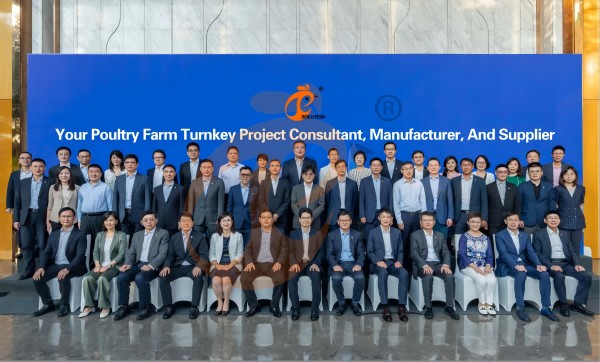
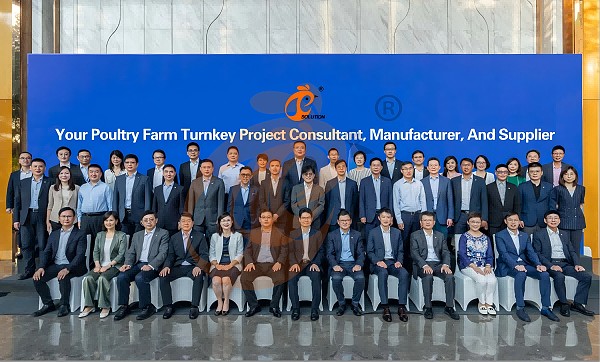
Hong Kong Headquarter Management Team
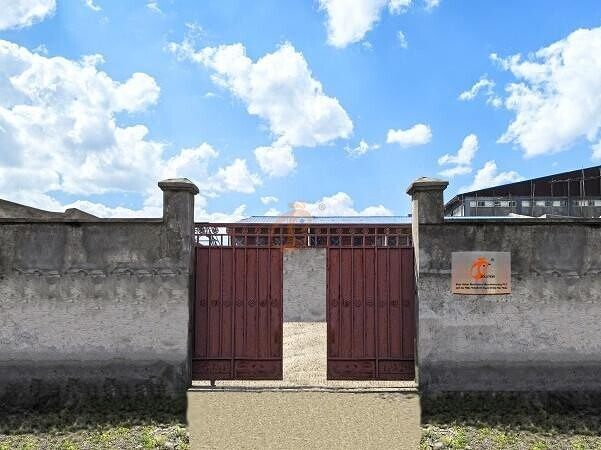
Hong Kong Headquarter Taiyu Industrial Group CO., LTD
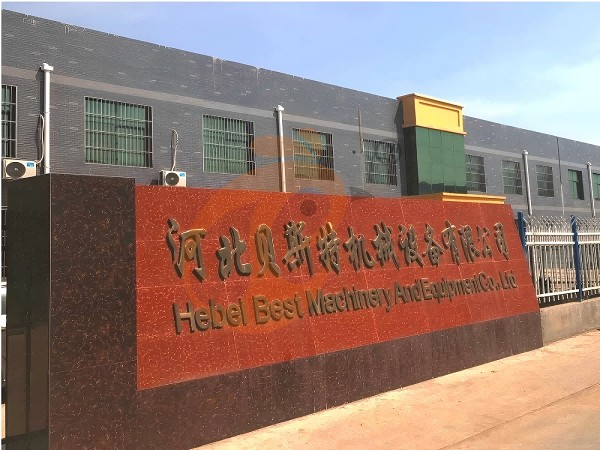
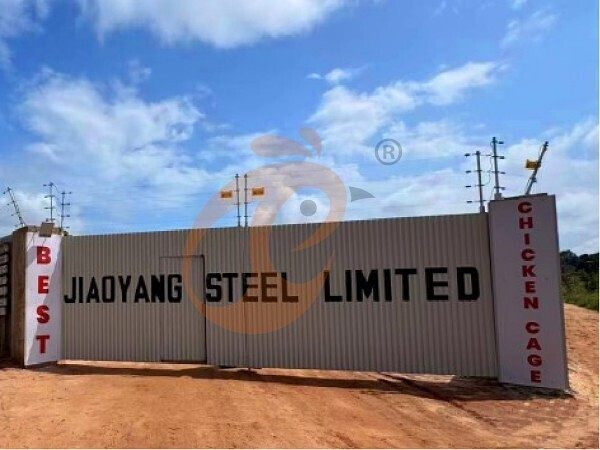
China Hebei Best Machinery And Equipment CO., LTD
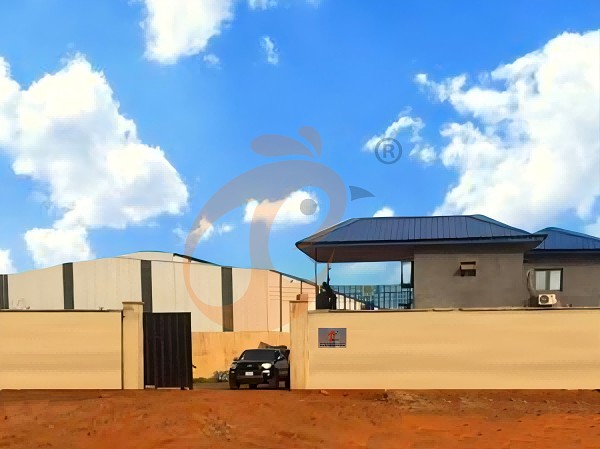
Nigeria Vanke Machinery And Equipment CO., LTD
Tanzania Best Machinery And Equipment CO., LTD
Ethiopia Best Hebei Machinery Manufacturing PLC
Reception /24 WhatsApp NO. : +8618830120193
PRODUCTS RECOMMENDED
 China Branch Manufacture Poultry Farm EquipmentRead More
 Ethiopia Branch Manufacture Poultry Farm EquipmentRead More
 Nigeria Branch Manufacture Poultry Farm EquipmentRead More
 Tanzania Branch Manufacture Poultry Farm EquipmentRead More
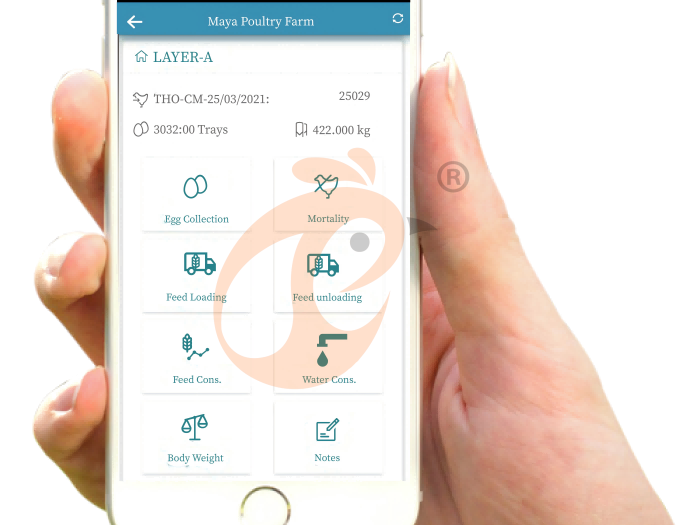
 IoT Smart Poultry FarmRead More
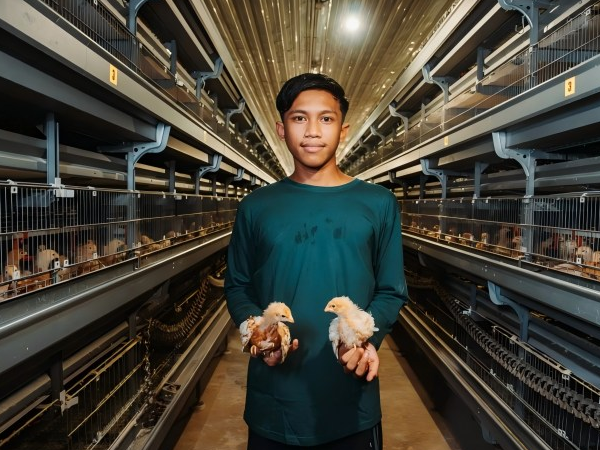
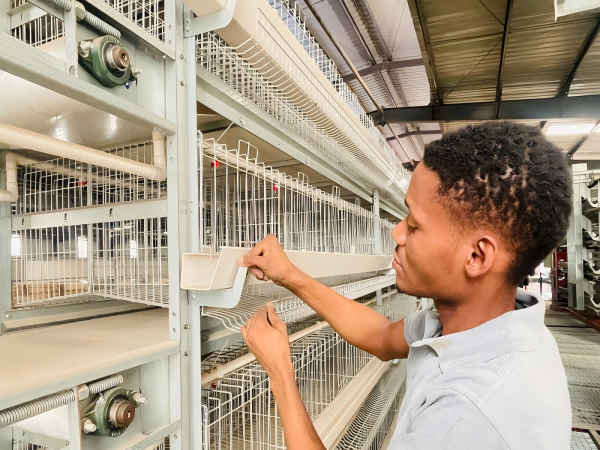
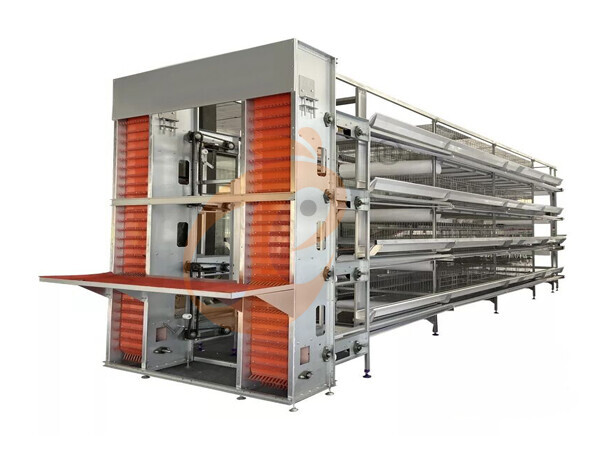
 >30,000 Layers Automatic H Type Battery CageRead More
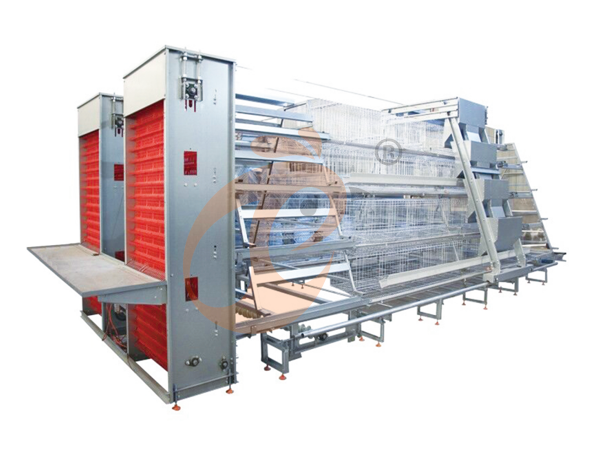
 10,000 - 30,000 Layers Automatic A Type Battery CageRead More


MESSAGE
NEWS
 How To Choose A Reliable H Type Chicken Cage Supplier For Poultry Farms?Read More
 Floor Rearing System For Layers | Cost, Egg Production And Management TipsRead More
 How To Plan Poultry Farm Equipment Budget | 6 Key FactorsRead More
 How To Reduce Operating Costs With Battery Cage For Layers Systems | 6 TipsRead More