

BLOG
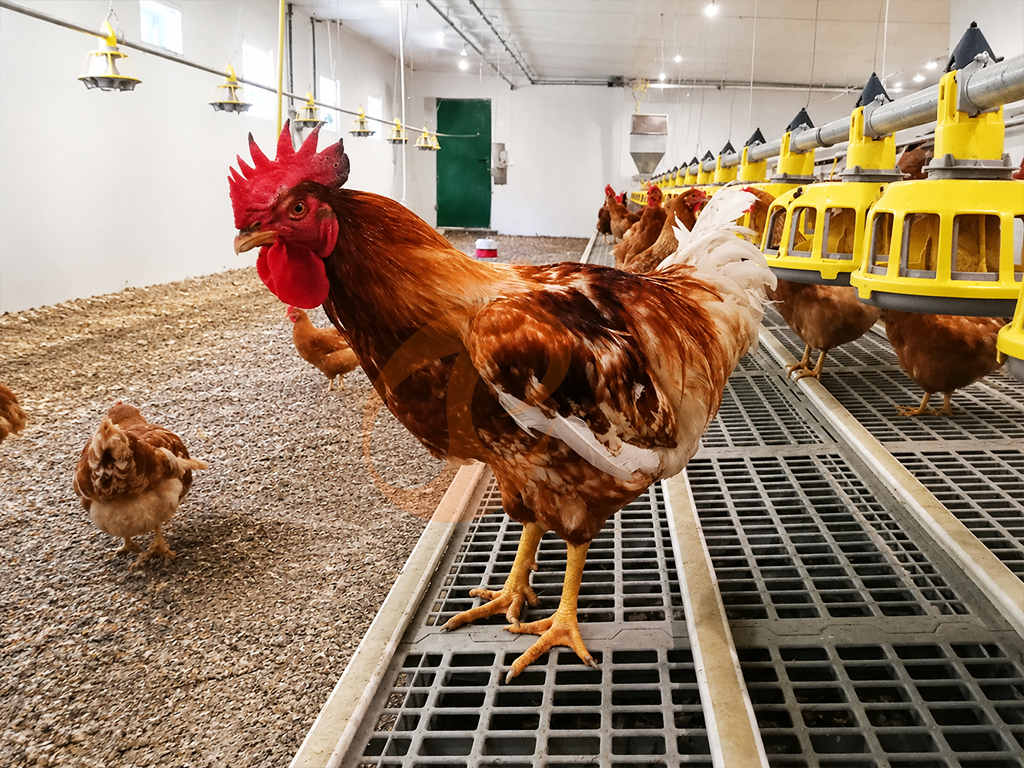
Pralson feeders improve automatic poultry feeding efficiency in commercial poultry farming systems.
Automatic chicken feeder structures reduce feed waste and improve daily feed distribution consistency.
Broiler feeding equipment performance directly affects FCR, bird uniformity, and poultry farm profitability.
Modern poultry equipment engineering supports stable feed transportation across long poultry house layouts.
Commercial poultry farms require durable poultry feeding systems with continuous operational stability.
Get professional poultry farm construction guidance, equipment selection solutions, and the latest price lists, whatsApp to +8618830120193, click to learn more:

Pralson Feeders Reduce Feed Waste In Commercial Poultry Farms
Feed cost normally represents 62% to 70% of total broiler production expenses in modern poultry farming operations.
Feed waste reduction therefore becomes one of the fastest methods for improving poultry farm profitability.
Pralson feeders are designed with anti-scratch feed pans, adjustable feed depth control, and balanced feed flow structures.
Traditional open tray systems allow birds to scatter feed outside the feeding area during aggressive feeding activity.
Pralson feeder pans minimize feed overflow while maintaining stable bird access.
Commercial broiler farms using automatic chicken feeder systems commonly achieve lower feed loss compared with manual feeding operations.
Data is for reference only.Swipe horizontally to view full table.
Feed savings of 924 kg per cycle can create major financial advantages when annual production includes six or seven broiler cycles.
Feed contamination inside litter material also decreases because fewer feed particles remain on the poultry house floor.
Cleaner litter reduces ammonia generation and improves internal poultry house air conditions.
European union standard reference only.
Pralson Feeders Improve Feed Distribution Accuracy
Uniform feed distribution directly influences flock uniformity and slaughter consistency.
Poor feed line balance normally causes dominant birds to consume excess nutrients while weaker birds receive insufficient feed access.
Uneven feed distribution increases body weight variation and processing inconsistency.
Pralson feeders use stable feed transportation mechanisms designed for long poultry house layouts.
Feed pans positioned along the entire feeding line maintain more balanced feed accessibility.
Modern poultry equipment engineering requires continuous feed flow without major feed separation between line beginning and line ending positions.
Data is for reference only.Swipe horizontally to view full table.
Commercial poultry integrations generally target less than 8% flock variation before slaughter age because processing plants require more consistent carcass sizes.
Improved feed accessibility also lowers aggressive feeding competition between birds. Lower physical stress supports healthier flock
behavior throughout the production cycle.
Pralson Feeders Improve FCR Performance
Feed conversion ratio remains one of the most important profitability indicators in broiler production.
Modern broiler genetics require stable nutrient intake and uninterrupted feeding access to achieve target growth performance.
Pralson feeders improve feed conversion through lower feed waste, reduced feed contamination, and more stable feed intake frequency.
Continuous feed availability supports stronger digestive efficiency and more balanced nutrient utilization inside the intestinal tract.
Data is for reference only.Swipe horizontally to view full table.
An FCR reduction from 1.92 to 1.60 saves approximately 320 grams of feed per bird.
A 50,000-bird poultry farm can therefore reduce feed consumption by nearly 16 metric tons during one broiler cycle.
Feed price increases above $450 per metric ton make feed efficiency even more important for commercial poultry production profitability.
European union standard reference only.
Pralson Feeders Reduce Poultry Farm Labor Demand
Labor management remains a major operational challenge in commercial poultry farming.
Manual feeding systems require continuous labor movement throughout the poultry house multiple times daily.
Large poultry farms therefore experience higher labor cost and inconsistent feeding timing.
Pralson automatic poultry feeding systems transport feed rapidly through centralized feed lines connected to feed hoppers and drive motors.
Automatic chicken feeder technology allows farm managers to maintain stable feeding schedules with fewer workers.
Data is for reference only.Swipe horizontally to view full table.
Monthly labor reduction exceeding 1,000 working hours creates substantial operational savings in medium and large poultry farming projects.
Lower labor dependence also improves operational stability during seasonal labor shortages.
European union standard reference only.
Pralson Feeders Support Faster Poultry Growth
Broiler growth performance depends heavily on continuous nutrient availability.
Modern broilers consume feed many times throughout the day because rapid muscle development requires stable metabolic energy supply.
Pralson feeders maintain continuous feed access across the feeding line, allowing birds to consume feed more frequently with lower physical competition.
Stable feeding frequency improves average daily gain and slaughter consistency.
Data is for reference only.Swipe horizontally to view full table.
Shorter production cycles reduce electricity usage, litter consumption, ventilation cost, and total water consumption per production batch.
Higher breast meat yield also increases processing plant profitability because breast meat normally carries higher commercial value compared with other poultry cuts.
Poultry Science Behind Continuous Feeding Systems
Broiler chickens possess rapid digestive metabolism compared with larger livestock species.
Digestive transit time inside broiler gastrointestinal systems remains relatively short, which means nutrient interruption rapidly influences growth efficiency and feeding behavior.
Scientific poultry nutrition research shows that continuous feed accessibility improves intestinal villi development, digestive enzyme activity, and amino acid absorption efficiency.
Automatic poultry feeding systems therefore create biological advantages beyond simple labor reduction.
Data is for reference only.Swipe horizontally to view full table.
More frequent feeding behavior supports stronger nutrient digestion and better metabolic stability inside commercial broiler flocks.
Improved digestive efficiency also contributes to stronger immune performance and lower physiological stress conditions.
Pralson Feeders Provide Better Equipment Durability
Poultry houses contain ammonia gas, high humidity, airborne dust, and continuous animal activity.
Low-quality feeding systems often experience corrosion, cracked feed pans, damaged feed pipes, and unstable mechanical performance after repeated production cycles.
Pralson feeders use galvanized steel structures, UV-resistant feed pans, reinforced feed line suspension systems, and corrosion-resistant engineering materials.
Durable poultry feeding systems reduce maintenance frequency and lower long-term equipment replacement cost.
Data is for reference only.Swipe horizontally to view full table.
Longer equipment lifespan supports more stable long-term poultry farming investment returns.
Reduced maintenance interruptions also help maintain continuous feeding reliability throughout the production cycle.
Pralson Feeders Improve Feed Hygiene Conditions
Feed hygiene directly affects poultry digestive health and disease exposure risk.
Open feeding systems commonly expose feed to dust accumulation, litter contamination, and moisture absorption.
Poor feed hygiene reduces feed quality and increases microbial growth potential.
Pralson feeders elevate feed access points above litter level while minimizing unnecessary feed exposure inside the poultry house environment.
Controlled feed distribution therefore improves feed cleanliness during commercial poultry production.
Data is for reference only.Swipe horizontally to view full table.
Cleaner feed supports stronger appetite stability and lower digestive stress throughout broiler production cycles.
Improved hygiene conditions also strengthen overall poultry farm biosecurity performance.
Pralson Feeders Support Large Commercial Poultry Farms
Modern poultry integrations continue increasing production scale to improve operational efficiency and market competitiveness.
Large poultry houses containing 30,000 to 50,000 birds require stable automatic poultry feeding systems capable of transporting several tons of feed daily without interruption.
Pralson feeders are engineered for large-scale poultry farming operations with centralized feed transportation and continuous feed flow balance.
Data is for reference only.Swipe horizontally to view full table.
Rapid feed transportation becomes essential when poultry farms operate multiple poultry houses simultaneously under integrated management systems.
Stable feeding engineering therefore supports long-term commercial poultry expansion strategies.
Frequently Asked Questions
Q1: What makes pralson feeders better than traditional poultry feeders?
Pralson feeders provide lower feed waste, more stable feed distribution, improved FCR performance, and longer operational lifespan compared with traditional feeding trays or basic automatic feeders.
Commercial poultry farms also benefit from lower labor demand and better flock uniformity.
Q2: Can pralson feeders be used for both broiler and layer farms?
Pralson feeders are suitable for broiler farms, layer farms, pullet growing systems, and breeder chicken operations.
Adjustable feed control structures allow flexible feed management for different poultry production stages.
Q3: How much feed can commercial poultry farms save using pralson feeders?
Commercial broiler farms commonly reduce feed waste from more than 1,100 kg per cycle to nearly 250 kg per cycle when replacing manual feeding systems with Pralson feeders.
Total annual feed savings depend on poultry house capacity and production cycle quantity.
Taiyu (HK) Group - One Of China Biggest Pralson Feeders Supplier
Professional Pralson feeders designed for efficient automatic poultry feeding line operations worldwide
Global factory direct poultry equipment manufacturing supporting commercial poultry farming investment projects
Advanced poultry cage production systems matching modern intensive poultry house engineering requirements
Turn-key poultry farm construction solutions for broiler farms and layer poultry operations internationally
Commercial poultry equipment export services covering Africa, Asia, Middle East, and South America
Contact Us To Received Your Customized Poultry Farm Plan
Headquarters And Branchs

Hong Kong Headquarter Management Team
Hong Kong Headquarter Taiyu Industrial Group CO., LTD
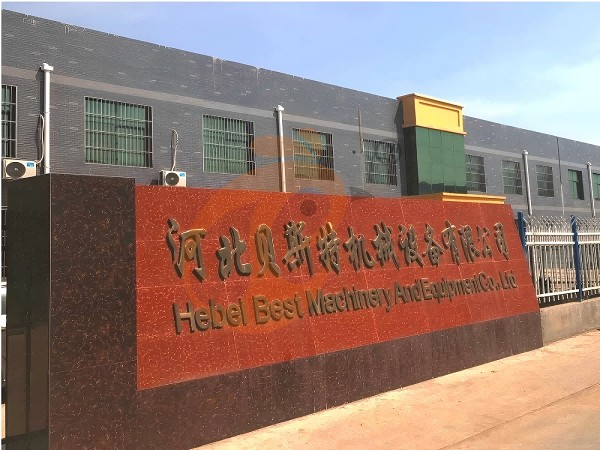
China Hebei Best Machinery And Equipment CO., LTD
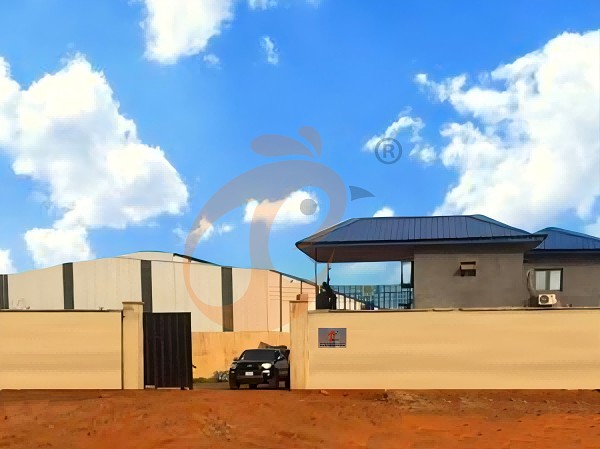
Nigeria Vanke Machinery And Equipment CO., LTD
Tanzania Best Machinery And Equipment CO., LTD
Ethiopia Best Hebei Machinery Manufacturing PLC


Reception /24 WhatsApp NO. : +8618830120193
PRODUCTS RECOMMENDED
 China Branch Manufacture Poultry Farm EquipmentRead More
 Ethiopia Branch Manufacture Poultry Farm EquipmentRead More
 Nigeria Branch Manufacture Poultry Farm EquipmentRead More
 Tanzania Branch Manufacture Poultry Farm EquipmentRead More
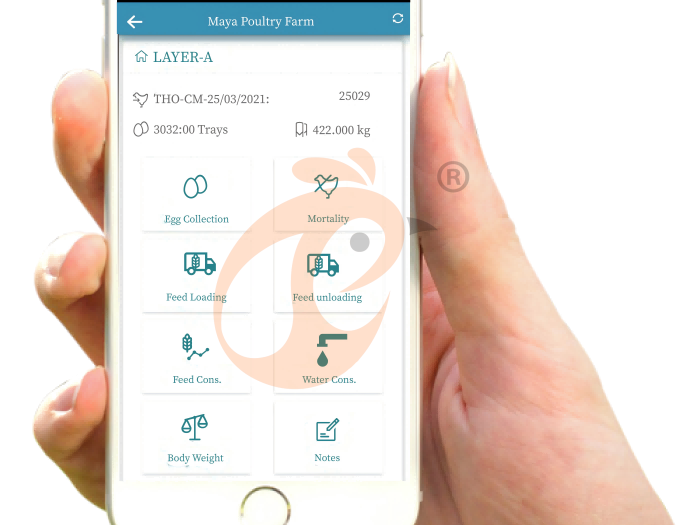
 IoT Smart Poultry FarmRead More
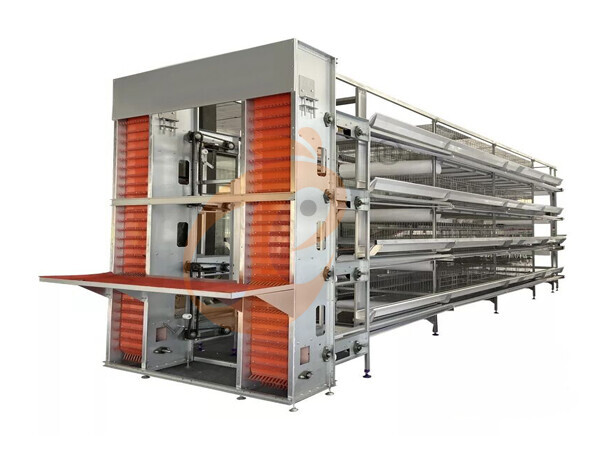
 >30,000 Layers Automatic H Type Battery CageRead More
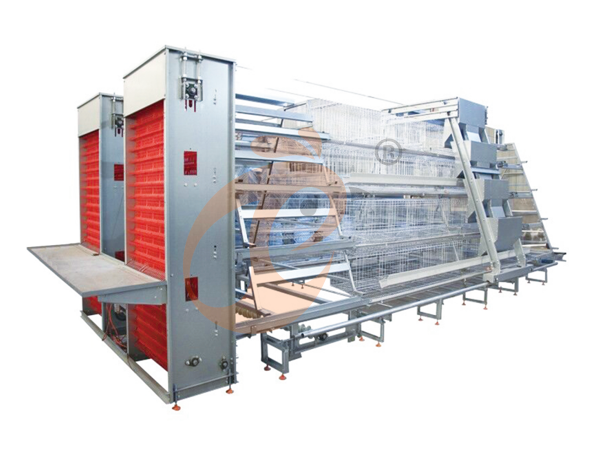
 10,000 - 30,000 Layers Automatic A Type Battery CageRead More


MESSAGE
NEWS
 How To Choose A Reliable H Type Chicken Cage Supplier For Poultry Farms?Read More
 Floor Rearing System For Layers | Cost, Egg Production And Management TipsRead More
 How To Plan Poultry Farm Equipment Budget | 6 Key FactorsRead More
 How To Reduce Operating Costs With Battery Cage For Layers Systems | 6 TipsRead More